📑 Table of Contents
- What Is Palm Kernel Expeller?
- How Is Palm Kernel Expeller Produced?
- Nutritional Composition & Specifications
- 7 Proven Benefits of Palm Kernel Expeller for Animal Feed
- Palm Kernel Expeller vs. Other Feed Ingredients
- Applications Across Industries
- Global Palm Kernel Expeller Market in 2026
- How to Choose a Reliable PKE Supplier
- Storage & Handling Best Practices
- Frequently Asked Questions
Palm kernel expeller is one of the most valuable and cost-effective animal feed ingredients available in the global agricultural market today. Derived from the mechanical extraction of oil from palm kernel nuts, this nutrient-dense byproduct has become an essential component in livestock and dairy farming across more than 80 countries worldwide.
According to the Food and Agriculture Organization (FAO), global demand for palm kernel-based feed products has increased by over 15% since 2023, driven by the rising need for affordable, high-energy feed alternatives. Whether you’re a cattle rancher in New Zealand, a dairy farmer in Europe, or an aquaculture operator in Southeast Asia, understanding palm kernel expeller is critical to optimizing your feed strategy in 2026.
In this ultimate guide, we’ll cover everything you need to know — from production processes and nutritional profiles to market trends, supplier selection, and real-world applications that make palm kernel expeller the preferred choice among feed formulators globally.
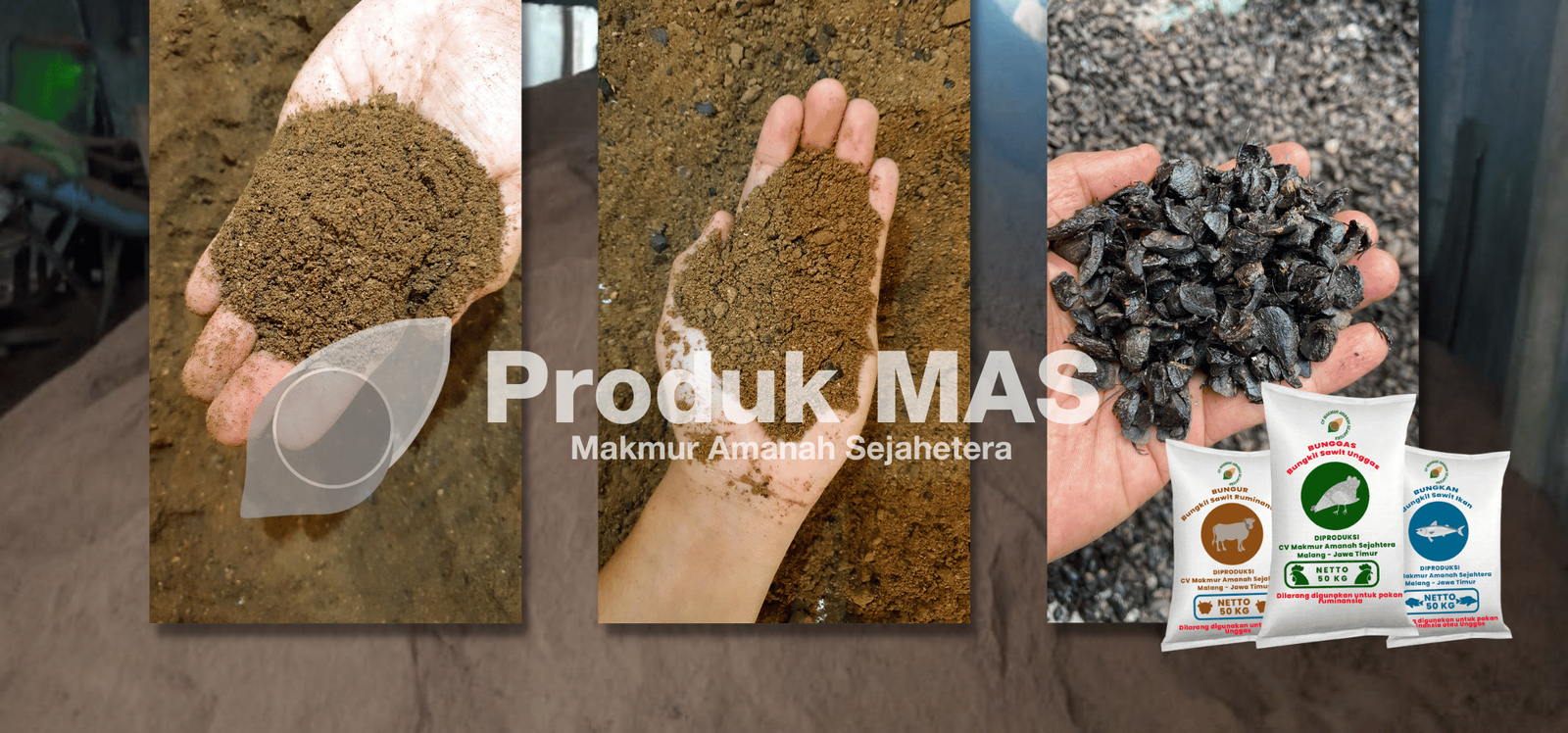
[Image: Close-up photograph of palm kernel expeller pellets in a feed storage facility — Alt text: “High-quality palm kernel expeller pellets for animal feed” — Title: “Palm Kernel Expeller PKE Feed Grade”]
What Is Palm Kernel Expeller?
Palm kernel expeller (PKE) is the solid residue remaining after palm kernel oil has been mechanically extracted from the palm kernel nut using an expeller press or screw press machine. It is a high-fiber, medium-protein, and energy-rich byproduct of the palm oil milling process.
Unlike palm kernel meal (PKM), which is produced through solvent extraction, palm kernel expeller retains a higher residual oil content — typically between 5% and 8%. This additional oil content gives PKE a superior energy value, making it particularly attractive for ruminant feed formulations.
Key Characteristics of Palm Kernel Expeller
- Physical form: Coarse, granular, brownish flakes or pellets
- Odor: Mild, nutty, and pleasant
- Residual oil: 5–8% (higher than solvent-extracted meal)
- Protein content: 14–18% crude protein
- Fiber content: 15–20% crude fiber
- Shelf life: 3–6 months when stored properly
The palm kernel itself comes from the Elaeis guineensis tree, predominantly cultivated in Indonesia, Malaysia, Thailand, Colombia, and parts of West Africa. Indonesia alone produces over 60% of the world’s palm kernel supply, making it the global epicenter for PKE production.
How Is Palm Kernel Expeller Produced?
Understanding the production process of palm kernel expeller helps buyers evaluate quality and make informed purchasing decisions. The process involves several critical stages.
Step-by-Step Production Process
- Harvesting & Collection: Fresh oil palm fruit bunches are harvested and transported to the palm oil mill within 24 hours to maintain quality.
- Sterilization & Threshing: Fruit bunches are sterilized using high-pressure steam, then threshed to separate individual fruitlets.
- Oil Extraction (CPO): The fleshy mesocarp is pressed to produce crude palm oil (CPO). The remaining nuts are separated.
- Nut Cracking: Palm nuts are cracked using ripple mills or centrifugal crackers to separate the kernel from the shell. The palm kernel shell is collected separately as a biomass fuel source.
- Kernel Drying: Separated kernels are dried to reduce moisture content to below 7%.
- Mechanical Pressing: Dried kernels are fed into screw press machines (expellers) at high pressure and temperature (100–110°C). This extracts palm kernel oil (PKO).
- PKE Collection: The remaining solid cake — palm kernel expeller — exits the press, is cooled, and either sold in cake form or further processed into pellets.
The entire process from fresh fruit bunch to finished PKE takes approximately 8–12 hours in a modern integrated palm oil mill. Quality control measures at each stage determine the final protein, oil, fiber, and moisture content of the PKE.
[Image: Infographic showing the palm kernel expeller production process from fruit bunch to final PKE product — Alt text: “Palm kernel expeller production process flow diagram” — Title: “How PKE Is Produced”]
Nutritional Composition & Specifications
The nutritional value of palm kernel expeller is what makes it a standout ingredient in animal feed formulations. Below is a comprehensive breakdown of typical PKE specifications.
Standard PKE Nutritional Profile
| Parameter | Typical Range | Premium Grade |
|---|---|---|
| Crude Protein | 14–16% | 16–18% |
| Crude Fat / Oil | 5–8% | 7–9% |
| Crude Fiber | 15–20% | 13–16% |
| Moisture | Max 10% | Max 8% |
| Ash | 3–5% | 3–4% |
| Shell Content | Max 15% | Max 10% |
| Metabolizable Energy | 10–11 MJ/kg | 11–12 MJ/kg |
| Free Fatty Acid (FFA) | Max 5% | Max 3% |
According to research published in the Animal Feed Science and Technology journal, PKE’s unique combination of moderate protein, high fiber, and significant residual oil makes it one of the most metabolically efficient feed ingredients for ruminant animals, particularly dairy cattle and beef cattle.
Mineral Content
Palm kernel expeller also provides essential minerals including calcium (0.2–0.3%), phosphorus (0.5–0.7%), magnesium (0.3%), and trace amounts of copper, zinc, and manganese. These minerals contribute to bone health, milk production, and overall metabolic function in livestock.
7 Proven Benefits of Palm Kernel Expeller for Animal Feed
Farmers and feed manufacturers worldwide continue to increase their use of palm kernel expeller for compelling reasons. Here are the seven most significant advantages.
1. Cost-Effective Energy Source
PKE delivers comparable metabolizable energy to many conventional feed ingredients at 30–50% lower cost. For large-scale dairy and beef operations, switching to PKE-based formulations can save thousands of dollars annually while maintaining animal performance.
2. High Residual Oil Content Boosts Energy Density
With 5–8% residual oil, palm kernel expeller provides substantially more energy than solvent-extracted alternatives. This oil is rich in lauric acid, which research from PubMed Central has shown to possess antimicrobial properties that support gut health in ruminants.
3. Excellent Fiber Profile for Ruminants
The 15–20% crude fiber content promotes healthy rumen function, supports proper digestion, and helps maintain optimal gut pH levels. This makes PKE a natural rumen buffer — reducing the risk of acidosis in high-concentrate diets.
4. Versatile Feed Formulation Ingredient
PKE can be blended seamlessly with grains, forages, molasses, and other protein sources. It serves as both an energy and fiber component, simplifying feed formulation and reducing the number of ingredients needed.
5. Sustainable & Environmentally Responsible
As a byproduct of the palm oil milling process, utilizing palm kernel expeller supports circular economy principles. Rather than being discarded as waste, it transforms into a valuable resource — reducing the overall environmental footprint of the palm oil industry.
6. Consistent Year-Round Supply
Indonesia and Malaysia produce palm oil year-round, ensuring a stable, uninterrupted supply of PKE. Unlike seasonal crops such as corn or soybean, palm kernel expeller availability remains consistent, providing supply chain reliability for feed manufacturers.
7. Proven Track Record in Major Dairy Industries
New Zealand’s dairy industry — one of the world’s largest — has relied on PKE imports for over two decades. According to New Zealand’s Ministry for Primary Industries (MPI), PKE constitutes a significant portion of supplementary feed used in the country’s dairy sector, validating its effectiveness at scale.
Palm Kernel Expeller vs. Other Feed Ingredients
How does palm kernel expeller compare to other popular feed ingredients? This comparison table provides a clear, side-by-side analysis to help you make informed feed formulation decisions.
| Parameter | PKE | Soybean Meal | Corn Gluten | Copra Meal |
|---|---|---|---|---|
| Crude Protein | 14–18% | 44–48% | 60–62% | 20–22% |
| Crude Fat | 5–8% | 1–2% | 2–3% | 6–10% |
| Crude Fiber | 15–20% | 3–5% | 1–2% | 12–16% |
| Cost (Relative) | 💰 Low | 💰💰💰 High | 💰💰💰 High | 💰💰 Medium |
| Best For | Ruminants, dairy | Poultry, swine | Poultry | Ruminants, swine |
| Supply Stability | ✅ Year-round | ⚠️ Seasonal | ⚠️ Seasonal | ✅ Year-round |
As the table illustrates, while soybean meal and corn gluten offer higher protein content, PKE provides a unique balance of energy, fiber, and affordability that makes it irreplaceable in ruminant feed formulations — particularly when cost optimization is a priority.
[Image: Side-by-side comparison photo of palm kernel expeller, soybean meal, copra meal, and corn gluten in separate containers — Alt text: “Palm kernel expeller compared to soybean meal copra meal and corn gluten feed” — Title: “Animal Feed Ingredient Comparison”]
Applications of Palm Kernel Expeller Across Industries
While animal feed remains the primary use of palm kernel expeller, its applications extend across multiple industries.
Dairy & Beef Cattle Farming
PKE is most extensively used in dairy and beef cattle operations. Inclusion rates of 20–40% in total mixed rations (TMR) are common, providing cost-effective energy supplementation while supporting milk fat production and body weight gain.
Aquaculture & Fish Feed
Emerging research shows that PKE can replace up to 15–20% of fishmeal in certain aquaculture feeds, reducing production costs for tilapia, catfish, and shrimp farming operations. The lauric acid content provides additional health benefits for aquatic species.
Goat & Sheep Farming
Small ruminants thrive on PKE-supplemented diets. Goat farmers in Southeast Asia and Africa report improved growth rates and reduced feed costs when incorporating palm kernel expeller at 25–35% inclusion rates.
Organic Fertilizer Production
Spent PKE — after its feed value has been utilized — can be composted into high-quality organic fertilizer. Its carbon-to-nitrogen ratio makes it an excellent composting agent when mixed with poultry manure or other nitrogen-rich materials.
Bioenergy & Biomass
In some applications, PKE with high shell content serves as a biomass fuel supplement, contributing to the growing renewable energy sector in palm oil-producing countries.
Global Palm Kernel Expeller Market in 2026
The global palm kernel expeller market has experienced substantial growth entering 2026. Several key trends are shaping the industry.
Market Size & Growth
The global PKE market is estimated to exceed $3.5 billion in 2026, growing at a compound annual growth rate (CAGR) of approximately 5.2% from 2023. Indonesia remains the dominant supplier, exporting over 4 million metric tons annually, followed by Malaysia with approximately 2.5 million metric tons.
Key Export Destinations
- New Zealand: Largest single-country importer for dairy feed supplementation
- South Korea: Growing demand for livestock feed ingredients
- European Union: Increasing adoption in organic dairy farming
- Vietnam: Expanding aquaculture sector driving demand
- India: Rapidly growing dairy industry seeking affordable feed
Pricing Trends
PKE prices in 2026 range from $120–$180 per metric ton FOB Indonesia, depending on quality specifications, shell content, and contract volumes. Premium-grade PKE with less than 10% shell content commands higher prices, while standard grades remain the most cost-competitive feed option in the global market.
How to Choose a Reliable Palm Kernel Expeller Supplier
Selecting the right supplier is crucial to ensuring consistent quality and reliable delivery of palm kernel expeller. Here are the essential factors to evaluate.
Quality Certification & Testing
Reputable PKE suppliers provide Certificate of Analysis (COA) for every shipment, including test results for crude protein, crude fat, crude fiber, moisture, and aflatoxin levels. Look for suppliers with ISO 9001 certification or equivalent quality management systems.
Supply Chain Transparency
The best suppliers offer full traceability — from the specific palm oil mill where the PKE was produced to the port of loading. This transparency ensures quality consistency and supports sustainability compliance requirements.
Export Experience & Logistics
Choose suppliers with proven experience in international shipping, proper documentation (phytosanitary certificates, fumigation certificates, bill of lading), and established relationships with reliable freight forwarders.
Sustainability Commitments
With increasing global scrutiny on palm oil supply chains, partnering with suppliers who demonstrate commitment to sustainable practices — such as RSPO membership or NDPE (No Deforestation, No Peat, No Exploitation) policies — protects your brand reputation and ensures market access.
🌿 Get Premium Palm Kernel Expeller from Indonesia
Makmur Amanah Sejahtera provides high-quality palm products such as Palm Kernel Expeller, Palm Kernel Shell, Crude Palm Oil, Palm Kernel Oil, etc. Kindly contact us at WhatsApp +6282140002198 or email us at admin@makmuramanah.co.id.
Storage & Handling Best Practices for Palm Kernel Expeller
Proper storage and handling of palm kernel expeller are essential to maintaining nutritional quality and preventing spoilage.
Storage Guidelines
- Temperature: Store in cool, dry conditions below 30°C
- Humidity: Maintain relative humidity below 70%
- Ventilation: Ensure adequate airflow to prevent moisture buildup and mold growth
- Stacking: Stack bags maximum 10 high on pallets to prevent compression
- Pest control: Implement regular pest monitoring and fumigation schedules
- Shelf life: Use within 3–6 months of production for optimal nutritional value
Quality Monitoring
Conduct regular quality checks every 2–4 weeks during storage. Monitor for signs of mold growth, insect infestation, unusual odor, or excessive heating — all indicators that storage conditions need adjustment. Temperature probes placed at various depths in bulk storage can provide early warning of spoilage.
[Image: Warehouse showing proper palm kernel expeller storage in labeled bags on pallets with ventilation systems — Alt text: “Proper palm kernel expeller storage and handling in warehouse” — Title: “PKE Storage Best Practices”]
[Video Suggestion: “Complete Guide to Palm Kernel Expeller — From Production to Feed Formulation” — A 5–8 minute educational video showing PKE production at a modern Indonesian palm oil mill, quality testing procedures, and real-world application in a New Zealand dairy farm. Embed from YouTube.]
Frequently Asked Questions About Palm Kernel Expeller
What is the difference between palm kernel expeller and palm kernel meal?
Palm kernel expeller (PKE) is produced through mechanical pressing, retaining 5–8% residual oil. Palm kernel meal (PKM) is produced through solvent extraction, retaining only 1–3% oil. PKE provides higher energy value, making it preferred for dairy and beef cattle feed formulations.
How much palm kernel expeller should I include in cattle feed?
For dairy cattle, inclusion rates of 20–40% of the total mixed ration are common. For beef cattle, rates of 25–50% are effective. Always consult a qualified animal nutritionist to optimize formulations based on your specific production goals and other available feed ingredients.
Is palm kernel expeller safe for all animals?
PKE is primarily formulated for ruminant animals — cattle, goats, sheep, and buffalo. It can be used in limited quantities for swine and poultry but requires careful formulation due to its high fiber content. It is also emerging as a partial fishmeal replacement in aquaculture feeds.
What certifications should I look for when buying PKE?
Look for Certificate of Analysis (COA) with each shipment, ISO 9001 quality management certification, phytosanitary certificates from the country of origin, and ideally RSPO or equivalent sustainability certifications for environmentally responsible sourcing.
How is palm kernel expeller shipped internationally?
PKE is typically shipped in bulk (break-bulk vessels) or in containers (20-foot or 40-foot). Bulk shipments of 5,000–30,000 metric tons are common for large buyers, while container shipments of 25–28 metric tons per container suit smaller orders. FOB and CIF pricing terms are standard.
What is the current price of palm kernel expeller in 2026?
As of 2026, PKE prices range from $120–$180 per metric ton FOB Indonesia, depending on quality grade, shell content, and order volume. Premium-grade PKE with low shell content and high protein commands prices at the upper end of this range.