
Table of Contents
- What Is an Empty Palm Fruit Bunch?
The Top 7 Astonishing Benefits of Empty Palm Fruit Bunch
- 1. Empty Palm Fruit Bunch as a Powerful Organic Fertilizer
2. Biofuel from Empty Palm Fruit Bunch: A Sustainable Energy Source
3. Empty Palm Fruit Bunch in Eco-Friendly Pulp and Paper
4. A Key Ingredient in Composite Materials
5. Effective Erosion Control and Soil Conservation
6. A Medium for Mushroom Cultivation
7. Potential in Wastewater Treatment
What Is an Empty Palm Fruit Bunch?
The Empty Palm Fruit Bunch (often abbreviated as EFB or EFPB) is a major biomass residue generated from the palm oil milling process. After the fresh Oil Palm Fruit Bunch is sterilized and the palm fruits are stripped off for oil extraction, this fibrous, bulky bunch is what remains. Historically viewed as waste, this remarkable byproduct is now being recognized as a valuable resource, transforming sustainable practices across various industries.
For every ton of Crude Palm Oil produced, approximately one ton of Empty Palm Fruit Bunch is generated. This massive availability makes it a consistent and reliable raw material for a circular economy. Instead of being discarded in landfills or incinerated, it’s now being repurposed into value-added products, marking a significant shift towards environmental responsibility.

The Top 7 Astonishing Benefits of Empty Palm Fruit Bunch
The versatility of the Empty Palm Fruit Bunch is its greatest asset. From agriculture to energy, its applications are vast and impactful. Let’s explore the seven most significant uses that are defining its role in a greener future.
1. Empty Palm Fruit Bunch as a Powerful Organic Fertilizer
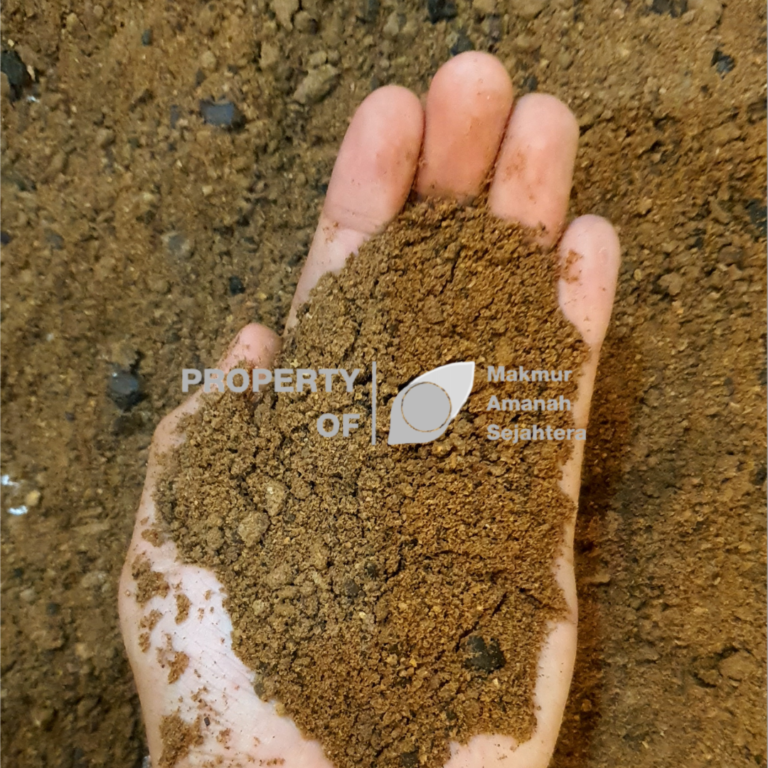
One of the most well-established uses for EFPB is as a potent organic fertilizer. When composted, the EFPB breaks down into a nutrient-rich material that significantly improves soil health. It is particularly high in potassium, a vital nutrient for crop growth, making it an excellent and sustainable alternative to chemical fertilizers.
This compost not only supplies nutrients but also enhances soil structure, increases water retention capacity, and promotes beneficial microbial activity. As documented in a study by the Journal of Bioresource Technology, using EFPB compost can lead to higher crop yields and more resilient agricultural systems. This makes it a cornerstone of sustainable farming.
2. Biofuel from Empty Palm Fruit Bunch: A Sustainable Energy Source
The energy sector is increasingly turning to the Empty Palm Fruit Bunch as a source of renewable energy. It can be converted into various forms of biofuel, including bio-pellets, bio-briquettes, and even bio-oil through processes like pyrolysis. These biofuels serve as a direct substitute for coal and other fossil fuels in industrial boilers and power plants.
Furthermore, EFPB can be used in biomass power plants to generate electricity directly. This process is carbon-neutral, as the carbon dioxide released during combustion is equivalent to what the palm trees absorbed during their growth. The International Renewable Energy Agency (IRENA) highlights such biomass as crucial for diversifying the global energy mix and reducing greenhouse gas emissions.

3. Empty Palm Fruit Bunch in Eco-Friendly Pulp and Paper
Deforestation for paper production is a major environmental concern. The Empty Palm Fruit Bunch offers a viable, tree-free alternative for the pulp and paper industry. Its high cellulose content makes it suitable for producing various paper products, from writing paper to cardboard and packaging materials.
Using a non-wood source like EFPB helps preserve natural forests, protect biodiversity, and reduce the paper industry’s carbon footprint. This aligns with a growing consumer demand for sustainable and eco-friendly products. Our World in Data provides extensive information on the global impact of deforestation, underscoring the need for such innovative alternatives.
4. A Key Ingredient in Composite Materials
The strong natural fibers within the Empty Palm Fruit Bunch are being used to create medium-density fiberboard (MDF), particleboard, and other composite materials. These EFPB-based boards are excellent for furniture, construction, and even automotive interiors, offering a lightweight and sustainable substitute for wood or plastic-based composites.
This application not only finds a high-value use for the biomass but also contributes to the development of green building materials. Research into reinforcing polymers with EFPB fibers is ongoing, promising even more advanced applications in the future.
5. Effective Erosion Control and Soil Conservation
In its raw or shredded form, the Empty Palm Fruit Bunch serves as an excellent mulching material. When spread over exposed soil, especially on slopes or in newly planted areas, it helps prevent soil erosion caused by wind and rain. The bunch matting protects the soil surface, slows down water runoff, and allows more water to penetrate the ground.
This practice is vital for maintaining land integrity in large-scale plantations and for land rehabilitation projects. As it slowly decomposes, the mulch also adds valuable organic matter back into the soil, further enhancing its fertility and structure.
6. A Medium for Mushroom Cultivation
The nutrient-rich, fibrous nature of the Empty Palm Fruit Bunch makes it an ideal substrate for cultivating edible mushrooms, such as oyster mushrooms. The EFPB is first composted or sterilized and then inoculated with mushroom spawn. The mushrooms thrive on the lignocellulosic material, breaking it down as they grow.
This application provides an additional revenue stream for farmers and contributes to local food security. It’s a perfect example of a biological circular economy, where a waste stream from one process becomes a valuable input for another.
7. Potential in Wastewater Treatment
Emerging research shows that activated carbon derived from an Empty Palm Fruit Bunch can be a highly effective adsorbent for treating industrial wastewater. The porous structure of this bio-char allows it to capture heavy metals, dyes, and other pollutants from water.
This presents a low-cost, environmentally friendly solution for pollution control. According to a report by the United Nations on wastewater management, innovative and affordable treatment methods are urgently needed globally, and EFPB-based solutions could play a significant role.
How Is Empty Palm Fruit Bunch Processed for Use?
Before an Empty Palm Fruit Bunch can be used, it typically undergoes several processing steps to prepare it for its final application:
- Shredding: The large, bulky bunches are first shredded into a smaller, more manageable fiber size. This increases the surface area and makes subsequent processing easier.
Pressing/Dewatering: Raw EFPB has a high moisture content (around 60-70%). It is often pressed to remove excess water, which is crucial for applications like biofuel where a low moisture content is required for efficient combustion.
Drying and Pelletizing: For biofuel production, the dewatered fibers are further dried and then compressed into dense pellets or briquettes. This standardized form is easier to transport, store, and use in automated boiler systems.
Composting: For agricultural use, the shredded EFPB is piled into long rows and left to decompose over several weeks. The process is managed by turning the piles regularly to ensure proper aeration.
The Positive Environmental Impact of Using Empty Palm Fruit Bunch
Utilizing the Empty Palm Fruit Bunch is a significant win for the environment. By turning a waste product into a resource, we can reduce landfill use, decrease the open burning that causes air pollution, and create a more circular economy within the palm oil industry.
Every application, from replacing chemical fertilizers to substituting fossil fuels, contributes to a lower carbon footprint and promotes more sustainable systems. The widespread adoption of EFPB technologies is a key step in making industries greener and more resource-efficient.
Frequently Asked Questions (FAQs)
Is Empty Palm Fruit Bunch sustainable?
Yes, it is a highly sustainable resource. As a byproduct of the palm oil industry, it does not require additional land or resources for its production. Utilizing it reduces waste and provides eco-friendly alternatives to materials like wood, coal, and chemical fertilizers.
What is the difference between EFB and palm kernel shells?
Both are valuable biomass residues from palm oil processing. The Empty Palm Fruit Bunch is the fibrous stalk left after the fruit is removed. In contrast, the Palm Kernel Shell is the hard casing of the fruit’s seed. This seed, the Palm Kernel, is crushed to produce Palm Kernel Oil, and the remaining residue is sold as Palm Kernel Expeller for animal feed. While EFPB is fibrous and versatile, PKS is denser and primarily used as a high-calorific biofuel.
Can EFPB be used in animal feed?
While the raw Empty Palm Fruit Bunch has low digestibility, it can be processed through methods like fermentation to improve its nutritional value, making it a potential component in feed for ruminant animals like cattle.
Conclusion: The Future is Green with EFPB
The Empty Palm Fruit Bunch is a testament to the power of innovation in sustainability. What was once a disposal problem has become a cornerstone of the green economy, offering incredible solutions in agriculture, energy, manufacturing, and environmental protection. Its journey from waste to wealth showcases how industries can adapt to create value while caring for the planet.
As we move forward, the role of this incredible byproduct is set to expand even further. Continued research and investment will unlock new applications, solidifying its place as one of the most important biomass resources in the world.
Contact Us for Premier Palm Products
Looking for High-Quality Palm Products?
Makmur Amanah Sejahtera provides high-quality palm products such as Palm Kernel Expeller, Palm Kernel Shell, Crude Palm Oil, Palm Kernel Oil, etc. Kindly contact us at WhatsApp +6282140002198 or email us at admin@makmuramanah.co.id.


 English
  Indonesian
  Chinese
  Arabic