
Table of Contents
- What is Palm Kernel Expeller (PKE)?
The Primary Uses of Palm Kernel Expeller (PKE)
Palm Kernel Expeller (PKE) Specifications: A Quality Guide
Understanding the Palm Kernel Expeller (PKE) Price in 2025
How to Find Reliable Palm Kernel Expeller (PKE) Suppliers
Weighing the Benefits and Limitations of PKE
Frequently Asked Questions
Welcome to your complete 2025 guide on Palm Kernel Expeller (PKE), a vital ingredient in the global feed industry. Whether you’re a livestock farmer, a feed formulator, or an agricultural trader, understanding PKE is crucial for optimizing costs and performance. This article provides a deep dive into its uses, specifications, pricing factors, and how to source it reliably.
What is Palm Kernel Expeller (PKE)?
Palm Kernel Expeller (PKE), also known as Palm Kernel Cake, is a by-product from the mechanical extraction of oil from the kernel of palm fruits. The process begins once the Oil Palm Fruit Bunch is harvested. After the oil is extracted from the fruit’s flesh, the remaining nut is cracked to reveal the Palm Kernel. This kernel is then crushed in an expeller press to extract Palm Kernel Oil.
The solid residue left behind is the Palm Kernel Expeller (PKE). It is valued for its balanced energy and protein content, making it a popular and cost-effective component in compound animal feed. It is distinct from Palm Kernel Meal, which may undergo a secondary solvent extraction process to remove more oil.

The Primary Uses of Palm Kernel Expeller (PKE)
The versatility of PKE makes it a valuable commodity. While its primary application is in animal nutrition, it has other important uses across different sectors.
1. Animal Feed Ingredient
This is the most common use for Palm Kernel Expeller (PKE). Its unique nutritional profile makes it suitable for various types of livestock:
- Ruminants (Cattle, Sheep, Goats): PKE is an excellent feed for dairy and beef cattle due to its high fiber content, which aids in healthy rumen function. Its moderate protein and high energy levels support milk production and weight gain.
Poultry & Swine: While its high fiber can be a limitation for monogastric animals, PKE can be included at lower levels in poultry and pig diets as a cost-effective source of protein and energy.
Aquaculture: PKE is sometimes incorporated into feed formulations for certain fish species, providing an affordable alternative to more expensive ingredients. For more on this, research in aquaculture nutrition highlights its potential.
2. Biofuel and Biomass
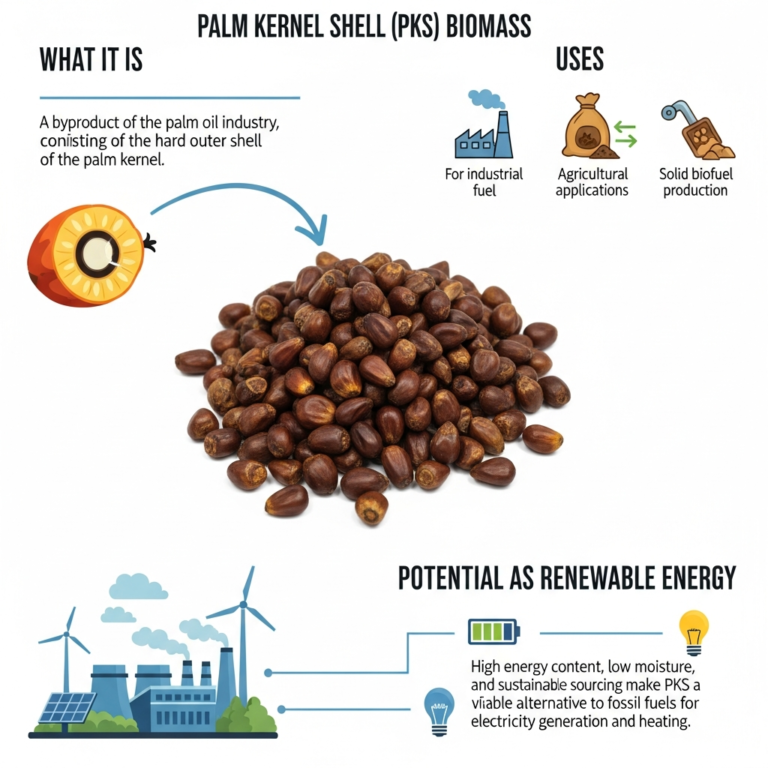
Beyond feed, PKE serves as a sustainable energy source. It can be burned directly as a solid fuel (biomass) in industrial boilers, similar to other palm-based biofuels like Palm Kernel Shell, to generate electricity and heat, reducing reliance on fossil fuels. Its energy value and composition make it an eco-friendly option.
Palm Kernel Expeller (PKE) Specifications: A Quality Guide
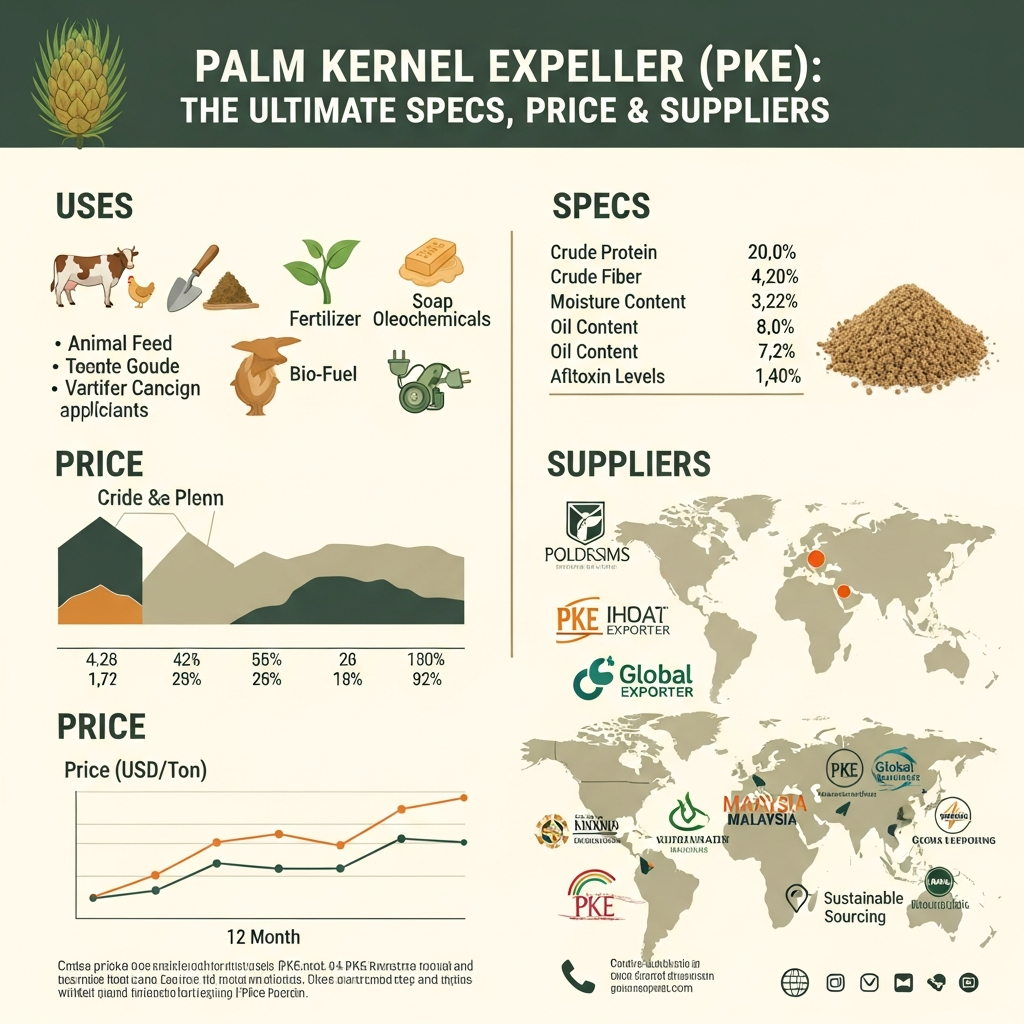
When purchasing Palm Kernel Expeller (PKE), understanding its key specifications is essential to ensure you receive a high-quality product that meets your needs. Quality can vary between suppliers and regions, so always request a Certificate of Analysis (COA).
| Parameter | Typical Range | Importance |
|---|---|---|
| Crude Protein (CP) | 14-18% | Essential for animal growth and muscle development. |
| Crude Fiber (CF) | 15-22% | Beneficial for ruminants but must be limited for poultry/swine. |
| Crude Fat (Oil) | 5-10% | A concentrated source of energy. |
| Moisture | < 12% | Crucial for preventing mold growth and ensuring stability. |
| Ash | 3-6% | Represents the mineral content of the feed. |
Beyond these specs, check for potential contaminants like aflatoxins, a type of mycotoxin harmful to animals. Reputable suppliers adhere to strict quality control measures, as recommended by bodies like the Codex Alimentarius Commission, to ensure feed safety.
Understanding the Palm Kernel Expeller (PKE) Price in 2025
The price of Palm Kernel Expeller (PKE) is dynamic and influenced by several global factors. Staying informed about these trends helps in making timely purchasing decisions.
- Crude Palm Oil (CPO) Market: The supply and demand for palm oil directly impact the production volume of PKE, its by-product.
Competing Feed Ingredients: Prices of alternatives like soybean meal, corn, and wheat heavily influence demand for PKE. When soy is expensive, demand for PKE often rises.
Logistics and Freight Costs: As PKE is primarily produced in Southeast Asia (Indonesia and Malaysia), shipping costs to major importers like New Zealand, Europe, and China are a significant part of the final price. You can track general commodity trends on platforms like IndexMundi.
Seasonal & Weather Patterns: Weather events in producing countries can affect palm fruit harvests, leading to price volatility.

How to Find Reliable Palm Kernel Expeller (PKE) Suppliers
Sourcing high-quality Palm Kernel Expeller (PKE) starts with finding a trustworthy supplier. Here’s what to look for:
- Certifications: Check for quality assurance certifications like GMP+ (Good Manufacturing Practice) or ISO standards.
Sustainability Commitment: The palm oil industry faces scrutiny over its environmental impact. Prioritize suppliers who are members of the Roundtable on Sustainable Palm Oil (RSPO) to ensure responsible sourcing.
Product Consistency: A reliable supplier provides consistent PKE that meets the agreed-upon specifications with every shipment. Ask for past performance data and lab test results.
Transparent Communication: They should be clear about pricing, shipping schedules, and provide all necessary documentation promptly.
Weighing the Benefits and Limitations of PKE
Making an informed decision about using Palm Kernel Expeller (PKE) requires balancing its pros and cons.
Key Benefits
- Cost-Effective: It is often more affordable than other protein sources like soybean meal.
Good Energy Source: The residual oil content provides valuable energy for livestock.
High in Fiber: It’s particularly beneficial for promoting digestive health in ruminant animals.
Potential Limitations
- Lower Protein Quality: The amino acid profile is less balanced than soybean meal, particularly in lysine and methionine.
Palatability: Some animals may find PKE less palatable, requiring a gradual introduction into the diet.
Grit/Shell Content: Poor quality PKE can have a high shell content, which reduces its nutritional value.
Frequently Asked Questions
Q1: What is the main difference between Palm Kernel Expeller (PKE) and Copra Expeller?
Both are by-products of oil extraction, but PKE comes from the kernel of the oil palm fruit, while Copra Expeller comes from dried coconut flesh. They have different nutritional profiles, with copra typically having higher oil content.
Q2: Is Palm Kernel Expeller (PKE) sustainable?
The sustainability of PKE is directly linked to the cultivation practices of the palm oil it comes from. By choosing suppliers certified by the RSPO, you can source PKE that is produced with minimal environmental and social impact.
Q3: How should I store PKE?
PKE should be stored in a cool, dry, and well-ventilated area away from direct sunlight. Proper storage with moisture levels below 12% is critical to prevent the growth of mold and the development of harmful aflatoxins.
In conclusion, Palm Kernel Expeller (PKE) remains a cornerstone of the animal feed industry due to its economic and nutritional benefits. By understanding its key characteristics, market drivers, and quality indicators, you can effectively incorporate it into your operations for a competitive advantage.
Contact Us for Your Palm Product Needs
Looking for High-Quality Palm Products?
Makmur Amanah Sejahtera provides high-quality palm products such as Palm Kernel Expeller, Palm Kernel Shell, Crude Palm Oil, Palm Kernel Oil, etc. Kindly contact us at WhatsApp +6282140002198 or email us at admin@makmuramanah.co.id.
 English
  Indonesian
  Chinese
  Arabic