
Table of Contents
- What Exactly Is Coconut Shell Charcoal?
- The Ultimate 5 Benefits of Coconut Shell Charcoal
- The Diverse Uses of Coconut Shell Charcoal
- Coconut Shell Charcoal vs. Traditional Charcoal: Why It’s Superior
- How to Choose High-Quality Coconut Shell Charcoal
- Final Thoughts: Make the Sustainable Switch
Have you ever considered the environmental impact of your weekend barbecue? Traditional charcoal often comes from unsustainable sources, but there’s a powerful, eco-friendly alternative gaining massive popularity. This guide explores the world of coconut shell charcoal, a remarkable product that is not only better for the planet but also enhances your grilling experience. It’s time to discover why this sustainable powerhouse is the superior choice for everything from cooking to filtration.
What Exactly Is Coconut Shell Charcoal?
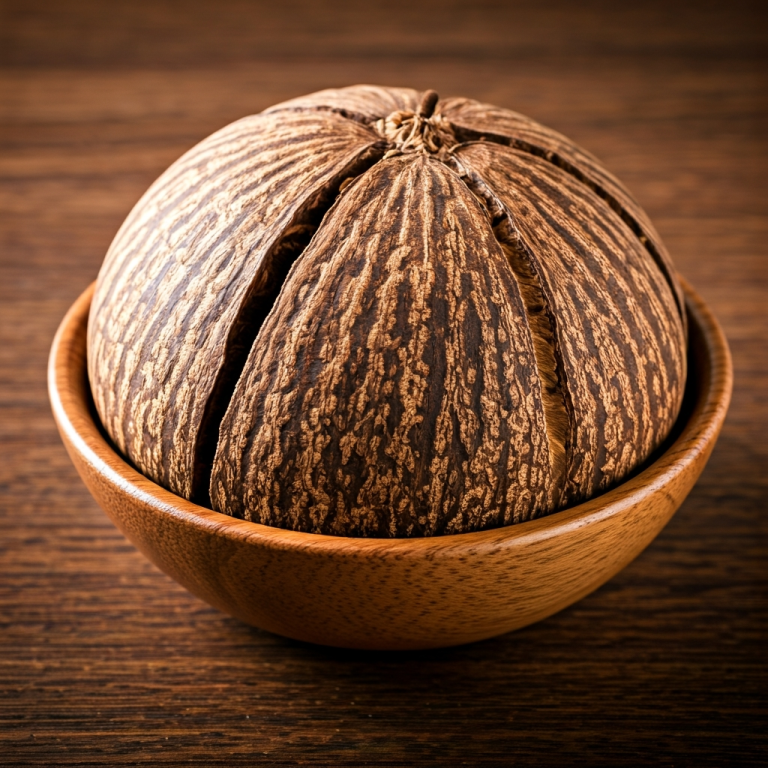
Coconut shell charcoal is a type of charcoal produced by burning the hard, outer shells of coconuts in a controlled environment with limited oxygen. This process, known as carbonization, removes moisture and volatile compounds, leaving behind a pure, high-carbon product. Essentially, it transforms agricultural waste from the massive coconut industry into a valuable resource, much like how the palm industry processes the Oil Palm Fruit Bunch to extract the Palm Kernel for valuable oils.
Unlike traditional wood charcoal, which can contribute to deforestation, this method utilizes a byproduct that would otherwise be discarded. The resulting charcoal is incredibly dense and has a unique porous structure, which is key to its many benefits and applications. This principle of using waste is common in sustainable agriculture, where other materials like the Palm Kernel Shell are also used as biomass fuel.
The Ultimate 5 Benefits of Coconut Shell Charcoal
From its green credentials to its high-performance burn, the advantages are clear. Here’s why so many are making the switch.
1. Eco-Friendly and 100% Sustainable
This is arguably its most significant benefit. Coconut shell charcoal is made from a renewable resource—coconut shells—that are available year-round. Its production helps reduce waste and prevents the felling of trees, directly combating deforestation. By choosing it, you support a more sustainable and circular economy, a fact highlighted by organizations like the Rainforest Alliance that advocate for responsible land use.
2. Burns Hotter and Lasts Longer
Thanks to its high carbon content and density, coconut shell charcoal provides a significantly higher calorific value than most wood charcoals. It burns hotter and more evenly for an extended period—often up to two or three times longer. This means you use less fuel for your cooking sessions, saving you money in the long run.
3. Produces Minimal Smoke, Odor, and Ash
Nobody likes thick, acrid smoke ruining their barbecue. Charcoal from coconut shells is celebrated for its clean burn, producing very little smoke and no unpleasant odors. Furthermore, it leaves behind minimal ash (typically less than 5% of its original weight), which makes cleanup incredibly simple and fast.

4. Natural and Chemical-Free
High-quality coconut shell charcoal briquettes are typically made with natural, food-grade binders, like tapioca starch. They are free from the chemical additives, fillers, and petroleum-based accelerants found in many conventional charcoal briquettes. This ensures that your food’s flavor remains pure and untainted, unlike lesser products that can impart a chemical taste. This commitment to purity is also seen in other agricultural products like Crude Palm Oil and Palm Kernel Oil.
5. Incredibly Versatile
While it’s a star performer in grilling, its uses extend far beyond the barbecue. The unique properties of coconut shell charcoal make it a prized ingredient in a wide range of industries, from water filtration to beauty products, as we’ll explore next.
The Diverse Uses of Coconut Shell Charcoal
For Grilling and Barbecuing
This is its most popular application. Chefs and home grillers prefer it for the consistent, high heat and long burn time, which provides excellent temperature control. It’s perfect for everything from searing steaks to slow-cooking ribs without the need to constantly add more fuel.
As Activated Carbon for Purification
When “activated” with steam, coconut shell charcoal develops a vast network of microscopic pores. This gives it an enormous surface area, making it an exceptional filtration medium. According to the U.S. Environmental Protection Agency (EPA), activated carbon is highly effective at adsorbing impurities and contaminants from water and air.
In Health and Beauty Products
The detoxifying properties of activated charcoal have made it a trendy ingredient in the wellness world. It’s found in everything from facial masks and soaps that draw out skin impurities to whitening toothpastes. As publications like Healthline note, its porous nature helps bind to and remove toxins.
For Horticulture as Biochar
When added to soil, coconut shell charcoal acts as biochar, a potent soil amendment. It improves soil structure, increases water retention, and provides a stable habitat for beneficial microbes, leading to healthier plants. This is a stark contrast to other agricultural byproducts like Palm Kernel Expeller, which is primarily used as nutrient-rich animal feed.
Coconut Shell Charcoal vs. Traditional Charcoal: Why It’s Superior
Let’s break down the key differences in a simple table to see why coconut shell charcoal is the clear winner.
| Feature | Coconut Shell Charcoal | Traditional Wood Charcoal |
|---|---|---|
| Source | Renewable (waste coconut shells) | Often from felled hardwood trees |
| Environmental Impact | Low, reduces waste | High, can cause deforestation |
| Burn Time | Very long (2-3 hours) | Shorter (approx. 1 hour) |
| Heat Output | High and consistent | Variable, can have hot spots |
| Ash Content | Very low (<5%) | High (10-20%+) |
| Smoke & Odor | Minimal to none | Moderate to heavy |
As the comparison shows, coconut shell charcoal outperforms its traditional counterpart in nearly every aspect, offering a cleaner, more efficient, and environmentally responsible choice.

How to Choose High-Quality Coconut Shell Charcoal
Not all products are created equal. To ensure you get the best performance, look for charcoal that is labeled as 100% natural and made from pure coconut shells. Avoid brands that use chemical binders or fillers. Briquette form is often preferred for its uniform shape and consistent burn, making it ideal for most grilling applications.
Final Thoughts: Make the Sustainable Switch
Coconut shell charcoal is more than just a trend; it’s a superior fuel source that delivers on all fronts. It provides an exceptional, clean, and powerful burn while championing environmental sustainability. By converting waste into a high-performance product, it sets a new standard for eco-conscious consumption.
Looking for High-Quality Palm Products?
Makmur Amanah Sejahtera provides high-quality palm products such as Palm Kernel Expeller, Palm Kernel Shell, Crude Palm Oil, Palm Kernel Oil, etc. Kindly contact us at WhatsApp +6282140002198 or email us at admin@makmuramanah.co.id.
The next time you prepare for a barbecue or look for a natural purification solution, make the switch to coconut shell charcoal. It’s a small change that offers a big reward for both you and the planet. For more insights into sustainable materials, refer to studies on biomass energy, such as those found on platforms like ScienceDirect.

 English
  Indonesian
  Chinese
  Arabic