
Table of Contents
- What Exactly is RBD Palm Olein CP8?
Key Specifications of RBD Palm Olein CP8
Top 4 Common Uses of RBD Palm Olein CP8
RBD Palm Olein CP8 vs. CP10: The Critical Difference
Navigating Sustainability in Palm Oil
Conclusion: Why Choose RBD Palm Olein CP8?
Welcome to your complete 2025 guide on RBD Palm Olein CP8, one of the world’s most versatile and widely used cooking oils. Whether you’re in the food manufacturing industry or simply curious about the oils you consume, understanding the properties of this specific palm oil fraction is crucial. This article breaks down its specifications, primary uses, and how it stacks up against its close relative, CP10.

What Exactly is RBD Palm Olein CP8?
The name “RBD Palm Olein CP8” might seem technical, but it’s quite descriptive. “RBD” stands for Refined, Bleached, and Deodorized, which is the standard process for purifying Crude Palm Oil. This entire process begins with the versatile Oil Palm Fruit Bunch, from which the oil is extracted. The refining process removes impurities, color pigments, and odors, resulting in a bland, stable, and light-colored oil.
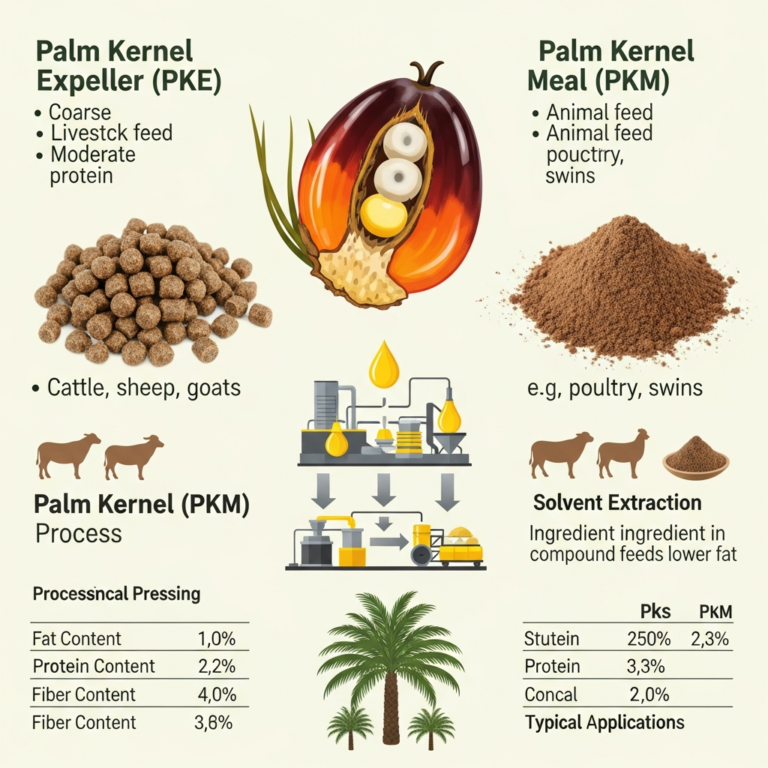
“Olein” refers to the liquid fraction obtained from palm oil through a process called fractionation. During this process, the oil is cooled to crystallize the solid fat (stearin), which is then separated from the liquid portion (olein). The seed, or Palm Kernel, is processed separately to create other valuable products like Palm Kernel Oil and animal feed like Palm Kernel Expeller. The “CP” stands for Cloud Point, and “8” indicates the temperature in Celsius (Max 8°C) at which the oil starts to become cloudy. This low cloud point makes RBD Palm Olein CP8 highly desirable in cooler climates.
Key Specifications of RBD Palm Olein CP8
Understanding the technical specs of RBD Palm Olein CP8 helps explain its popularity in various applications. Here are the most important parameters:
- Cloud Point (CP): Maximum 8°C. This is the defining feature, ensuring the oil remains liquid and clear at lower ambient temperatures.
Free Fatty Acids (FFA): Typically below 0.1%. Low FFA indicates high quality and good refining, leading to a longer shelf life and higher smoke point.
Iodine Value (IV): Usually 56-59. The iodine value measures the degree of unsaturation, impacting the oil’s stability. The value for RBD Palm Olein CP8 gives it excellent resistance to oxidation. Learn more about Iodine Value from ScienceDirect.
Moisture & Impurities (M&I): Generally below 0.1%. This ensures purity and prevents the oil from degrading quickly during frying.
Top 4 Common Uses of RBD Palm Olein CP8
Thanks to its excellent stability and neutral taste, RBD Palm Olein CP8 is a preferred choice in kitchens and factories worldwide. Here are its primary applications.
1. Deep-Frying and Cooking
Its high smoke point (around 235°C or 455°F) makes it perfect for deep-frying everything from french fries to donuts. The oil remains stable under high heat, doesn’t break down easily, and imparts a crispy texture without an overpowering flavor.
2. Food Manufacturing
RBD Palm Olein CP8 is a workhorse in the food industry. It’s used in the production of instant noodles, potato chips, snack foods, and confectionery. Its resistance to oxidation extends the shelf life of these products.
3. Salad Dressings and Mayonnaise
Because it stays liquid at cooler temperatures, it’s a suitable base for salad dressings, mayonnaise, and other emulsions, providing a smooth and consistent texture.
4. Margarine and Shortening Production
While olein is the liquid fraction, it can be blended with other fats and oils to produce margarines, shortenings, and other spreads with specific melting profiles.

RBD Palm Olein CP8 vs. CP10: The Critical Difference
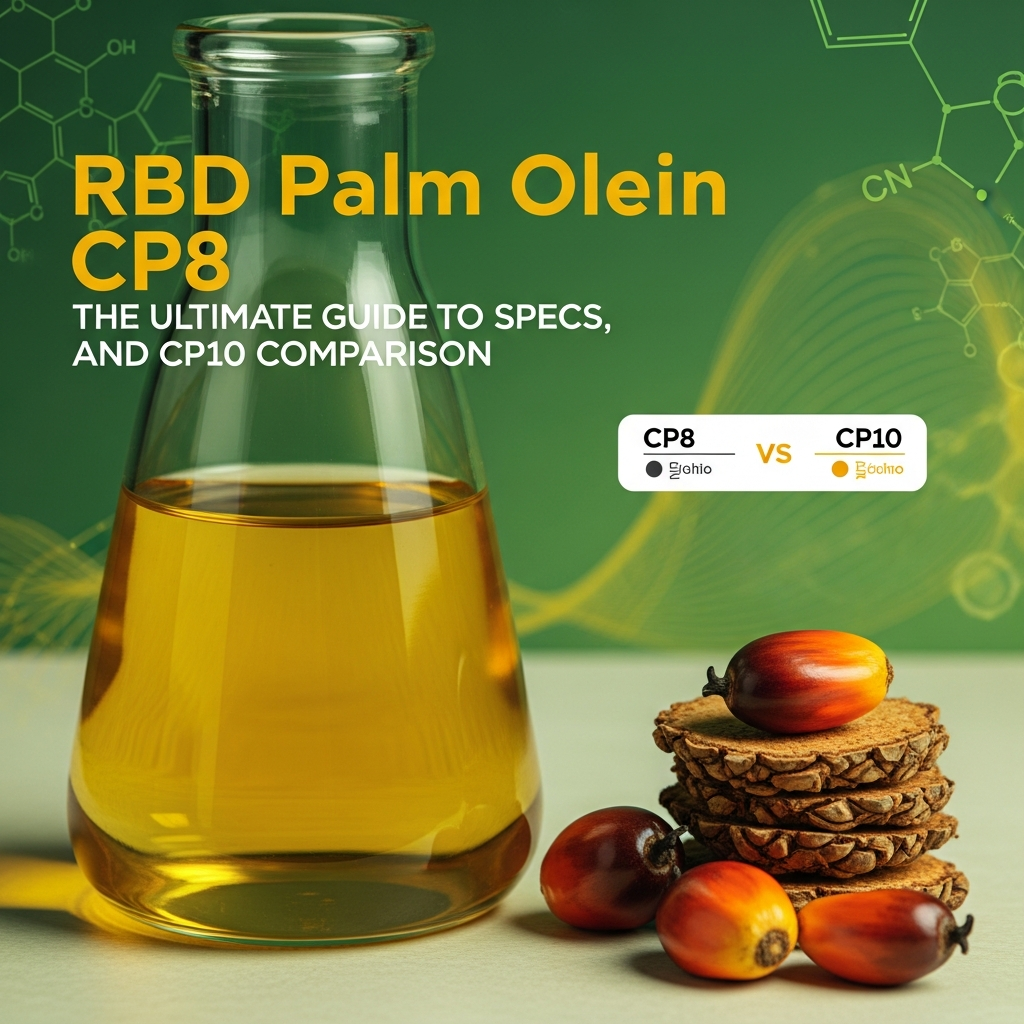
The main—and most critical—difference between RBD Palm Olein CP8 and CP10 is the Cloud Point. CP10 has a maximum cloud point of 10°C, while CP8 is lower at 8°C. This two-degree difference is significant.
RBD Palm Olein CP8 is considered a “super olein” because it undergoes a more rigorous fractionation process to achieve the lower cloud point. This makes it more suitable for temperate or cooler climates, as it is less likely to solidify or become cloudy on the shelf or during transport. CP10 is more common in tropical or warmer regions where the ambient temperature is consistently high.
Navigating Sustainability in Palm Oil
The palm oil industry has faced scrutiny over environmental concerns like deforestation. However, significant strides have been made toward sustainability. When sourcing RBD Palm Olein CP8, it’s vital to look for suppliers committed to responsible practices.
Organizations like the Roundtable on Sustainable Palm Oil (RSPO) provide certification for palm oil that has been produced without causing harm to forests or communities. Choosing RSPO-certified products supports a more sustainable global supply chain. This commitment extends to co-products, such as using Palm Kernel Shell for renewable energy. The Food and Agriculture Organization (FAO) also provides extensive data on global palm oil production.
Conclusion: Why Choose RBD Palm Olein CP8?
In summary, RBD Palm Olein CP8 is a premium, versatile cooking oil prized for its low cloud point, high stability, and neutral flavor. Its superior performance in both cold climates and high-heat applications makes it a globally trusted ingredient. From industrial frying to everyday cooking, its unique specifications offer unmatched quality and consistency.
When making your purchasing decision, consider the climate of your target market and always prioritize sustainably sourced options. For more information on food technologies, the Institute of Food Technologists (IFT) is an excellent resource. This ensures you benefit from the qualities of RBD Palm Olein CP8 while supporting a responsible industry.
Looking for High-Quality Palm Products?
Makmur Amanah Sejahtera provides high-quality palm products such as Palm Kernel Expeller, Palm Kernel Shell, Crude Palm Oil, Palm Kernel Oil, etc. Kindly contact us at WhatsApp +6282140002198 or email us at admin@makmuramanah.co.id.
 English
  Indonesian
  Chinese
  Arabic