
Table of Contents
- What is RBD Palm Olein? A Global Kitchen Staple
- Understanding the “RBD” Process: Refining, Bleaching & Deodorizing
- Decoding the Grades: What Does “CP6” in RBD Palm Olein CP6 Mean?
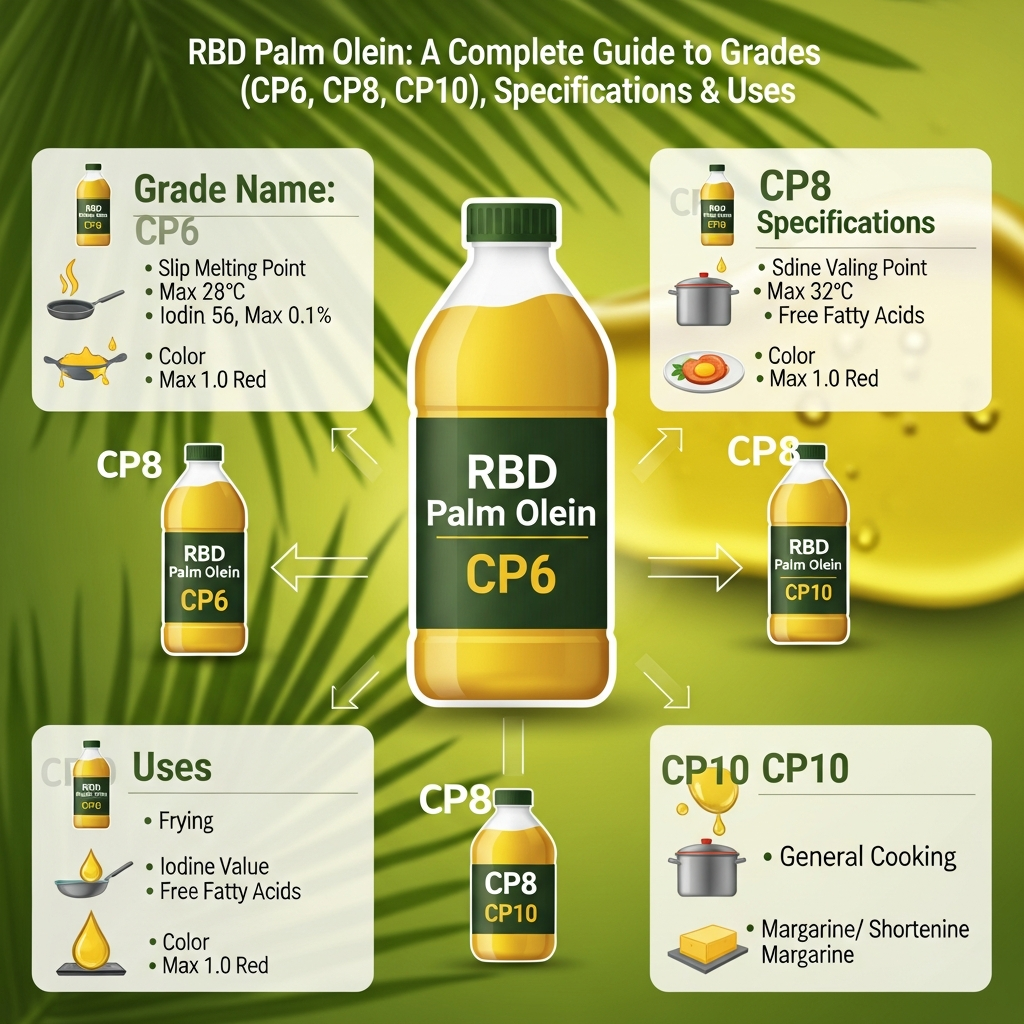
- RBD Palm Olein CP6 vs. CP8 vs. CP10: A Grade Comparison
- Key Specifications of Premium RBD Palm Olein CP6
- Top 5 Industrial and Culinary Uses of RBD Palm Olein CP6
- The Nutritional Profile: Health Aspects of Palm Olein
- Sustainability in Palm Oil: Why RSPO Certification Matters
- Frequently Asked Questions (FAQ)
- Conclusion: Why RBD Palm Olein CP6 Remains a Top Choice
What is RBD Palm Olein? A Global Kitchen Staple
RBD Palm Olein CP6 is one of the most widely used and versatile cooking oils in the world. Derived from the fruit of the oil palm tree, specifically the Oil Palm Fruit Bunch, it’s the liquid fraction obtained through the fractionation of palm oil after a meticulous refining process. Its immense popularity stems from a combination of affordability, high stability at cooking temperatures, and a neutral taste that doesn’t interfere with the flavor of food.
This comprehensive guide explores everything you need to know about this premium cooking oil, from its production process and technical specifications to its various grades and critical applications in the food industry. Whether you are a food manufacturer, an importer, or simply a curious consumer, understanding this edible oil is key to appreciating its role in our daily lives.
The “RBD” in its name stands for “Refined, Bleached, and Deodorized,” a process that ensures the oil is pure, stable, and ready for consumption. The “CP6” refers to its Cloud Point, a critical quality parameter we will explore in detail.
Understanding the “RBD” Process: Refining, Bleaching & Deodorizing
The journey from Crude Palm Oil to the refined final product involves three critical stages. This purification process removes impurities, enhances shelf life, and creates a finished product with desirable cooking properties.
1. Refining
The first step, refining, primarily targets the removal of Free Fatty Acids (FFAs). FFAs can cause the oil to smoke at lower temperatures and spoil faster. This stage neutralizes the oil, significantly improving its stability and quality.
2. Bleaching
Next, the oil undergoes bleaching. This step doesn’t involve harsh chemicals like household bleach. Instead, it uses natural clays and absorbents to remove color pigments like carotenoids. This results in the oil’s characteristic light yellow, golden color. For more information on oil purification, you can refer to scientific resources like the ScienceDirect journal on Oil Refining.
3. Deodorizing
The final stage is deodorization. The oil is heated under a vacuum, and steam is passed through it to strip away any residual odors and flavors. This ensures the resulting oil is completely neutral, making it a perfect medium for frying without altering the food’s taste.
Decoding the Grades: What Does “CP” in RBD Palm Olein CP6 Mean?
The “CP” in the product name is a crucial specification that stands for “Cloud Point.” The Cloud Point is the temperature at which the oil begins to look cloudy or hazy as certain components start to solidify. The number that follows indicates this temperature in Celsius.
Therefore, RBD Palm Olein CP6 has a Cloud Point of 6° Celsius. This means the oil will remain clear and liquid at temperatures above 6°C. A lower Cloud Point is often preferred, especially in temperate or cooler climates, as it prevents the oil from solidifying during storage or on store shelves, ensuring a better consumer experience.
This characteristic makes the CP6 grade a premium product compared to its higher cloud point counterparts like CP8 and CP10.
RBD Palm Olein CP6 vs. CP8 vs. CP10: A Grade Comparison
While CP6 is a popular grade, CP8 and CP10 are also widely available. The primary difference lies in their Cloud Point, which affects their performance in different climates and their cost.
| Attribute | RBD Palm Olein CP6 | RBD Palm Olein CP8 | RBD Palm Olein CP10 |
|---|---|---|---|
| Cloud Point | Max 6°C | Max 8°C | Max 10°C |
| Climate Suitability | Ideal for temperate and cooler climates | Suitable for temperate and subtropical climates | Best for tropical and hot climates |
| Market Position | Premium grade, higher cost | Standard grade, moderate cost | Most common, most cost-effective |
Choosing the right grade often depends on the destination market’s climate and the specific application’s requirements.
Key Specifications of Premium RBD Palm Olein CP6
For industrial buyers, the technical data sheet for RBD Palm Olein CP6 is critical. Here are the key specifications that define its quality, often governed by international standards like those from the Codex Alimentarius (FAO/WHO).
- Free Fatty Acids (FFA) (as % Palmitic): 0.1% Max
- Moisture & Impurities (M&I): 0.1% Max
- Iodine Value (Wijs): 56 Min
- Cloud Point: 6°C Max
- Color (5.25″ Lovibond Cell): 3 Red Max
These parameters guarantee that the oil is low in acidity, pure, and has the expected stability and clear appearance, making it a reliable ingredient for large-scale food production.
Top 5 Industrial and Culinary Uses of RBD Palm Olein CP6
The versatility of RBD Palm Olein CP6 makes it a preferred choice across numerous applications.
1. Industrial Frying
Its high smoke point (around 235°C or 455°F) makes it ideal for deep-frying snacks like potato chips, instant noodles, donuts, and chicken. The oil remains stable under high heat, leading to a longer fry life and crispy results.
2. General Cooking and Household Use
As a bottled cooking oil, it is sold globally for everyday cooking, sautéing, and frying in both households and restaurants due to its affordability and neutral flavor.
3. Manufacturing Margarine and Shortening
The semi-solid properties of palm oil fractions are essential for creating the desired texture and consistency in margarines, shortenings, and other spreads.
4. Confectionery and Bakery
It is used in various confectionery products, including chocolate fillings, coatings, and creams. In bakeries, it provides structure and tenderness to cakes, biscuits, and pastries. To learn more about selecting oils, read our guide on choosing the right cooking oil.
5. Non-Food Applications
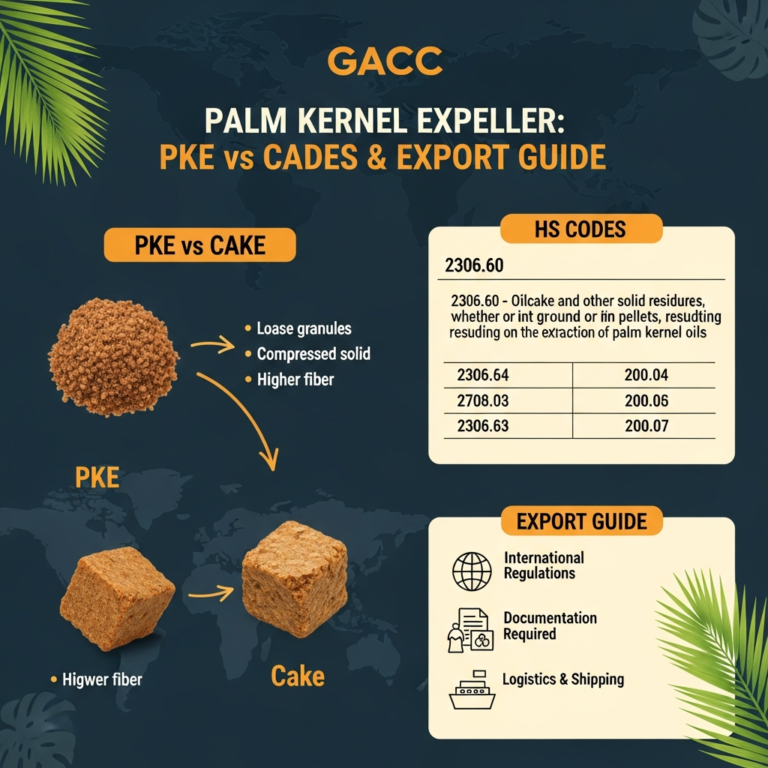
Beyond the kitchen, derivatives of palm oil and its by-products are used in various industries. For example, Palm Kernel Shell is a valuable biofuel, while Palm Kernel Expeller is used in animal feed. Other derivatives are used in soaps, detergents, and cosmetics.
The Nutritional Profile: Health Aspects of Palm Olein
The health profile of palm oil is often a topic of discussion. Palm olein has a balanced fatty acid composition, containing both saturated and unsaturated fats. Crucially, it is naturally free of trans fats, which are known to be harmful to cardiovascular health.
It is also a rich source of Vitamin E, particularly tocotrienols, which are potent antioxidants. While health organizations like the World Health Organization (WHO) recommend moderating saturated fat intake, palm olein can be part of a balanced diet when consumed in appropriate amounts.
Sustainability in Palm Oil: Why RSPO Certification Matters
The environmental impact of palm oil cultivation, particularly deforestation, is a significant global concern. In response, the industry has developed standards for sustainable production. The most recognized certification is from the Roundtable on Sustainable Palm Oil (RSPO).
Choosing palm olein from an RSPO-certified supplier ensures that the oil was produced in an environmentally and socially responsible manner. This includes protecting wildlife habitats, conserving natural resources, and respecting the rights of workers and local communities. As a buyer or consumer, demanding certified sustainable palm oil drives the industry toward a better future.
Frequently Asked Questions (FAQ)
What is the main difference between palm oil and palm olein?
Palm oil is the oil extracted from the palm fruit’s flesh. By contrast, Palm Kernel Oil is extracted from the seed, or Palm Kernel. Palm olein is the liquid fraction obtained by fractionating palm oil. Palm stearin is the solid fraction. Palm olein, including RBD Palm Olein CP6, is the primary component used for liquid cooking oil.
Is RBD Palm Olein CP6 a healthy choice?
It is a trans-fat-free oil rich in Vitamin E. Like all fats and oils, it should be consumed in moderation as part of a balanced diet. Its high stability for frying makes it a better option than oils that break down easily at high temperatures.
Why is the Cloud Point of RBD Palm Olein CP6 important?
The Cloud Point determines the temperature at which the oil starts to solidify. A low Cloud Point like 6°C is important for ensuring the oil remains liquid and clear during transportation and storage in cooler climates, which is crucial for product appearance and usability.
Conclusion: Why RBD Palm Olein CP6 Remains a Top Choice
RBD Palm Olein CP6 is more than just a commodity; it’s a foundational ingredient in the global food supply chain. Its excellent heat stability, neutral taste, and cost-effectiveness make it an unbeatable choice for countless applications, from industrial frying to everyday cooking.
Understanding its grades (CP6, CP8, CP10) and key specifications allows buyers to make informed decisions tailored to their market needs. By prioritizing sustainably sourced and certified products, the industry can continue to benefit from this remarkable oil while protecting our planet for future generations.
Makmur Amanah Sejahtera provides high-quality palm products such as Palm Kernel Expeller, Palm Kernel Shell, Crude Palm Oil, Palm Kernel Oil, etc. Kindly contact us at WhatsApp +6282140002198 or email us at admin@makmuramanah.co.id.Looking for High-Quality Palm Products?
 English
  Indonesian
  Chinese
  Arabic