
Table of Contents
- 1. What is GACC Approved Palm Kernel Expeller (PKE)?
- 2. Why is GACC Approval Crucial for PKE Imports to China?
- 3. The Complete 2025 Guide to Importing GACC-Compliant PKE
- 4. Common Challenges When Importing PKE to China
- 5. Partner with a Trusted Supplier
- 6. Frequently Asked Questions (FAQ)
- 7. Conclusion: Your Key to Success
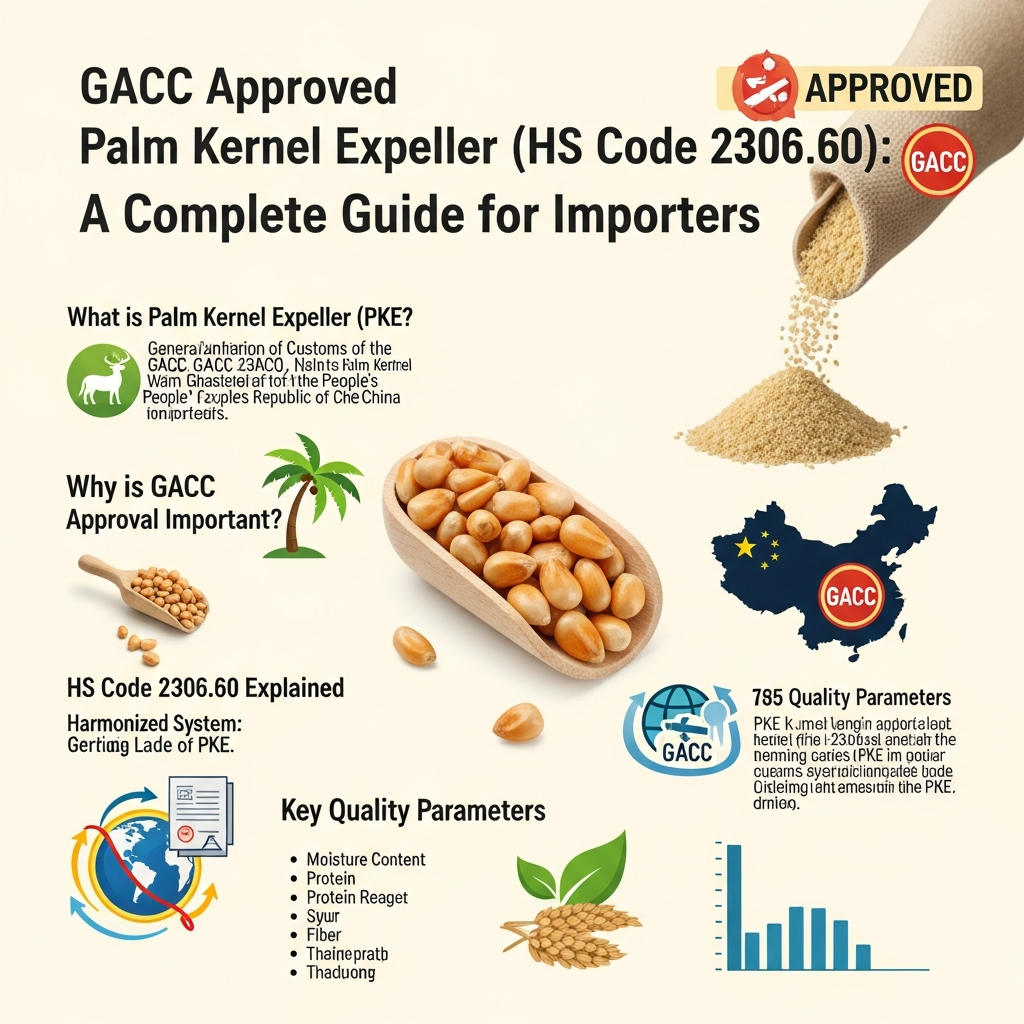
Navigating the complexities of international trade requires precision, especially when importing agricultural products into China. For importers dealing with animal feed ingredients, sourcing GACC Approved Palm Kernel Expeller is not just a best practice—it’s a mandatory requirement for market access. This comprehensive 2025 guide breaks down everything you need to know about HS Code 2306.60 and the GACC registration process.
What is GACC Approved Palm Kernel Expeller (PKE)?
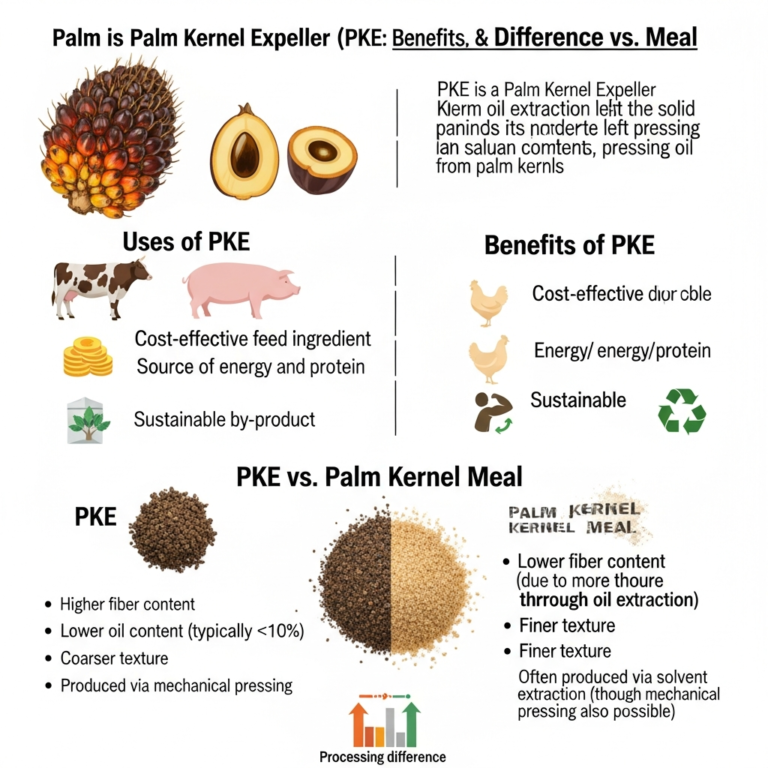
Palm Kernel Expeller (PKE), or Palm Kernel Cake, is a vital by-product. It’s created during the mechanical extraction of oil from the Palm Kernel, which itself originates from the Oil Palm Fruit Bunch. It is widely used in the animal feed industry as a source of protein and fiber for livestock, particularly ruminants like cattle.
The term “GACC Approved Palm Kernel Expeller” specifically refers to PKE that originates from an overseas production facility that has been inspected, audited, and officially registered by the General Administration of Customs of the People’s Republic of China (GACC). This approval certifies that the facility meets China’s stringent safety, quality, and traceability standards.

Why is GACC Approval Crucial for PKE Imports to China?
GACC is the gatekeeper for all goods entering China. Its primary mandate is to ensure the safety and quality of imported products, protecting domestic agriculture and consumers. For agricultural commodities like PKE, GACC enforces strict regulations to prevent the introduction of pests, diseases, and contaminants.
Importing PKE from a non-approved facility is prohibited. Any shipment of non-compliant PKE will be rejected at the port of entry, leading to significant financial losses, logistical nightmares, and potential blacklisting of the importer. Therefore, verifying your supplier’s GACC status is the most critical step in the import process. This is governed by regulations such as GACC’s Decree 248, which outlines the registration requirements for overseas food manufacturers.
The Complete 2025 Guide to Importing GACC-Compliant PKE
Follow these essential steps to ensure a smooth and compliant importation process for your PKE shipment.
Step 1: Verify the Overseas Manufacturer’s GACC Registration
Before committing to any purchase, you must confirm that your chosen supplier is on the official GACC registration list. GACC maintains a public database where you can search for registered facilities by country, product category, and registration number.
- Action: Use the GACC “CIFER” online query system to verify your supplier’s status. Do not rely solely on a certificate provided by the supplier, as it could be outdated or fraudulent.
Step 2: Understand HS Code 2306.60 for Palm Kernel Expeller
The Harmonized System (HS) code is a standardized numerical method of classifying traded products. The correct HS Code for Palm Kernel Expeller is 2306.60. This code specifically covers “Oil-cake and other solid residues…resulting from the extraction of palm nuts or kernels fats or oils.”
Using the correct HS code is vital for customs declaration, tariff calculation, and regulatory checks. Miscategorization can lead to delays, fines, and intense scrutiny from customs officials. For more information on HS codes, you can reference the World Customs Organization (WCO).
Step 3: Prepare Essential Documentation for Customs
A successful customs clearance depends on accurate and complete documentation. For a PKE shipment to be cleared, you will typically need:
- Commercial Invoice: Details the transaction between buyer and seller.
- Packing List: Specifies the contents, weight, and packaging of the shipment.
- Bill of Lading (B/L): The contract with the shipping carrier.
- Certificate of Origin: Certifies the country where the PKE was produced.
- Phytosanitary Certificate: Issued by the agricultural authority in the exporting country, confirming the PKE is free from pests and diseases.
- Proof of GACC Registration: The manufacturer’s GACC registration number must be clearly stated on the documents.
Step 4: Adhere to Labeling and Packaging Requirements
GACC has specific rules for how imported goods must be labeled. Each bag or container of PKE must display key information in Chinese (or bilingual Chinese/English), including the product name, HS code, net weight, manufacturer’s name, and the official GACC registration number.

Common Challenges When Importing PKE to China
Even with careful planning, importers can face hurdles. The most common issue is relying on a supplier whose GACC registration has expired or been suspended. Always perform due diligence before every shipment, not just the first one.
Another challenge is contamination. PKE is tested for contaminants like aflatoxins upon arrival in China. A failed test can result in the entire shipment being destroyed. Partnering with suppliers who have robust quality control is essential. You can learn more about international standards for contaminants from organizations like the Codex Alimentarius Commission (FAO/WHO).
Partner with a Trusted Supplier
Navigating GACC regulations is easier with an experienced and compliant supplier. A reliable partner ensures that all products, from the initial raw materials to the final expeller, meet the highest standards.
Makmur Amanah Sejahtera provides high-quality palm products such as Palm Kernel Expeller, Palm Kernel Shell, Crude Palm Oil, and Palm Kernel Oil. Kindly contact us at WhatsApp +6282140002198 or email us at admin@makmuramanah.co.id. GACC registration for overseas manufacturers of food and agricultural products is typically valid for five years. The manufacturer must apply for renewal well in advance of the expiration date to avoid any lapse in their approved status. Besides being free from pests, GACC will test samples for key quality and safety parameters. These often include moisture content, protein levels, fiber content, and maximum levels for contaminants such as heavy metals and mycotoxins (e.g., Aflatoxin B1). Yes, but the PKE must originate from a GACC-registered manufacturing facility. The documentation must clearly trace the product back to its approved source, and the manufacturer’s GACC number must be present. Successfully importing GACC Approved Palm Kernel Expeller into China is a meticulous process that hinges on compliance and due diligence. By verifying your supplier’s GACC registration, ensuring correct HS code usage, preparing flawless documentation, and meeting labeling standards, you can mitigate risks and build a sustainable import business. Always stay updated with the latest GACC regulations, as they can change. Working with an experienced customs broker or consultant can provide invaluable support in navigating this complex but rewarding market.Looking for High-Quality Palm Products?
Frequently Asked Questions (FAQ)
1. How long is a facility’s GACC registration for PKE valid?
2. What are the key quality indicators for GACC-compliant PKE?
3. Can I import PKE from a trading company instead of a manufacturer?
Conclusion: Your Key to Success
 English
  Indonesian
  Chinese
  Arabic