
Ever wondered what makes the perfect fuel for your barbecue or shisha session? While traditional lump charcoal and briquettes have long dominated the market, a superior, eco-friendly alternative is rapidly gaining popularity. We’re talking about coconut shell charcoal, a remarkable product made from agricultural waste that outperforms its counterparts in almost every way. This guide will walk you through its incredible benefits, diverse uses, and exactly why it’s the better choice for both you and the planet.
Table of Contents
What Exactly Is Coconut Shell Charcoal?
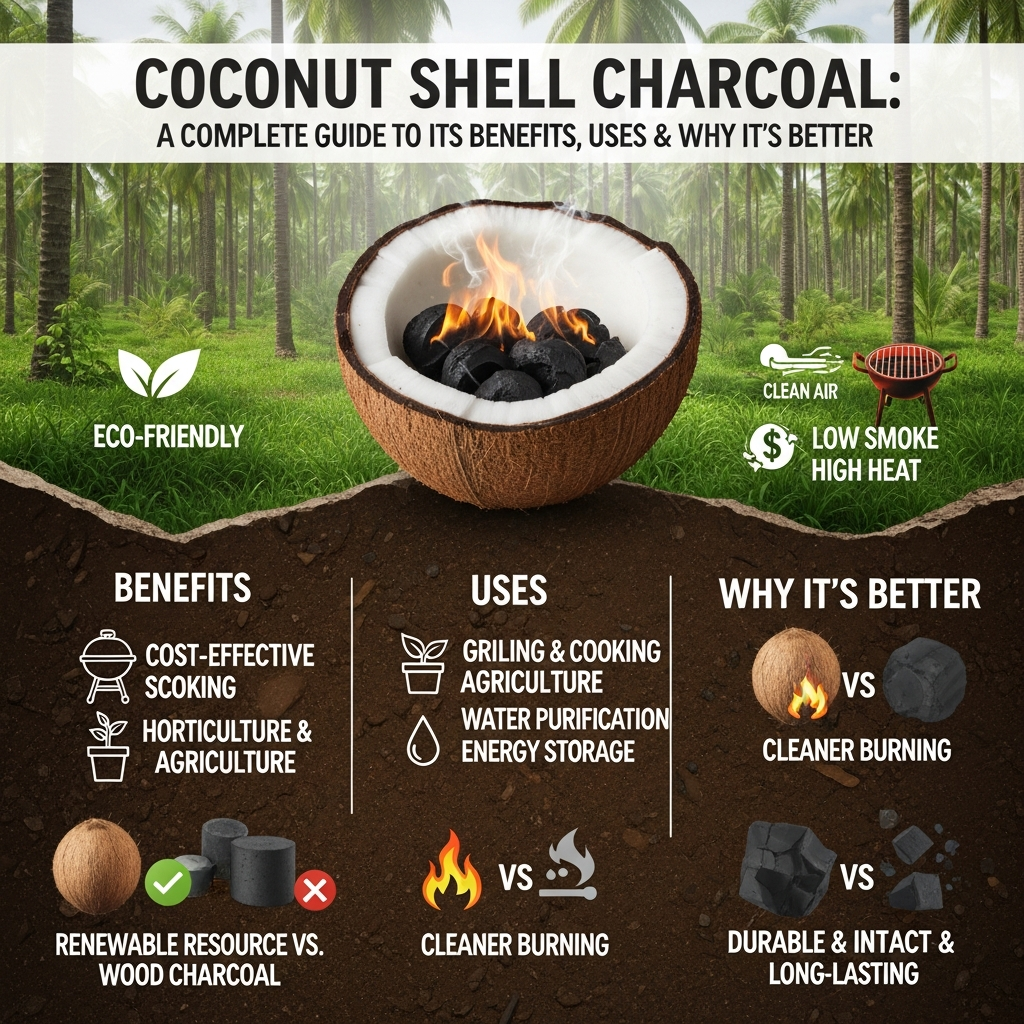
Coconut shell charcoal is a type of charcoal produced from the hard, woody shells of coconuts. Unlike traditional wood charcoal, which requires cutting down trees, this product utilizes a byproduct of the massive coconut industry. This makes it a highly sustainable and renewable resource, turning waste into a high-value energy source. This concept is similar to how other agricultural industries utilize byproducts, such as using the Palm Kernel Shell as a biofuel.
The process of creating it results in a dense, clean-burning fuel that has gained a loyal following among BBQ enthusiasts, hookah lounges, and industrial users alike. Its unique properties set it apart from anything else on the market.
How Is Coconut Shell Charcoal Made?
The production of coconut shell charcoal is a fascinating process that involves carbonizing the shells in a controlled environment. The shells are heated in a kiln with very little oxygen, a process known as pyrolysis. This burns off volatile compounds like water, methane, and hydrogen, leaving behind pure carbon, or “char.”
This char is then ground into a fine powder, mixed with a natural food-grade binder (like tapioca starch), and compressed into briquettes of various shapes and sizes. This method ensures a uniform and high-quality final product.

7 Amazing Benefits of Coconut Shell Charcoal
So, what makes this tropical charcoal so special? The advantages of coconut shell charcoal are numerous, impacting everything from cooking performance to environmental health.
1. It’s Eco-Friendly and Sustainable
The most significant benefit is its sustainability. Billions of coconuts are harvested annually for their oil, water, and meat, leaving the shells as waste. By converting these shells into charcoal, we reduce landfill waste and prevent the need for deforestation. This practice supports a circular economy, as highlighted by organizations like the Rainforest Alliance, which champion the use of sustainable resources.
2. It Burns Hotter and Longer
Thanks to its high carbon content and density, coconut shell charcoal burns significantly hotter and longer than most wood-based charcoals. A single batch can provide a steady heat source for up to 3-4 hours, whereas traditional briquettes often burn out in just over an hour. This means you use less fuel for each cooking session, saving you money in the long run.
3. Produces Less Smoke and Odor
Nobody likes getting a lungful of acrid smoke while grilling. Because it is free from the additives, fillers, and binders found in many cheap briquettes, premium coconut shell charcoal produces very little smoke and is virtually odorless. This creates a more pleasant cooking environment and ensures your food tastes like food, not fuel.
4. Leaves Behind Minimal Ash
Another major advantage is the low ash content. High-quality coconut briquettes can have an ash content as low as 4-6%, compared to 15-20% or more for conventional charcoal. Less ash means easier cleanup and better airflow in your grill, leading to more consistent cooking temperatures.

5. It’s 100% Natural and Chemical-Free
Authentic coconut shell charcoal contains no nitrates, borax, anthracite, or other harmful chemicals. It’s made simply from carbonized coconut shells and a natural starch binder. This purity is not only better for the environment but also for your health.
6. Incredibly Versatile Applications
While perfect for grilling, its uses don’t stop there. It’s the preferred choice for shisha/hookah due to its long burn time and neutral flavor. Furthermore, it’s the raw material for producing activated carbon, used in water and air filtration systems. The diversity of agricultural products is vast; for instance, the processing of the Oil Palm Fruit Bunch yields valuable resources like Crude Palm Oil and Palm Kernel Oil, each with its own set of applications.
7. A Healthier Grilling Experience
Grilling with coconut shell charcoal can be a healthier choice. The absence of chemical additives means you aren’t vaporizing potentially harmful substances into your food. Additionally, the reduced smoke minimizes the creation of polycyclic aromatic hydrocarbons (PAHs), compounds that can form when fat drips onto hot coals, as noted by health authorities like the National Cancer Institute.
Why It’s Better Than Traditional Charcoal
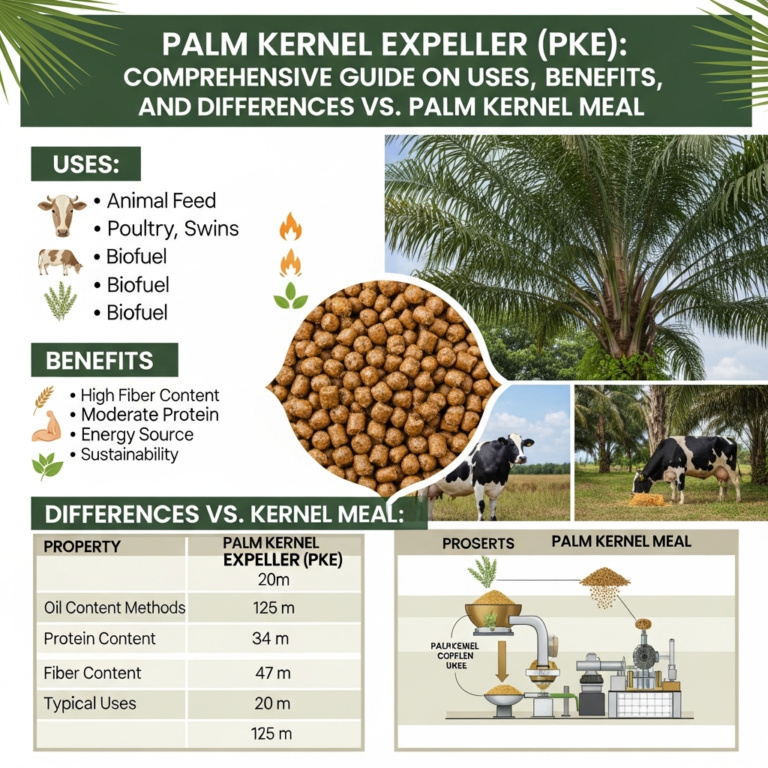
When you place coconut shell charcoal next to its traditional counterparts, the differences are stark. Lump wood charcoal is inconsistent in size and burns quickly, while cheap briquettes are often full of chemical binders that produce heavy smoke and affect food flavor. Coconut charcoal offers the best of both worlds: the clean burn of lump charcoal with the uniform, long-lasting performance of a briquette, all from a sustainable source. The principle of turning waste into value extends beyond coconuts. The palm oil industry, for example, produces several highly useful materials. The dense Palm Kernel is pressed to extract oil, and the remaining solid residue is processed into Palm Kernel Expeller, a protein-rich ingredient used in animal feed.
Where to Source High-Quality Palm Products
Looking for High-Quality Palm Products?
Makmur Amanah Sejahtera provides high-quality palm products such as Palm Kernel Expeller, Palm Kernel Shell, Crude Palm Oil, Palm Kernel Oil, etc. Kindly contact us at WhatsApp +6282140002198 or email us at admin@makmuramanah.co.id.
Frequently Asked Questions
Q: Does coconut shell charcoal make my food taste like coconut?
A: Absolutely not. The carbonization process removes all traces of coconut flavor and aroma, leaving a completely neutral fuel source that lets the true taste of your food shine.
Q: Is coconut shell charcoal harder to light than regular charcoal?
A: It can take a few minutes longer to light because it’s denser and contains no chemical accelerants. Using a charcoal chimney starter is the most effective method, and the extended burn time more than makes up for the initial lighting period.
Q: Where can I buy high-quality coconut shell charcoal?
A: It’s becoming more common in specialty grilling stores, international markets, and online. Look for brands that clearly state they are 100% natural and made from coconut shells.
Final Thoughts
From sustainability and performance to health benefits and versatility, coconut shell charcoal stands out as the superior choice. By opting for this innovative fuel, you are not only upgrading your grilling and shisha experiences but also making a positive impact on the environment. It’s a small change in your routine that contributes to a larger, greener movement—one delicious, perfectly cooked meal at a time.
 English
  Indonesian
  Chinese
  Arabic