
Table of Contents
- What Exactly Is Coconut Shell Charcoal?
- How Is Coconut Shell Charcoal Made?
- The Superior Benefits of Coconut Shell Charcoal
- Beyond the Grill: Common Uses for Coconut Shell Charcoal
- Coconut Shell Charcoal vs. Traditional Charcoal: A Clear Winner
- Environmental Impact: The Eco-Friendly Choice for 2025
- How to Choose the Best Coconut Shell Charcoal
- Final Thoughts: Why You Should Make the Switch
When you think of charcoal, the first image that comes to mind is likely a dusty bag of black briquettes. But what if there was a better, cleaner, and more sustainable option? Enter coconut shell charcoal, the game-changing fuel that’s revolutionizing everything from backyard barbecues to industrial filtration. This guide explores why it’s the superior choice for a conscious consumer.
Derived from a resource that would otherwise go to waste, this incredible product offers a powerful combination of high performance and environmental responsibility. It’s time to learn what makes it stand out from the crowd.
What Exactly Is Coconut Shell Charcoal?
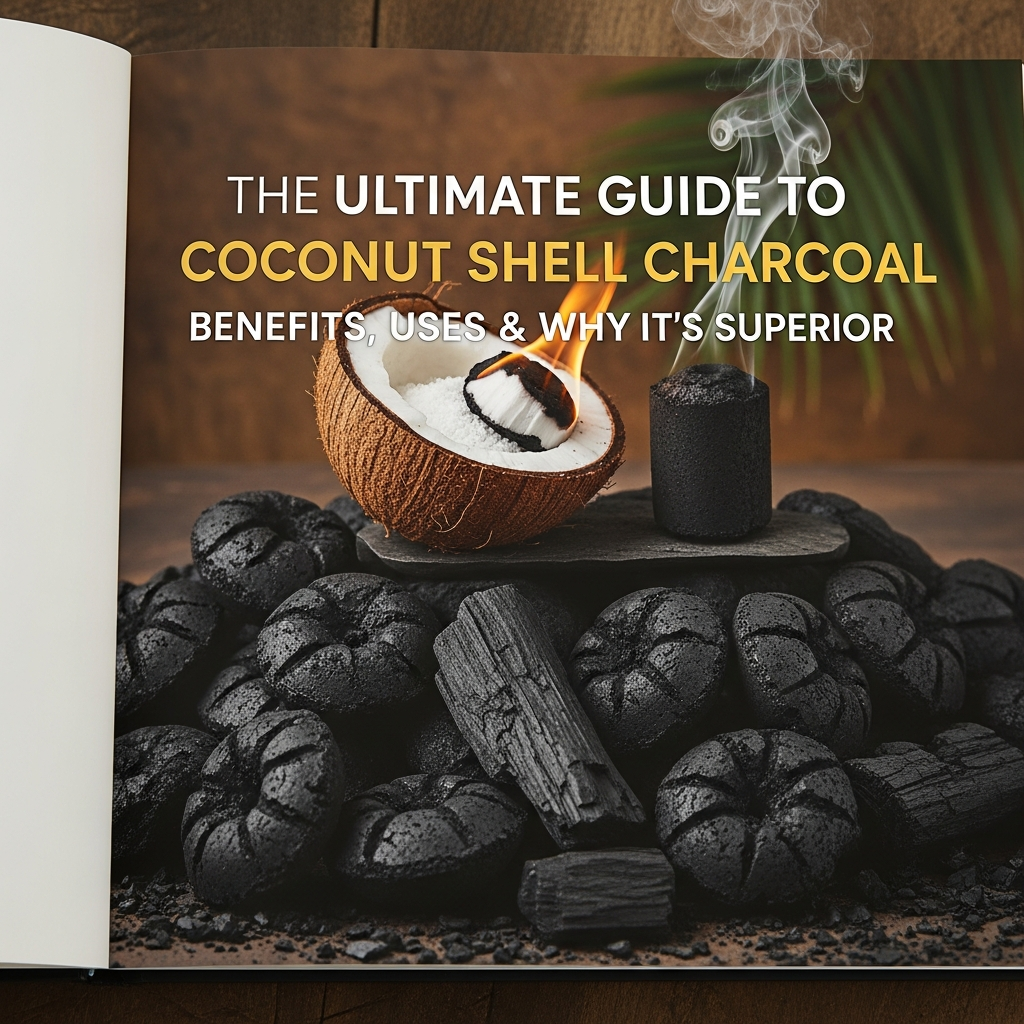
Coconut shell charcoal is a type of charcoal produced from the hard, woody shells of coconuts. Unlike traditional wood charcoal, which contributes to deforestation, this alternative utilizes a byproduct of the massive coconut industry. It is a form of activated carbon with a microporous structure and a vast surface area.
This structure is key to its amazing properties. The tiny pores make it incredibly efficient at adsorbing impurities and producing a clean, long-lasting heat source, making it a versatile product for a wide range of applications.
How Is Coconut Shell Charcoal Made?
The production process is a fascinating blend of simplicity and science. It begins with collecting discarded coconut shells, which are then cleaned and dried. These shells are carbonized in a kiln with a limited oxygen supply, a process known as pyrolysis.
This controlled burn removes moisture and volatile compounds, leaving behind pure carbon with a dense, porous structure. For uses like filtration, the coconut shell charcoal undergoes an “activation” process where it’s treated with steam or hot air to further expand its surface area and absorptive capabilities. You can learn more about the specifics of carbonization from scientific resources like ScienceDirect.

The Superior Benefits of Coconut Shell Charcoal
So, what makes this tropical alternative so special? The benefits are numerous and significant, setting it far apart from traditional lump charcoal or briquettes.
Incredibly High Heat & Long Burn Time
One of the most praised features of coconut shell charcoal is its ability to burn hotter and longer than its wood-based counterparts. It can reach high temperatures quickly and maintain them consistently, making it ideal for searing meats and reducing cooking time. A single batch can often last for hours.
Minimal Smoke, Odor, and Sparks
Say goodbye to overwhelming smoke and unpleasant odors. Because it is made from dense shells and contains no fillers or binders, coconut charcoal produces very little smoke and has a neutral smell. This allows the true flavor of your food to shine through without any chemical aftertaste.
Low and Consistent Ash Content
Cleaning up after a barbecue is nobody’s favorite task. Coconut shell charcoal produces significantly less ash—often less than 5% of its original weight. This means less mess to clean from your grill and a more efficient burn, as there’s less ash to block airflow.
Beyond the Grill: Common Uses for Coconut Shell Charcoal
While it’s a star performer in the BBQ world, the applications of coconut shell charcoal extend far beyond cooking.
- Water & Air Purification: Its activated form is a superstar in filtration systems. The microporous structure is exceptionally effective at trapping impurities, chemicals, and contaminants from water and air. The U.S. EPA notes activated carbon’s effectiveness in drinking water treatment.
- Horticulture (Biochar): When added to soil, it’s referred to as biochar. It improves soil structure, aeration, and water retention, while also creating a fantastic habitat for beneficial microorganisms. This leads to healthier plants and reduced fertilizer needs.
- Health and Beauty: Activated charcoal from coconut shells is a popular ingredient in toothpaste, face masks, and detox supplements due to its ability to bind with and remove toxins.
- Check the Ingredients: Look for products that are 100% pure coconut shell. Avoid brands that use fillers, binders, or chemical accelerants.
- Briquette Shape and Size: High-quality briquettes are typically uniform in shape and size, which promotes a more even and consistent burn.
- Read Reviews: See what other users are saying about burn time, heat consistency, and ash production.
Coconut Shell Charcoal vs. Traditional Charcoal: A Clear Winner
To truly appreciate its advantages, let’s compare it directly with traditional wood-based charcoal. For more tips on grilling, check out our guide on the best grilling techniques.
| Feature | Coconut Shell Charcoal | Traditional Wood Charcoal |
|---|---|---|
| Source | Renewable byproduct (coconut shells) | Trees (contributes to deforestation) |
| Burn Time | Long (2-3+ hours) | Short to Medium (1-2 hours) |
| Heat Output | High and consistent | Variable, often with hot spots |
| Smoke & Odor | Very low, neutral odor | High, can impart a smoky/chemical flavor |
| Ash Production | Very Low (under 5%) | High (up to 20% or more) |
| Environmental Impact | Sustainable and eco-friendly | Major contributor to deforestation |
Environmental Impact: The Eco-Friendly Choice for 2025
In a world increasingly focused on sustainability, choosing coconut shell charcoal is a meaningful step. The entire lifecycle of this product is rooted in environmental responsibility. By giving a second life to discarded coconut shells, it reduces landfill waste.
Most importantly, it helps combat deforestation, a critical issue highlighted by organizations like the Rainforest Alliance. Every bag of coconut charcoal used is a bag of wood charcoal that didn’t require cutting down a tree. This makes it a truly green fuel source.
The principle of using agricultural byproducts is a cornerstone of modern sustainability. Just as coconut shells find a new purpose, other industries are following suit. For example, the palm oil industry generates valuable resources like Palm Kernel Shell, which is another excellent biomass fuel, and Palm Kernel Expeller, used in animal feed. Other products derived from the Palm Kernel include valuable oils like Palm Kernel Oil and Crude Palm Oil. Even the leftover Oil Palm Fruit Bunch can be repurposed, showcasing a full-circle approach to resource management.

How to Choose the Best Coconut Shell Charcoal
When shopping for coconut shell charcoal, keep these tips in mind to ensure you get a high-quality product:
Final Thoughts: Why You Should Make the Switch
From its superior performance on the grill to its positive environmental impact, coconut shell charcoal is undeniably a premium fuel. It offers a cleaner, hotter, and longer-lasting burn while being a product you can feel good about using.
The next time you’re preparing for a barbecue or considering options for purification, make the conscious choice. By switching to coconut shell charcoal, you’re not just upgrading your experience—you’re supporting a more sustainable and responsible future. For more on soil health, you can explore resources on biochar from academic institutions like Cornell University.
Makmur Amanah Sejahtera provides high-quality palm products such as Palm Kernel Expeller, Palm Kernel Shell, Crude Palm Oil, Palm Kernel Oil, etc. Kindly contact us at WhatsApp +6282140002198 or email us at admin@makmuramanah.co.id.Looking for High-Quality Palm Products?
 English
  Indonesian
  Chinese
  Arabic