
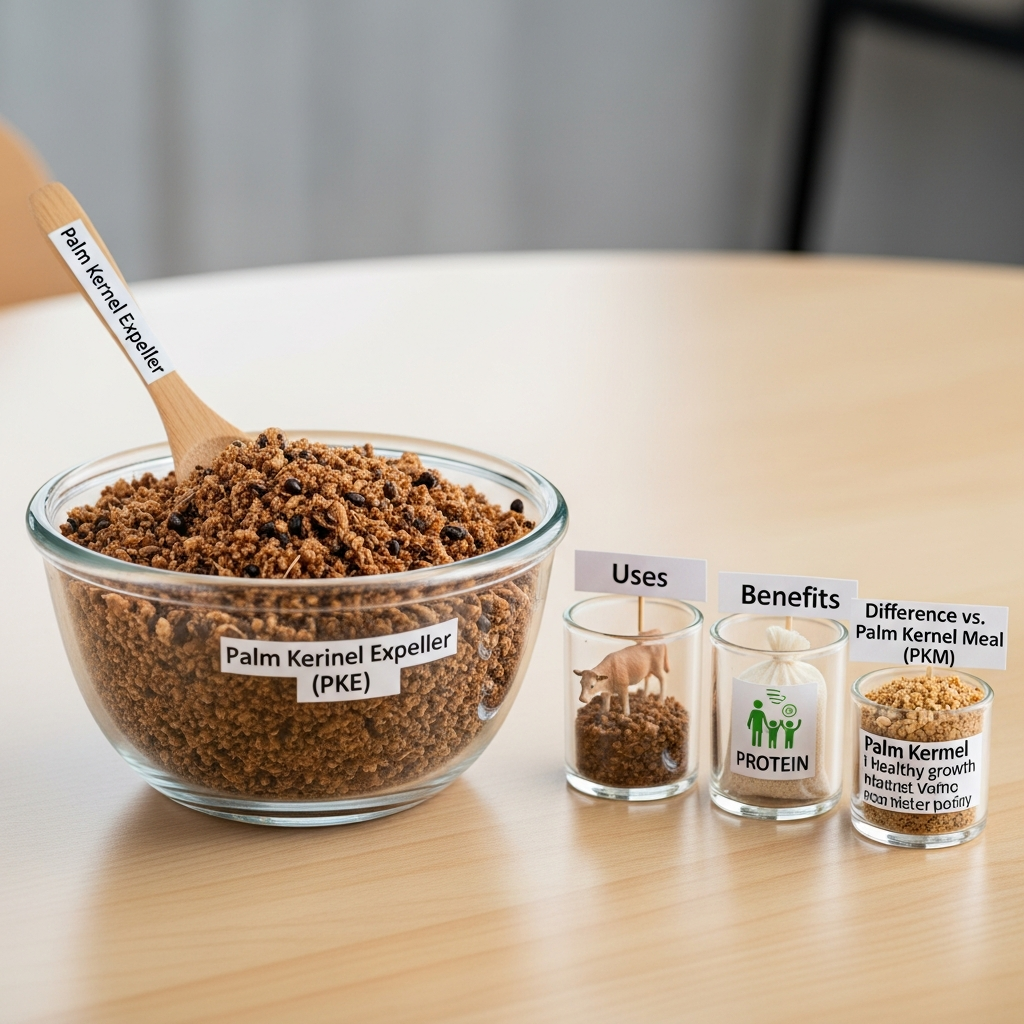
Palm Kernel Expeller: 7 Proven Benefits & Uses Guide (2026)
Palm Kernel Expeller is undeniably one of the most cost-effective and nutritious feed ingredients available for the global livestock industry today. As feed costs continue to rise in 2026, finding high-energy, protein-rich alternatives is no longer a luxury—it is a necessity for profitability. This definitive guide explores exactly why PKE has become the cornerstone of modern ruminant nutrition.
In the competitive landscape of animal agriculture, optimizing diet formulations is the key to maximizing milk yield and weight gain. Palm Kernel Expeller offers a unique solution, balancing fiber, energy, and protein in a way few other byproducts can match. Whether you are managing a dairy herd in New Zealand or a beef feedlot in Asia, understanding the technical specifications and strategic advantages of this byproduct is essential.
Data from recent agricultural reports indicates that the global demand for palm derivatives in animal feed has grown by over 12% in the last three years alone. This surge is driven by the feed’s ability to complement pasture-based systems and stabilize metabolic energy intake. Below, we break down everything you need to know about this powerful feed ingredient.
What is Palm Kernel Expeller (PKE)?
Palm Kernel Expeller (PKE), frequently referred to as palm kernel cake, is a nutritious byproduct generated during the mechanical extraction of oil from the kernels of the oil palm fruit (*Elaeis guineensis*). Unlike solvent-extracted meals, PKE is produced using mechanical screw presses, which leave a residual oil content typically between 6% and 10%. This residual oil makes it a medium-grade protein feed with surprisingly high energy density.
It is crucial to distinguish PKE from other palm derivatives. While the palm fruit produces crude palm oil, the inner nut (kernel) is crushed to produce Palm Kernel Oil and the resulting solid residue, which is the expeller. Its texture is granular and gritty, often light to dark brown, and it possesses a pleasant, nutty aroma that is highly palatable to livestock.
The Mechanical Extraction Process
The quality of Palm Kernel Expeller relies heavily on the extraction method. The mechanical expeller press method involves:
- Crushing: The kernels are broken down into smaller fragments to increase surface area.
- Heating: The material is steam-conditioned to rupture oil cells, facilitating easier extraction.
- Pressing: High-pressure screw presses squeeze out the oil mechanically rather than chemically.
- Cooling & Grinding: The resulting cake is cooled and ground into the final granular form known as PKE.
This process preserves much of the nutritional integrity of the kernel, making it a superior choice compared to chemically treated alternatives found in other oilseed markets.
7 Key Benefits of Palm Kernel Expeller for Livestock
Incorporating PKE into animal diets offers multifaceted advantages. Here are the seven most impactful benefits proven by industry application in 2026.
1. High Energy Content in Palm Kernel Expeller
Due to the residual oil content (8-10%), Palm Kernel Expeller provides a significant boost in metabolizable energy. This is particularly beneficial for dairy cows requiring sustained energy for lactation without the risk of acidosis associated with high-starch grains like corn or barley.
2. Cost-Effectiveness
Compared to soybean meal or corn gluten feed, PKE is significantly more affordable. It allows farmers to reduce their total mixed ration (TMR) costs while maintaining nutritional standards. By substituting expensive concentrates with PKE, producers can maintain profitability even during market volatility.
3. Excellent Source of Fiber
The neutral detergent fiber (NDF) content in PKE is high (around 60-70%), which promotes healthy rumen function. It acts as a buffer in the digestive system, preventing metabolic disorders such as sub-acute ruminal acidosis (SARA). This fiber profile ensures that cattle maintain optimal gut health even on high-concentrate diets.
4. Balanced Protein Profile
With a crude protein content ranging from 14% to 17%, it serves as a reliable mid-level protein source. It complements high-protein pastures or concentrates effectively. While not as high in protein as soybean meal, its amino acid profile is adequate for ruminants, especially when balanced with urea or other nitrogen sources.
5. Extended Shelf Life
When stored correctly with low moisture content, PKE is stable and resistant to spoilage, making it easier to transport and stockpile than wet feeds like brewers’ grains. Its low water activity inhibits microbial growth, allowing farmers to buy in bulk during price dips without fear of rapid degradation.
6. Enhanced Milk Solids Production
Research indicates that dairy cattle fed with Palm Kernel Expeller tend to produce milk with higher fat and solid content. The specific fatty acid profile of the residual palm kernel oil contributes directly to increasing butterfat percentages, which directly increases the payout for dairy farmers.
7. Versatility in Formulations
It can be fed as a straight supplement, blended into compound feeds, or used as a filler in concentrate mixes. This versatility makes it a favorite among feed millers who need flexible ingredients that can adapt to different formulation requirements.
Palm Kernel Expeller vs. Palm Kernel Meal: Key Differences
A common point of confusion in the industry is the difference between Palm Kernel Expeller and Palm Kernel Meal (PKM). While often used interchangeably, they are technically different products based on the oil extraction method utilized.
| Feature | Palm Kernel Expeller (PKE) | Palm Kernel Meal (PKM) |
|---|---|---|
| Extraction Method | Mechanical Screw Press | Solvent Extraction (Hexane) |
| Residual Oil (Fat) | High (6% – 12%) | Low (0.5% – 2%) |
| Energy Value | High | Moderate |
| Texture | Granular, Oily feel | Fine powder, Dry |
| Palatability | Excellent (Nutty aroma) | Good |
The higher oil content in Palm Kernel Expeller makes it the preferred choice for energy-deficient diets, whereas solvent-extracted meal is used where lower fat intake is required.
Nutritional Analysis & Chemical Composition
Understanding the precise chemical makeup of PKE is vital for nutritionists formulating balanced diets. According to studies published in agricultural journals, the typical proximate analysis of high-quality PKE is as follows:
- Crude Protein: 14% – 17%
- Crude Fiber: 12% – 18%
- Ether Extract (Oil/Fat): 7% – 10%
- Metabolizable Energy (Ruminants): ~10.5 – 11.5 MJ/kg DM
- Ash: 4% – 6%
- Moisture: < 10%
Additionally, PKE contains valuable minerals such as phosphorus, calcium, and magnesium. However, the copper content can be variable (ranging from 20 to 30 ppm), so it is recommended to monitor copper levels when feeding sheep, as they are sensitive to toxicity.
For industrial buyers sourcing diverse palm products, it is worth noting that while PKE is the solid residue, other byproducts like Palm Kernel Shell are harvested for biomass energy, showcasing the incredible efficiency of the palm oil industry.
Applications in Animal Feed Industries
Ruminants (Cattle, Buffalo, Sheep, Goats)
Ruminants are the primary consumers of Palm Kernel Expeller. Their complex digestive systems can easily break down the high fiber content. It is extensively used in:
- Dairy Farming: To boost milk fat and provide non-fermentable energy. For extremely high-yielding cows, supplementing PKE with bypass fats like Calcium Salts of Palm Oil Fatty Acids can further optimize energy intake.
- Beef Fattening: As a supplementary feed to increase body condition score (BCS) and improve marbling.
Farmers often mix PKE with other ingredients. For instance, some blend it with Copra Meal to create a highly palatable, medium-protein ration that leverages the benefits of both coconut and palm oils.
Non-Ruminants (Swine and Poultry)
The use of PKE in swine and poultry diets is more limited due to its high fiber content and grittiness. However, with the addition of enzymes like mannanase, the digestibility can be improved, allowing for inclusion rates of 5–10% in poultry rations to reduce feed costs without compromising growth performance. This application is becoming increasingly popular in Southeast Asia as corn prices fluctuate.
Storage and Handling Best Practices
To maintain the quality of Palm Kernel Expeller, proper storage is non-negotiable. PKE is hygroscopic, meaning it can absorb moisture from the air, which necessitates careful management.
- Moisture Control: Ensure the warehouse is dry and well-ventilated. Moisture levels above 12% can lead to rapid mold growth and mycotoxin production.
- Pest Management: Regular fumigation is required to prevent weevil infestations, which can degrade the nutritional value.
- First-In, First-Out (FIFO): Implement a strict inventory rotation system to ensure fresh feed is always used first.
Furthermore, when handling bulk shipments, safety gear should be worn as the dust can be an irritant. For comprehensive logistics, companies often ship PKE alongside other derivatives like RBD CP8 (palm olein), optimizing freight efficiency across international supply chains.
Global Market Trends 2026
As we navigate through 2026, the market for Palm Kernel Expeller continues to evolve. New Zealand remains the world’s largest importer, utilizing PKE to supplement pasture deficits during dry seasons. However, emerging markets in South Korea, China, and the Middle East are increasing their intake for intensive feedlot operations.
Sustainability is also a major driver. Buyers are increasingly seeking PKE from certified sustainable sources (RSPO). This shift is encouraging suppliers to maintain rigorous traceability standards. Authoritative bodies like the Malaysian Palm Oil Board (MPOB) continue to regulate and promote high standards in production, ensuring that PKE remains a responsible choice for the future of agriculture.
Another trend is the integration of diverse agricultural byproducts. For example, some sustainable farms are now using Cocopeat for animal bedding alongside their feed strategies, creating a fully circular agricultural model that minimizes waste.
Makmur Amanah Sejahtera provides high-quality palm products such as Palm Kernel Expeller, Palm Kernel Shell, Crude Palm Oil, Palm Kernel Oil, etc. Kindly contact us at WhatsApp +6282140002198 or email us at admin@makmuramanah.co.id.
Frequently Asked Questions
Is Palm Kernel Expeller safe for all livestock?
Yes, PKE is generally safe for ruminants like cattle, sheep, and goats. It is highly beneficial due to its energy and protein balance. However, for monogastric animals like pigs and chickens, it should be used in limited quantities or treated with enzymes due to its high fiber content.
What is the recommended inclusion rate for PKE in dairy rations?
For dairy cows, PKE can typically be included at rates of 20% to 30% of the total diet dry matter. Some farmers feed up to 3–6 kg per cow per day, depending on pasture availability and other feed sources.
How long can Palm Kernel Expeller be stored?
If stored in a cool, dry place with moisture content below 10%, PKE can be stored for 6 to 9 months without significant quality degradation. Proper ventilation is key to preventing rancidity of the residual oil.
Does PKE affect the taste of milk or meat?
When fed within recommended limits, PKE does not negatively taint milk or meat. In fact, it can improve the firmness of body fat in cattle, which is a desirable trait in some beef markets.
Is Palm Kernel Expeller a sustainable feed choice?
Yes, PKE is a byproduct of the palm oil industry. Utilizing it as animal feed prevents waste and supports a circular economy. Sourcing from RSPO-certified suppliers further ensures environmental responsibility.
Conclusion
In conclusion, Palm Kernel Expeller stands out as a superior feed ingredient that offers a perfect balance of nutrition, cost-efficiency, and versatility. Its ability to provide consistent energy and protein makes it indispensable for modern livestock management in 2026. Whether you are aiming to enhance milk solids or improve daily weight gain, integrating PKE into your feeding strategy is a proven path to success.
For producers looking to secure a reliable supply of premium feed ingredients, choosing a trusted partner is vital. Palm Kernel Expeller is not just a commodity; it is a strategic asset for your agribusiness.
 English
  Indonesian
  Chinese
  Arabic