
Calcium Salt of Palm Fatty Acids: 7 Proven Benefits (2026)
In the high-stakes world of modern dairy farming, maximizing energy intake without compromising rumen health is the holy grail of nutrition. Calcium Salt of Palm Fatty Acids has emerged as the premier energy supplement for achieving this balance. For producers battling the silent profit-killer known as Negative Energy Balance (NEB), ignoring this potent tool could cost thousands in lost milk yield and reproductive efficiency.
Every year, thousands of operations suffer from reduced peak lactation performance simply because high-genetic-merit cows cannot physically consume enough dry matter to meet their energy demands. This energy gap leads to metabolic disorders, poor body condition, and extended calving intervals.
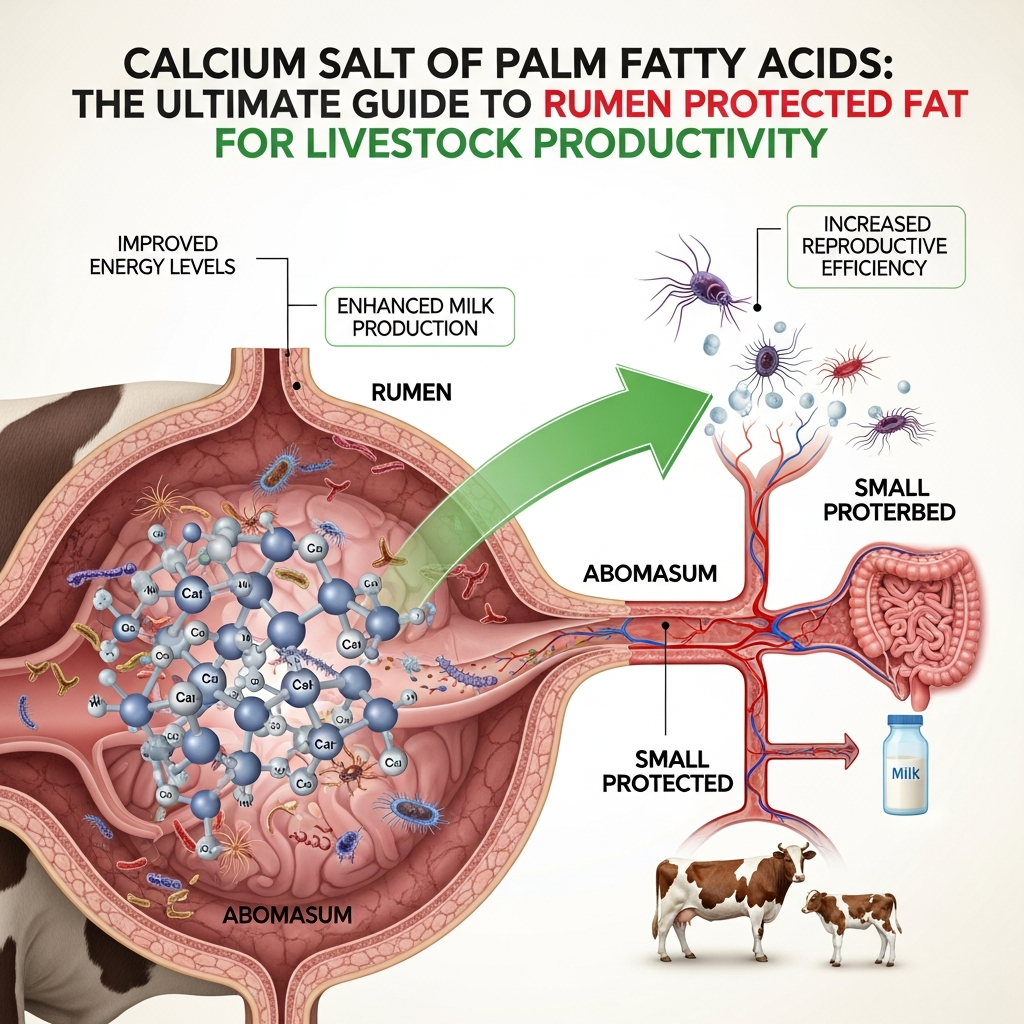
Fortunately, advanced rumen-protected fats offer a scientifically proven solution. By utilizing Calcium Salt of Palm Fatty Acids, farmers can safely bypass the rumen, delivering dense energy directly to the small intestine where it is absorbed with maximum efficiency. This comprehensive 2026 guide explores the definitive strategies for leveraging this supplement to optimize herd health and ROI.
Understanding Calcium Salt of Palm Fatty Acids
To master livestock nutrition, we must first define the mechanism behind this supplement. Calcium Salt of Palm Fatty Acids, often referred to as calcium soap or rumen-protected fat, is produced through a chemical process called saponification. This involves reacting Palm Fatty Acid Distillate (PFAD) with calcium oxide or calcium hydroxide.

The result is a granular, dry fat that remains inert in the rumen. Unlike untreated fats or raw oils—such as RBD CP8—which can coat rumen fiber and kill beneficial cellulolytic bacteria, calcium salts pass through the rumen unchanged. This “protection” is vital for maintaining healthy fermentation and fiber digestion.
According to research published in the Journal of Dairy Science, rumen-protected fats can significantly increase the energy density of the diet without compromising fiber digestion. This makes it an indispensable tool for high-yielding cows during early lactation.
The Science of Rumen Protection
The bond between calcium and fatty acids remains stable at a neutral or slightly acidic pH (typical of the rumen, pH 6.0–6.8). However, once the feed reaches the highly acidic environment of the abomasum (the true stomach, pH < 3.0), the bond dissociates. This releases the fatty acids and calcium for absorption in the small intestine.
This distinct characteristic allows Calcium Salt of Palm Fatty Acids to provide nearly three times the energy of carbohydrates (approx. 9.0 Mcal/kg vs 3.0-4.0 Mcal/kg for grains), making it the most energy-dense feed ingredient available to the modern nutritionist.
7 Strategic Benefits for Dairy Cattle in 2026
Implementing Calcium Salt of Palm Fatty Acids into your Total Mixed Ration (TMR) yields measurable results across multiple physiological markers. Below, we detail the seven primary benefits observed in high-performing herds.
1. Enhanced Milk Yield
The most immediate impact of feeding calcium salts is a boost in milk volume. Studies consistently show an increase in daily milk production, often ranging from 1.5 to 3.0 kg per cow per day. By providing a concentrated energy source that does not displace fiber, cows can meet their energy requirements for peak lactation more easily. This is particularly crucial in the first 100 days postpartum when energy demand outstrips dry matter intake capacity.
2. Improved Fertility and Reproduction
Energy balance is directly linked to reproductive hormones. Cows suffering from severe Negative Energy Balance (NEB) have suppressed levels of luteinizing hormone (LH) and insulin-like growth factor (IGF-1), leading to delayed ovulation. By reducing the severity of NEB with Calcium Salt of Palm Fatty Acids, cows return to estrus sooner, conception rates improve, and the calving interval is reduced—saving the farm significant money in breeding costs and lost days in milk.
3. Better Body Condition Score (BCS)
High-producing cows naturally mobilize body fat reserves to support milk production. However, excessive weight loss leads to metabolic issues like ketosis and fatty liver. Supplementing with bypass fat helps minimize body weight loss during peak lactation, ensuring cows maintain a healthy Body Condition Score (BCS). A cow that maintains her condition is more resilient and has a longer productive life.
4. Increased Butterfat Content
The specific fatty acid profile of palm-based salts—rich in palmitic acid (C16:0)—directly supports milk fat synthesis. Palmitic acid is a key precursor for de novo fatty acid synthesis in the mammary gland. For farms operating under component pricing models, the increase in butterfat percentage can significantly boost the milk check value, often covering the cost of the supplement itself.
5. Prevention of Rumen Acidosis
To increase energy, farmers traditionally added more grain (starch) to the diet. However, excessive starch fermentation produces lactic acid, dropping rumen pH and causing Sub-Acute Rumen Acidosis (SARA). Unlike starchy energy sources, bypass fats do not ferment in the rumen and do not produce acid. This allows you to increase energy density while keeping the forage-to-concentrate ratio at a safe level, thereby lowering the risk of acidosis.
6. Heat Stress Mitigation
Heat stress is a major concern in global agriculture. Digesting fiber and starch generates a significant amount of metabolic heat (heat increment). In contrast, digesting fat generates very little heat. Feeding Calcium Salt of Palm Fatty Acids during hot summer months allows cows to receive high energy without the additional internal heat load, helping them cope with hot climates and maintain intake levels.
7. Palatability and Feed Intake
Early versions of calcium soaps had issues with pungent odors that discouraged intake. However, modern manufacturing processes in 2026 have significantly improved the aroma and texture of high-quality salts. Today’s Calcium Salt of Palm Fatty Acids is highly palatable and, when introduced gradually, ensures high dry matter intake. Its free-flowing nature also ensures it mixes uniformly in the TMR, preventing sorting by the animals.
Comparison: Calcium Salts vs. Other Fat Sources
Not all fats are created equal. When selecting an energy supplement, it is crucial to compare Calcium Salt of Palm Fatty Acids against other common fat sources like fractionated fats or raw vegetable oils. Understanding these differences is key to making an informed purchasing decision.
| Feature | Calcium Salt of Palm Fatty Acids | Fractionated Palm Fat | Raw Vegetable Oil |
|---|---|---|---|
| Rumen Inertness | High (pH dependent) | High (Melting point dependent) | Low (Interferes with fiber digestion) |
| Digestibility | Excellent (~96%) | Good (~90-95%) | Variable |
| Energy Density | Very High | High | High |
| Cost Efficiency | Best Value | Premium Price | Low Cost (High Risk) |
| Risk of Acidosis | Zero | Zero | Low |
As shown above, Calcium Salts of Palm Oil Fatty Acids offer the best balance of digestibility and cost-efficiency for commercial operations. While fractionated fats are effective, they often come at a higher price point per megacalorie of energy.
Feeding Guidelines and Dosage
To maximize the efficacy of Calcium Salt of Palm Fatty Acids, proper integration into the diet is essential. Overfeeding can lead to reduced dry matter intake due to palatability issues if not introduced gradually. It is recommended to start with a small amount and ramp up over 7-10 days.
Recommended Inclusion Rates
For lactating dairy cows, the standard recommendation is based on milk yield and stage of lactation:
- Early Lactation (0-100 days): 300g to 800g per head per day. High-producing herds may go up to 1kg under strict nutritional supervision.
- Mid Lactation: 200g to 400g per head per day to maintain body condition and persistency.
- Beef Cattle: 150g to 300g per head per day for finishing rations to improve marbling and daily gain.
- Small Ruminants (Sheep/Goats): 50g to 100g per head per day.
It is advisable to consult with a nutritionist to balance the fatty acid profile. Additionally, combining this energy source with high-fiber byproducts like Palm Kernel Expeller or Copra Meal can create a balanced ration that supports both rumen health and energy requirements. The fiber from these byproducts complements the energy density of the calcium salts perfectly.
The Role of Palm Fatty Acids in Global Agriculture
The sustainability and availability of palm-based ingredients are critical discussions in 2026. Palm Fatty Acid Distillate (PFAD), the byproduct used to make these salts, ensures that the palm oil industry maximizes resource utility. By converting PFAD—a non-food byproduct—into high-value livestock feed, the industry reduces waste and improves the overall carbon footprint of palm oil production.
Organizations like the Food and Agriculture Organization (FAO) highlight the importance of efficient byproduct utilization in sustainable livestock systems. Furthermore, for farms utilizing biomass for bedding or energy, products like Palm Kernel Shell demonstrate the versatility of the palm ecosystem, providing a circular economy approach to agriculture.
Economic Analysis: Is It Worth the Investment?
Farmers often hesitate due to the upfront cost of bypass fats. However, the Return on Investment (ROI) with Calcium Salt of Palm Fatty Acids is typically positive and easily calculable. Consider the following scenario:
If feeding 0.5kg of calcium salt costs $0.50 but yields an additional 2kg of milk valued at $1.00 ($0.50/kg), the net daily profit is $0.50 per cow. For a 100-cow herd, this equates to $18,250 in additional annual profit. This calculation does not even include the long-term financial benefits of improved fertility (fewer straws of semen, fewer vet visits) and reduced culling rates due to metabolic burnout.
Choosing a Reliable Supplier
Quality control is paramount. Poorly manufactured salts may have a strong odor, high moisture content, or low calcium bonding, leading to rumen degradation and reduced efficacy. When sourcing Calcium Salt of Palm Fatty Acids, look for suppliers who guarantee:
- Minimum 84% Total Fat content: Ensures high energy density.
- Maximum 9-10% Calcium content: The optimal ratio for stability.
- Low moisture levels (<3%): Prevents mold and clumping.
- Consistent particle size: Essential for easy mixing in TMR wagons.
Reliable suppliers often provide a full suite of agricultural products, including soil amendments like Cocopeat, ensuring a comprehensive partnership for your agribusiness needs.
Makmur Amanah Sejahtera provides high-quality palm products such as Palm Kernel Expeller, Palm Kernel Shell, Crude Palm Oil, Palm Kernel Oil, etc. Kindly contact us at WhatsApp +6282140002198 or email us at admin@makmuramanah.co.id.
Frequently Asked Questions
Is Calcium Salt of Palm Fatty Acids safe for all ruminants?
Yes, it is safe for dairy cows, beef cattle, sheep, and goats. It is specifically designed to bypass the rumen, preventing interference with fiber digestion. However, it is not recommended for pre-ruminant calves as their digestive systems are not yet fully developed to handle high fat levels.
How does this supplement affect milk fat percentage?
Calcium Salt of Palm Fatty Acids generally increases milk fat percentage. The palmitic acid (C16:0) component is a key precursor for milk fat synthesis. Farms struggling with low butterfat levels often see rapid improvement after introducing this supplement.
Can I mix it with other feed ingredients?
Absolutely. It is a dry, free-flowing granular product that mixes easily into TMR (Total Mixed Ration), concentrates, or premixes. It is compatible with grains, protein meals, and minerals. Ensure thorough mixing to prevent sorting by the animals.
What is the shelf life of calcium soaps?
When stored in a cool, dry place away from direct sunlight, the product typically has a shelf life of 12 to 24 months. The calcium bond stabilizes the fat, preventing oxidation and rancidity better than raw oils.
Does it affect the taste of the milk?
No, when fed at recommended levels, Calcium Salt of Palm Fatty Acids does not alter the flavor or quality of the milk. The fat is digested and metabolized internally, contributing to energy rather than flavor transfer.
Why is calcium salt preferred over raw palm oil?
Raw palm oil is unsaturated and active in the rumen, where it coats fiber particles and kills bacteria, reducing digestibility. Calcium salts are “rumen-protected,” meaning they pass through without disturbing the rumen environment, ensuring both high energy and high fiber digestion.
Conclusion
As the agricultural landscape evolves in 2026, efficiency is the only path to sustainability. Calcium Salt of Palm Fatty Acids represents more than just a feed supplement; it is a strategic investment in herd longevity and farm profitability. By addressing the critical energy gaps in high-production livestock, you secure a foundation for consistent growth.
Whether you are combating heat stress, trying to improve fertility rates, or simply aiming for higher milk yields, this rumen-protected fat delivers results backed by science. Don’t let energy limitations hold your herd back—integrate Calcium Salt of Palm Fatty Acids into your nutrition program today and witness the transformation in productivity.
 English
  Indonesian
  Chinese
  Arabic