
Copra meal is a powerhouse livestock feed ingredient that offers a sustainable solution to rising nutrition costs while boosting animal performance. If you are struggling with fluctuating feed prices or looking to optimize your herd’s protein intake, this coconut byproduct is the strategic advantage your farm needs in 2026. As agricultural demands evolve, understanding the precise nutritional profile and application of this feed is no longer optional—it is essential for profitability.
In the competitive landscape of livestock farming, feed efficiency dictates the bottom line. With global grain prices remaining volatile, savvy nutritionists and farmers are turning to high-quality byproducts. This guide provides a comprehensive analysis of copra meal, detailing its nutrient density, digestibility, and exactly how it outperforms traditional feed fillers.
What Is Copra Meal?
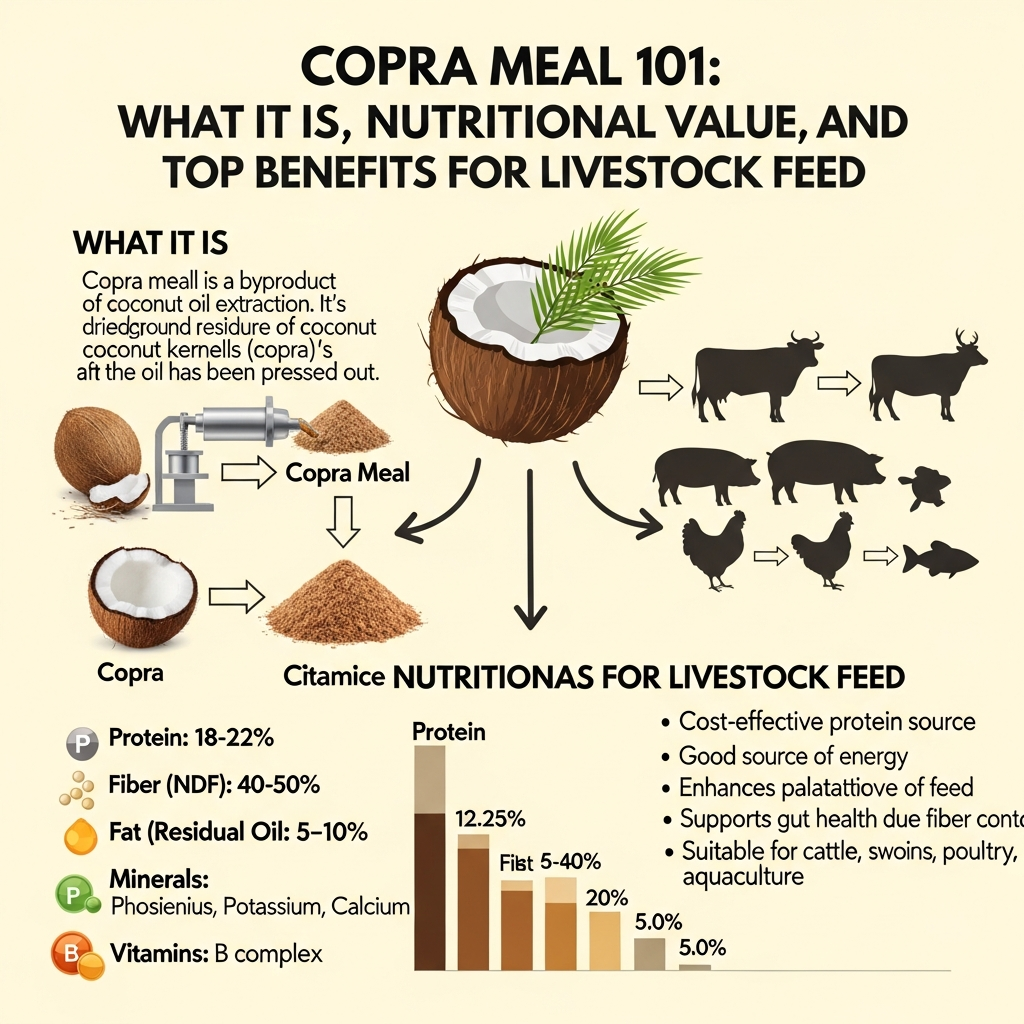
Copra meal, often referred to as coconut meal or coconut oil cake, is the residue remaining after oil is extracted from the dried meat (copra) of the coconut (Cocos nucifera). It is a highly palatable feed source widely used in the diets of cattle, horses, pigs, and poultry. Unlike other fillers, it is not merely a bulking agent; it is a nutrient-dense supplement rich in energy and non-starch polysaccharides.
The quality of the meal depends largely on the extraction method. The two primary methods are mechanical extraction (expeller) and solvent extraction. Expeller-pressed meal generally retains a higher fat content (8–12%), making it an excellent energy source, whereas solvent-extracted meal has lower residual oil (1–3%).

Production Process and Availability
The production begins with drying the coconut meat to reduce moisture content below 6%. The oil is then pressed out, leaving behind a brown, fibrous cake. This byproduct is ground into a meal or pelletized for easier handling. Similar to Palm Kernel Expeller, another tropical byproduct, copra meal serves as a vital link in the sustainable agricultural cycle, reducing waste while feeding the world’s livestock.
Copra Meal Nutritional Value Profile
Understanding the nutritional value of copra meal is critical for formulating balanced rations. It is distinctively characterized by its high bypass protein capability and unique energy profile derived from medium-chain fatty acids.
The following table outlines the typical nutritional composition of high-quality expeller copra meal:
| Nutrient Parameter | Average Content (Dry Matter Basis) |
|---|---|
| Crude Protein | 20% – 22% |
| Crude Fat (Oil) | 8% – 12% |
| Crude Fiber | 12% – 16% |
| Metabolizable Energy (Ruminants) | 11 – 12 MJ/kg |
| Total Digestible Nutrients (TDN) | 75% – 80% |
| Moisture | < 10% |
Expert Note: The protein in copra is relatively low in lysine and histidine but high in arginine. Therefore, for monogastric animals like pigs, it should be balanced with other protein sources. However, for ruminants, it is exceptional due to its “bypass” nature.
7 Proven Benefits of Copra Meal for Livestock
Why should you switch to or increase the inclusion of copra meal in your feed formulations? Based on decades of agricultural research and 2026 market trends, here are the top benefits.

1. Superior Bypass Protein for Ruminants
One of the most significant advantages is its high level of bypass protein (Undegradable Dietary Protein). Unlike soybean meal which degrades rapidly in the rumen, a significant portion of the protein in coconut meal passes through to the small intestine where it is absorbed directly. This supports faster tissue growth and milk production without overloading the rumen with ammonia.
2. Enhanced Milk Production and Butterfat
For dairy farmers, this ingredient is a game-changer. The residual coconut oil contains lauric and myristic acids. Research published by the Food and Agriculture Organization (FAO) suggests that these saturated fats can significantly increase milk fat percentage (butterfat) in dairy cows. The galactomannan content also acts as a prebiotic, improving gut health and nutrient absorption.
3. Cool Energy for Horses
Horse owners favor coconut meal because it provides “cool energy.” It offers high caloric density through fats and fermentable fibers rather than starch. This reduces the risk of starch-associated metabolic disorders like laminitis and hot behavior, making it ideal for conditioning performance horses.
4. Cost-Effective Feed Alternative
With the rising costs of soy and corn, copra meal serves as a cost-effective partial substitute. It allows farmers to lower the cost per kilogram of gain without sacrificing energy density. For optimized energy balancing, some producers mix it with Calcium Salts of Palm Oil Fatty Acids to supercharge the energy content of the ration.
5. High Palatability
Livestock love the smell and taste of coconut. It acts as a flavor enhancer in Total Mixed Rations (TMR), encouraging animals to eat more, even when other less palatable ingredients are present. This is crucial during weaning or periods of heat stress when intake typically drops.
6. Improved Coat Condition
The residual oil in the meal improves skin and coat health. Farmers often report a noticeable “shine” on show cattle and horses within weeks of introduction. This is due to the lipid profile aiding in the absorption of fat-soluble vitamins (A, D, E, and K).
7. Safe Source of Fiber
The fiber in coconut meal is highly digestible for ruminants. It swells in the stomach, providing a feeling of satiety, which is beneficial for maintaining condition in pregnant animals without causing obesity.
Comprehensive Feeding Guide by Animal
To maximize the benefits of this feed, correct inclusion rates are vital. Introducing any new feed too quickly can cause digestive upset. Always transition over a period of 7–14 days.

Dairy Cattle Nutrition
For lactating dairy cows, copra meal is valued for its ability to boost milk fat without causing acidosis. Inclusion rates typically range from 1.5 kg to 3.0 kg per head per day. Exceeding 3 kg may lead to tallowy milk fat due to the high lauric acid content, so moderation is key. It pairs exceptionally well with roughage sources or fibrous byproducts used for bedding/fillers in integrated systems.
Beef Cattle Growth
In beef production, copra meal serves as an excellent grower ration component. It can constitute up to 20-30% of the concentrate ration. Studies have shown that steers fed coconut meal maintained comparable growth rates to those on grain-based diets but with better feed conversion ratios due to the high energy density from the oil content.
Horse Conditioning
For equine nutrition, coconut meal is a safer alternative to grain. It provides non-heating energy suitable for working horses or those prone to tying up. It should be fed wet (soaked) to prevent choke and ensure hydration. A typical inclusion is 0.5 kg to 2 kg daily, depending on the horse’s workload.
Swine and Poultry Rations
Monogastric animals like pigs and poultry lack the rumen bacteria to digest high fiber efficiently. Therefore, inclusion rates must be strictly managed:
- Pigs: Up to 10-15% in grower-finisher diets. High levels can produce firm fat in pork, which is often desirable for bacon production. However, lysine supplementation is often necessary.
- Poultry: Limit to 5-10% in broiler diets. Excessive fiber can reduce overall feed digestibility and growth rates.
Copra Meal vs. Soybean Meal: A Comparison
A common debate in the industry is comparing copra meal against the “gold standard” of soybean meal. While soybean meal is superior in total protein content (44-48%), copra wins on energy density and fiber safety.
Soybean meal provides rapidly degradable protein, which can be wasteful if not balanced with enough energy. In contrast, the coconut byproduct provides sustained energy release. Furthermore, in tropical regions, sourcing consistent quality soy can be difficult and expensive compared to locally available Copra Meal.
Moreover, unlike soy which contains anti-nutritional factors like trypsin inhibitors (requiring heat treatment), coconut meal is generally free of these specific anti-nutrients, though monitoring for mycotoxins during storage is essential.
Storage and Quality Control
Because of its oil content, the meal can turn rancid if stored improperly in humid conditions. It is crucial to store it in cool, dry areas with good ventilation. Utilizing proper warehousing techniques, similar to those used for Palm Kernel Shell biomass storage, ensures longevity and prevents aflatoxin contamination.
When sourcing copra meal, look for suppliers who guarantee:
- Low Moisture Content: Below 10% to prevent spoilage.
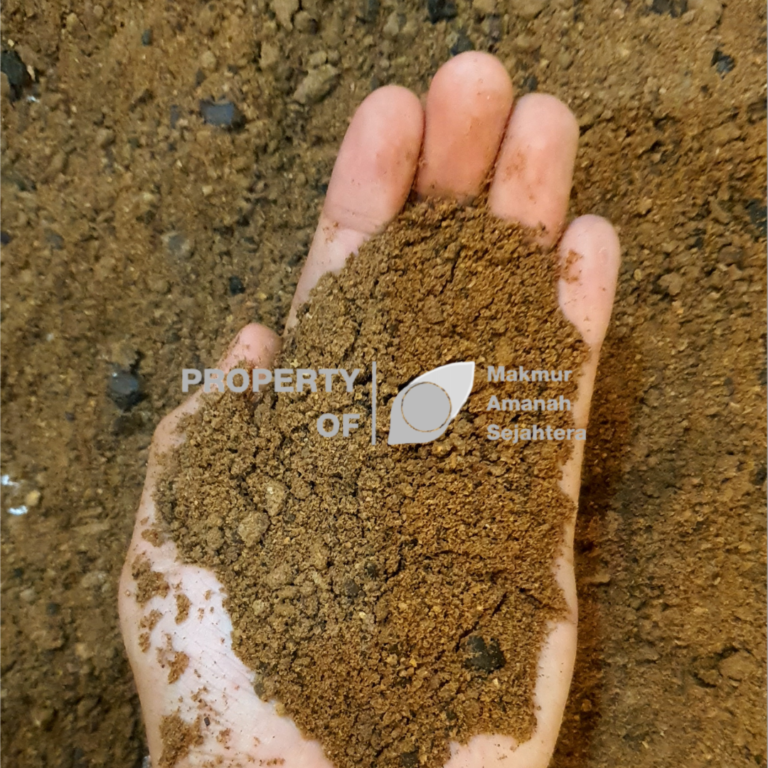
- Freshness: Sweet-smelling, light to dark brown color (never black/burnt).
- Traceability: Clear origin and processing data.
According to research from ScienceDirect, consistent feed quality correlates directly with herd health and yield stability. Don’t compromise your herd’s health with inferior products.
Makmur Amanah Sejahtera provides high-quality palm products such as Palm Kernel Expeller, Palm Kernel Shell, Crude Palm Oil, Palm Kernel Oil, etc. Kindly contact us at WhatsApp +6282140002198 or email us at admin@makmuramanah.co.id.
Frequently Asked Questions
Is copra meal safe for all livestock?
Yes, it is generally safe for cattle, sheep, goats, horses, and pigs. However, inclusion rates must be monitored for monogastrics (poultry/pigs) due to fiber content, and for copper-sensitive sheep breeds, as some coconut soils are high in copper.
Does copra meal contain mycotoxins?
Like any grain or seed byproduct, it is susceptible to aflatoxin if stored in humid conditions. Sourcing from reputable suppliers like those adhering to strict food safety standards minimizes this risk significantly.
Can I feed copra meal dry or wet?
It can be fed both ways. Many farmers prefer feeding it wet (soaked) to horses to prevent choke and increase hydration. For cattle, it is usually mixed dry into a TMR (Total Mixed Ration) or pelleted concentrates.
How does copra meal affect meat quality?
In pigs, the saturated fats can lead to firmer pork fat, which is often preferred for bacon production. In cattle, moderate feeding supports excellent marbling without negatively impacting meat flavor.
What is the difference between copra meal and palm kernel expeller?
While both are tropical oil byproducts, copra comes from coconuts and palm kernel expeller (PKE) comes from oil palm fruits. Copra generally has higher protein (20-22%) compared to PKE (14-16%) and higher energy, making it a more potent supplement.
Conclusion
As we navigate the agricultural challenges of 2026, finding efficient, high-energy feed sources is paramount. Copra meal offers a robust solution, providing high bypass protein, essential energy, and improved digestibility for a wide range of livestock. By integrating this byproduct into your feeding strategy, you not only improve animal health and production yields but also optimize your operational costs.
Whether you are managing a high-production dairy herd or conditioning horses, the benefits of this tropical feed are undeniable. Remember to source high-quality product to ensure safety and performance. Make the switch today and witness the difference copra meal can make in your livestock nutrition program.
 English
  Indonesian
  Chinese
  Arabic