
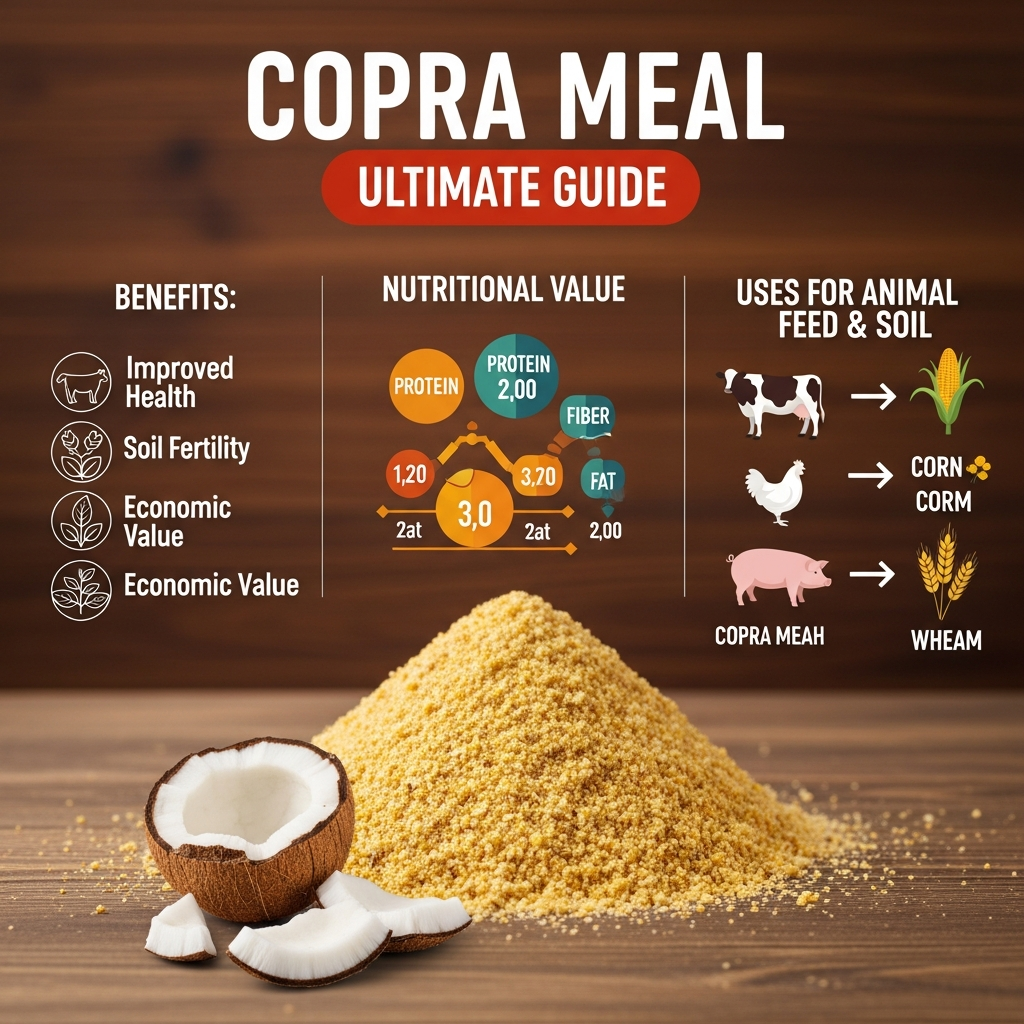
Copra Meal: 9 Proven Benefits & Uses Guide for 2026
Copra meal is a powerhouse ingredient that transforms livestock productivity and soil health, yet it remains one of the most undervalued byproducts in agriculture. For farmers, nutritionists, and agronomists seeking a cost-effective, high-protein solution in 2026, understanding the strategic application of this coconut derivative is essential. This comprehensive guide reveals why top producers are switching to copra meal to boost milk yields, enhance weight gain, and enrich soil organic matter.
In the competitive landscape of animal nutrition, rising feed costs are a constant challenge. Farmers often struggle to find a balance between affordability and nutritional density. Copra meal serves as a bridge, offering a high-energy, bypass protein source that rivals more expensive alternatives like soybean meal. Statistics from recent agricultural reports indicate that integrating coconut byproducts can reduce feed costs by up to 15% while maintaining, or even improving, animal performance.

What is Copra Meal (Coconut Cake)?
Copra meal, frequently referred to as coconut cake or copra cake, is the solid residue remaining after oil is extracted from dried coconut kernels (copra). It is a highly palatable feed ingredient characterized by its distinct nutty aroma and rich, brown texture. As a byproduct of the coconut oil industry, it represents a sustainable resource that converts agricultural waste into high-value nutrition.
The quality and nutritional composition of the meal depend largely on the extraction method used:
- Mechanical Pressing (Expeller): Results in a meal with higher residual oil content (8-12%), providing excellent energy density.
- Solvent Extraction: Produces a drier meal with lower oil content (1-3%) but slightly higher protein concentration.
High-quality Copra Meal is particularly prized for its high digestibility and specific amino acid profile, making it a staple in ruminant diets across the globe. Unlike some fillers, it contributes both energy and protein, making it a dual-purpose ingredient.
Nutritional Value and Composition
Understanding the nutritional breakdown is critical for formulating balanced diets. Copra meal is unique because it provides a moderate level of protein combined with high energy derived from residual coconut oil and digestible fiber.
| Nutrient | Average Content (Dry Matter Basis) | Nutritional Benefit |
|---|---|---|
| Crude Protein | 20% – 22% | Supports muscle growth and milk production. |
| Crude Fat (Oil) | 8% – 12% | Provides high energy density and lauric acid. |
| Crude Fiber | 12% – 16% | Aids in digestion and rumen health. |
| Metabolizable Energy | 11 – 12 MJ/kg | Fuels daily activity and metabolic functions. |
| NDF (Neutral Detergent Fiber) | 45% – 55% | Promotes chewing and salivation (rumen buffer). |
The protein in copra meal has a high “bypass” value, meaning much of it escapes fermentation in the rumen and is absorbed directly in the small intestine. This makes it exceptionally effective for high-producing dairy cows. For detailed chemical compositions, the Feedipedia database offers extensive data on various coconut byproducts.
9 Proven Benefits of Copra Meal for Livestock
Integrating copra meal into animal feed strategies offers multifaceted benefits. From improving milk fat in dairy cattle to enhancing gut health in swine, the advantages are scientifically backed and field-tested.
1. Boosts Milk Production and Quality
For dairy farmers, the primary goal is often increasing milk solids. The lauric acid found in the residual coconut oil is known to boost milk fat levels. Furthermore, the bypass protein supports sustained milk yields without burdening the animal’s metabolic system. It acts similarly to Palm Kernel Expeller, another medium-protein meal that stabilizes rumen pH.
2. Copra Meal for Weight Gain in Beef Cattle
Beef producers find copra meal invaluable for finishing cattle. The combination of protein for muscle development and fat for energy allows for rapid weight gain. Studies have shown that cattle fed a diet including coconut meal have improved Feed Conversion Ratios (FCR), meaning they require less feed to gain one kilogram of body weight compared to grass-fed counterparts.
3. Enhances Palatability and Feed Intake
Animals love the sweet, nutty smell of coconut. Adding copra meal to a Total Mixed Ration (TMR) can mask less palatable ingredients, encouraging livestock to consume their full ration. This is crucial during stress periods, such as weaning or extreme weather, where feed refusal can lead to significant weight loss.
4. Cost-Effective Protein Source
Compared to soybean meal or canola meal, copra meal often trades at a lower price point per unit of protein. By substituting a portion of expensive protein concentrates with copra, farmers can significantly lower their feed bill while maintaining nutritional integrity. This economic advantage is a key driver for its popularity in 2026.
5. Excellent Source of Bypass Protein
As mentioned, the heat processing involved in extracting oil renders the protein less degradable in the rumen. This “bypass protein” is crucial for growing calves and lactating cows that have high amino acid requirements. Research published in the Journal of Dairy Science highlights the efficiency of heat-treated vegetable proteins in ruminant diets.
6. Improves Coat Condition
The residual oil in copra meal is rich in fatty acids that contribute to a shiny, healthy coat. Show cattle and horses fed small amounts of copra cake often exhibit a noticeable “bloom” in their hair coat within weeks, a visible indicator of good health and adequate fat intake.
7. Comparison with Other Meals
While copra meal is excellent, it is often compared to other byproducts. For instance, RBD CP8 (refined palm oil) is a pure energy source, whereas copra provides both protein and energy. Similarly, Palm Kernel Shell is used for energy biomass, not feed. Understanding these distinctions ensures the right product is used for the right purpose.
8. Reduces Metabolic Disorders
Because it is a non-starch energy source, copra meal helps reduce the risk of acidosis, a common problem in cattle fed high-grain diets. The digestible fiber maintains rumen health, ensuring that the microbial population remains balanced and efficient.
9. Versatility Across Species
While primarily a ruminant feed, copra meal can also be used in swine and poultry diets in moderation. Its specific fiber profile can improve gut health in pigs by promoting beneficial fermentation in the hindgut, leading to firmer manure and better overall hygiene.

Using Copra Meal for Soil and Plants
Beyond the feed trough, copra meal serves as a potent organic fertilizer. In 2026, as regenerative agriculture gains momentum, using plant-based byproducts for soil health is a growing trend.
Natural Nitrogen Source
With a protein content of around 20%, copra meal decomposes to release nitrogen into the soil. This slow-release mechanism prevents nutrient leaching, a common issue with synthetic fertilizers. It provides a steady supply of nutrients to crops over the growing season.
Improves Soil Structure
Incorporating ground copra cake into the soil adds organic matter. This improves soil aeration and water retention capacity. For optimal results, it can be mixed with Cocopeat, creating a growing medium that is both nutrient-rich and moisture-retentive.
Stimulates Soil Microbes
The carbon and protein in the meal serve as food for beneficial soil bacteria and fungi. A thriving microbial ecosystem is the foundation of fertile soil, helping to break down organic matter and make nutrients available to plant roots.
Dosage and Safety Considerations
While beneficial, copra meal must be introduced gradually to the diet to allow the animal’s digestive system to adapt.
| Livestock Type | Recommended Inclusion Rate | Key Consideration |
|---|---|---|
| Dairy Cattle | 20% – 30% | Monitor fat content to prevent rumen depression. |
| Beef Cattle | Up to 40% | Excellent for finishing diets. |
| Sheep/Goats | 10% – 20% | Watch for copper levels (sheep are sensitive). |
| Pigs & Poultry | 5% – 10% | Limited by high fiber content. |
| Horses | 1 – 2 kg/day | Must be soaked wet to prevent choke. |
Storage and Handling
Warning: The primary risk associated with copra meal is aflatoxin contamination if the product is not stored correctly. It is imperative to source from reputable suppliers who ensure low moisture content during storage. Always store the meal in a cool, dry place. Because it is hygroscopic (absorbs moisture), it can mold quickly in humid environments.
Furthermore, because the meal can swell when wet, it should be fed carefully to horses to avoid choke. Soaking the meal prior to feeding is a common practice to mitigate this risk and improve hydration.
Sustainability and the Future of Feed (2026 Outlook)
The global shift towards circular economies places copra meal in the spotlight. Using agricultural byproducts reduces the environmental footprint of food production. According to the Food and Agriculture Organization (FAO), utilizing crop residues is a key strategy for sustainable livestock intensification.
Innovative companies are also exploring the use of Calcium Salts of Palm Oil Fatty Acids in conjunction with copra meal to create high-energy density diets for modern dairy operations. This synergy allows for precision nutrition that maximizes output while minimizing waste.
Makmur Amanah Sejahtera provides high-quality palm products such as Palm Kernel Expeller, Palm Kernel Shell, Crude Palm Oil, Palm Kernel Oil, etc. Kindly contact us at WhatsApp +6282140002198 or email us at admin@makmuramanah.co.id.
Frequently Asked Questions
Is copra meal good for cattle?
Yes, copra meal is excellent for cattle. It serves as a high-energy, medium-protein feed source. The bypass protein helps with growth and milk production, while the palatable taste encourages intake. It is a cost-effective alternative to grain-based feeds.
What is the difference between copra meal and palm kernel expeller?
Copra meal comes from coconuts and generally has higher oil and energy content (up to 12% oil). Palm Kernel Expeller (PKE) comes from oil palm fruit and typically has higher fiber content but lower energy. Both are excellent ruminant feeds but are used slightly differently in ration formulation.
How should I store copra meal?
Copra meal is hygroscopic, meaning it absorbs moisture from the air. It must be stored in a dry, well-ventilated area to prevent mold growth and rancidity. Proper storage extends its shelf life and ensures safety for your livestock.
Can copra meal be used as fertilizer?
Absolutely. It is an organic fertilizer rich in nitrogen and phosphorus. It conditions the soil, improves structure, and feeds beneficial microbes, making it a sustainable choice for organic farming.
Is copra meal safe for horses?
Yes, “cool energy” feeds like copra are popular for horses. However, it is crucial to soak the meal in water before feeding to prevent it from swelling in the esophagus or stomach, which can cause choke or colic.
Conclusion
As we navigate the agricultural challenges of 2026, copra meal stands out as a versatile, economical, and high-performance solution. Whether you are aiming to increase dairy herd output, finish beef cattle efficiently, or revitalize depleted soil, the benefits of this coconut byproduct are undeniable. By understanding its nutritional profile and following best practices for storage and dosage, producers can leverage copra meal to achieve superior results.
