
Palm Kernel Shell: Top 7 Renewable Energy Uses (2026 Guide)
Palm Kernel Shell is revolutionizing the global renewable energy landscape, establishing itself as a premier biomass fuel for 2026. As the world accelerates its transition away from fossil fuels, this high-density byproduct of the palm oil industry has emerged as a cost-effective, carbon-neutral solution for power plants and industrial boilers worldwide.
In the face of stringent Net Zero targets and the European Union’s evolving energy regulations, demand for sustainable solid biofuels is at an all-time high. Palm Kernel Shell (PKS) stands out due to its unique combination of high calorific value, low moisture content, and logistical efficiency. Whether you are a plant manager optimizing boiler performance or a trader analyzing biomass commodities, this guide provides a comprehensive analysis of why PKS is the future of green energy.
What Is Palm Kernel Shell?
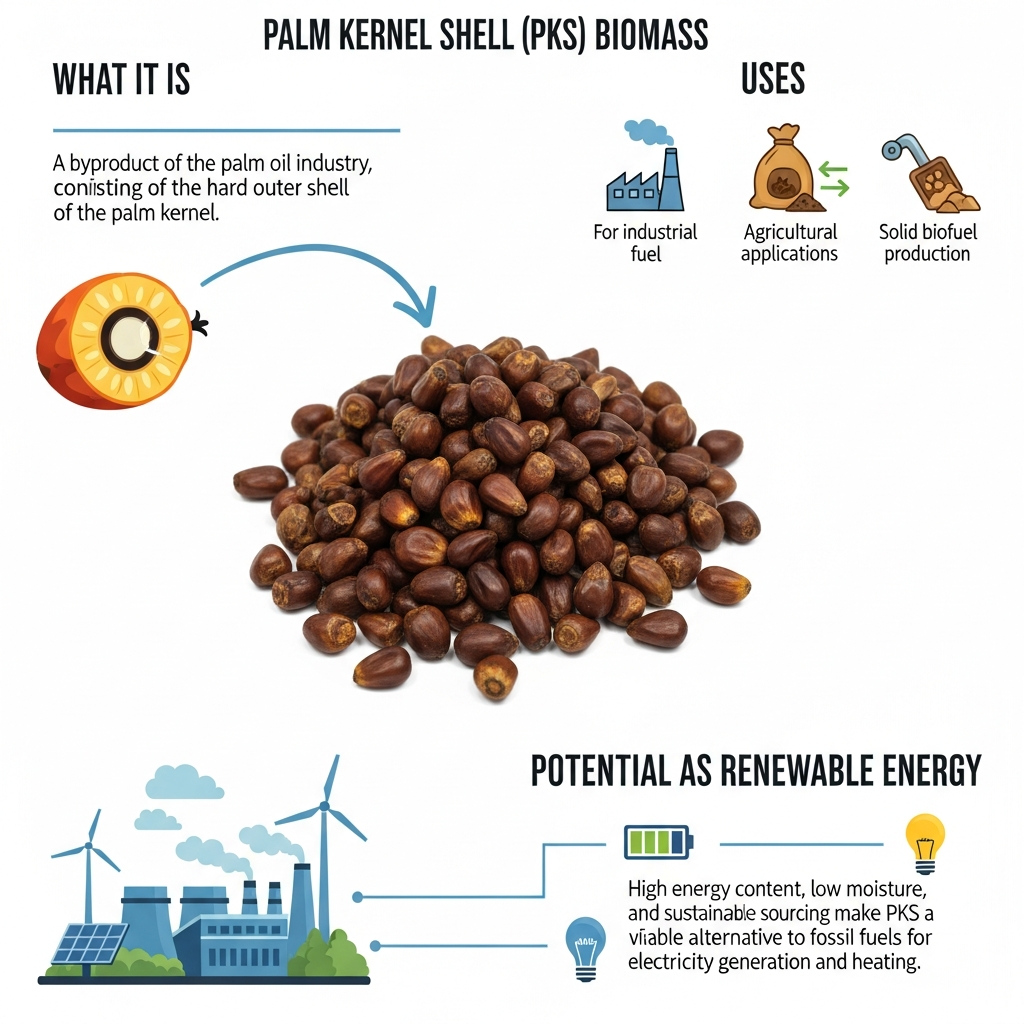
Palm Kernel Shell (PKS) is the lignocellulosic residue remaining after the nut is separated from the palm fruit during the extraction of Palm Kernel Oil (PKO). Historically treated as agricultural waste, PKS has been reclassified as a high-value green commodity. It is sourced primarily from Indonesia and Malaysia, the world’s largest producers of Crude Palm Oil (CPO).
Unlike wood chips or empty fruit bunches (EFB) which often require extensive drying and processing, PKS is naturally low in moisture and ready for combustion immediately after screening. Its physical hardness and high carbon density make it remarkably similar to thermal coal, earning it the nickname “Green Coal” in the energy sector.

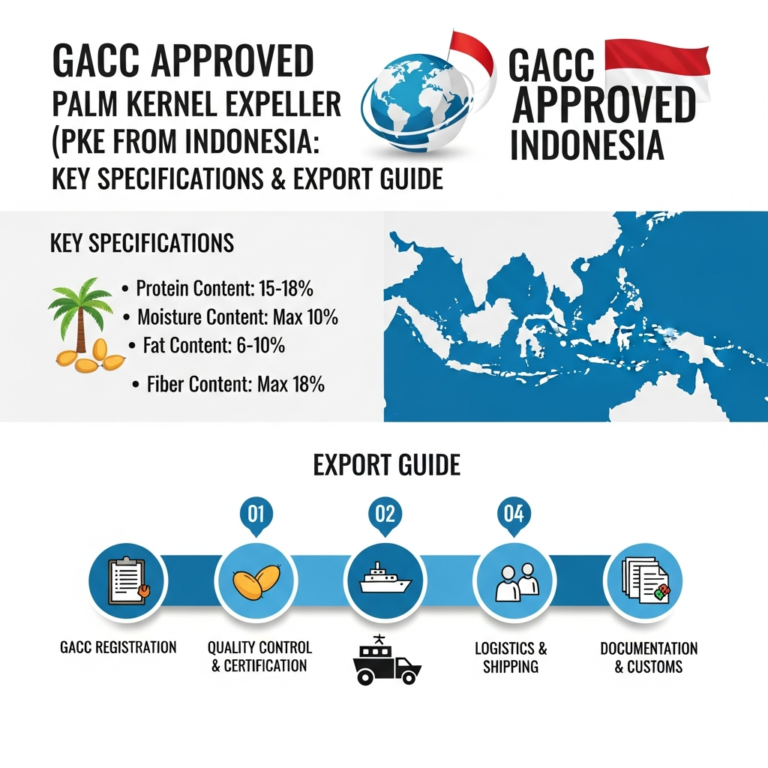
The production process is efficient and sustainable. While the shell is utilized for energy, the kernel inside is processed into oil and Palm Kernel Expeller (PKE), a protein-rich animal feed. This multi-stream utility demonstrates the incredible zero-waste potential of the palm industry.
Technical Specifications of PKS Biomass
The viability of Palm Kernel Shell as a fuel source lies in its superior technical specifications. Compared to other agricultural residues like rice husk or bagasse, PKS offers a much higher energy density, meaning less volume is required to generate the same amount of heat.
Below is the standard specification for export-quality PKS in the 2026 market:
| Parameter | Specification Range | Operational Benefit |
|---|---|---|
| Calorific Value (NCV) | 4,000 – 4,500 kcal/kg | High heat output, comparable to lignite and sub-bituminous coal. |
| Moisture Content | 15% – 20% (as received) | Ensures efficient combustion without pre-drying, saving energy. |
| Ash Content | 3% – 5% | Reduces frequency of boiler cleaning and maintenance downtime. |
| Sulfur Content | < 0.1% | Prevents acid rain formation; compliant with strict emission laws. |
| Volatile Matter | 65% – 70% | Promotes easy ignition and stable flame propagation. |
| Impurities | < 3% | Protects crusher and boiler mechanics from wear and tear. |
The exceptionally low sulfur content is a critical advantage. Burning fossil coal releases significant sulfur dioxide (SO2), requiring expensive desulfurization units (scrubbers) to meet environmental standards defined by the International Energy Agency (IEA). In contrast, Palm Kernel Shell naturally meets these standards, allowing power plants to bypass costly retrofitting.
7 Powerful Renewable Energy Uses in 2026
As technology evolves, the applications for PKS have expanded beyond simple burning. In 2026, industries are utilizing this raw material in seven distinct, high-impact ways.
1. Co-Firing in Coal Power Plants
The most widespread use of Palm Kernel Shell is co-firing. Major utility companies in Japan and South Korea blend PKS with coal (typically at a 5% to 20% ratio) in existing pulverized coal boilers. This process immediately reduces the plant’s carbon footprint and qualifies the operator for renewable energy credits without the need to build new infrastructure.
2. Industrial Biomass Boilers
Dedicated biomass boilers in textile factories, food processing plants, and paper mills rely on PKS for steam generation. The consistent size and density of the shells allow for automated feeding systems, ensuring stable steam pressure critical for manufacturing processes. Unlike Cocopeat, which is better suited for horticulture, PKS provides the intense heat required for industrial applications.
3. Cement Industry Kiln Firing
The cement industry is one of the world’s largest energy consumers. In 2026, many cement manufacturers have shifted to using PKS to heat their rotary kilns. The high calorific value provides the extreme temperatures needed to produce clinker, while the resulting ash incorporates into the cement mixture without compromising structural integrity.
4. Production of High-Grade Activated Carbon
Due to its high density and natural microporous structure, Palm Kernel Shell is an ideal precursor for activated carbon. This high-grade carbon is essential for water filtration systems, gas purification masks, and gold recovery processes. It is often preferred over coal-based carbon due to its hardness and low attrition rate.
5. Smokeless Charcoal Briquettes
PKS is carbonized and compressed to create high-density charcoal briquettes. These smokeless, odorless briquettes are popular for domestic BBQ fuel and industrial metallurgy. They burn longer than traditional wood charcoal and provide a steady, controllable heat source.
6. Biosyngas Production (Gasification)
Advanced energy facilities now utilize gasification technology to convert PKS into biosyngas (a mixture of hydrogen and carbon monoxide). Instead of direct combustion, the shells are heated in an oxygen-starved environment. This syngas can drive gas turbines or be processed into synthetic liquid fuels, representing the cutting edge of 2026 bioenergy tech.
7. Road Construction and Landfill
In geotechnical engineering, treated shells serve as lightweight aggregates for road bases, particularly over peat or swampy terrain. Their gritty texture creates a stable, porous layer that aids drainage and prevents road subsidence, offering a sustainable alternative to quarried stone.
Palm Kernel Shell vs. Coal: The Green Premium
Why are global power generators switching from cheap coal to Palm Kernel Shell? The answer lies in the “Green Premium”—the value added by environmental compliance and operational efficiency.
Comparative Advantages:
- Carbon Neutrality: The CO2 released during PKS combustion is offset by the CO2 absorbed by the oil palm tree during its lifecycle, creating a closed carbon loop.
- Economic Incentives: Governments in the EU and Asia offer substantial carbon tax credits and Feed-in Tariffs (FiT) for biomass energy, making PKS financially competitive despite higher FOB prices compared to low-grade coal.
- Cleaner Combustion: PKS produces significantly less ash (3-5%) compared to coal (10-30%). This reduces waste disposal costs and particulate emissions.
- Equipment Safety: Coal is abrasive and corrosive due to sulfur; PKS is fibrous and gentle, extending the lifespan of boiler tubes and furnace walls.
Recent studies highlighted on ScienceDirect confirm that co-firing biomass like PKS can reduce boiler fouling rates by up to 40% compared to using coal alone.
Sourcing, Sustainability, and Logistics
Securing a reliable supply of Palm Kernel Shell is the primary challenge for importers. Quality consistency varies drastically between palm oil mills. “Kampung” (village) shells often contain high debris, sand, and moisture, which can damage sophisticated machinery.
It is vital to partner with suppliers who employ rigorous screening and magnetic separation processes to remove foreign materials. Reputable exporters also manage a portfolio of related commodities, such as RBD CP8 (Refined Bleached Deodorized Palm Oil) and Copra Meal, ensuring a professional and diversified supply chain.
Traceability and EUDR Compliance
In 2026, the European Union Deforestation Regulation (EUDR) mandates strict traceability. Buyers must prove that their biomass does not originate from recently deforested land. High-quality suppliers provide certification (like RSPO or GGL) and GPS coordinates of source mills.
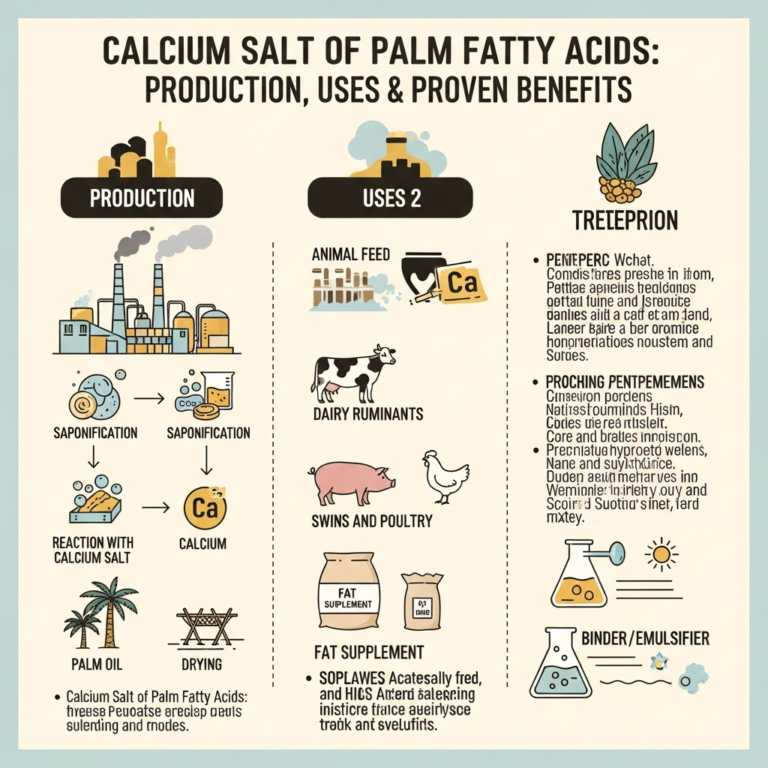
This commitment to sustainability extends to other products as well. For example, Calcium Salts of Palm Oil Fatty Acids are produced with the same rigor for the animal nutrition market, ensuring that every byproduct of the palm tree is utilized responsibly.
For the latest updates on global biomass trade regulations and logistics, Renewable Energy World remains an authoritative resource for industry news.
To view our specific product specifications and availability for export, please visit our product page: Palm Kernel Shell.
Makmur Amanah Sejahtera provides high-quality palm products such as Palm Kernel Expeller, Palm Kernel Shell, Crude Palm Oil, Palm Kernel Oil, etc. Kindly contact us at WhatsApp +6282140002198 or email us at admin@makmuramanah.co.id.
Frequently Asked Questions
Is palm kernel shell considered a renewable energy source?
Yes, Palm Kernel Shell is a certified renewable energy source. It is a biomass by-product that regenerates continuously with palm oil production. Unlike fossil fuels which are finite, PKS is part of a sustainable agricultural cycle, rendering it carbon neutral according to international standards.
What is the typical calorific value of PKS?
The Net Calorific Value (NCV) of screened PKS typically ranges between 3,800 to 4,200 kcal/kg, with Gross Calorific Value (GCV) reaching up to 4,500 kcal/kg. This high energy density makes it superior to wood chips and comparable to thermal coal.
How should PKS be stored to maintain quality?
PKS should be stored in covered warehouses or on concrete pads with waterproof tarps to prevent moisture absorption from rain. Proper ventilation is also crucial to prevent self-heating in large stockpiles, which can degrade the fuel quality over time.
Can PKS be mixed with coal in any boiler?
Most pulverized coal boilers can handle a blend of 5% to 15% PKS without major modification. However, purely grate-fired boilers are best suited for 100% biomass combustion. Operators should always consult their boiler manufacturer regarding “fuel flexibility” before co-firing.
What is the difference between PKS and Palm Kernel Expeller?
PKS is the hard, woody outer shell used for fuel and carbon production. Palm Kernel Expeller (PKE) is the soft, fibrous residue left after crushing the kernel for oil, rich in protein and primarily used as livestock feed.
Conclusion
The global shift toward sustainable power is undeniable, and Palm Kernel Shell stands at the forefront of this energy transition in 2026. Its combination of high calorific output, low sulfur emissions, and versatility across seven key industries makes it a practical solution to modern energy challenges. By choosing high-quality, screened biomass, industries can significantly lower their carbon footprint while maintaining operational efficiency.
Securing a consistent and clean supply is the key to maximizing these benefits. As you plan your energy strategy for the coming year, consider the reliability and environmental advantages that Palm Kernel Shell brings to your operations.
 English
  Indonesian
  Chinese
  Arabic