
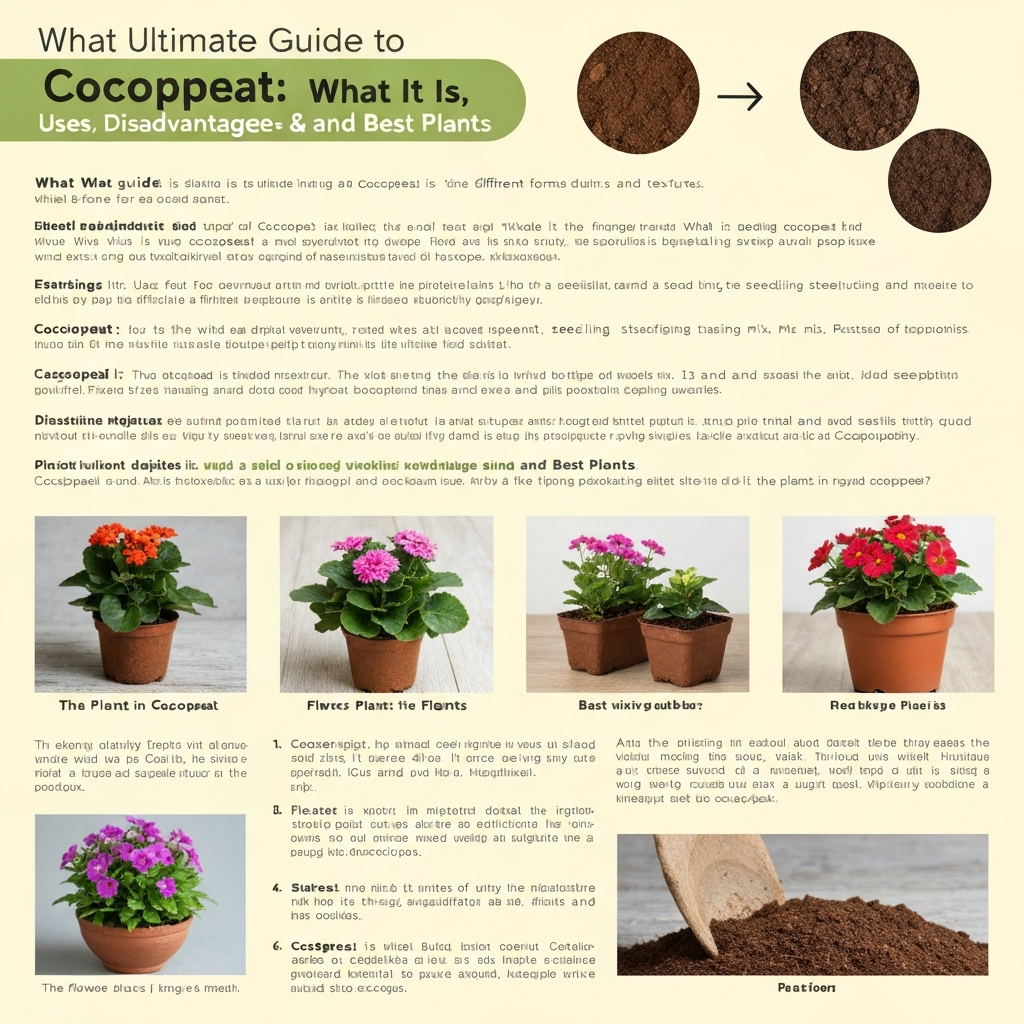
Using cocopeat has completely revolutionized modern gardening, commercial hydroponics, and sustainable agriculture globally in 2026. Are you constantly struggling to maintain optimal soil moisture or tired of dealing with devastating plant root rot? You are certainly not alone in this extremely common agricultural frustration.
Conventional potting soil often fails to provide the perfect balance of aeration and water retention required for sensitive exotic plants. Recent agricultural studies indicate that the global demand for organic soil amendments has surged by over 45% in recent years as growers aggressively abandon unsustainable peat moss. This massive paradigm shift has firmly established coconut byproducts as the undisputed champion of the horticultural world.
What exactly is this miracle growing medium? Cocopeat, also widely recognized by agronomists as coir pith, is a natural fiber meticulously extracted from the thick husks of coconuts. It is a 100% organic, highly biodegradable, and entirely sustainable growing medium that offers extraordinary water retention and exceptional soil aeration properties for all plant types.
What is Cocopeat and How is it Manufactured?
Understanding the fascinating origin of this coconut fiber helps modern growers maximize its vast potential in various growing environments. The transformative journey of this material from a tropical coconut tree to a compressed gardening block is a highly eco-friendly manufacturing process. Factories actively rescue discarded coconut husks that would otherwise be burned as agricultural waste.
[Image: A detailed infographic showing the coconut extraction process from husk to compressed block. | Alt: Cocopeat manufacturing process infographic | Title: How Coconut Coir is Made]
First, skilled manufacturers soak the raw husks in fresh water for several months to soften the incredibly tough fibers, a traditional process called retting. Following this crucial step, heavy machinery mechanically separates the material into long structural fibers and the spongy, dust-like pith. Workers thoroughly wash this raw pith, dry it under the hot tropical sun, and aggressively compress it into lightweight bricks.
Furthermore, high-quality processing ensures that the final consumer product remains entirely free from harmful pathogens and excessive weed seeds. Leading global industry standards demand rigorous freshwater washing to significantly lower the natural electrical conductivity (EC) levels. For detailed scientific insights into complex coir processing, you can review this authoritative agronomy research on coconut fiber.
7 Incredible Uses of Cocopeat in Modern Gardening
You can effectively utilize cocopeat in almost every single phase of agricultural production, from initial seed germination to final harvest. Its remarkable structural stability makes it an absolutely indispensable tool for both amateur indoor gardeners and massive commercial greenhouse operators. Here are the most highly effective applications in gardening today.
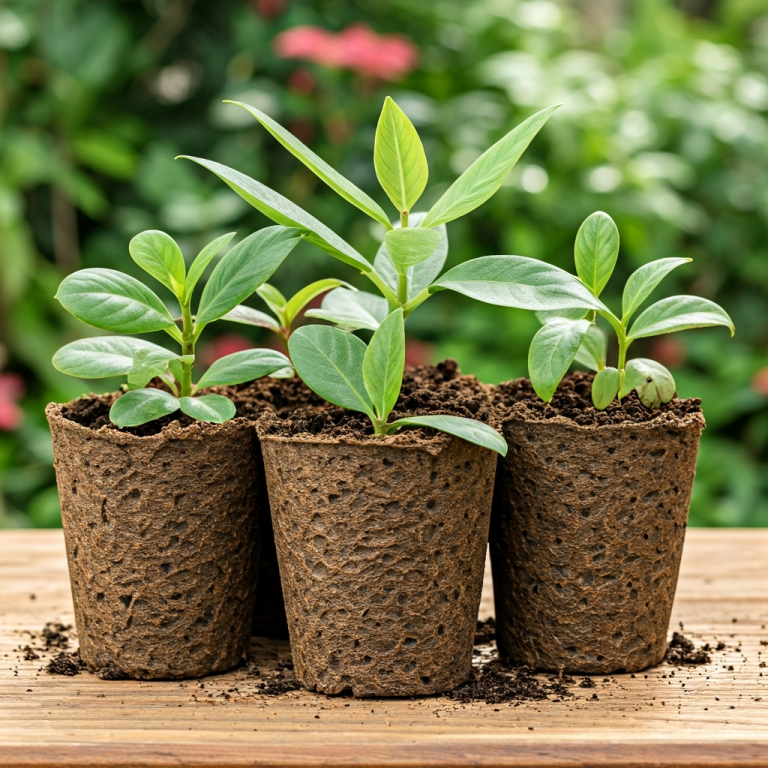
- Seed Germination: Its remarkably light texture allows fragile seedling roots to deeply penetrate the medium easily.
- Hydroponic Farming: It acts as a phenomenal inert, sterile anchor for delicate root systems in advanced water-based setups.
- Soil Amendment: Mixing it vigorously with heavy, compacted clay soils dramatically improves necessary drainage and vital aeration.
- Mushroom Cultivation: It readily provides the perfect sterile, high-moisture casing layer required for abundant fungi growth.
- Worm Bedding: Dedicated vermiculture enthusiasts consistently use it to create an ideal, breathable environment for composting earthworms.
- Reptile Bedding: Glass terrariums greatly benefit from its unique ability to hold ambient humidity without easily molding.
- Potting Mix Base: It reliably serves as the fundamental primary ingredient in premium, expensive container gardening blends.
Mastering Cocopeat Seed Germination Workflows
Successfully starting seeds requires a very delicate balance of consistent moisture and fresh oxygen to strictly prevent damping-off disease. Traditional heavy potting soils often compact too tightly, suffocating tender young roots before they can establish properly. In stark contrast, coconut pith magically maintains tiny microscopic air pockets even when completely saturated with heavy water.
To achieve the absolute highest germination rates, properly hydrate your compressed brick with warm water and a highly diluted, mild nutrient solution. You can easily learn considerably more about building optimal commercial seedling environments through the esteemed USDA National Institute of Food and Agriculture.
The Structural Backbone of Commercial Hydroponics
Advanced hydroponic growers passionately demand substrates that remain chemically inert and structurally stable over exceptionally long growing seasons. This organic coconut fiber perfectly fits the bill by firmly holding water while forcefully resisting rapid bacterial decomposition. Consequently, it allows intelligent farmers to strictly control the exact nutrient uptake of their valuable crops without unexpected soil chemical reactions.
[Image: Commercial greenhouse showing tomato plants growing in white hydroponic grow bags. | Alt: Hydroponic tomatoes growing in pure coir bags | Title: Commercial Hydroponic Farming]
By purposefully transitioning to this specific medium, massive commercial tomato and cucumber farms have proudly reported consistent yield increases of up to 20%. Moreover, using this substrate completely eliminates the terrible need for harsh, toxic soil fumigants traditionally used to dangerously combat destructive soil-borne pathogens.
The Incredible Advantages of Cocopeat
Why exactly should you completely switch from traditional, dusty peat moss to this vibrant tropical alternative? The massive environmental and horticultural benefits are simply impossible to ignore for serious, dedicated growers in 2026. Let us deeply explore the primary compelling reasons this versatile substrate completely dominates the modern horticultural market.
Firstly, this natural material genuinely possesses an extraordinary water-holding capacity, effortlessly retaining up to ten times its dry weight in water. This drastically reduces the tedious frequency of irrigation required, saving both valuable time and increasingly precious global water resources. Additionally, it amazingly re-wets instantly upon contact, unlike thoroughly dried peat moss which notoriously repels water.
Secondly, it proudly boasts a near-neutral pH range of 5.5 to 6.8, which is chemically perfect for most common delicious vegetables and beautiful ornamental plants. You rarely ever need to add messy agricultural lime to chemically adjust the high acidity, significantly streamlining your soil preparation process. When you source premium cocopeat directly, you instantly guarantee a safe, perfectly optimal environment for your precious, expensive crops.
Enhancing Aeration and Drainage Capabilities
Beyond exceptional moisture management, this remarkable organic matter naturally enhances overall soil porosity. When incorporated into dense gardens, this amendment forcefully prevents destructive soil compaction, ensuring essential oxygen flows freely to actively respiring roots.
Healthier root systems inevitably translate to dramatically more vigorous top growth and noticeably higher yields. Furthermore, this enhanced aeration actively prevents the deadly proliferation of anaerobic bacteria, effectively safeguarding your valuable crops against catastrophic root rot.
Known Disadvantages of Cocopeat (And How to Fix Them)
Despite its miraculous, widely praised properties, absolutely no agricultural substrate is entirely without minor flaws or manageable challenges. Thoroughly understanding the disadvantages of using this medium allows you to proactively expertly manage them and continuously achieve spectacular, heavy harvests. Let us critically look at the most common chemical issues modern growers face.
Unwashed raw coconut coir naturally contains highly elevated levels of sodium and potassium salts strictly derived from its original coastal origins. If not properly and deeply leached, these harsh salts can severely burn sensitive plant roots and completely stunt vegetative growth. Therefore, always strictly ensure you purchase premium buffered coir and thoroughly washed agricultural products to brilliantly avoid this dangerous salinity issue.
Addressing the Calcium and Magnesium Lockout
Furthermore, raw coir naturally binds aggressively to available calcium and magnesium, potentially causing frustrating nutrient lockouts in heavily feeding, fast-growing crops. This cation exchange capacity (CEC) issue is the absolute most common hurdle for novice indoor gardeners.
You can incredibly easily fix this chemical imbalance by expertly pre-treating the raw medium with a specialized agricultural Cal-Mag supplement immediately before planting. Alternatively, purchasing pre-buffered coconut coir entirely eliminates this specific chemical headache, allowing immediate, safe planting.
| Crucial Feature | Premium Cocopeat | Sphagnum Peat Moss |
|---|---|---|
| Global Sustainability | Highly renewable (sustainably harvested every 45 days) | Non-renewable (takes many centuries to slowly form) |
| Natural pH Level | Perfectly Neutral (5.5 – 6.8) | Highly acidic (3.5 – 4.5) |
| Water Retention | Excellent, instantly re-wets upon watering | Good, but strongly repels water when fully dry |
| Environmental Impact | Extremely low global carbon footprint | Devastatingly High (destroys vital ecological carbon sink bogs) |
The Best Plants to Grow in Cocopeat
While almost any robust botanical specimen can survive in this medium, certain specific varieties aggressively respond exceptionally well to its unique airy structure. Plants that inherently demand incredibly high oxygenation directly at the root zone absolutely flourish in this spongy, wet material. Here are the documented top performers specifically optimized for this specific agricultural substrate.
[Image: A vibrant indoor jungle featuring healthy monstera and pothos plants in terracotta pots. | Alt: Thriving houseplants growing in coir soil mix | Title: Best Plants for Coir]
- Tropical Houseplants: Beautiful Monstera, trailing pothos, and lush philodendrons deeply love the airy, well-draining coir environment that perfectly mimics their natural, rich forest floor habitat.
- Delicious Vegetables: Juicy tomatoes, crisp peppers, and heavy cucumbers constantly demonstrate explosive, rapid growth when properly grown in pure coir grow bags.
- Exotic Orchids and Ferns: The exceptionally high humidity retention effectively prevents delicate, fragile fern fronds from painfully crisping up in dry, stale indoor air.
For deeper insights into advanced vegetable cultivation using sustainable mediums, please consult the esteemed Royal Horticultural Society guidelines.
Cocopeat vs. Alternative Sustainable Mediums
The fast-paced agricultural industry constantly rapidly innovates, consistently introducing new eco-friendly, potent alternatives to traditional degraded soil and destructive peat. Comparing different available biomass byproducts dramatically helps you intelligently select the absolute perfect natural amendment for your highly specific agricultural needs. Let us comprehensively compare this material directly against other incredibly popular, sustainable palm-based agricultural products.
For instance, intelligently integrating Palm Kernel Shell deeply into the bottom of large planters beautifully creates an absolutely excellent, sustainable drainage layer. While the spongy pith safely holds essential moisture directly at the top, the tough, rigid shells absolutely ensure excess heavy water escapes rapidly. This strategic combination reliably creates an unstoppable, highly eco-friendly container gardening system.
Additionally, while coconut pith absolutely excels at strict moisture management, it predictably lacks the raw, dense nutritional value heavily found in certain complex organic fertilizers. Smart commercial farmers frequently thoughtfully supplement their strict organic operations with highly nutritious, high-protein Palm Kernel Expeller to properly feed incredibly beneficial soil microbes.
Furthermore, diversified agricultural enterprises can strategically leverage other byproducts to maximize their operational efficiency. Incorporating high-quality Copra Meal into your holistic farm management ensures zero-waste practices while providing excellent livestock nutrition. You can easily research the broader, fascinating applications of global biomass through highly authoritative sources like Wikipedia’s Biomass resource.
Frequently Asked Questions About Cocopeat
Even highly seasoned, deeply experienced master gardeners often proudly have highly specific queries when successfully transitioning to this sustainable growing medium. Below, we completely address the absolute most common, pressing concerns to definitively ensure your ongoing horticultural success.
What is cocopeat used for?
Cocopeat is primarily utilized as a potent organic soil amendment, a completely standalone commercial hydroponic growing medium, and a highly sterile seed-starting substrate. Its exceptional water retention and vastly superior aeration practically make it absolutely ideal for commercial greenhouses, indoor terrariums, and residential container gardening.
Can plants grow in just cocopeat?
Yes, absolutely. Plants can vigorously grow entirely in pure coir, strictly provided you consistently supply them with external liquid hydroponic nutrients. Because the tough fiber is naturally chemically inert and totally lacks essential agricultural macronutrients, disciplined growers must rigorously implement a strict, highly consistent fertilization schedule.
How do you wash cocopeat before use?
Carefully place the solid compressed block securely in a very large container and submerge it entirely in clean warm water. Once fully expanded, carefully place the loose fibers safely in a fine mesh strainer and incredibly thoroughly rinse them directly under fresh, fast-running clean water.
Is cocopeat better than soil?
Cocopeat provides far superior root aeration, strictly guarantees absolute zero dangerous soil-borne diseases, and consistently holds life-saving moisture much more efficiently than traditional dry garden dirt. While not universally better, it is vastly advantageous for highly specific hydroponic and seed-starting agricultural applications.
Does cocopeat expire?
No, completely dry, heavily compressed coconut coir blocks simply do not quickly expire and can absolutely be stored indefinitely in a dark, cool, dry environment. Even when properly hydrated and heavily used in wet pots, the incredibly sturdy, tough lignin fibers slowly take up to four years to break down entirely.
[Image: A beautiful YouTube-style video thumbnail showing a gardener explaining soil mixing techniques. | Alt: Video guide on mixing cocopeat for gardening | Title: Ultimate Cocopeat Mixing Guide]
Final Thoughts on Cocopeat
Fully embracing highly sustainable agricultural practices is absolutely no longer a mere optional luxury; it is an absolute strict necessity for the very survival and future of our planet. By intelligently replacing highly environmentally destructive harvested peat moss with infinitely renewable, smart alternatives like coconut coir, you actively positively contribute to vital global ecological conservation efforts. Consequently, your happy plants will generously reward you with explosive, rapid growth, incredibly vibrant foliage, and overwhelmingly bountiful, immensely heavy harvests.
Whether you are a passionate weekend hobbyist carefully sprouting tiny seeds or a massive commercial farmer aggressively managing sprawling acres of complex hydroponics, this specific substrate constantly delivers entirely unmatched, incredible performance. We highly passionately recommend bravely experimenting with this genuinely remarkable organic material directly in your very next major agricultural planting project. Start aggressively optimizing your entire garden today with premium cocopeat, the absolute undisputed champion of modern, highly eco-friendly agriculture!
 English
  Indonesian
  Chinese
  Arabic