
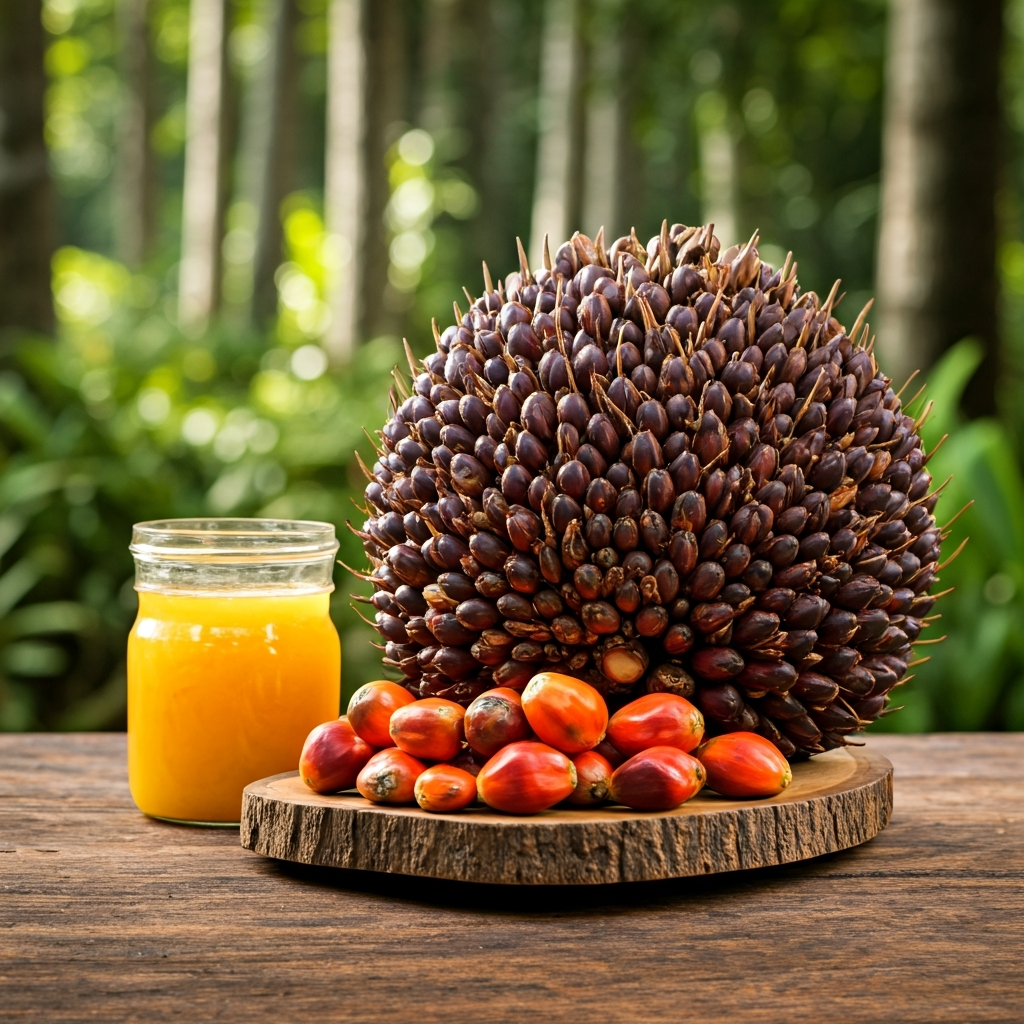
Palm Kernel Expeller: Your #1 Essential Guide (2026)
The Palm Kernel Expeller is a cornerstone of modern livestock nutrition, yet many farmers are unaware of its full potential to enhance profitability and animal health. If you”’re seeking a cost-effective, high-energy feed ingredient, this guide is your definitive resource.
The challenge of rising feed costs is a constant pressure in the agricultural sector. For savvy farm managers and livestock nutritionists, finding an ingredient that balances price, performance, and availability is the key to a successful operation. This comprehensive guide explores every facet of Palm Kernel Expeller, providing the solution you”’ve been looking for.
What is Palm Kernel Expeller (PKE)? A Definitive Answer
Palm Kernel Expeller (PKE) is a high-energy, medium-protein animal feed supplement derived from the mechanical extraction of oil from the kernel of the oil palm fruit. As a crucial co-product of the global palm oil industry, it is prized for its excellent balance of fiber, energy, and protein. This makes it an incredibly valuable and cost-effective component in livestock rations for various animals, especially ruminants.
Furthermore, its widespread availability and consistent nutritional profile have made it a staple ingredient for feed manufacturers and farmers globally. Unlike other feed inputs with volatile prices, PKE often provides a more stable and predictable cost base.

From Palm Fruit to Expeller: The Production Process Explained
The journey of PKE begins with the oil palm fruit. After the fruit”’s flesh is pressed to extract Crude Palm Oil (CPO), the hard nut remains. Inside this nut lies the palm kernel.
The kernels are separated, dried, and then crushed in a mechanical press (an expeller) to squeeze out the valuable Palm Kernel Oil (PKO).
The solid, nutrient-rich material left behind is the Palm Kernel Expeller. This process is entirely mechanical, avoiding the use of solvents, which makes it a clean and natural feed ingredient. The quality of the final PKE depends on the efficiency of the oil extraction and the amount of shell remaining.
Palm Kernel Expeller vs. Palm Kernel Cake: What”’s the Difference?
The terms “Palm Kernel Expeller” and “Palm Kernel Cake” are often used interchangeably, but a technical difference exists based on the oil extraction method. PKE is produced via mechanical pressing, which leaves a residual oil content of around 5-12%. In contrast, Palm Kernel Cake is typically produced using solvent extraction, resulting in a lower oil content (1-5%). For animal feed, the higher energy content of PKE is often preferred. A similar product in the feed industry is Copra Meal, which is derived from coconuts but shares some nutritional properties with PKE.
Key Physical and Chemical Characteristics of Palm Kernel Expeller
- Color: Light to medium brown.
- Texture: Gritty, fibrous, and granular.
- Smell: A characteristic nutty aroma.
- Density: Bulk density ranges from 500-600 kg/m³.
- Moisture Content: Should be below 12% to prevent mold and ensure stability.
The Nutritional Profile of Palm Kernel Expeller
Understanding the nutritional composition of PKE is essential for its effective use in feed formulation. It is considered an “energy and protein” feed, offering a balanced profile that complements other ingredients. According to research published in the Journal of the Saudi Society of Agricultural Sciences, PKE is a significant source of metabolizable energy.
Macronutrient Breakdown: Protein, Fiber, and Fat Content
The typical nutritional values can vary slightly based on the source and processing method, but generally fall within these ranges:
- Crude Protein: 14% – 21%. While not as high as soybean meal, it provides a valuable source of amino acids.
- Crude Fiber: 13% – 20%. The high fiber content is particularly beneficial for digestive health in ruminants.
- Crude Fat (Residual Oil): 5% – 12%. This high fat content makes PKE an excellent source of energy.
Essential Minerals and Vitamins in PKE
Moreover, PKE is a good source of several essential minerals, although supplementation is still necessary for a fully balanced diet. Key minerals include:
- Phosphorus (0.4-0.7%)
- Potassium (0.7-0.9%)
- Magnesium (0.2-0.4%)
- Trace amounts of Copper, Zinc, and Manganese
It”’s important to note that, like many plant-based ingredients, PKE”’s phosphorus is partly bound as phytate, which may require the use of phytase enzymes in monogastric diets (poultry and swine) to improve absorption.
Top 7 Amazing Benefits of Using PKE in Animal Feed
Integrating PKE into your feeding strategy offers a multitude of advantages that go straight to the bottom line.
- Exceptional Cost-Effectiveness: PKE is consistently one of the most competitively priced feed ingredients on the market, offering significant cost savings over alternatives like soybean meal or corn.
- High-Energy Content: The high residual oil content provides a dense source of energy, promoting weight gain in beef cattle and supporting milk production in dairy cows.
- Promotes Rumen Health: Its high fiber content stimulates rumination and saliva production, acting as a buffer to maintain a healthy rumen pH and prevent acidosis.
- Reduces Methane Emissions: Studies have shown that the specific type of fat in PKE can help reduce methane production in ruminants, a significant environmental benefit.
- High Palatability for Cattle: Most ruminants find the nutty flavor of PKE highly palatable, encouraging consistent feed intake.
- Sustainable and Available: As a co-product, PKE utilizes material that would otherwise be wasted, contributing to a more sustainable agricultural cycle. Its global production ensures year-round availability.
- Versatile Application: While ideal for cattle, PKE can be effectively formulated into diets for sheep, goats, and, with careful balancing, poultry and swine.

Applications of Palm Kernel Expeller Across Industries
While its primary use is in animal feed, the utility of Palm Kernel Expeller extends to other innovative applications, showcasing its versatility.
The Role of Palm Kernel Expeller in Ruminant Diets (Cattle, Goats)
This is where PKE truly shines. For dairy and beef cattle, it serves as a perfect component of a Total Mixed Ration (TMR). Its “safe” combination of slow-release energy and fiber makes it difficult to overfeed and cause the metabolic issues associated with high-starch diets.
The use of palm kernel expeller for cattle feed is a proven strategy for increasing milk fat or improving body condition score cost-effectively. Many farmers also formulate feed using Calcium Salts of Palm Oil Fatty Acids in conjunction with PKE for high-producing dairy cows.
PKE Formulation for Poultry and Swine Feeds
Using PKE in monogastric diets requires more expertise. Due to its high fiber content, inclusion rates are generally lower for poultry and swine (typically under 20%). However, it can be used effectively to lower feed costs, often with the addition of enzymes to help break down the fiber and improve nutrient absorption.
Beyond Livestock: PKE as a Biofuel and Organic Fertilizer
The utility of palm co-products is vast. PKE, with its decent energy value, can be combusted as a solid biofuel, often mixed with more energy-dense materials like Palm Kernel Shell to generate power in biomass plants. This practice is central to the sustainability claims of the palm industry, as highlighted by organizations like the Food and Agriculture Organization of the UN. Furthermore, in its raw form, it serves as an excellent organic fertilizer, slowly releasing nutrients into the soil. Similarly, other palm co-products like Cocopeat are becoming essential in horticulture as sustainable growing mediums.
PKE vs. Other Feed Ingredients: A Cost-Benefit Analysis (2026)
Choosing the right feed ingredients is a strategic decision. While PKE may not have the highest protein content, its overall package of energy, fiber, and low cost makes it a formidable competitor to other common ingredients.
| Feature | Palm Kernel Expeller (PKE) | Soybean Meal | Copra Meal |
|---|---|---|---|
| Protein % | 14-21% (Medium) | 44-48% (High) | 18-25% (Medium) |
| Fiber % | 13-20% (High) | 3-5% (Low) | 10-12% (Medium-High) |
| Energy (ME) | High | Medium-High | High |
| Price (2026 est.) | Cost-Effective | High | Moderate |
| Key Use | Ruminant energy/fiber | All livestock protein | Ruminant/swine protein |
Navigating the Palm Kernel Expeller Market: Price & Quality
Successfully procuring high-quality PKE at a fair price requires market knowledge. As an expert in palm product sourcing, I”’ve seen how quality and reliability can make or break a feeding program.
Factors Influencing PKE Price in 2026
The price of PKE is dynamic and influenced by several factors:
- Crude Palm Oil (CPO) Price: The primary driver. When CPO prices are high, production increases, leading to more available PKE, which can lower its price.
- Global Demand: Key importers like New Zealand, Europe, and China heavily influence demand.
- Feed Ingredient Complex: The prices of competing ingredients like soybean meal and DDGS directly impact PKE”’s attractiveness. Industry publications like FeedNavigator are essential for tracking these trends.
- Freight Costs: As a bulk commodity, shipping costs play a major role in the final landed price.
- Government Policies: Export levies or biofuel mandates in producing countries can restrict supply and increase prices.
How to Assess the Quality of Palm Kernel Expeller
Not all PKE is created equal. When purchasing, focus on these key quality indicators:
- Low Shell Content: A high shell content (from the kernel”’s shell) dilutes nutritional value and can indicate poor processing. Look for a shell content below 10%.
- Moisture Level: Ensure moisture is under 12% to prevent mold growth and spoilage during storage.
- Protein and Fat Analysis: Request a Certificate of Analysis (COA) to verify the product meets the promised nutritional specifications.
- Color and Smell: Dark brown or black color, or a sour/musty smell, are red flags indicating potential heat damage or mold.

Finding Reliable PKE Suppliers
Your supplier is your partner in quality control. A reliable supplier will provide consistent product, transparent pricing, and accurate documentation. They understand the importance of products like RBD CP8 and PKE in the global supply chain. When you need a trusted source, it”’s crucial to partner with a reliable supplier of Palm Kernel Expeller who can guarantee quality and timely delivery.
Frequently Asked Questions about Palm Kernel Expeller
What is the main use of Palm Kernel Expeller?
The primary use of Palm Kernel Expeller is as a key ingredient in animal feed, particularly for ruminants like dairy and beef cattle. Its high energy and fiber content, combined with its cost-effectiveness, make it an ideal choice for balancing livestock rations and improving profitability.
Is PKE good for dairy cows?
Yes, PKE is exceptionally good for dairy cows. Its high fiber content supports healthy rumen function, while its energy density helps maintain milk production and body condition. It is a “safe” feed that reduces the risk of acidosis associated with high-grain diets.
What is the difference between Palm Kernel Expeller and Soybean Meal?
The main difference lies in their nutritional profiles. Palm Kernel Expeller is a medium-protein, high-energy, high-fiber feed. Soybean meal is a high-protein, medium-energy, low-fiber feed. They serve different purposes, with SBM being a primary protein source and PKE being a balanced energy and fiber source.
How do I store PKE properly?
Proper storage is crucial to maintain quality. PKE should be stored in a cool, dry, and well-ventilated area away from direct sunlight and pests. Ensure it is placed on a dry surface or pallets to prevent moisture absorption from the ground, which can lead to mold.
What”’s the average protein content in PKE?
The average crude protein content in Palm Kernel Expeller typically ranges from 14% to 21%. This makes it a valuable source of protein, although it is generally used more for its combined energy, fiber, and protein profile rather than as a sole high-protein concentrate.
Where can I buy high-quality Palm Kernel Expeller?
You can purchase high-quality PKE from reputable agricultural commodity suppliers who specialize in palm products. It is vital to choose a supplier that provides a Certificate of Analysis and can guarantee consistent quality, low shell content, and proper moisture levels for optimal feed performance.
Conclusion: The Undeniable Value of Palm Kernel Expeller in 2026
In the competitive landscape of modern agriculture, success is defined by efficiency, sustainability, and profitability. As this guide has demonstrated, Palm Kernel Expeller is a powerful tool that delivers on all three fronts. From its robust nutritional profile to its market-beating cost-effectiveness, PKE offers a strategic advantage that is impossible to ignore.
By integrating it thoughtfully into your feeding program, you can enhance animal health, improve production outcomes, and achieve significant cost savings. The future of profitable and sustainable livestock farming involves making smart choices with high-performing ingredients. In 2026 and beyond, the clear choice for a balanced, energy-rich, and economical feed solution is, without a doubt, Palm Kernel Expeller.

 English
  Indonesian
  Chinese
  Arabic