
GACC Approved PKE: The Ultimate Guide & Supplier List 2026
Importing Palm Kernel Expeller into China requires one non-negotiable standard: the product must be GACC Approved PKE. Navigating the complex web of import regulations can be daunting, but failing to secure a compliant supply chain leads to costly seizures and damaging delays. This guide provides the definitive roadmap to understanding GACC requirements and securing a reliable supplier.
For years, the Chinese market has been a primary destination for animal feed ingredients, with demand consistently on the rise. However, with this opportunity comes stringent regulation. The General Administration of Customs of the People’s Republic of China (GACC) enforces a rigorous system to ensure the safety and quality of all imported agricultural products.
According to data from China’s Ministry of Agriculture, the country’s feed production exceeds 290 million tons annually, making market access a critical goal for global exporters. Understanding the GACC framework isn’t just about compliance; it’s about successfully tapping into one of the world’s largest consumer markets.
What Exactly is GACC Approved PKE?
GACC Approved PKE is Palm Kernel Expeller that originates from an overseas production facility officially registered and approved by the General Administration of Customs of China. This registration certifies that the facility meets China’s stringent inspection, quarantine, and food safety standards.
It is not merely a product certification. It is a comprehensive approval of the entire manufacturing, storage, and handling process, ensuring full traceability and safety from the origin facility to the destination port in China.
This approval is a mandatory prerequisite for legal entry into the Chinese market. Without this registration, shipments of PKE will be rejected at the port of entry, resulting in significant financial losses for both the importer and the exporter. Therefore, sourcing from a GACC-certified supplier is the most critical step in the entire procurement process.
From AQSIQ to GACC: Understanding the Change
Veterans of the import/export industry will remember the former regulatory body, AQSIQ (General Administration of Quality Supervision, Inspection and Quarantine). In 2018, AQSIQ’s responsibilities for entry-exit inspection and quarantine were integrated into the newly formed GACC.
This strategic consolidation streamlined authority, placing all customs and import safety checks under a single, powerful entity. This means that any old “AQSIQ licenses” are now obsolete. Suppliers must hold a current and valid registration directly with GACC. Verifying this updated status is essential, as relying on outdated credentials is a common and costly mistake for inexperienced buyers.
The Role of PKE in Animal Nutrition
Palm Kernel Expeller (PKE) is a high-value co-product of the palm oil extraction process. It is widely used in compound feeds for ruminants, such as dairy cattle and beef cattle, due to its high fiber and moderate protein content. A study highlighted in the Journal of Animal Science confirms its effectiveness in promoting healthy digestion and providing cost-effective energy for livestock.
Its balanced nutritional profile makes it a crucial ingredient in optimizing feed rations. While PKE is a top choice, other ingredients like Copra Meal also play a vital role in formulating diverse feed rations. As the global demand for meat and dairy grows, so does the need for sustainable and effective feed components like Palm Kernel Expeller, making its uninterrupted supply a matter of global food security.
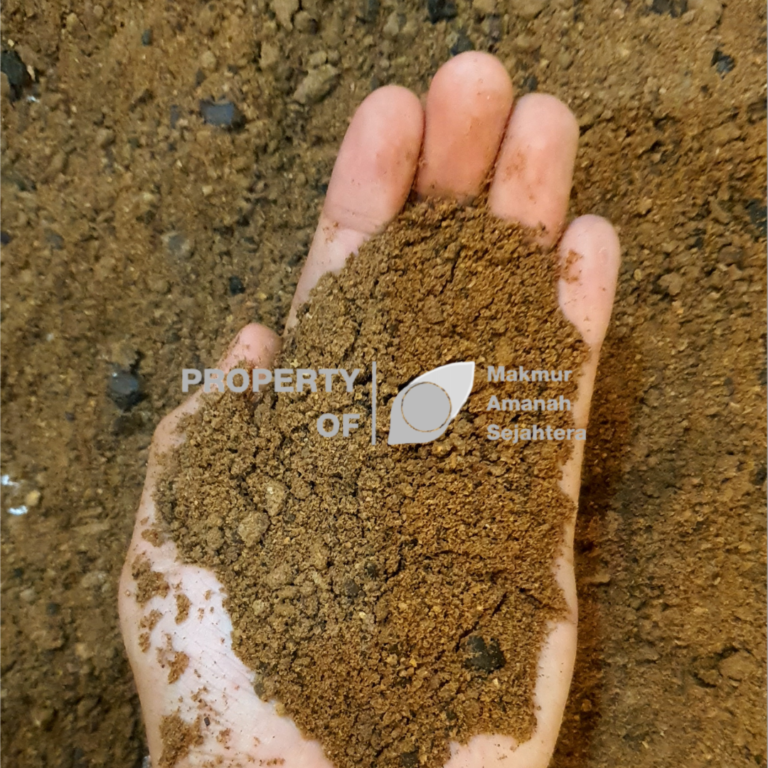
[Image: A detailed close-up shot of high-quality Palm Kernel Expeller pellets, showing their texture and color. | alt=”A pile of GACC Approved PKE pellets ready for export.” | title=”High-Quality Palm Kernel Expeller”]
Why Sourcing GACC Approved PKE is Non-Negotiable
Attempting to import PKE from a non-approved facility into China is a high-risk gamble with severe consequences. The GACC’s digital-first approach to customs clearance means that shipment data is cross-referenced against the official database of registered overseas establishments in real-time. Any mismatch results in an immediate red flag.
The risks of non-compliance are not limited to a single rejected shipment. The potential repercussions include:
- Shipment Seizure and Destruction: The most immediate outcome is the refusal of entry, often followed by an order for the goods to be destroyed at the importer’s expense.
- Heavy Fines and Penalties: GACC can levy substantial fines on importers who attempt to bring in non-compliant goods, impacting profitability directly.
- Inclusion on a Blacklist: Companies, both importers and exporters, can be placed on a customs blacklist, leading to heightened scrutiny on all future shipments and potentially a complete ban from the market.
- Severe Supply Chain Disruptions: A rejected shipment can halt production for downstream manufacturers who rely on the ingredient, causing cascading operational and financial damage.
The True Cost of Non-Compliance: A Real-World Scenario
Consider an importer who, chasing a lower price, decided to purchase from a supplier with an expired GACC registration. The shipment was flagged upon arrival in Shanghai. Not only was the entire multi-ton shipment seized and destroyed (at the importer’s cost), but the importer was also fined and placed on a “watch list,” causing severe delays for all their subsequent imports for months. This single misstep in sourcing non-compliant PKE cost them hundreds of thousands in direct losses and reputational damage.
Furthermore, sourcing GACC Approved PKE demonstrates due diligence and a commitment to quality, building trust with both regulators and end-users. As reported by major news outlets like Reuters, China’s import regulations are continuously evolving, making a compliant partner essential. You can learn more about the specific regulations on the official GACC website.
How to Verify a Supplier’s GACC Registration (5-Step Guide)
Due diligence is paramount. Never take a supplier’s claim of “GACC approved” at face value. Follow this proven 5-step process to verify their status and protect your investment. This simple verification can save you from immense financial and logistical nightmares when sourcing your GACC Approved PKE.
- Request the GACC Registration Number: Ask the potential supplier to provide their unique registration number for their PKE facility. A legitimate, registered supplier will provide this without hesitation. This is your primary key for verification.
- Use the Official GACC Database: GACC maintains a public online portal for checking registrations. Input the number or company name to find their listing. Be meticulous with spelling, as the system requires exact matches.
- Verify the Product Scope: A GACC registration is specific. Ensure the supplier’s approval explicitly includes “Palm Kernel Expeller.” Approval for another product, like Palm Kernel Shell, does not cover PKE.
- Check the Certificate’s Validity Date: Registrations are granted for a fixed period (typically 5 years). Confirm the supplier’s registration is active and not expired for 2026. An expired certificate is as good as no certificate at all.
- Cross-Reference with Company Documents: Match the company name and address on the GACC registration with the supplier’s business license, invoices, and shipping documents. This ensures you are dealing with the correct, certified entity.
Essential Documents for Verification
To support your verification process, ask a potential supplier for copies of key documents. A transparent partner should be willing to provide them. Cross-reference these with the GACC database:
- The official GACC Registration Certificate.
- A recent Bill of Lading (B/L) for a shipment to China.
- Certificate of Origin for the product.
- A business license showing their registered company name and address.
[Image: Infographic detailing the 5 steps to verify a GACC supplier. Each step has an icon and a short description. | alt=”Infographic showing the process to verify GACC Approved PKE suppliers.” | title=”How to Verify GACC Approved PKE Suppliers”]
Key Differences: GACC Approved PKE vs. Standard PKE
While the base product may appear identical, the difference between standard PKE and GACC Approved PKE lies in the process, traceability, and ultimate market access. The distinction is not in the nutritional value but in the regulatory compliance and quality assurance systems backing the product.
Here is a clear comparison of what sets them apart:
| Attribute | GACC Approved PKE | Standard PKE |
|---|---|---|
| China Market Access | Guaranteed legal entry | Entry prohibited; will be rejected |
| Facility Registration | Facility registered and audited by GACC | No GACC registration required |
| Traceability | Full traceability system in place per GACC rules | Traceability standards may vary; not GACC compliant |
| Risk Profile | Low risk; compliant and safe for import | High risk; subject to seizure, fines, and blacklisting |
| Supplier Trust | High trust; demonstrates commitment to quality and regulation | Trust must be established through other means |
This table clearly illustrates that the “GACC Approved” designation is a crucial marker of quality assurance and regulatory fitness. It is the single most important factor when sourcing PKE for the Chinese market. Some suppliers may also offer other high-quality feed ingredients like Calcium Salts of Palm Oil Fatty Acids, which fall under different but equally strict regulations.
Makmur Amanah Sejahtera provides high-quality palm products such as Palm Kernel Expeller, Palm Kernel Shell, Crude Palm Oil, Palm Kernel Oil, etc. Kindly contact us at WhatsApp +6282140002198 or email us at admin@makmuramanah.co.id.
[Image: A large cargo ship being loaded with sacks of PKE at a port, representing the export process. | alt=”A cargo ship being loaded with GACC Approved PKE for export to China.” | title=”Exporting GACC Approved PKE”]
Frequently Asked Questions (FAQ)
What is the full form of GACC?
GACC stands for the General Administration of Customs of the People’s Republic of China. It is the unified government agency responsible for all customs administration, including the critical inspection and quarantine of all goods, like animal feed ingredients, entering or exiting China.
Can I import non-GACC PKE into China?
No. It is illegal to import Palm Kernel Expeller from a facility that has not been registered and approved by GACC. Any attempt to do so will result in the shipment being seized at the port of entry, likely destroyed, and may lead to heavy fines.
How long does GACC registration take for a PKE facility?
The process for a new facility to obtain GACC registration can be lengthy and complex, often taking anywhere from 12 to 24 months. It involves submitting detailed documentation, undergoing potential facility audits, and navigating a complex approval process, making pre-approved suppliers highly valuable.
Is GACC the same as AQSIQ?
No. GACC absorbed the responsibilities of the former AQSIQ in a 2018 government restructuring. While their functions are related, AQSIQ is now defunct. For importing goods like PKE into China today, only a current and valid GACC registration is legally recognized and accepted.
How often does a GACC registration need to be renewed?
GACC registrations for overseas food production facilities are typically valid for five years. Suppliers must complete a renewal process before the expiration date to maintain their approved status. It is crucial to always check the validity date on any supplier’s certificate to ensure compliance.
[Image: A collage of different animal feed ingredients, including PKE, copra meal, and corn. | alt=”Various animal feed ingredients, including palm kernel expeller.” | title=”Animal Feed Ingredients”]
[Video: A short, animated video explaining the GACC import process from factory to Chinese port, highlighting key checkpoints.]
Conclusion: Your Success in 2026 Hinges on Compliance
In conclusion, the Chinese import landscape for agricultural commodities is defined by strict adherence to regulations, with the GACC at its core. Sourcing GACC Approved PKE is not just a best practice; it is the only path to successful, sustainable trade with China in 2026 and beyond.
By conducting thorough due diligence and following the verification steps outlined in this guide, you can mitigate risks and build a resilient supply chain. The key takeaway is to prioritize compliance above all else. A reliable supplier is one who not only offers a quality product but also demonstrates a deep understanding and proven record of GACC compliance.
Partnering with an expert supplier ensures you can confidently navigate the market. For your sourcing needs, consider our fully compliant GACC Approved PKE to secure your access to the Chinese market.
 English
  Indonesian
  Chinese
  Arabic