
Palm Kernel Expeller: The #1 Ultimate Guide to Avoid Mistakes (2026)
Palm Kernel Expeller (PKE) is a powerhouse ingredient that revolutionizes livestock feed, but sourcing the wrong quality can derail your operation’s profitability. Many farmers and feed managers struggle to distinguish high-grade PKE from inferior products. This leads to poor animal performance and wasted investment. This ultimate guide delivers the expert insights you need to harness the full potential of this valuable resource and avoid costly mistakes.
The global demand for cost-effective, high-protein animal feed ingredients is at an all-time high, with PKE emerging as a leading solution. A 2025 market analysis by Feed-Trade Analytics projects the global PKE market will grow by 6% in 2026, driven by its widespread adoption in ruminant and poultry diets. This article provides a comprehensive overview of PKE, from its nutritional specs to market dynamics, ensuring you make the most informed purchasing decisions.
What Exactly is Palm Kernel Expeller (PKE)?
Palm Kernel Expeller is a high-energy, mid-level protein feed ingredient derived from the mechanical extraction of oil from the palm nut kernel. Often called Palm Kernel Cake (PKC), this material is what remains after screw presses crush the hard palm kernels. It stands as a crucial and sustainable component in the formulation of animal feeds worldwide.

The Mechanical Extraction Process: From Kernel to Cake
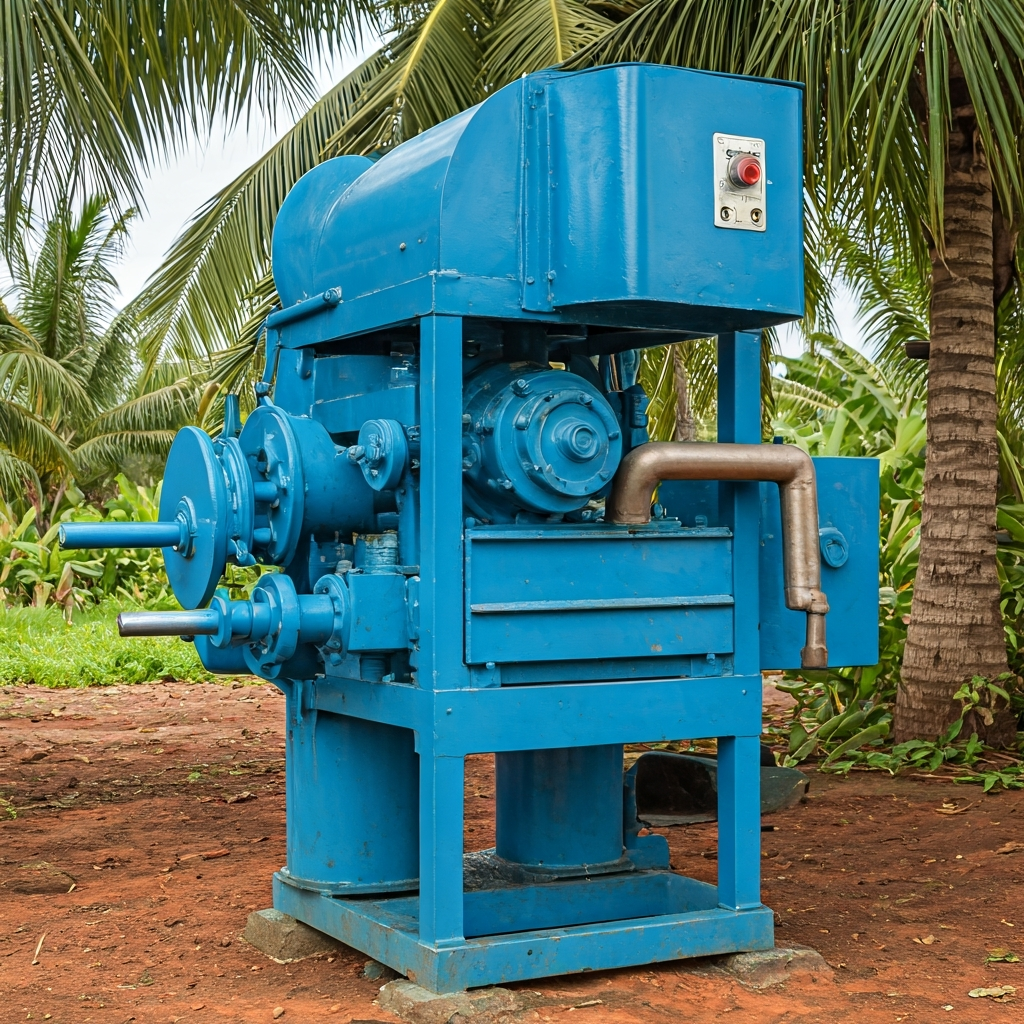
The journey to creating PKE testifies to the efficiency and zero-waste principles in palm oil production. It begins after the extraction of the palm fruit’s oil, which leaves the nut. Processors crack the nut to release the kernel, which is then dried and crushed using a mechanical screw press to extract valuable palm kernel oil.
The dense, solid fibrous material that the press ‘expels’ is the Palm Kernel Expeller. This solvent-free process makes it a more natural and desirable feed ingredient.
PKE vs. Palm Kernel Meal (PKM): A Critical Distinction
While people often use the terms interchangeably, a technical difference exists between PKE and Palm Kernel Meal (PKM). Mechanical pressing produces PKE, which leaves a higher residual oil content (typically 8-12%). In contrast, solvent extraction often produces PKM, resulting in lower fat but potentially higher protein. For energy-dependent livestock like dairy cows, the higher oil content in PKE is often more beneficial.
Why PKE is a Staple in Global Animal Nutrition
PKE’s popularity stems from its balanced nutritional profile and cost-effectiveness compared to other feedstuffs like soybean meal or corn. Its high fiber content is particularly beneficial for ruminants, as it promotes healthy gut function. Furthermore, as a by-product, it enhances the sustainability of the palm oil industry by ensuring the complete utilization of the palm fruit.
The Core Nutritional Profile of Palm Kernel Expeller
Understanding the nutritional specifications of PKE is fundamental to its effective use in feed formulation. While values can vary based on the extraction process and kernel quality, a standard has been established in the industry. It’s an excellent source of energy, protein, and crucial minerals.
Macronutrient Breakdown: Protein, Fiber, and Fat Content
The primary value of Palm Kernel Expeller lies in its macronutrients. A typical analysis reveals:
- Crude Protein (CP): 14-18%
- Crude Fat (CF): 8-12%
- Crude Fibre: 14-18%
- Metabolizable Energy (ME): 10-11 MJ/kg
This composition makes it a uniquely versatile ingredient. The protein supports growth and milk production. Meanwhile, the high fat and fibre content provide a slow-release source of energy, ideal for maintaining body condition in ruminants. While excellent, rations requiring different properties may use alternatives like Copra Meal for their unique amino acid profiles.
Comparing Palm Kernel Expeller to Other Common Feeds
To fully appreciate its value, it’s helpful to compare PKE to other common feedstuffs. This table provides a general comparison, though exact values can vary based on quality and processing.
| Nutrient | Palm Kernel Expeller | Soybean Meal | Corn Gluten Meal |
|---|---|---|---|
| Crude Protein | 14-18% | 44-48% | 60-65% |
| Crude Fibre | 14-18% | 3-4% | 1-2% |
| Energy (ME) | ~10.5 MJ/kg | ~12.5 MJ/kg | ~15.5 MJ/kg |
Top 7 Commercial Uses of Palm Kernel Expeller in 2026
The versatility of PKE allows its incorporation into the diets of a wide range of animals. Years of research and practical use have fine-tuned its application. Here are the top commercial uses driving its demand.

- Dairy Cow Rations: This is the largest market. PKE’s high fiber and fat boost milk butterfat levels and provide sustained energy, often combined with supplements like Calcium Salts of Palm Oil Fatty Acids for optimal health.
- Beef Cattle Finishing: Feedlots widely use it in rations to improve weight gain and feed conversion ratios cost-effectively.
- Sheep and Goat Feed: PKE serves as an excellent protein and energy source for small ruminants, supporting growth and lactation.
- Poultry Layer Feeds: While farmers must manage inclusion rates due to its fiber, they use it to supplement protein and energy in layer hen diets.
- Swine Nutrition: Farmers incorporate it into pig feed, particularly for sows, to provide valuable fiber for gut health.
- Aquaculture Feed: Researchers are increasingly using PKE as a plant-based protein in fish feed to reduce reliance on fishmeal.
- Biofuel and Biomass: Industries can use lower-grade PKE as a biomass fuel, contributing to renewable energy. Even the leftover Palm Kernel Shell is a valuable biofuel.
Decoding PKE Quality: 7 Key Specifications to Check
Not all PKE is created equal. When sourcing this ingredient, you must pay close attention to several key specifications to ensure a high-quality product that delivers results. Low-quality PKE can harm animal performance, making a Certificate of Analysis (COA) essential for verification.

- Crude Protein (CP) > 15%: Protein is a critical cost factor. For high-quality PKE, target a CP content between 15% and 18%. Lower levels may indicate poor quality kernels or dilution.
- Moisture Content < 12%: This is arguably the most critical spec for safety. High moisture (above 12%) creates a significant risk of mold and mycotoxin development, which can devastate livestock health and reduce shelf life.
- Crude Fat (Oil) > 8%: The residual fat content is a key energy source, especially for dairy cattle. A level of 8-12% is ideal for providing concentrated energy.
- Crude Fiber < 18%: While beneficial for ruminants, excessively high fiber (over 18%) can indicate high shell content and reduce digestibility for monogastric animals like poultry.
- Shell & Dirt Content < 5%: Contamination with shell and dirt dilutes nutritional value and can increase fiber to undesirable levels. A clean product should have minimal contamination, ideally under 5%.
- Aflatoxin Levels < 20 ppb: Aflatoxins are toxic molds that can grow on feed stored in humid conditions. Ensure your supplier certifies that levels are well below the safe limit of 20 parts per billion (ppb) for non-lactating cattle.
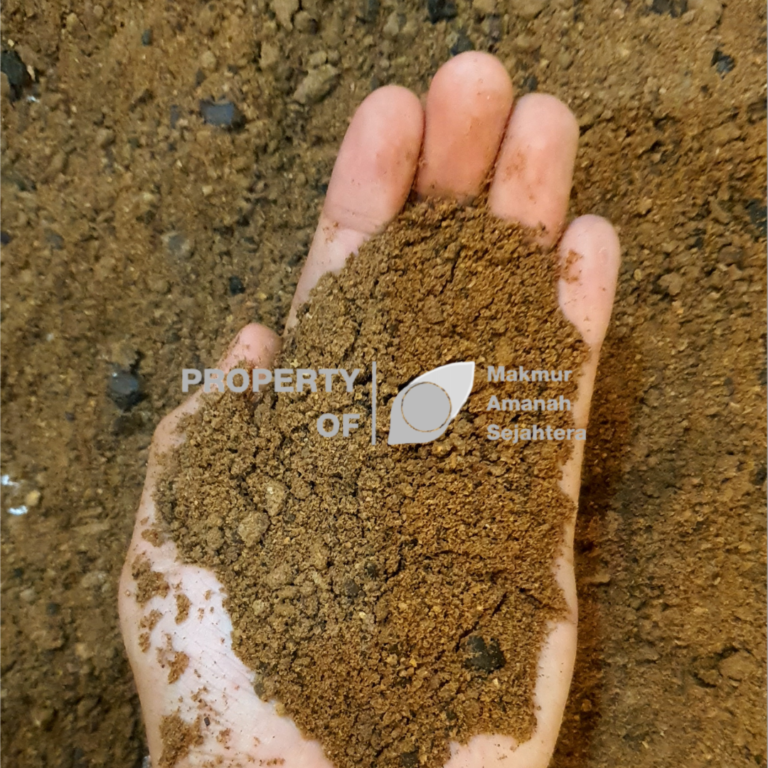
- Color and Odor: High-quality PKE should have a consistent light to medium brown color and a fresh, nutty smell. A dark color, burnt odor, or musty smell can indicate overheating during processing or mold contamination.
Understanding Palm Kernel Expeller Price & Market Trends (2026)
The price of PKE fluctuates based on a complex interplay of global market forces. Savvy buyers understand these dynamics to secure favorable pricing. The price of Crude Palm Oil (CPO), global shipping costs, and weather patterns in major producing countries like Indonesia and Malaysia are all significant factors.
When looking to secure a stable supply chain, partnering with a reliable supplier is crucial. When sourcing high-quality Palm Kernel Expeller, evaluate not just the price, but the supplier’s consistency, quality control, and logistical capabilities. Research, such as a 2015 study in Biomass and Bioenergy, highlights the intricate link between palm oil processing and its by-products’ market value.

Global Supply and Demand Dynamics
As of 2026, the primary importers of PKE are the European Union (especially the Netherlands and Spain), New Zealand, and South Korea. It is a cornerstone of their respective dairy and beef industries. Demand continues to grow in emerging markets in Asia and the Middle East, enhancing food security—a goal supported by organizations like the Food and Agriculture Organization (FAO). Understanding these trade flows, as reported by industry publications like FeedNavigator, can help predict price trends and supply availability.
Makmur Amanah Sejahtera provides high-quality palm products such as Palm Kernel Expeller, Palm Kernel Shell, Crude Palm Oil, Palm Kernel Oil, etc. Kindly contact us at WhatsApp +6282140002198 or email us at admin@makmuramanah.co.id.
Frequently Asked Questions (FAQs)
What is the main use of palm kernel expeller?
The primary use of Palm Kernel Expeller is as a mid-level protein and high-energy ingredient in animal feed. It is most widely used in rations for dairy cows, beef cattle, and sheep due to its high fiber and residual oil content, which supports milk production and weight gain.
Is PKE good for dairy cows?
Yes, PKE is exceptionally good for dairy cows. Its unique combination of digestible fiber and high fat content has been shown to increase the butterfat percentage in milk. It provides a slow-release energy source that is highly beneficial for lactating and non-lactating cows alike.
What is the difference between palm kernel expeller and copra meal?
Both are by-products of oil extraction, but PKE comes from the palm nut kernel, while copra meal comes from dried coconut flesh. PKE generally has a higher fiber content and a different amino acid profile compared to copra meal, making them suitable for different formulation needs.
How do you determine the quality of PKE?
High-quality PKE is determined by its nutritional analysis and physical properties. Key indicators are crude protein (15-18%), moisture (under 12%), and low shell/dirt contamination. Always request a Certificate of Analysis from your supplier to verify these specifications.
What countries are the largest producers of PKE?
The world’s largest producers of Palm Kernel Expeller are Indonesia and Malaysia. These two Southeast Asian countries dominate the global palm oil market, and as a direct by-product, they are also the leading suppliers of PKE to the international animal feed industry.
Conclusion: Your Strategic Advantage with Quality PKE
In conclusion, incorporating Palm Kernel Expeller into your feed strategy is a smart, economical, and sustainable choice for 2026 and beyond. From its balanced nutritional profile to its cost-effectiveness, PKE offers a significant competitive advantage. However, this advantage is only realized when you prioritize quality by verifying key specifications like protein, moisture, and fiber content.
By understanding the nuances of the extraction process, recognizing the difference between high and low-grade product, and staying informed on market trends, you avoid common pitfalls. Ultimately, making a well-informed decision when sourcing your Palm Kernel Expeller will directly translate into healthier livestock and a healthier bottom line for your operation.
 English
  Indonesian
  Chinese
  Arabic