
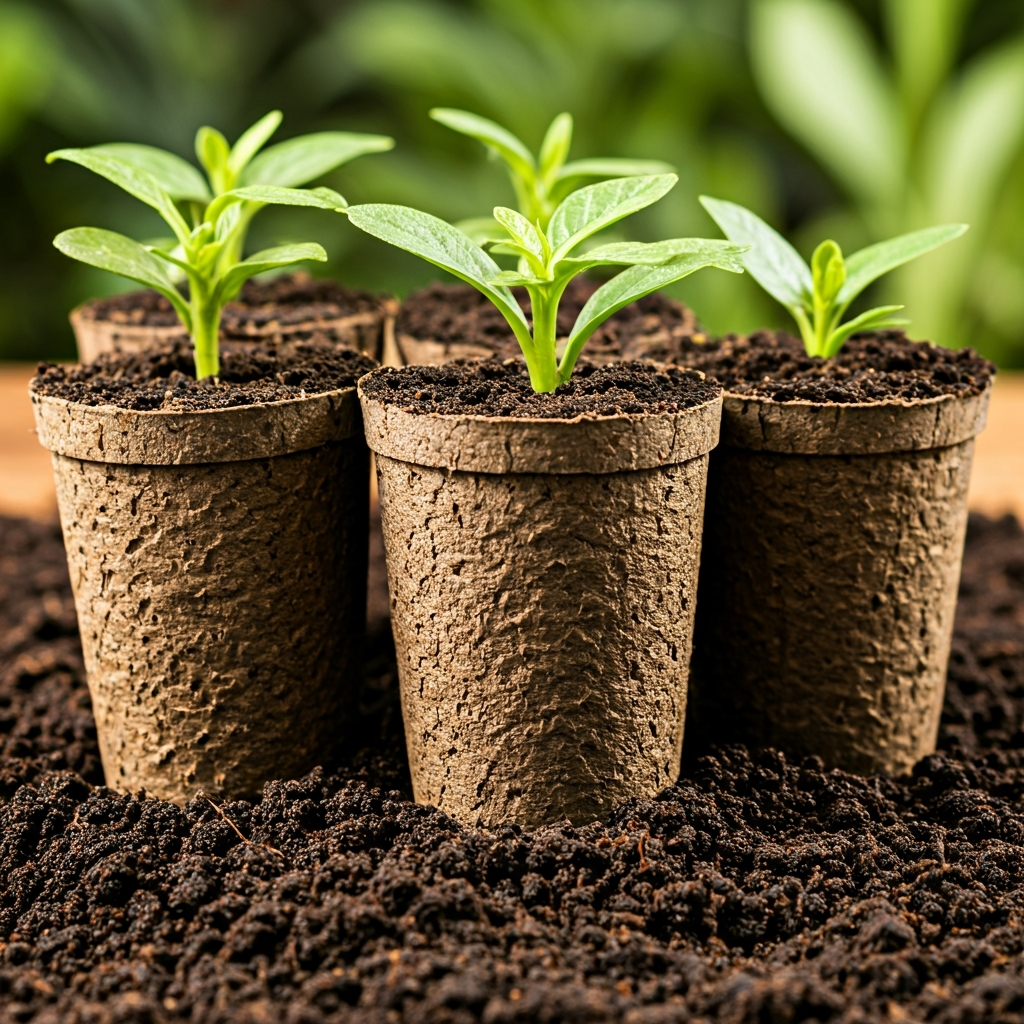
Cocopeat: A Complete Guide to Uses, Benefits & Getting Started
Cocopeat is the revolutionary, sustainable growing medium that expert gardeners and commercial hydroponic farms are rapidly adopting in 2026. If you’re struggling with poor soil, inconsistent watering, or lackluster plant growth, this guide reveals how coco coir is the definitive solution you’ve been searching for.
For decades, gardeners relied on peat moss and traditional soil, often with frustrating results. These mediums can be dense, difficult to manage, and environmentally questionable.
In fact, according to research from leading environmental bodies, the harvesting of peat bogs releases significant amounts of carbon into the atmosphere. Cocopeat emerges as the eco-friendly hero—a byproduct of the coconut industry that would otherwise go to waste.
This comprehensive guide will walk you through everything you need to know about this incredible substrate, transforming your gardening approach for healthier plants and bigger yields.
What Exactly is Cocopeat?
Cocopeat is a 100% natural growing medium made from the fibrous pith found between the hard, internal shell and the outer coat of a coconut. Also known as coco coir or coir pith, this material is a sustainable alternative to traditional soil and peat moss.
It is prized for its excellent water retention, aeration, and neutral pH level. These qualities make it ideal for a wide range of horticultural applications, from home gardening to large-scale commercial farming.
Unlike soil, which can be inconsistent in quality, cocopeat provides a uniform, reliable, and sterile medium. It is typically sold in three main forms: pith (the most common), fibers (for improved drainage), and chips (for maximum air porosity), often blended to create the perfect mix.

The Science of Cocopeat Production: From Coconut to Garden
The transformation of a raw coconut husk into a high-performance growing medium is a fascinating process involving several critical stages that ensure quality and consistency.
Harvesting and Aging
The process begins with selecting mature brown coconut husks, which are naturally lower in salts and higher in beneficial lignin. After harvesting, these husks are aged, allowing them to break down slightly and become more stable. This aging is essential for creating a reliable substrate.
Buffering and Washing
This is the most crucial step for creating high-quality cocopeat. Raw coco coir has a high Cation Exchange Capacity (CEC) and is naturally rich in sodium and potassium. Through buffering, the material is soaked in a calcium nitrate solution. The calcium displaces the sodium and potassium, which are then washed away. This prevents nutrient lockout, a common issue where the medium absorbs calcium and magnesium meant for your plants.
Drying and Compression
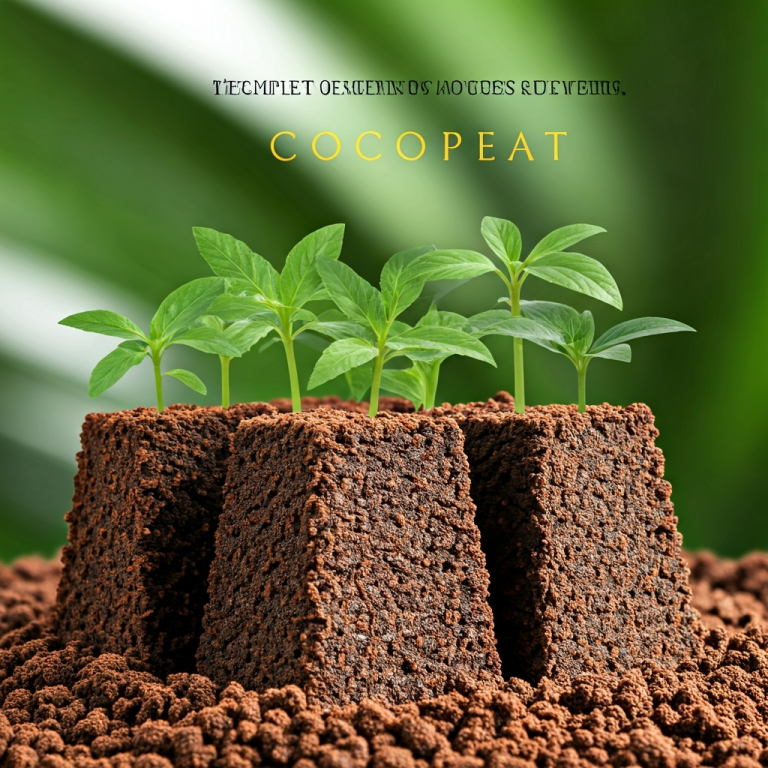
Finally, the washed and buffered material is thoroughly dried and compressed into blocks, bricks, or discs. This makes it incredibly lightweight and easy to transport and store. A single 5kg block can expand to over 60-70 liters of ready-to-use growing medium.
7 Incredible Benefits of Using Cocopeat in 2026
The reasons for switching to a coir-based medium are compelling. Here are the primary advantages that make it a superior choice for modern gardeners.
- Phenomenal Water Retention: Cocopeat can hold up to 10 times its weight in water. This means less frequent watering and a consistent moisture supply, reducing water waste by up to 65% compared to traditional soil.
- Superior Aeration and Root Growth: Despite holding immense water, its fibrous structure allows for excellent aeration. This provides vital oxygen to plant roots, preventing compaction and promoting a vigorous, healthy root system.
- Perfectly Neutral pH: Most cocopeat is processed to have a pH range of 5.5 to 6.8, ideal for the vast majority of plants. This neutrality ensures that nutrients are readily available, eliminating the need for pH adjusters like lime.
- Sustainable and Eco-Friendly: A key benefit is its sustainability. It utilizes a waste product from the coconut industry, reducing landfill burden. This stands in stark contrast to peat moss, the harvesting of which destroys vital wetland ecosystems, as highlighted by organizations like the Royal Horticultural Society.
- Naturally Anti-Fungal and Pest-Resistant: Natural lignins and tannins in the medium help to suppress harmful pathogens like Pythium and Phytophthora, protecting your plants from root rot and other fungal diseases.
- Reusable and Long-Lasting: High-quality cocopeat breaks down very slowly, meaning it can be reused for several growing cycles (up to 3-4 years). This provides incredible value and further enhances its eco-friendly credentials.
- Easy to Store and Handle: The compressed, lightweight nature of coir blocks makes them far easier to handle and store than heavy, bulky bags of potting soil.

Cocopeat vs. Traditional Soil vs. Peat Moss: A Comparison
To truly understand its value, it’s helpful to compare cocopeat directly with other common growing mediums. The differences clearly position it as a modern, high-performance option.
| Feature | Cocopeat | Traditional Soil | Peat Moss |
|---|---|---|---|
| Water Retention | Excellent | Variable (Poor in sandy, high in clay) | Very High (but can become hydrophobic) |
| Aeration | Excellent | Poor (Prone to compaction) | Good |
| pH Level | Neutral (5.5 – 6.8) | Variable (Often needs amending) | Acidic (3.5 – 4.5) |
| Sustainability | High (Renewable byproduct) | Low (Topsoil degradation is an issue) | Very Low (Non-renewable resource) |
| Reusability | Yes (Up to 4 years) | Yes, but requires heavy amending | No (Decomposes quickly) |
| Pests & Diseases | Naturally resistant | Contains soil-borne pests/diseases | Sterile but can harbor fungus gnats |
How to Prepare and Use Cocopeat: A Step-by-Step Guide
Getting started is simple. Follow these steps to ensure your plants get the best possible start in their new home.
Step 1: Choosing the Right Coir Product
Always opt for high-quality, buffered coco coir from a reputable supplier. Unbuffered or poorly washed coir can cause nutrient deficiencies. For a reliable source, consider purchasing tested and certified Cocopeat to guarantee quality.
Step 2: Rehydrating the Block
Place your compressed block in a large container, like a wheelbarrow or storage tote. Add the amount of warm water specified by the manufacturer. The block will begin to expand immediately. Allow it to soak for 15-30 minutes, then break it apart with your hands or a small shovel until it’s light and fluffy.
Visual Learner? Watch How It’s Done!
Watching a compressed cocopeat brick expand is surprisingly satisfying! We recommend watching a quick tutorial video to see the process in action.
[Video: Embedded YouTube video showing how to rehydrate a cocopeat block, with a title like ‘How to Prepare Cocopeat From a Brick’]
Step 3: Amending Your Coco Coir
While an excellent base, coco coir contains few native nutrients. This is a benefit, as it gives you full control. To create a complete potting mix, you must amend it. A standard recipe is:
- 60-70% Cocopeat
- 30-40% Perlite or pumice for extra drainage
- A balanced, slow-release fertilizer or a mix of compost and worm castings.
This creates a medium that holds water, drains well, and provides essential nutrition.
Step 4: Planting and Watering
Use your prepared coir mix just as you would any other potting soil. It’s perfect for containers, raised garden beds, and seed starting. When watering, saturate the medium completely and allow the excess to drain away. If the top inch looks light brown and feels dry, it’s time to water again.
Advanced Cocopeat Applications: Beyond Basic Gardening
The versatility of cocopeat extends far beyond simple container gardening. Its unique properties make it a top choice for more advanced horticultural techniques.
Hydroponic Systems
Cocopeat is a dominant substrate in commercial hydroponics, especially for crops like tomatoes and peppers. A 2019 study on soilless culture media demonstrated its effectiveness. Its excellent CEC helps hold and release nutrients from the hydroponic solution efficiently.
Seed Starting
The fine, sterile, and moisture-retentive nature of coco pith makes it an ideal medium for germinating seeds. It provides a clean environment that minimizes the risk of “damping-off” disease, a common fungal issue that kills seedlings.
Soil Amendment
Incorporating the medium into existing garden soil can dramatically improve its structure. For dense clay soils, it improves aeration and drainage. For sandy soils, it significantly increases water and nutrient retention.
It’s also important to recognize the broader context of agricultural byproducts. Industries that produce coir also yield other valuable materials like Palm Kernel Expeller, showcasing a commitment to full-circle sustainability similar to that seen with Coir.

Makmur Amanah Sejahtera provides high-quality palm products such as Palm Kernel Expeller, Palm Kernel Shell, Crude Palm Oil, Palm Kernel Oil, etc. Kindly contact us at WhatsApp +6282140002198 or email us at admin@makmuramanah.co.id.
Frequently Asked Questions (FAQ)
Is cocopeat better than soil?
For container gardening and hydroponics, cocopeat is often superior as it offers better aeration, water control, and is free of pests. For in-ground gardens, it serves as an excellent amendment to improve existing soil structure rather than a complete replacement.
Do I need to add fertilizer to cocopeat?
Yes, absolutely. Cocopeat is an inert medium with very few native nutrients. You must add fertilizers, such as Cal-Mag (Calcium and Magnesium), along with a balanced N-P-K nutrient solution or compost to provide the food your plants need to thrive.
How often should I water plants in coco coir?
While it holds water well, the frequency depends on your plant, pot size, and environment. Check the top 1-2 inches. If it feels dry and looks light brown, it’s time to water. It’s harder to overwater with coir than with soil due to its excellent drainage.
Can cocopeat be reused?
Yes, high-quality cocopeat can be reused for 2-3 growing cycles. After harvesting, shake the old roots out, flush the medium with clean water to remove any built-up salts, and you can replant. This is a key benefit of this sustainable product.
What is the difference between buffered and unbuffered cocopeat?
Buffered cocopeat has been treated to remove excess sodium and potassium, making it stable and ready to use. Unbuffered coir will absorb calcium and magnesium from your fertilizers, potentially starving your plants. Always choose buffered for best results.
Conclusion: Your Best Garden Starts with Cocopeat
In conclusion, the advantages of integrating coco coir into your gardening strategy are undeniable in 2026. From its incredible water retention and aeration properties to its status as a sustainable and reusable resource, it stands out as a superior choice for modern horticulture.
It is fully aligned with principles of sustainable agriculture. By following this guide, you can confidently use this amazing medium to achieve healthier plants and more abundant harvests.
Ready to transform your garden? Explore our premium, buffered cocopeat products today and experience the difference. While improving your garden, you’ll support a larger ecosystem of sustainable agriculture which includes byproducts like Copra Meal.

 English
  Indonesian
  Chinese
  Arabic