
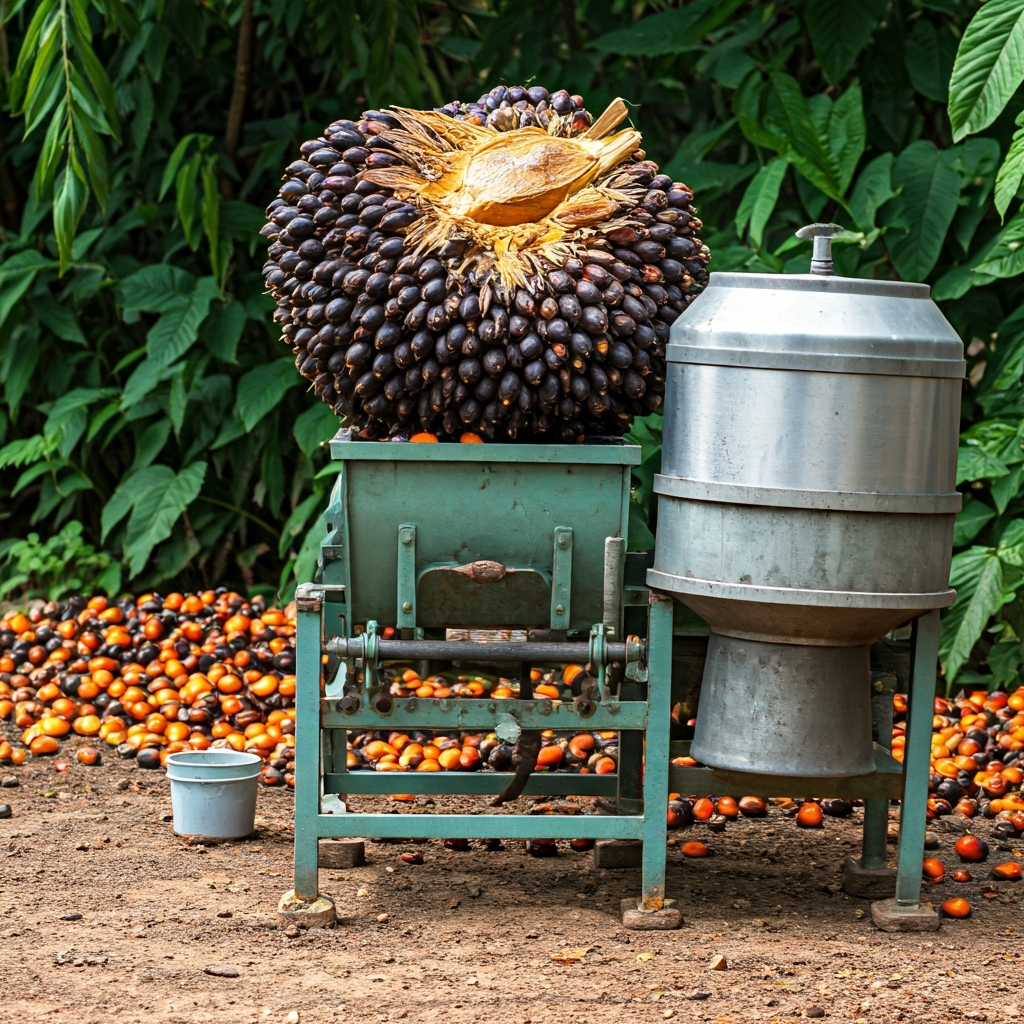
Palm Kernel Expeller: 7 Key Benefits & Specs (Complete Guide)
Palm Kernel Expeller (PKE) is a high-value animal feed ingredient sourced from the oil palm fruit. It is globally recognized as a cost-effective, protein-rich feed that is essential for sustainable and profitable livestock operations. Its balanced nutritional profile makes it a vital resource for farmers and feed mill operators.
For those struggling to find affordable feed sources, understanding Palm Kernel Expeller is key to maintaining animal health and profitability. This guide provides the most comprehensive overview available, engineered to give you the expert knowledge needed to make informed purchasing and formulation decisions.
What is Palm Kernel Expeller (PKE)?
Palm Kernel Expeller is the by-product left after the mechanical extraction of oil from the kernel of the oil palm fruit (Elaeis guineensis). After harvest, the kernel is crushed and pressed to extract palm kernel oil. The fibrous, protein-rich solid material remaining is the Palm Kernel Expeller. It is also known as Palm Kernel Cake and stands as one of the most important feed ingredients in the global livestock industry.
The sheer scale of the palm oil industry ensures a consistent and abundant supply of PKE. According to the Food and Agriculture Organization (FAO), this makes it a reliable component for feed manufacturers worldwide. Its unique nutritional balance provides a potent combination of energy, protein, and fiber.
[Image: A detailed close-up shot of high-quality Palm Kernel Expeller, showcasing its granular texture and brown color. Alt: Close-up of high-quality Palm Kernel Expeller pellets for animal feed. Title: High-Quality Palm Kernel Expeller (PKE) for Animal Feed.]
The Mechanical Extraction Process
The quality of PKE is directly tied to its production. The process begins by sterilizing the palm fruit to halt enzyme activity. The fruits are then threshed, and the pulp is pressed to extract Crude Palm Oil. The remaining nuts are cracked to retrieve the kernels.
These kernels undergo mechanical pressing (expelling). This crucial, solvent-free method squeezes the oil out, leaving the solid expeller cake. This method is preferred as it results in a PKE with a higher residual oil content (typically 8-12%), a valuable source of energy for livestock.
PKE vs. Palm Kernel Meal: What’s the Difference?
Though often used interchangeably, “expeller” and “meal” can signify different nutritional values. Palm Kernel Expeller is the result of mechanical pressing. In contrast, Palm Kernel Meal may refer to a product from solvent extraction, which has lower fat but potentially higher protein. Buyers should also distinguish PKE from other feed ingredients like Copra Meal.
Here is a direct comparison:
| Attribute | Palm Kernel Expeller (Mechanical Press) | Copra Meal (For Comparison) |
|---|---|---|
| Extraction Method | Mechanical Pressing | Mechanical or Solvent Extraction |
| Typical Crude Protein | 14-18% | 20-26% |
| Typical Crude Fat (Energy) | 8-12% | 6-12% |
| Typical Crude Fiber | 16-20% | 10-12% |
| Primary Use | Ruminant feed (cattle), poultry, swine | Ruminant and swine feed |
For buyers, confirming the product is true Palm Kernel Expeller from a mechanical press is key to securing the desired energy content for their feed formulations.
The Nutritional Profile of High-Quality Palm Kernel Expeller
PKE’s value is rooted in its dense nutritional makeup. While specifications can vary, high-quality PKE offers a consistent profile that nutritionists rely on. As an experienced provider, we know how crucial these numbers are for livestock performance.
Key Macronutrients in Palm Kernel Expeller: Protein, Fiber, and Energy
The trifecta of protein, fiber, and fat makes PKE a balanced ingredient for any feed.
- Crude Protein (CP): Ranging from 14-18%, PKE provides amino acids for muscle development and milk production. While not as high as soybean meal, its protein is highly effective for ruminants.
- Crude Fiber (CF): With levels between 16-20%, it is an excellent fiber source for ruminants like dairy and beef cattle, promoting good rumen function and overall gut health.
- Crude Fat: The residual oil content (8-12%) is a significant source of metabolizable energy. This fat includes beneficial fatty acids, such as those in Calcium Salts of Palm Oil Fatty Acids, which aid energy and milk fat synthesis.
Essential Minerals and Their Role
Beyond macronutrients, Palm Kernel Expeller is a carrier for essential minerals that contribute to animal wellness. These include Phosphorus (bone development), Magnesium (enzymatic functions), and Potassium (hydration and nerve function). It also contains trace minerals like Copper and Zinc, which support immune function and growth, though some supplementation may be required.
[Image: An infographic visualizing the nutritional breakdown of Palm Kernel Expeller, with icons for protein, fiber, fat, and key minerals. Alt: Infographic showing the nutritional analysis of Palm Kernel Expeller, including protein, fat, and fiber percentages. Title: Nutritional Analysis of Palm Kernel Expeller.]
Top 7 Uses and Benefits of Palm Kernel Expeller
The versatility of Palm Kernel Expeller makes it a staple in various livestock diets. Its cost-effectiveness and nutritional benefits deliver a strong return on investment, and a study in the Journal of Animals confirmed its positive impact on ruminant production.
- Ideal for Dairy Cattle Feed: Its high fiber supports healthy rumen fermentation, while its fat content boosts the butterfat percentage in milk. It is a proven component for Total Mixed Rations (TMR).
- Cost-Effective for Beef Cattle Fattening: As a safe and energy-dense ingredient, PKE helps improve the average daily gain (ADG) in beef cattle at a lower cost compared to conventional grains.
- Excellent Binder in Pellet Feeds: The residual oil and fiber in PKE act as a natural binder during pelleting, improving pellet durability and reducing waste.
- Sustainable and Abundant Supply: As a by-product, PKE is more sustainably sourced and consistently available than other protein sources that require dedicated land and resources. The Roundtable on Sustainable Palm Oil (RSPO) helps guide this sustainability.
- Enhances Rumen Fermentation: The fiber in PKE is slowly degradable, which promotes a stable rumen pH and reduces the risk of acidosis, a common issue in high-producing ruminants.
- Partial Replacement for Corn and Soybean: In balanced rations, PKE can replace a portion of expensive ingredients like corn and soybean meal, significantly lowering feed costs without harming performance, as noted by industry reports.
- Used in Poultry and Swine Diets: While high fiber can be a limitation, modern formulations use enzymes to improve digestibility, allowing Palm Kernel Expeller to be included in mono-gastric diets at strategic rates.
[Video Embed: A short documentary showing the process of making Palm Kernel Expeller and its use on a modern dairy farm. Title: From Palm to Pellet: The Journey of Palm Kernel Expeller.]
Critical Quality Specifications for Palm Kernel Expeller
Not all PKE is created equal. When sourcing Palm Kernel Expeller, buyers must demand a specification sheet and understand what the numbers mean. As a rule, quality is defined by high protein and fat with low moisture and shell content.
Understanding Crude Protein and Fat Content
These are the two most important metrics for nutritional value in a Palm Kernel Expeller analysis.
- Crude Protein: Look for a guaranteed minimum of 14%. Anything lower may indicate adulteration. For ruminants, 15-16% is a prime target.
- Crude Fat/Oil: A fat content of 8-12% is ideal. It indicates efficient mechanical extraction and provides a valuable energy boost. Below 7% may suggest solvent extraction was used.
The Importance of Low Moisture and Shell Content
These factors are critical for safety, transport, and digestibility.
- Moisture: The level should be below 12%, ideally around 10%. Higher moisture increases the risk of mold and mycotoxins, which can devastate animal health.
- Shell/Fiber Content: While PKE is naturally high in fiber, an excessively high level (over 22%) or visible shell fragments indicates poor separation during processing. This dilutes the nutritional value of the Palm Kernel Expeller.
Makmur Amanah Sejahtera provides high-quality palm products such as Palm Kernel Expeller, Palm Kernel Shell, Crude Palm Oil, Palm Kernel Oil, etc. Kindly contact us at WhatsApp +6282140002198 or email us at admin@makmuramanah.co.id.
[Image: Healthy dairy cows eating from a trough filled with a mixed ration that includes Palm Kernel Expeller. Alt: Dairy cattle eating a total mixed ration containing Palm Kernel Expeller. Title: Dairy Cattle Enjoying Feed with Palm Kernel Expeller.]
Frequently Asked Questions (FAQs)
What is the primary use of Palm Kernel Expeller?
The primary use of Palm Kernel Expeller is as a key ingredient in animal feed, particularly for ruminants like dairy and beef cattle. Its balanced profile of protein, energy, and fiber makes it an ideal, cost-effective component for boosting livestock nutrition and performance.
Is PKE a good source of protein for livestock?
Yes, PKE is a very good source of protein, typically containing 14-18%. While its amino acid profile is different from soybean meal, it is highly effective and digestible for ruminants and can be strategically used in poultry and swine feed to support healthy growth.
How does PKE compare to other feed ingredients like Copra Meal?
PKE generally has a lower protein content than Copra Meal but offers a unique combination of high fiber and high energy from its residual oil. This makes it particularly suitable for ruminant diets, where it supports both milk fat production and healthy rumen function.
Are there any risks with using Palm Kernel Expeller in feed?
The main risks are associated with poor quality control. High moisture content can lead to mold and mycotoxins, while high shell content reduces its nutritional value. Sourcing from a trusted supplier who provides a Certificate of Analysis is crucial to mitigate these risks.
Where can I source high-quality Palm Kernel Expeller?
High-quality Palm Kernel Expeller can be sourced from reputable suppliers in major palm oil-producing countries like Indonesia and Malaysia. It is vital to choose a supplier like Makmur Amanah Sejahtera that guarantees its specifications.
What is the difference between PKE and Palm Kernel Shell?
PKE is the protein-rich cake left after oil is extracted from the palm kernel. In contrast, Palm Kernel Shell (PKS) is the hard, woody outer casing of the kernel. PKS is not animal feed; it is primarily used as a high-grade solid biofuel.
Conclusion: The Undeniable Value of Palm Kernel Expeller
As global demand for sustainable and affordable animal protein rises, the role of ingredients like Palm Kernel Expeller becomes more critical. Its unique nutritional profile, abundance, and cost-effectiveness make it an unparalleled resource for the modern livestock industry. The benefits are clear and measurable, from improving milk fat in dairy cows to lowering feed costs for beef cattle.
[Image: A world map infographic highlighting the major Palm Kernel Expeller producing and exporting countries. Alt: Map of the world showing the primary regions for Palm Kernel Expeller production. Title: Global Production of Palm Kernel Expeller.]
Ultimately, success with this ingredient hinges on one factor: quality. By understanding the key specifications and partnering with a reliable supplier, farmers and feed millers can unlock the full potential of this amazing feed resource. The future of profitable livestock farming will rely on the smart integration of high-performing by-products like Palm Kernel Expeller.
 English
  Indonesian
  Chinese
  Arabic