
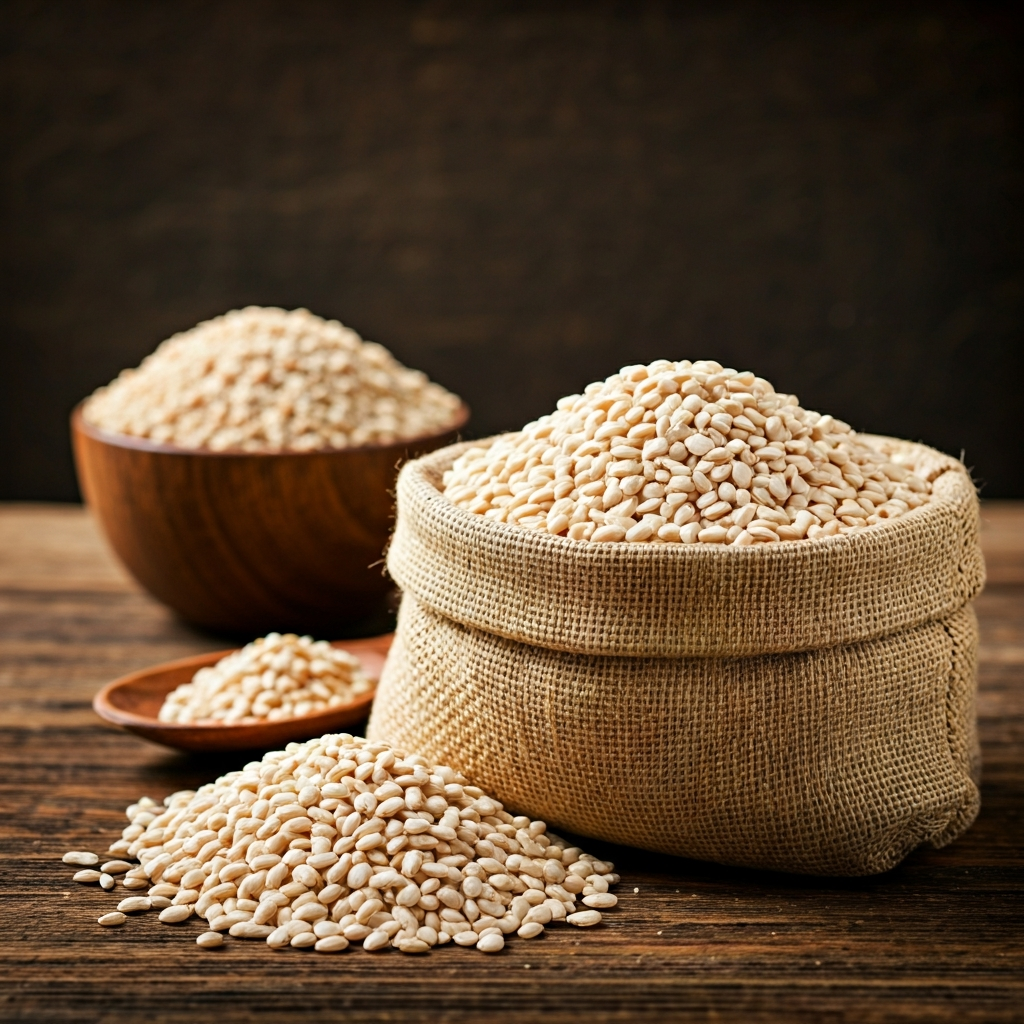
Copra Meal: The Ultimate Guide to Unlocking Its Benefits for Livestock
Copra Meal is a powerhouse ingredient in the world of animal nutrition, yet many farmers and producers are just scratching the surface of its potential. If you’re looking for a cost-effective, high-protein feed component to enhance livestock performance, you’ve arrived at the definitive resource.
The challenge for any modern agricultural operation is balancing animal health with economic efficiency. Feed costs, as noted by major industry publications like Feed Strategy, represent the largest single expense, often exceeding 60-70% of total production costs. This guide will demonstrate how integrating high-quality copra meal into your feeding program can directly address this challenge, improving animal output while protecting your bottom line.
We will explore its complete nutritional profile, proven benefits, and practical application for various types of livestock, ensuring you have the knowledge to make the best decision for your operation.
What Exactly is Copra Meal? A 2024 Perspective
Copra meal, also known as coconut meal or copra cake, is the valuable by-product remaining after the oil extraction process from dried coconut flesh (copra). For years, it was considered secondary to coconut oil, but as research from institutions like the University of Florida highlights, its significant value as a protein and energy source for animal feed is now widely recognized.
Unlike some other feed ingredients, it offers a unique combination of digestible fiber and medium-chain fatty acids, making it a highly sought-after component in modern feed formulations.
[Image: A close-up shot of high-quality, golden-brown copra meal, showing its texture. | alt: A detailed view of high-quality Copra Meal for animal feed. | title: Copra Meal Texture and Quality]
From Coconut to Copra Cake: The Production Process
The journey to creating copra meal is a multi-step process that ensures quality and nutrient retention. Understanding this helps in sourcing the best product.
- De-husking & Drying: Coconuts are harvested and their fibrous outer husks are removed. The inner kernel is then dried, either by sun-drying or kiln-drying, to reduce moisture content. This dried kernel is now “copra.”
- Oil Extraction: The copra is subjected to a mechanical pressing process (expeller pressing) to extract the valuable coconut oil.
- The Resulting Meal: The solid residue left behind after this extraction is the Copra Meal. It is then ground into a consistent meal, ready for inclusion in animal rations.
This mechanical process is crucial as it ensures a significant amount of residual oil (around 6-10%) remains in the meal, which is an excellent source of energy for animals.
The Key Difference: Copra Meal vs. Palm Kernel Expeller
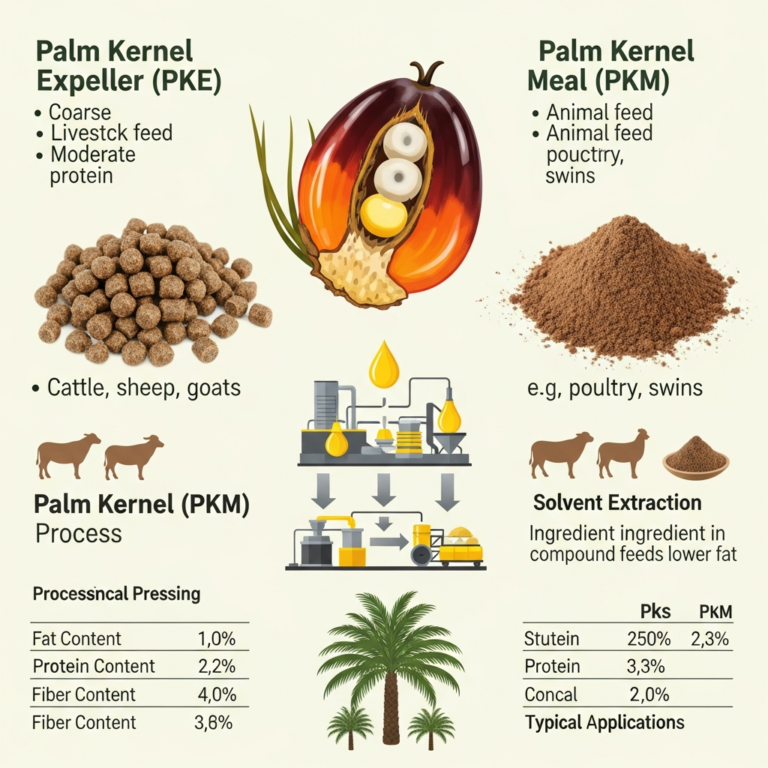
While often discussed together as tropical feed ingredients, copra meal and palm kernel expeller have distinct nutritional profiles. It’s essential to understand their differences to formulate the most effective feed rations. Copra meal generally contains higher energy and more digestible protein compared to palm kernel meal.
For a detailed look at another excellent alternative, explore our high-quality Palm Kernel Expeller.
The Nutritional Value of Copra Meal (Data-Driven)
The effectiveness of Copra Meal hinges on its robust nutritional composition. It is primarily valued for its protein and energy content but also provides essential fiber and minerals. According to research published in the Journal of Dairy Science, the unique fiber structure in coconut-based feeds can have positive effects on rumen function in cattle.
Macronutrient Profile: Protein, Fiber, and Fat Content
On a dry matter basis, a typical analysis of high-quality copra meal reveals:
- Crude Protein: 20-25%
- Crude Fiber: 10-16%
- Crude Fat (Residual Oil): 6-12%
- Metabolizable Energy: 2,500-2,900 kcal/kg for ruminants
The protein is highly digestible, and the fat content, rich in medium-chain fatty acids like lauric acid, provides readily available energy and possesses antimicrobial properties.
Comparison: Copra Meal vs. Other Protein Sources
To appreciate its value, it’s helpful to compare copra meal to other common feed ingredients. This allows for more strategic and cost-effective feed formulation.
| Nutrient | Copra Meal | Soybean Meal | Palm Kernel Expeller |
|---|---|---|---|
| Avg. Crude Protein | 22% | 48% | 16% |
| Avg. Crude Fiber | 12% | 3% | 18% |
| Metabolizable Energy (Ruminant) | ~2,700 kcal/kg | ~3,000 kcal/kg | ~2,500 kcal/kg |
7 Proven Benefits of Using Copra Meal in Animal Feed
Integrating copra meal into livestock diets isn’t just about finding a cheap filler; it’s a strategic move to unlock tangible production benefits. These advantages have been validated by both scientific research and extensive field experience.
[Image: A healthy herd of dairy cows eating from a trough that contains a mixed ration. | alt: Dairy cows benefiting from a nutritious diet including Copra Meal. | title: Copra Meal for Dairy Cattle Nutrition]
- Enhances Dairy Production: Its “rumen bypass” protein and high energy content can lead to increased milk volume and higher milk fat content in dairy cows.
- Improves Meat Quality: The profile of copra meal can contribute to firmer, whiter fat in finishing pigs and cattle, a desirable trait in many markets.
- Cost-Effective Protein Source: It is often more competitively priced than soybean meal, allowing for significant cost savings in feed formulation without sacrificing quality.
- Boosts Gut Health: The presence of lauric acid and mannan-oligosaccharides (MOS) helps suppress harmful bacteria and support a healthy gut microbiome.
- Highly Palatable: Most livestock find the sweet, nutty aroma of copra meal highly palatable, which encourages feed intake, especially during periods of stress.
- Improves Coat Condition: The residual coconut oil is known to improve the skin and coat health of animals, giving them a glossy, healthy appearance.
- Sustainable By-product: Using copra meal is an excellent example of sustainable agriculture. As the Food and Agriculture Organization (FAO) of the UN notes, utilizing by-products like this minimizes waste from the main crop.
Practical Applications and Recommended Inclusion Rates
Properly incorporating copra meal into feed is key to maximizing its benefits. The recommended inclusion rates vary by animal species, age, and production goals. Always introduce it into the diet gradually over 7-10 days to allow the digestive system to adapt.
Using Copra Meal for Ruminants (Cattle, Goats)
For dairy and beef cattle, copra meal is an exceptional feed ingredient. It serves as an excellent source of bypass protein, which escapes rumen degradation and is absorbed directly in the small intestine, crucial for high-producing animals.
- Dairy Cows: Can be included at up to 20-25% of the total diet concentrate.
- Beef Cattle: Ideal for finishing rations at 15-20% to improve fat cover and energy intake.
Copra Meal in Poultry and Swine Diets
While the fiber content can be a limiting factor for monogastric animals like poultry and swine, modern formulations can still benefit from its inclusion.
- Poultry (Broilers/Layers): Typically included at 5-10%. Higher levels can be used with supplemental fiber-degrading enzymes.
- Swine: Grower and finisher pigs can have rations containing up to 15-20% copra meal.
For specialized high-energy needs in these diets, consider supplementing with products like Calcium Salts of Palm Oil Fatty Acids.
Sourcing High-Quality Copra Meal: A Buyer’s Guide
Not all copra meal is created equal. Quality can be affected by the drying process, oil extraction method, and storage conditions. As we will discuss next, low-quality meal carries a significant risk of mycotoxin contamination.
When sourcing, look for a supplier who can provide a product with:
- Consistent Color and Texture: Light to golden-brown color without clumps or signs of mold.
- Pleasant Aroma: A fresh, slightly sweet, nutty smell is a good indicator of quality.
- Guaranteed Analysis: A reputable supplier will provide a detailed nutritional analysis, including protein, fat, fiber, and moisture levels.
- Mycotoxin Screening: Insist on a product that has been tested and cleared for aflatoxins.
[Image: An infographic showing the benefits of Copra Meal – icons for cost-saving, gut health, milk boost, meat quality, and sustainability. | alt: An infographic detailing the key benefits of using Copra Meal in livestock feed. | title: Top 5 Benefits of Copra Meal Infographic]
Potential Risks and Mitigation Strategies
While the benefits are substantial, it’s crucial to be aware of potential risks to ensure the health and safety of your livestock. Proactive management is key.
The Primary Concern: Aflatoxin Contamination
The biggest risk associated with copra meal is its susceptibility to contamination by mycotoxins, particularly aflatoxins produced by Aspergillus fungi. These can develop if the coconut flesh is not dried or stored properly, leading to mold growth.
Aflatoxins are highly toxic and can cause serious health issues in livestock, including reduced feed intake, liver damage, suppressed immune function, and decreased productivity. This is why sourcing is not just important; it’s critical.
4 Steps to Ensuring Safe Copra Meal
- Source from Reputable Suppliers: A trusted supplier like Makmur Amanah Sejahtera will have strict quality control measures, from procurement to processing.
- Demand a Certificate of Analysis (COA): Always request a COA that includes testing for aflatoxins. Do not accept a batch that has not been tested or that exceeds the safe limits for your specific livestock.
- Inspect Upon Arrival: Visually inspect the meal for signs of mold, clumping, or a musty odor. High-quality copra meal should have a pleasant, nutty smell and a uniform, light-brown color.
- Implement Proper On-Farm Storage: Even high-quality meal can spoil. Store it in a cool, dry, well-ventilated area off the ground on pallets. Use it within a reasonable timeframe (e.g., “first-in, first-out”) to ensure freshness.
At Makmur Amanah Sejahtera, we pride ourselves on providing premium, lab-tested Copra Meal that meets the highest industry standards. Our commitment to quality ensures you receive a safe and effective product for your livestock.
Makmur Amanah Sejahtera provides high-quality palm products such as Palm Kernel Expeller, Palm Kernel Shell, Crude Palm Oil, Palm Kernel Oil, etc. Kindly contact us at WhatsApp +6282140002198 or email us at admin@makmuramanah.co.id.
Frequently Asked Questions about Copra Meal
1. What is the main difference between Copra Meal and Coconut Flour?
Copra meal is produced for animal feed from the mechanical extraction of oil from dried coconut. Coconut flour, for human consumption, is made from defatted, finely ground coconut meat, resulting in lower fat and higher fiber content.
2. Is Copra Meal safe for all animals?
It is safe for most livestock, including ruminants, swine, and poultry, when used at recommended rates. However, due to its fiber, it’s less ideal for very young animals. Always source from a reputable supplier to avoid aflatoxin contamination.
3. Can copra meal replace soybean meal completely?
While it can replace a significant portion, a complete 1:1 replacement is not ideal for all diets due to different amino acid profiles (copra meal is lower in lysine). A partial replacement is often the most effective strategy.
4. How should I store copra meal?
Store it in a cool, dry, and well-ventilated area away from direct sunlight. Keep it on pallets to prevent moisture absorption from the ground. Proper storage is crucial to prevent mold and maintain nutritional integrity for up to 6 months.
5. Does copra meal affect the taste of milk or meat?
When fed at recommended levels, there is no negative impact on the flavor of milk or meat. In fact, some studies suggest that its unique fatty acid profile can lead to firmer fat in meat, a positive quality attribute.
Conclusion: The Undeniable Value of Copra Meal in 2026
In conclusion, the strategic use of Copra Meal presents a powerful opportunity for today’s livestock producers. As a cost-effective, palatable, and nutrient-dense ingredient, it stands out as a premier choice for improving animal performance and farm profitability. From boosting milk yields in dairy cattle to enhancing gut health across species, its benefits are clear and well-documented.
By understanding its nutritional profile, being aware of potential risks, and partnering with a trusted supplier, you can confidently integrate this amazing by-product into your feeding program. Embracing a high-quality ingredient like Copra Meal is not just a good choice; it’s an essential strategy for a thriving, efficient, and sustainable agricultural operation in 2026 and beyond.
[Image: A wide shot of a clean, modern agricultural facility with silos and barns. | alt: A modern farm utilizing sustainable feed like Copra Meal. | title: Sustainable Agriculture with Copra Meal]
[Video: A short documentary showing the process of copra meal production and its use on a farm. | title: From Coconut to Cow: The Copra Meal Journey]
 English
  Indonesian
  Chinese
  Arabic