
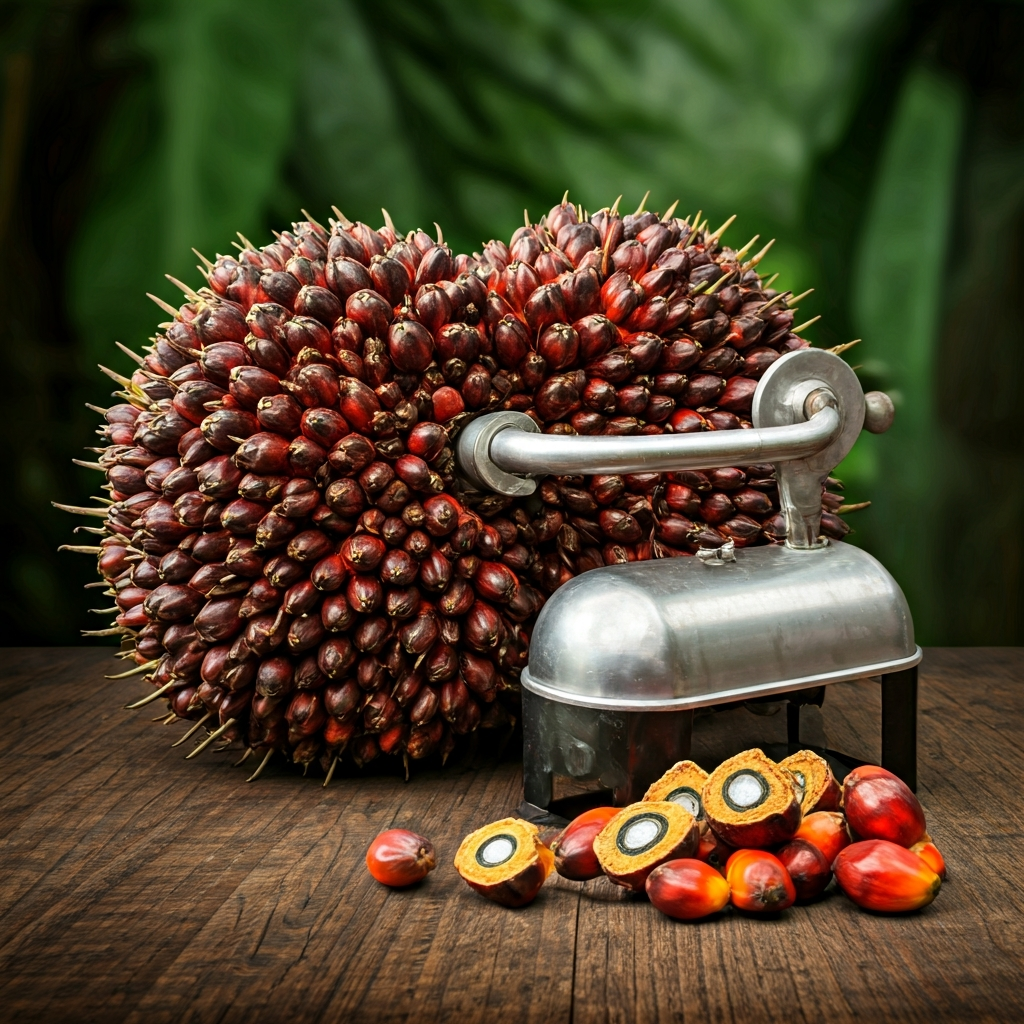
Palm Kernel Expeller (PKE): The Definitive 2026 Guide to Uses & Benefits
Palm Kernel Expeller is a globally recognized, high-value feed ingredient, but are you unlocking its full potential? This guide delves into why PKE is more than just a byproduct; it’s a strategic component for enhancing animal nutrition and improving agricultural profitability in 2026. For millions of farmers, understanding this powerful resource is key to sustainable and efficient livestock production.
The global demand for affordable, effective animal feed ingredients is at an all-time high. Palm Kernel Expeller (PKE), a co-product of the palm oil extraction process, stands as a cornerstone of modern livestock nutrition.
According to the Food and Agriculture Organization (FAO) of the United Nations, efficiently using agro-industrial byproducts like PKE is critical for global food security. This guide offers an expert look into PKE’s uses and benefits, ensuring you can make informed purchasing decisions. We’ll explore everything from its nutritional profile to crucial quality specifications, providing the insights you need for 2026 and beyond.
What Exactly is Palm Kernel Expeller?
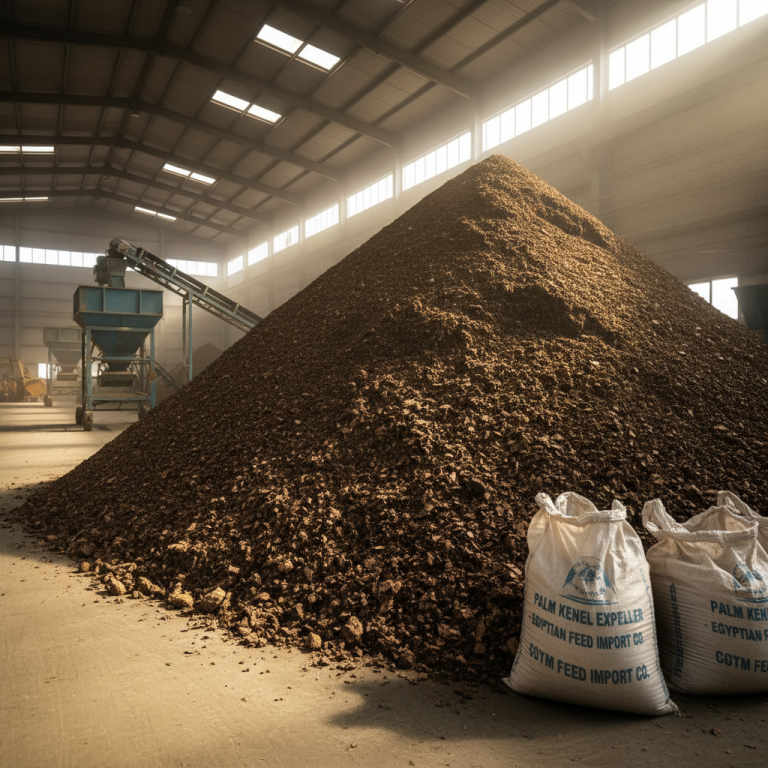
Palm Kernel Expeller, often abbreviated as PKE, is the residual material left after the oil has been mechanically extracted from the kernel of the oil palm fruit. It should not be confused with palm fruit meal, which comes from the fleshy part of the fruit. This distinction is crucial as PKE boasts a significantly different and more valuable nutritional profile, particularly in its protein and fiber content.
As a key player in the international feed market, understanding the production journey of this palm kernel cake is essential for appreciating its quality and consistency.
The Production of Palm Kernel Expeller: A Step-by-Step Process
Creating PKE involves a multi-stage process that guarantees both oil extraction and the production of a nutrient-rich co-product. This process is a model of agricultural efficiency.
- Harvesting and Sterilization: Ripe palm fruit bunches are harvested and sterilized to halt enzyme activity.
- Threshing and Digestion: The fruits are separated from the bunches. The fleshy mesocarp is removed to produce crude palm oil, leaving the palm nut.
- Nut Cracking: The hard palm nut is cracked to release the internal palm kernel. This byproduct, the hard outer casing, is often sold as Palm Kernel Shell, a popular biofuel.
- Kernel Crushing and Oil Extraction: The kernels are crushed and heated. The oil is then extracted using a mechanical screw press, a process known as expeller pressing.
- The Result: PKE: The solid, protein-rich mass that remains after the oil is expelled is the Palm Kernel Expeller.
[Video: A short, animated video showing the palm kernel expeller production process from fruit to feed.]
Palm Kernel Expeller vs. Palm Kernel Meal: A Clear Comparison
The feed industry uses several similar-sounding products, but their nutritional values differ significantly. It is vital for nutritionists and farmers to distinguish between Palm Kernel Expeller, Palm Kernel Meal (PKM), and Copra Meal. While PKE is mechanically pressed, PKM often undergoes solvent extraction, resulting in lower residual fat. Copra Meal, derived from coconuts, offers a different nutritional profile altogether.
| Attribute | Palm Kernel Expeller (PKE) | Palm Kernel Meal (PKM) | Copra Meal |
|---|---|---|---|
| Source | Oil Palm Kernel | Oil Palm Kernel | Coconut |
| Extraction Method | Mechanical Press (Expeller) | Solvent Extraction | Mechanical or Solvent |
| Crude Protein (%) | 14-18% | 15-19% | 20-26% |
| Residual Oil/Fat (%) | 6-10% | 1-3% | 5-12% |
| Primary Use | Ruminant feed, good energy | General feed, lower energy | High-protein feed |
Nutritional Profile of Palm Kernel Expeller: A Deep Dive
The value of Palm Kernel Expeller as a feed ingredient is locked within its nutritional composition. This balance of protein, fiber, energy, and minerals makes it a versatile choice for various livestock systems. A deep understanding of these components is crucial for formulating balanced and effective diets.
Macronutrient Composition (Protein, Fiber, Fat)
The macronutrient content defines the primary role of a feedstuff. PKE is prized for its balanced profile, making it more than just a filler.
- Crude Protein: Typically ranging from 14-18%, this feedstuff provides a substantial amount of protein necessary for muscle development and milk production. While not as high in protein as soybean meal, its amino acid profile is particularly beneficial for ruminants.
- Crude Fiber: With fiber levels between 12-18%, this palm kernel cake is an excellent source of digestible fiber for cattle, sheep, and goats. This fiber content aids in healthy rumen function and promotes cud chewing.
- Residual Fat/Oil: The mechanical expeller process leaves a residual oil content of 6-10%. This is a significant advantage, as the oil is a concentrated source of energy, contributing to a higher metabolizable energy value compared to solvent-extracted meals.
Micronutrients and Minerals
Beyond the basics, PKE is a carrier for essential minerals. Its mineral composition includes high levels of phosphorus, a critical element for bone formation and energy metabolism.
Furthermore, it contains notable amounts of other important minerals such as potassium, magnesium, and zinc. As documented in research published on ScienceDirect, the mineral bioavailability in Palm Kernel Expeller can be optimized with proper diet formulation, making it a valuable contributor to the overall health of an animal.
Key Benefits of Using Palm Kernel Expeller in Animal Feed
Incorporating high-quality Palm Kernel Expeller into feed rations offers a multitude of benefits that impact both animal health and farm economics. Savvy farm managers utilize PKE to gain a competitive edge.
A Cost-Effective Protein and Energy Source
In a market where feed costs can account for up to 70% of production expenses, finding affordable alternatives is paramount. Palm Kernel Expeller is consistently more cost-effective than traditional ingredients like soybean meal or corn, providing both protein and energy in a single package.
This allows for a significant reduction in feed formulation costs without compromising the nutritional integrity of the diet, directly boosting the farm’s bottom line.
Enhancing Ruminant Animal Nutrition
PKE is particularly well-suited for ruminant animals like dairy and beef cattle. Its high fiber content supports a healthy rumen environment, which is the powerhouse of digestion in these animals.
The combination of digestible fiber and moderate protein levels promotes steady growth rates in beef cattle and supports consistent milk yield in dairy cows. This makes PKE a foundational ingredient in many Total Mixed Rations (TMR), often complemented by other specialized supplements like Calcium Salts of Palm Oil Fatty Acids to maximize milk fat production. Moreover, the gritty texture of this byproduct makes it highly palatable, encouraging feed intake.
Applications in Monogastric Diets (Poultry, Swine)
While Palm Kernel Expeller is a star in ruminant diets, its use in monogastric animals like poultry and swine requires more careful consideration due to its high fiber content. However, this does not rule it out.
With the addition of specific feed enzymes to break down the fiber, PKE can be successfully included in broiler and layer chicken diets. According to peer-reviewed studies, inclusion rates of up to 10% can reduce feed costs, especially in regions where palm products are readily available.
Critical Specifications and Quality Grades of a good Palm Kernel Expeller
Not all PKE is created equal. The quality and value of Palm Kernel Expeller are determined by a few key specifications. When sourcing this animal feed ingredient, it is crucial to request a Certificate of Analysis (COA) that details these parameters. The key indicators of high-quality PKE include:
- Protein Content: 16-18% for optimal nutritional value.
- Residual Oil: 6-10% to provide energy without risking rancidity.
- Moisture Level: Below 12% to ensure stability and prevent mold.
- Crude Fiber: Below 20% to maintain high energy and protein density.
The Importance of Balanced Residual Oil Content
While some residual oil is desired for its energy contribution, excessively high levels (over 12%) can indicate an inefficient extraction process. This can also lead to a shorter shelf life, as the oil is prone to rancidity if not stored correctly.
Conversely, a good Palm Kernel Expeller has a balanced oil content (6-10%) that provides energy without stability issues.
Protein Levels: What to Look For
The protein content is a primary determinant of price and value. High-grade PKE will have a crude protein level between 16-18%. Anything lower may be diluted or come from a less effective process. Always verify the protein content to ensure you are getting what you paid for.
Moisture and Fiber Content Standards
Moisture content is a critical factor for storage and handling. The industry standard for Palm Kernel Expeller is a moisture level below 12%. Higher moisture can lead to mold growth and spoilage, reducing the feed’s nutritional value and posing health risks to animals.
Additionally, while fiber is beneficial for ruminants, excessively high fiber (over 20%) can dilute the product’s energy and protein density, making it less valuable.
Makmur Amanah Sejahtera provides high-quality palm products such as Palm Kernel Expeller, Palm Kernel Shell, Crude Palm Oil, Palm Kernel Oil, etc. Kindly contact us at WhatsApp +6282140002198 or email us at admin@makmuramanah.co.id.
Frequently Asked Questions (FAQ) about Palm Kernel Expeller
Is Palm Kernel Expeller good for dairy cows?
Yes, it is excellent for dairy cows. Its combination of moderate protein, high digestible fiber, and energy from residual oil supports milk production and healthy rumen function. It’s a cost-effective component in total mixed rations (TMR) for any livestock.
What is the main disadvantage of PKE?
The main disadvantage of Palm Kernel Expeller is its high fiber content, which can limit its inclusion in the diets of monogastric animals like poultry and pigs without the use of feed enzymes. Additionally, its amino acid profile is not as balanced as soybean meal, particularly in lysine.
How should Palm Kernel Expeller be stored?
Palm Kernel Expeller should be stored in a cool, dry, and well-ventilated area away from direct sunlight. It should be kept off the ground on pallets to prevent moisture absorption. Proper storage is crucial to prevent mold growth and rancidity.
Can PKE be fed to chickens?
Yes, but in limited quantities. Due to its high fiber, the inclusion rate for poultry is typically kept below 10% of the total diet. Using fiber-degrading enzymes can help improve its digestibility and allow for slightly higher inclusion levels for this animal feed ingredient.
What country is the largest producer of PKE?
Indonesia is the world’s largest producer of Palm Kernel Expeller, followed by Malaysia. These two countries dominate the global palm oil market and, consequently, the production of its various co-products, as noted by sources like Wikipedia.
What is the difference between Palm Kernel Expeller and Palm Kernel Shell?
They are two very different co-products. Palm Kernel Expeller is the nutrient-rich meal left after extracting oil from the kernel, used primarily for animal feed. Palm Kernel Shell is the hard, woody outer casing of the kernel, used as a high-grade, low-ash biofuel for industrial boilers.
Conclusion
In 2026, the strategic use of ingredients like Palm Kernel Expeller is more critical than ever. This guide has demonstrated that PKE is far from a simple byproduct; it is a versatile and valuable resource for the global feed industry. From its cost-effective nutritional benefits for ruminants to its potential in monogastric diets, PKE offers a sustainable solution for modern agriculture.
By understanding its production, nutritional specifications, and proper application, you can leverage PKE to enhance animal performance and drive farm profitability. Ensuring you source a high-quality product is the final step in unlocking its full potential. As a cornerstone ingredient, the future of efficient livestock production will undoubtedly involve the continued and intelligent use of Palm Kernel Expeller.
 English
  Indonesian
  Chinese
  Arabic