
Copra Meal: Ultimate Guide to Its Amazing Benefits (2024)
Copra meal is a powerhouse feed ingredient that offers an incredible, cost-effective nutritional boost for livestock. Yet, many farmers and feed formulators are unaware of its full potential. This often leaves significant performance and cost-saving opportunities on the table. This guide reveals everything you need to know to leverage this valuable resource.
The global demand for high-performance animal feed is projected to increase significantly by 2030, forcing the industry to find sustainable, nutrient-rich alternatives. As a byproduct of coconut oil production, coconut meal stands out as a key player in meeting this challenge. It offers a consistent and reliable source of protein and energy. Understanding its properties is no longer optional—it’s essential for competitive and sustainable farming.
What Exactly Is Copra Meal?
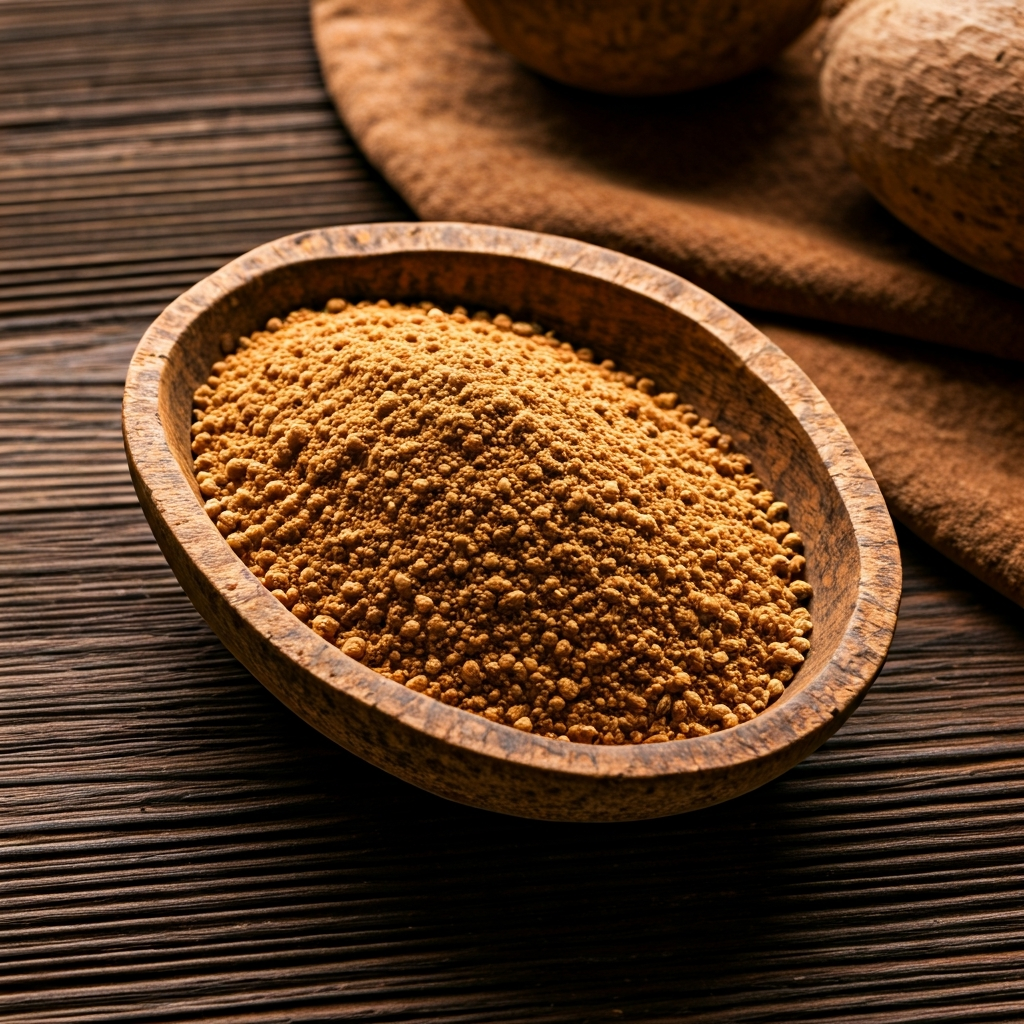
Copra meal, also known as coconut meal or copra cake, is the organic material left over after the oil extraction process from dried coconut flesh (copra). It is a highly palatable and valuable feed ingredient renowned for its high protein and energy content.
Unlike other feed components that require dedicated cultivation, it is a byproduct, making it an environmentally friendly choice for feed formulators. Its unique nutrient profile makes it an excellent supplement for a wide range of livestock, from ruminants to poultry.
This meal provides a unique combination of bypass protein and digestible fiber. According to authoritative sources like Feedipedia, its protein is less soluble in the rumen than that of many other oilseed meals. This allows more of it to be digested in the lower gut, a “bypass” quality that is particularly beneficial for high-producing animals like dairy cows.

How This Feed Is Made: From Coconut to Meal
The production of copra meal is a multi-step process that ensures both oil yield and the quality of the resulting meal. The journey begins with fresh coconuts, which are harvested and then dried to create copra.
- Dehusking and Splitting: The outer husk is removed, and the coconut is split open.
- Drying: The coconut flesh is dried, either by sun-drying or kiln-drying, to reduce moisture content. This dried flesh is known as copra.
- Oil Extraction: The copra is then processed through a mechanical expeller press to extract the valuable coconut oil.
- The Resulting Meal: The solid residue remaining after oil extraction is the copra meal. It is then ground into a consistent, usable form for animal feed.
The quality of the final ingredient is directly influenced by the efficiency of the oil extraction process. A lower residual oil content typically results in a higher protein percentage, making it a premium product for animal nutrition.
Copra Meal vs. Other Byproducts
While both are valuable byproducts from tropical oil production, coconut meal and palm kernel expeller have different nutritional profiles. Copra originates from coconuts, while Palm Kernel Expeller (PKE) comes from the kernel of the oil palm fruit. This distinction is crucial for precise feed formulation.
Generally, coconut meal is more palatable and has a higher energy content, while PKE is known for its higher fiber content. In this same sphere, byproducts like Palm Kernel Shell are used for biofuel rather than feed, highlighting the diverse uses of agricultural processing residues. Understanding these differences allows for more strategic use in feed rations to achieve specific production goals.
The Nutritional Profile of Copra Meal: A Deep Dive
The true power of this coconut byproduct lies in its dense and unique nutritional composition. It provides a balanced blend of energy, protein, and fiber that can enhance almost any feed ration when used correctly.
As an expert in animal nutrition, I’ve seen firsthand how incorporating it can lead to tangible improvements in animal health and productivity. However, it’s essential to analyze its components to use it effectively. The values can vary based on the extraction method (mechanical expeller vs. solvent), but a typical profile provides a robust foundation.
Macronutrient Breakdown (Protein, Fiber, Fat)
The primary appeal of this feed comes from its macronutrient content. It offers a well-rounded profile that serves multiple functions in animal metabolism.
- Crude Protein: Typically ranges from 20-24%. This protein is notable for its “rumen bypass” characteristic, which is highly beneficial for ruminants.
- Crude Fiber: Contains a significant amount of digestible fiber (around 10-12%), which supports gut health and aids in digestion.
- Residual Oil (Fat): The remaining oil content (8-10%) is a fantastic source of condensed energy. It’s primarily composed of medium-chain fatty acids (MCFAs) like lauric acid, known for their antimicrobial properties.
Key Minerals and Vitamins
Beyond the macronutrients, it also provides essential minerals that contribute to overall animal wellness. While not a primary source of vitamins, its mineral content is a significant bonus.
- Phosphorus: Essential for bone development and energy metabolism.
- Potassium: Crucial for maintaining electrolyte balance and nerve function.
- Manganese: Plays a key role in growth and reproductive functions.
Additionally, it’s a good source of B-vitamins, which are vital for metabolic processes and energy production in livestock.
Comparison of Common Feed Meals
To better understand its value, here is a comparison table outlining the typical nutritional values of copra meal against other common protein meals used in the industry.
| Nutrient | Copra Meal | Soybean Meal | Palm Kernel Expeller |
|---|---|---|---|
| Crude Protein | 20-24% | 44-48% | 14-18% |
| Crude Fiber | 10-12% | 5-7% | 16-20% |
| Energy (TDN) | ~70-75% | ~78-82% | ~65-70% |

7 Incredible Benefits of Using Copra Meal in Animal Feed
Incorporating copra meal into livestock rations goes beyond simple feeding; it’s a strategic decision that delivers multiple, measurable benefits. From improved animal health to better economic returns, the advantages are clear and proven.
- High-Energy Source: The residual coconut oil provides a dense and readily available source of energy, perfect for high-production animals.
- Excellent Protein Supplement: With up to 24% protein, it effectively supplements animal diets to support muscle growth and milk production.
- Improves Rumen Health: As confirmed by research in the Journal of Dairy Science, its fiber content and bypass protein characteristics promote a stable and healthy rumen environment in cattle.
- Enhances Milk Production and Quality: The specific fatty acid profile can lead to an increase in milk fat content, improving the overall quality of dairy output.
- Cost-Effective Feed Solution: As a byproduct, it is often more economically priced than primary feed sources like soybean meal. We offer high-quality Copra Meal that provides excellent value.
- Promotes Healthy Weight Gain: Its high palatability encourages feed intake, while the balanced energy and protein support efficient and healthy weight gain in beef cattle and swine.
- Sustainable and Eco-Friendly: Using this ingredient reduces waste from the coconut industry and lessens the reliance on crops grown specifically for feed. This makes it a component of a more sustainable agricultural system, much like other byproducts such as Cocopeat.
Economic Viability and ROI for Farmers
For any modern farming operation, the bottom line is crucial. The financial benefits of incorporating coconut meal are one of its most compelling advantages, directly impacting profitability and return on investment (ROI).
The primary economic driver is its competitive pricing compared to mainstream protein sources like soybean meal. While prices fluctuate, coconut meal consistently offers a lower cost per unit of protein and energy. As detailed by agricultural economists at institutions like Purdue University’s Center for Commercial Agriculture, feed costs can represent over 60-70% of total production costs in livestock operations. Even a small reduction can lead to significant savings.
Consider a simple scenario: if soybean meal costs $400/ton and contains 48% protein, the cost per kg of protein is roughly $0.83. If copra meal costs $250/ton and contains 22% protein, its cost per kg of protein is about $1.13. While seemingly higher per unit of protein, its high energy content means you’re buying two nutrients in one bag. A nutritionist can create a “least-cost formulation” that uses this byproduct to replace a portion of both soybean meal and an energy source like corn, leading to overall lower ration costs.
Practical Applications for Different Livestock
The versatility of this feed allows for its inclusion in the diets of various animals. However, the formulation must be tailored to the specific digestive system and nutritional needs of each species for optimal results.
For Dairy and Beef Cattle
For ruminants, copra meal is a star performer. Its rumen bypass protein ensures that essential amino acids reach the small intestine for absorption, which is critical for milk synthesis in dairy cows. The high energy content also helps meet the demanding requirements of lactation and supports steady growth in beef cattle. An inclusion rate of 15-20% in the concentrate portion of the diet is common and effective.
Formulating Swine Rations
In swine diets, coconut meal can be included as both a protein and energy source, typically at 5-15% of the total ration. Its fiber is especially beneficial for gut health in gestating sows, promoting satiety and preventing constipation. However, care must be taken to balance the ration with other protein sources like soybean meal to ensure a complete amino acid profile, particularly lysine, which is crucial for growing pigs.
Using in Poultry Feed
This ingredient can be used in poultry rations, but at more moderate levels (typically 3-8%). Its high fiber content can limit its inclusion rate for young broilers and layers. However, for adult birds, the energy and protein it provides can effectively reduce costs when balanced correctly. The unique fatty acids can also contribute to egg yolk quality and color.

Potential Limitations and Considerations
While an excellent feed ingredient, there are important considerations to ensure its safe and effective use. Awareness and proper management are key to mitigating any potential risks.
Aflatoxin Risks and Mitigation
Like many agricultural commodities stored in tropical climates, copra can be susceptible to mold growth, which can produce mycotoxins such as aflatoxin. As the World Health Organization notes, these compounds are a serious health concern.
It is absolutely critical to source your feed from reputable suppliers who conduct rigorous quality control. This includes testing for mycotoxins to guarantee a product free from harmful contaminants. Do not risk your livestock’s health on a low-quality, untested source.
Storage and Handling Best Practices
To maintain quality and prevent spoilage, the meal should be stored in a cool, dry, and well-ventilated area. Keep it away from direct sunlight and moisture. Using the “first-in, first-out” (FIFO) principle for inventory management ensures that the feed remains fresh and nutritionally potent.
Your Source for Premium Agricultural Products
Makmur Amanah Sejahtera provides high-quality palm products such as Palm Kernel Expeller, Palm Kernel Shell, Crude Palm Oil, Palm Kernel Oil, etc. Kindly contact us at WhatsApp +6282140002198 or email us at admin@makmuramanah.co.id.
Frequently Asked Questions (FAQ)
What is the main use of copra meal?
Its primary use is as a protein and energy supplement in animal feed. It is widely used in rations for livestock, particularly for dairy cattle, beef cattle, swine, and poultry, due to its excellent nutritional value and cost-effectiveness.
What is the difference between copra and copra meal?
Copra is the dried flesh of the coconut from which oil is extracted. The meal is the solid, protein-rich material that remains after the oil has been pressed out of the copra. In short, copra is the raw material, and the meal is the resulting byproduct.
Is copra meal a good source of protein?
Yes, it is a very good source of protein, typically containing between 20-24%. A significant portion of this protein is “bypass protein,” which is particularly valuable for ruminants as it is digested more efficiently in the small intestine.
How much copra meal can be given to cattle?
For dairy cattle, it can typically be included at 15-20% of the total feed concentrate. The exact inclusion rate depends on the overall diet composition, the production level of the animal, and the quality of the meal. Always consult an animal nutritionist for precise formulations.
Conclusion: The Smart Choice for Modern Farming
In the landscape of modern agriculture, efficiency, sustainability, and performance are paramount. Copra meal emerges as a uniquely powerful tool that addresses all three. Its robust nutritional profile, cost-effective nature, and sustainable origins make it an indispensable ingredient for any forward-thinking farm or feed mill operation.
By providing essential protein, energy, and fiber, it directly contributes to healthier livestock and improved profitability. Understanding and utilizing this feed is a strategic advantage. By incorporating this amazing byproduct into your feed strategy, you are not just feeding animals—you are investing in a more productive, economical, and sustainable future.

 English
  Indonesian
  Chinese
  Arabic