
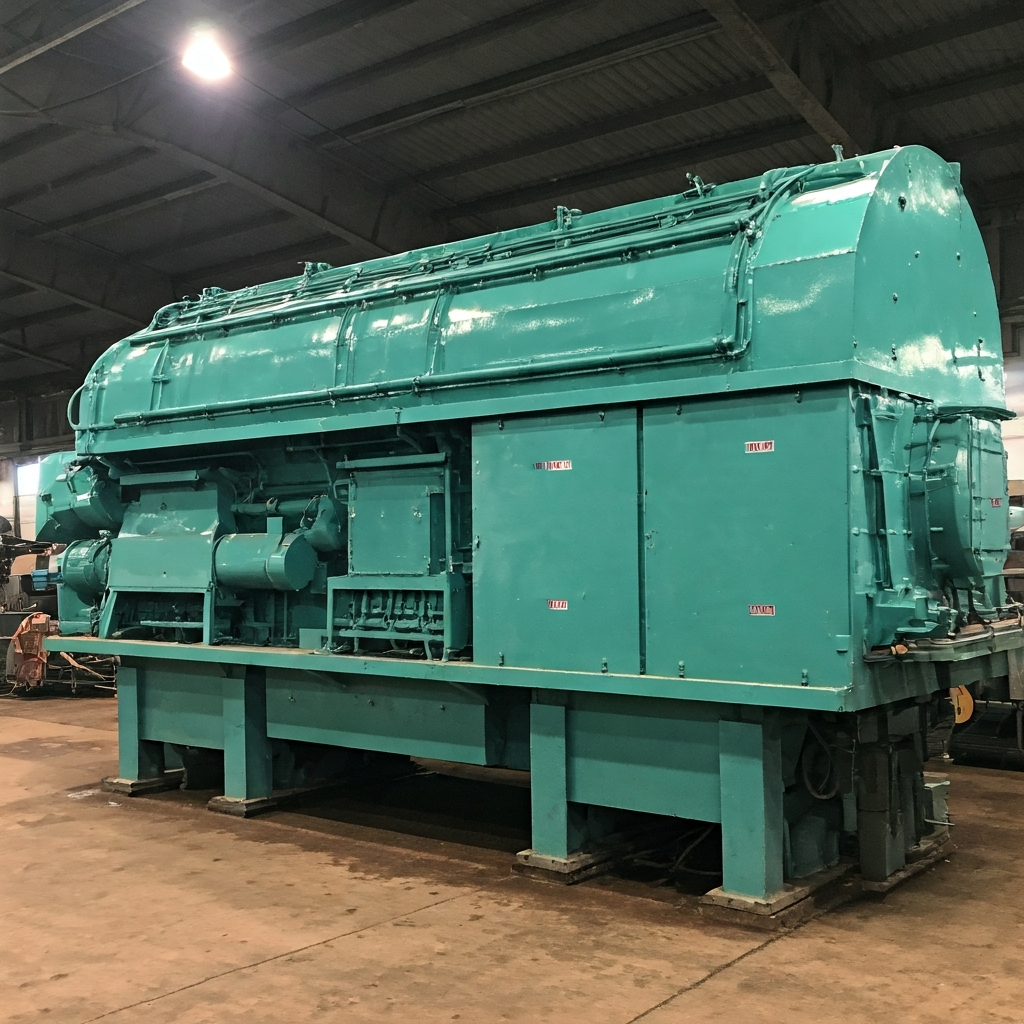
GACC Approved PKE: Your 2026 Guide to Flawless China Imports
Importing GACC Approved PKE into China presents a significant challenge for many in the agricultural commodity sector. The complex regulations set by the General Administration of Customs of the People’s Republic of China (GACC) can feel overwhelming. This guide provides the ultimate solution, delivering a clear, step-by-step roadmap for flawless importation in 2026.
Introduction: Decoding China’s PKE Import Requirements
Palm Kernel Expeller (PKE) is a vital component in animal feed, and China stands as one of its largest consumers. However, suppliers must meet stringent GACC requirements to gain market access. As of 2026, any PKE shipment entering China must originate from a facility that the GACC has registered and approved.
According to recent trade reports from leading agencies like Reuters, non-compliance is a leading cause for shipment rejection at Chinese ports, costing importers millions annually. Understanding the nuances of GACC registration, documentation, and quality protocols is essential for survival. This guide builds on over a decade of experience in navigating these exact challenges.
What Exactly is GACC Approved PKE?
Many points of confusion surround the term itself. A “GACC Approved PKE” is not a different type of product. It is Palm Kernel Expeller that originates from a production facility—and an entire supply chain—that the GACC has inspected, audited, and officially registered. This approval serves as a mark of quality, safety, and traceability.
It assures Chinese authorities that the product meets their country’s biosecurity and feed safety standards. It also confirms that the facility manages the risk of contaminants and plant diseases according to Chinese protocols.
The Critical Difference: PKE vs. Related Products
While both are valuable feed ingredients, it’s important to distinguish PKE from its cousin, Copra Meal. PKE is the by-product of crushing and extracting oil from palm kernels. In contrast, Copra Meal derives from dried coconut flesh after oil extraction. These products should also not be confused with soil-related coconut products like Cocopeat, which serve entirely different markets.
PKE generally has a higher fiber content, making it suitable for ruminant animals, whereas copra meal is often used more broadly. For importers, the GACC protocols for each can differ, making it crucial to classify your product correctly from the outset.
Why PKE is a Prized Animal Feed Ingredient
The global demand for PKE is driven by its excellent nutritional profile for livestock. It’s a balanced source of energy, protein, and fiber, which promotes healthy digestion and growth. Key benefits include:
- High Fiber Content: Aids in ruminant digestion, a fact supported by numerous studies in publications like the Journal of Animal Feed Science.
- Moderate Protein Levels: Provides essential amino acids for growth.
- Cost-Effectiveness: Offers a competitive price point compared to other feed sources like soybean meal.
- Energy Density: A good source of calories for livestock, including beneficial fatty acids like those found in Calcium Salts of Palm Oil Fatty Acids.
This nutritional value is precisely why China’s government, through GACC, strictly regulates its import to protect the health of its massive livestock industry.
The Critical Role of GACC in China’s Import Market
The General Administration of Customs of the People’s Republic of China (GACC) is the primary government agency that oversees all goods entering or leaving the country. Its mandate extends far beyond collecting tariffs. It is the frontline defense for national biosecurity, food safety, and quarantine inspection.
For agricultural commodities like PKE, GACC’s role is paramount. The agency establishes and enforces the rules that all international suppliers must follow to gain and maintain market access. GACC maintains a public database of approved overseas establishments, which importers can access via the official C-GACC portal. Before committing to any purchase, importers must verify their supplier is on this list. A failure to do so guarantees the shipment will be rejected.
From AQSIQ to GACC: A Brief History of Regulation
Industry veterans will remember GACC’s predecessor, the Administration of Quality Supervision, Inspection and Quarantine (AQSIQ). In 2018, a major governmental restructuring in China merged AQSIQ’s responsibilities for import-export food safety into the GACC. This consolidation streamlined oversight and increased efficiency.
For businesses, this change meant adapting to a new, unified regulatory body with a powerful and comprehensive mandate. Understanding this history clarifies why GACC holds such extensive authority over products like PKE today.
Step-by-Step Guide to Importing GACC Approved PKE to China in 2026
Successfully importing PKE is a process of diligent verification and documentation. Following these seven steps methodically is the key to avoiding delays and ensuring a smooth transaction.
- Verify Supplier’s GACC Registration: Before any negotiation, use the official GACC portal to confirm the exporter’s facility is on the approved list for Palm Kernel Expeller. This is a non-negotiable first step. Cross-reference the registration number and company name exactly.
- Confirm Product Protocol Compliance: The supplier must adhere to the specific protocol agreed upon between their country’s government and China. This includes details on heat treatment, moisture content, storage, and handling procedures. Request compliance evidence.
- Secure Essential Documentation: A compliant shipment requires a full set of accurate documents. This includes a Phytosanitary Certificate, Certificate of Origin, Bill of Lading, and a clear declaration that the product is from a GACC-approved facility. Even minor errors can cause major delays.
- Appoint a Competent Customs Broker: Work with an experienced broker in China who specializes in agricultural commodities. They will navigate the declaration process, troubleshoot port issues, and provide local expertise.
- Arrange for Port Inspection: Upon arrival, GACC officials will subject the PKE shipment to inspection and sampling. Ensure your supplier’s quality matches the declared specifications to pass this critical stage.
- Understand Tariff and VAT Obligations: Be prepared for the associated taxes. Your customs broker can provide a precise calculation based on the Harmonized System (HS) code for PKE and the latest tax regulations in China.
- Plan for Post-Clearance Logistics: Once cleared, you need a solid plan for domestic transport and storage. The product must be handled correctly to maintain its quality until it reaches the end-user, protecting it from moisture and contamination.
Common Pitfalls When Importing PKE (And How to Avoid Them)
Even experienced importers can fall into traps. Awareness is the first step to avoidance. Here are common issues we’ve observed over the years.
Pitfall #1: Inaccurate or Incomplete Documentation
This is the number one cause of delays. A single typo, a mismatched date, or a missing stamp can hold up a container for weeks. To avoid this, implement a double-check system. Have both your team and your customs broker review all documents for accuracy before the shipment sails.
Pitfall #2: Assuming All Suppliers on the GACC List Are Equal
GACC registration is the minimum entry requirement, not a guarantee of a supplier’s quality or reliability. Some suppliers may have excellent quality control, while others do just enough to pass the audit. Always conduct your own due diligence, ask for recent test reports, and ideally, visit the facility or hire a local inspector.
Pitfall #3: Ignoring Post-Clearance Quality Control
The journey isn’t over once customs clears the goods. Improper storage or transportation within China can ruin a perfect batch of PKE. Ensure your logistics partners understand the product’s sensitivity to moisture and have protocols to protect it until it reaches the final destination.
GACC Approved PKE vs. Non-Approved: A Critical Comparison
The distinction between approved and non-approved PKE is a matter of market access and risk. For an importer, the choice is clear, but understanding the specific differences highlights the value of the GACC system.
| Feature | GACC Approved PKE | Non-Approved PKE |
|---|---|---|
| Market Access to China | Guaranteed legal entry | Entry prohibited; will be rejected or destroyed |
| Traceability | Fully traceable to a registered facility | Unknown origin and processing standards |
| Quality & Safety Assurance | Audited for compliance with Chinese safety protocols | No assurance of safety or quality standards |
| Commercial Risk | Low commercial risk; predictable process | Extremely high risk of total financial loss |
| Associated Products | Often supplied by exporters who also deal in high-quality biomass like Palm Kernel Shell | Suppliers may offer other unregulated products |
[Video Embed Suggestion]
Consider embedding a short video here from a logistics expert explaining the GACC inspection process at a Chinese port. This would provide immense value and build trust.
Title: Navigating GACC Port Inspections for Agri-Commodities
Your Partner in Compliant Palm Products
Makmur Amanah Sejahtera provides high-quality palm products such as GACC Approved Palm Kernel Expeller, Palm Kernel Shell, Crude Palm Oil, Palm Kernel Oil, etc. Kindly contact us at WhatsApp +6282140002198 or email us at admin@makmuramanah.co.id.
Frequently Asked Questions (FAQ)
How do I check for GACC approved exporters?
You must use the official GACC portal to verify an exporter’s status. Search for “GACC Application for Registration of Overseas Manufacturers of Imported Food” or go to the C-GACC query page. Using this official source is the only way to guarantee you are working with a legitimate GACC Approved PKE supplier.
How long does GACC registration last for a PKE facility?
GACC registration for overseas food production facilities, including those for PKE, is typically valid for 5 years. The manufacturer must apply for renewal well in advance of the expiration date to ensure there is no lapse in their approved status, which could disrupt the entire supply chain.
Can I import PKE from a country without a GACC protocol?
No. If there is no official protocol established between China and the exporting country for Palm Kernel Expeller, then legal import is impossible. The GACC system is built on these bilateral agreements that outline all requirements for phytosanitary controls, safety, and traceability.
What are common reasons for a GACC Approved PKE shipment to be rejected?
Even with an approved supplier, rejections happen. Common causes include documentation errors, discovery of contaminants (e.g., molds, foreign material), excessive moisture levels, or the presence of prohibited seeds or pests. This is why strict quality control from the supplier is so vital.
Are other palm products like PKS regulated as strictly?
While all imported goods are inspected, the level of scrutiny varies. Products for animal consumption like PKE face the strictest regulations. Industrial materials like Palm Kernel Shell (PKS), used as biomass fuel, have different GACC requirements focused more on plant quarantine than on feed safety.
Conclusion: Your Success in the Chinese PKE Market
Importing Palm Kernel Expeller into China in 2026 is a process defined by regulation and precision. These complexities are not barriers, but rather a system to ensure safety and quality for one of the world’s most important agricultural markets. By understanding the central role of the GACC and meticulously verifying suppliers, you can build a resilient supply chain.
Ensuring your documentation is perfect and anticipating the procedural steps are key. Success in this market belongs to the well-informed and the well-prepared. By treating the import process with the diligence it deserves, you can confidently source and import GACC Approved PKE, securing your position in this valuable industry.
 English
  Indonesian
  Chinese
  Arabic