

Copra Meal: #1 Complete Guide to Its Amazing Uses (2026)
Copra meal is a foundational, yet often underestimated, ingredient in the global animal feed industry. For farmers and livestock managers seeking a cost-effective, high-protein alternative, understanding this coconut by-product is no longer optional—it’s a competitive advantage.
You’re likely facing rising feed costs and searching for sustainable ways to enhance animal productivity without compromising on nutrition. The challenge is navigating the complex world of feed ingredients to find one that delivers on protein, energy, and value. This guide provides the definitive solution.
This comprehensive article, updated for 2026, demystifies copra meal, providing a data-driven look at its uses, benefits, and precise nutritional value. We will explore everything from its production process to species-specific application, empowering you to make informed decisions for your operation.
What Exactly Is Copra Meal? A Foundational Overview
At its core, copra meal is the nutrient-rich substance left over after the oil has been extracted from dried coconut kernel (copra). It is a vital by-product of the coconut oil industry, transforming what would be waste into a valuable resource for animal nutrition.
According to the Food and Agriculture Organization (FAO), millions of tons are produced annually, highlighting its significance in the global feed supply chain. This coconut-based ingredient serves as an excellent source of protein and energy, making it a popular choice for inclusion in compound feeds for a variety of livestock, from ruminants to poultry.
From Coconut to Copra: The Production Process
The journey to create this valuable feedstuff begins with the humble coconut. After harvesting, coconuts are de-husked and split. The white kernel is then dried to create “copra,” while the husk can be processed into materials like cocopeat. This drying process is crucial as it reduces moisture content, preventing spoilage and concentrating the nutrients.
The copra is then processed for oil extraction. The quality and characteristics of the resulting meal are heavily influenced by the method used in the next step.
Mechanical Expeller vs. Solvent Extraction
There are two primary methods for extracting oil from copra, each yielding a slightly different type of meal:
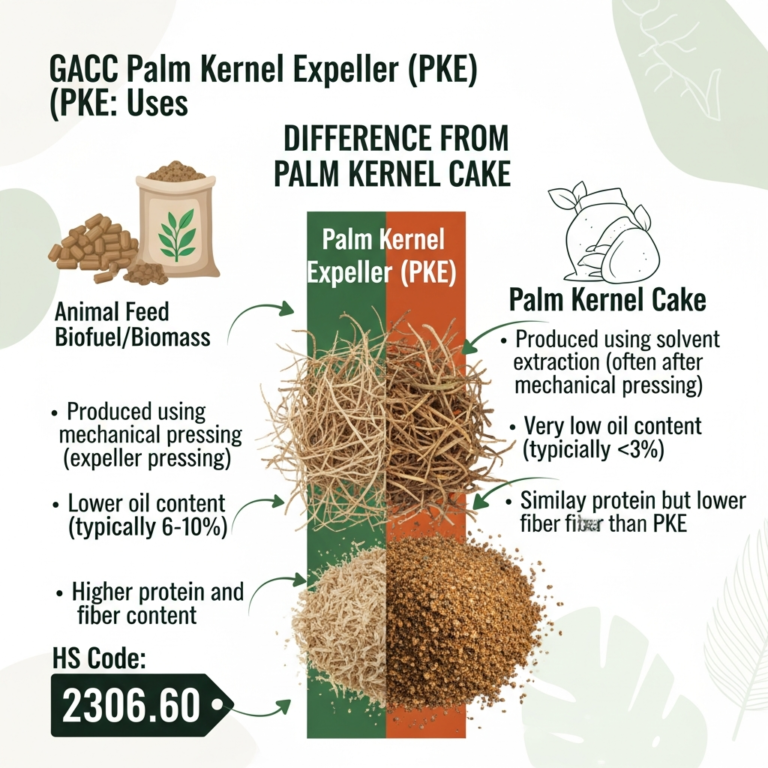
- Mechanical Expeller Pressing: This is the most common method. The dried copra is crushed and physically pressed to squeeze out the oil. The resulting “copra cake” or “copra expeller meal” typically contains a residual oil content of 6-12%.
- Solvent Extraction: In this industrial process, a solvent (usually hexane) is used to leach the oil from the copra. This method is more efficient, resulting in a meal with a very low residual oil content (typically under 3%).
For most livestock applications, the mechanically pressed coconut meal is preferred due to its higher energy content from the remaining oil.
Understanding Copra Cake vs. Copra Meal
The terms “copra cake” and “copra meal” are often used interchangeably, but there can be a subtle difference. “Copra cake” usually refers to the chunks or flakes produced directly from the expeller press. “Copra meal” is the result of grinding this cake into a finer, more uniform particle size, making it easier to incorporate into mixed feeds.
The Comprehensive Nutritional Profile of Copra Meal
Understanding the precise nutritional makeup of this coconut by-product is key to unlocking its full potential. While it’s lauded for its protein content, its profile of fat, fiber, and essential minerals contributes significantly to its role in animal diets.
It stands as a unique plant-based protein source due to its high level of bypass protein, particularly valuable for ruminants. This means a larger portion of the protein bypasses the rumen and is digested in the small intestine, leading to more efficient nutrient absorption.
Macronutrient Breakdown: Protein, Fiber, and Fat Content
The primary value of this feed ingredient lies in its macronutrients. However, nutrient levels can vary based on the processing method and the quality of the raw copra. Below is a typical comparison with other common feed ingredients.
| Nutrient | Copra Meal (Expeller) | Soybean Meal | Palm Kernel Meal |
|---|---|---|---|
| Crude Protein | 20-24% | 44-48% | 16-18% |
| Crude Fat | 6-12% | 1-2% | 8-10% |
| Crude Fiber | 10-14% | 5-7% | 14-18% |
| Metabolizable Energy (MJ/kg) | ~11.5 (Ruminant) | ~12.5 (Ruminant) | ~10.5 (Ruminant) |
Note: These values are approximate and can vary. Always test your specific batch of feed ingredients for precise formulation.
Essential Amino Acids: The Building Blocks of Growth
While coconut meal provides a solid protein foundation, its amino acid profile is a critical consideration. It has a good balance of many amino acids but is known to be limiting in lysine and methionine, the first-limiting amino acids for pigs and poultry, respectively.
Therefore, when formulating feeds for monogastric animals, it is essential to supplement the diet with synthetic amino acids or use other protein sources to create a complete and balanced profile. For ruminants, this is less of a concern as rumen microbes can synthesize these amino acids.
Top 7 Benefits of Using Copra Meal in Livestock Feed
Incorporating this ingredient into livestock rations offers a multitude of advantages that go beyond simple economics. Here are seven key benefits that progressive farmers are leveraging in 2026.
- High-Energy Source: The residual oil content in expeller copra meal makes it a fantastic source of energy, helping to improve the body condition of animals and support milk production in dairy cows.
- Cost-Effective Protein Alternative: In many regions, this coconut-based meal is priced competitively against other protein sources like soybean meal, allowing for a significant reduction in overall feed costs without sacrificing quality.
- Enhances Rumen Function in Cattle: The high fiber content, particularly the “bypass protein,” promotes healthy rumen activity. Research published in the Journal of Animal Science has shown that fiber sources like this can improve butterfat content in milk.
- Supports Healthy Coats and Skin: The unique fatty acid profile, rich in lauric acid, is known to contribute to a glossy, healthy coat in animals, particularly horses and cattle. This is often an outward sign of robust internal health.
- Natural and Sustainable Feed Ingredient: As a by-product, using copra meal improves the sustainability of the coconut industry. It reduces waste and provides a natural feedstuff, a selling point for consumers interested in eco-friendly farming.
- Improves Palatability of Rations: Many animals are drawn to the naturally sweet, nutty aroma and taste of coconut, which can help improve the intake of mixed feeds, especially when introducing new rations.
- Low in Anti-Nutritional Factors: Unlike some other plant-based protein sources, this particular meal is relatively low in anti-nutritional factors like trypsin inhibitors or high levels of phytates, making it a safer and more digestible option.
Practical Applications of Copra Meal Across Species
The versatility of this feedstuff allows for its inclusion in diets for a wide range of animals. However, optimal inclusion rates and formulation strategies vary significantly between species due to their different digestive systems.
Dairy and Beef Cattle: Boosting Milk and Meat Production
For ruminants, copra meal is an exceptional feed ingredient. The combination of bypass protein and digestible fiber makes it ideal for supporting milk yield and composition in dairy cows. It can be included in Total Mixed Rations (TMR) at levels of 15-25% of the concentrate mix. For beef cattle, it serves as an excellent protein and energy supplement in backgrounding and finishing rations.
Poultry (Broilers and Layers): A Guide to Inclusion Rates
In poultry diets, this ingredient is used more strategically. Due to its high fiber content and limiting amino acids, inclusion rates are generally lower.
- Broilers: Typically included at 5-10% of the diet. Higher levels can negatively impact growth if not properly balanced.
- Layers: Can be used up to 15-20% of the ration. The high fiber is less of a concern, and it provides a good source of protein for egg production.
It is crucial to balance the ration with lysine and methionine when using copra meal for poultry.
Swine Nutrition: Benefits and Limitations
The high fiber in this meal limits its use in starter diets for young piglets. However, for growing-finishing pigs and sows, it can be a cost-effective ingredient when included at 5-15% of the diet. Addressing the disadvantages of coconut meal in swine feed, primarily the low lysine content, is key. Supplementation is non-negotiable for optimal growth.
Equine and Aquaculture: Niche Uses for Copra Meal
In horses, copra meal is prized as a “cool” energy source, providing calories without the fizz associated with high-starch grains. It is excellent for weight gain and coat condition. In aquaculture, it is being researched and used as a sustainable plant-protein source in fish feeds, reducing reliance on fishmeal.
Potential Limitations and How to Mitigate Them
While this coconut by-product is a powerful tool, it’s important to be aware of its limitations and manage them proactively. A key aspect of this is choosing a reliable supplier who can provide consistent quality.
Furthermore, poor quality control can lead to issues that negate the benefits. For instance, improperly dried copra can be susceptible to mold growth, which produces dangerous mycotoxins. Sourcing from a trusted supplier like Makmur Amanah Sejahtera ensures you receive a product that has been rigorously tested and handled correctly.
Aflatoxin Risks and Proper Storage
The single biggest risk associated with low-quality coconut meal is contamination with aflatoxins, which are produced by certain molds. Always source from suppliers who can provide a certificate of analysis showing aflatoxin levels are well below regulatory limits. Store the meal in a cool, dry place to prevent moisture accumulation and mold growth.
Balancing Amino Acid Profiles
As discussed, the primary nutritional limitation is the low level of lysine and methionine. This is not a flaw of the ingredient itself, but a characteristic that must be managed through scientific ration formulation. Working with an animal nutritionist or using formulation software is the best way to ensure a perfectly balanced diet.
Makmur Amanah Sejahtera provides high-quality palm products such as Palm Kernel Expeller, Palm Kernel Shell, Crude Palm Oil, Palm Kernel Oil, etc. Kindly contact us at WhatsApp +6282140002198 or email us at admin@makmuramanah.co.id.
Frequently Asked Questions (FAQ)
What is copra meal used for?
Copra meal is primarily used as a protein and energy source in animal feed for livestock. It’s commonly included in rations for dairy cattle, beef cattle, poultry, swine, and horses to improve growth, milk production, and overall health in a cost-effective manner.
Is copra meal good for horses?
Yes, copra meal is excellent for horses. It is considered a “cool” energy source, meaning it provides calories for weight gain and conditioning without the excitable behavior sometimes caused by high-starch grains. It is also well-regarded for promoting a shiny, healthy coat.
What is the difference between copra meal and palm kernel meal?
Copra meal is derived from the kernel of the coconut, while palm kernel meal comes from the kernel of the oil palm fruit. While both are protein-rich by-products, copra meal generally has higher protein quality and palatability, whereas palm kernel meal has higher fiber content.
How much protein is in copra meal?
Mechanically extracted copra meal typically contains between 20-24% crude protein. The exact percentage can vary based on the efficiency of the oil extraction process. It’s a valuable source of medium-level protein for many different types of livestock.
Can chickens eat copra meal?
Yes, chickens can eat copra meal, but it should be included at moderate levels (5-20% of the ration). Its high fiber content can be difficult for young birds to digest, and the diet must be supplemented with lysine and methionine to ensure balanced nutrition for growth and egg laying.
Conclusion: The Enduring Value of Copra Meal in 2026
As the agricultural landscape evolves, the demand for efficient, sustainable, and cost-effective feed solutions will only intensify. This coconut by-product has proven its place as a steadfast and valuable component in modern animal nutrition, offering a powerful blend of protein, energy, and fiber that drives animal performance.
By understanding its nutritional profile, practical applications, and limitations, you can strategically incorporate it into your feeding program to lower costs and boost productivity. The key lies in sourcing a high-quality product and applying sound nutritional principles to balance the ration for your specific animals.
Ultimately, Copra meal remains a cornerstone of intelligent livestock management. When used correctly, it is not just a feed ingredient but an investment in the health, productivity, and profitability of your entire operation, proving its worth year after year.
 English
  Indonesian
  Chinese
  Arabic