
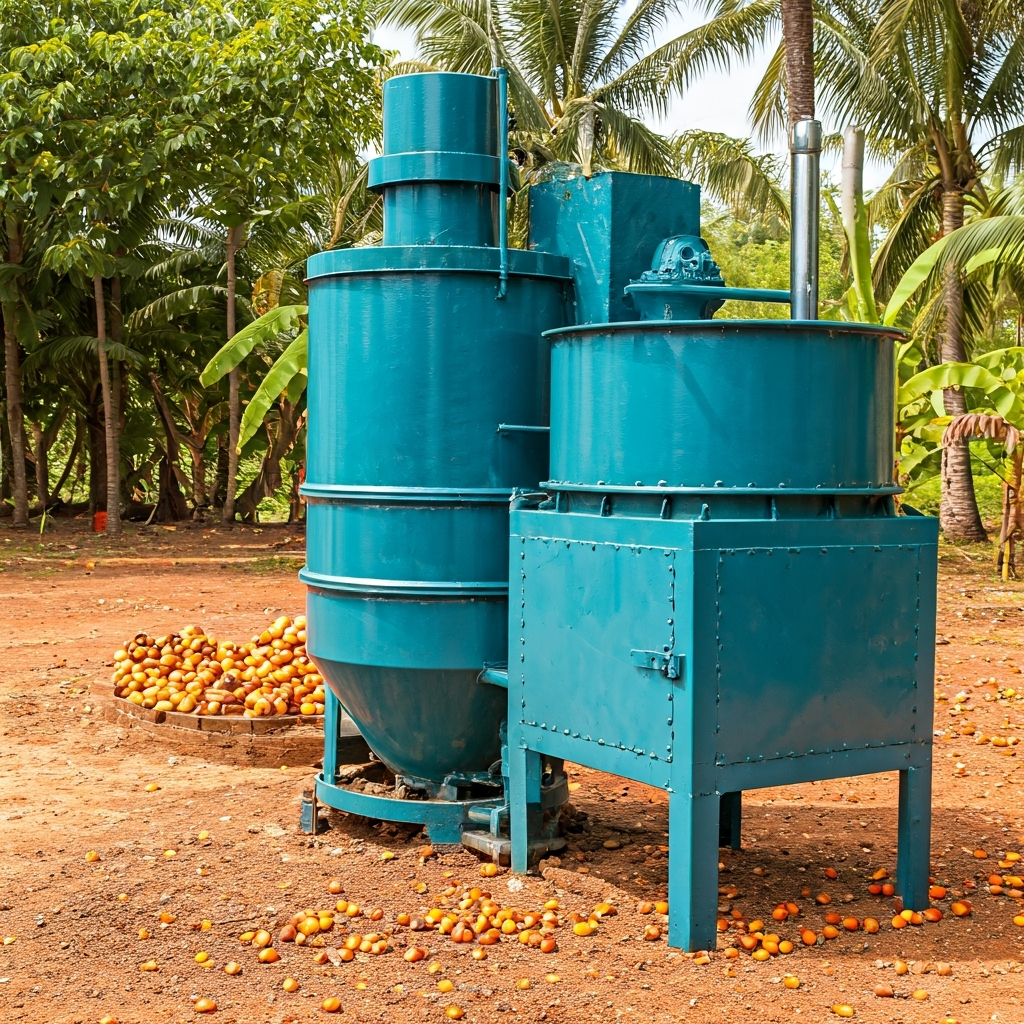
Palm Kernel Expeller (PKE) for Animal Feed: A Complete Guide to Uses, Specifications & Price
The best Palm Kernel Expeller for animal feed offers a powerful, cost-effective solution to rising nutritional costs, but navigating its specifications can be a challenge. For farm managers and nutritionists aiming to optimize livestock performance in 2026, understanding this ingredient is no longer optional—it’s essential for profitability.
In a global market where feed expenses can account for up to 70% of total production costs, the search for sustainable, high-value alternatives is relentless. Palm Kernel Expeller (PKE), a by-product of the palm oil industry, has emerged as a frontrunner.
This guide provides a comprehensive overview of its uses, benefits, and critical quality parameters for using Palm Kernel Expeller for animal feed, empowering you to make informed purchasing decisions that directly impact your bottom line.
What Exactly is Palm Kernel Expeller (PKE)?
Palm Kernel Expeller (PKE) is a high-fiber, moderate-protein feed ingredient derived from the oil palm tree (Elaeis guineensis). It is the material left behind after the mechanical extraction of oil from the kernel (seed) of the palm fruit. It is a crucial component in global feed markets, particularly in Southeast Asia.
[Image: A close-up, detailed shot showing the texture and color of high-quality Palm Kernel Expeller for animal feed pellets.]
From Palm Fruit to Feed: The Expeller Process
The journey to creating PKE is a multi-step process that ensures quality and nutrient availability. It begins with the palm fruit, from which the palm kernel is separated.
- Kernel Crushing: The hard palm kernels are cracked and crushed to prepare them for oil extraction.
- Mechanical Pressing: The crushed kernels are then passed through a screw press (expeller) where immense pressure extracts the valuable Palm Kernel Oil.
- PKE Formation: The remaining solid, fibrous mass is the Palm Kernel Expeller. It is then cooled, dried to a specific moisture level (typically under 12%) to ensure stability, and often pelletized for ease of transport and handling.
PKE vs. Palm Kernel Meal (PKM): A Key Distinction
While often used interchangeably, PKE and Palm Kernel Meal (PKM) can differ based on the oil extraction method. PKE is produced via mechanical pressing, leaving a residual oil content of 5-12%.
In contrast, PKM is often produced using solvent extraction, resulting in a lower residual oil content (1-3%) but potentially higher protein concentration. For energy-requiring livestock, the higher oil content in PKE is generally beneficial.
Chemical Composition of Palm Kernel Expeller for Animal Feed
High-quality Palm Kernel Expeller for animal feed is a balanced nutritional source, prized for its fiber and protein. Typically, it consists of 14-18% crude protein, 15-20% crude fiber, and 5-12% residual crude fat. This composition makes it an excellent energy source for ruminants and a valuable fiber component for monogastric animals when used at appropriate inclusion levels.
Nutritional Profile of Palm Kernel Expeller for Animal Feed
Understanding the detailed nutritional specifications of PKE is critical for accurate feed formulation. The value of Palm Kernel Expeller for animal feed is determined by its nutrient content, digestibility, and absence of contaminants. This data is essential for any professional animal nutritionist.
Core Nutrients: Protein, Fiber, and Energy Content
PKE provides a unique combination of nutrients. Its protein is rich in essential amino acids like arginine, although it is limiting in lysine and methionine, requiring supplementation for poultry and swine diets. The high fiber content, primarily Neutral Detergent Fiber (NDF), is a key energy source for ruminants through fermentation in the rumen.
Essential Minerals and Vitamins
PKE is a notable source of several essential minerals that are vital for animal health and productivity. It contains significant levels of:
- Phosphorus: Crucial for bone development and energy metabolism.
- Potassium: Important for nerve function and fluid balance.
- Magnesium: A key component in hundreds of enzymatic reactions.
- Copper: While beneficial for cattle, levels must be monitored for sheep, which have a lower tolerance.
This mineral profile makes it a great complement to other supplements like Calcium Salts of Palm Oil Fatty Acids, which provide targeted fat and calcium for high-production animals.
Understanding the Specification Sheet: What to Look For
When purchasing Palm Kernel Expeller for animal feed, the Certificate of Analysis (COA) is your most important document. Here’s a comparison of what you might find in PKE versus a common alternative like Soybean Meal (SBM).
| Nutrient | Typical Palm Kernel Expeller (PKE) | Typical Soybean Meal (SBM, 44%) |
|---|---|---|
| Crude Protein | 14 – 18% | 44 – 48% |
| Crude Fiber | 15 – 20% | 5 – 7% |
| Crude Fat (Oil) | 5 – 12% | 1 – 2% |
| Metabolizable Energy (Ruminant) | ~11 MJ/kg | ~12.5 MJ/kg |
The Astonishing Benefits of Using Palm Kernel Expeller for Animal Feed
Incorporating PKE into feed rations is more than a cost-saving measure; it’s a strategic move to enhance animal nutrition and farm sustainability. The benefits of using Palm Kernel Expeller for animal feed are recognized by leading agricultural bodies and backed by scientific research.
[Image: A healthy herd of dairy cows eating from a trough that contains a mixed feed including Palm Kernel Expeller.]
Cost-Effectiveness and Feed Budget Reduction
The most immediate benefit of using PKE is its competitive pricing compared to other protein and energy sources like soybean meal, corn, or Copra Meal. Farms can often reduce feed costs by 10-20% by substituting a portion of their traditional ration with PKE, without compromising on essential nutrients. This makes a significant difference in operational profitability.
Improved Ruminant Digestion and Health
For ruminants like cattle and goats, PKE is particularly advantageous. Its high fiber content promotes healthy rumen function and fermentation, which can lead to improved butterfat content in dairy cows. Furthermore, its “gritty” texture can help stimulate rumination. Research published in journals like the Journal of Dairy Science has explored its effects on milk production and composition.
Enhancing Poultry and Swine Feed Formulations
While used in smaller quantities for monogastric animals, PKE serves as an excellent fiber source to promote gut health. In layer hens, it can contribute to firmer eggshells due to its phosphorus content. For swine, it can be used to add bulk to the diet and improve satiety, especially in gestating sows.
Applications of Palm Kernel Expeller for Animal Feed
The ideal inclusion rate of Palm Kernel Expeller for animal feed varies significantly by animal species, age, and production goal. Careful formulation is key to maximizing its benefits and avoiding any potential issues.
Using Palm Kernel Expeller for Animal Feed in Cattle (Dairy & Beef)
Cattle are the primary consumers of PKE. Its balanced energy and protein profile make it an ideal supplement.
- Dairy Cattle: Can be included at 15-25% of the total diet ration. It is known to support milk fat production due to its digestible fiber and residual oil.
- Beef Cattle: In feedlot rations, it can be used up to 30% of the diet, providing a cost-effective energy and protein source for growth.
PKE in Poultry (Broilers & Layers) Feed
For poultry, the high fiber content in Palm Kernel Expeller for animal feed limits inclusion rates. However, it offers benefits beyond basic nutrition.
- Broilers (Meat Birds): Typically limited to 5-7% of the diet. Higher levels can reduce feed intake and growth rates.
- Layers (Egg-laying Hens): Can be included up to 10%. The gritty texture is thought to reduce feather-pecking behavior.
Incorporating PKE into Swine and Aquaculture Diets
In other species, PKE is a valuable niche ingredient. For swine, inclusion is generally kept below 15% due to fiber content. In aquaculture, certain herbivorous fish species can effectively utilize PKE as a low-cost protein and energy source in their feed pellets.
Potential Drawbacks and How to Mitigate Them
While highly beneficial, using Palm Kernel Expeller for animal feed is not without its challenges. Awareness and proactive management are key to successfully integrating it into your feeding program. Quality control from your supplier is paramount.
Addressing Palatability and Intake Issues
Some batches of PKE can have a dry, gritty texture that may initially reduce feed intake. This can be easily mitigated by introducing PKE gradually into the ration over 7-10 days. Additionally, mixing it with molasses or including it as part of a Total Mixed Ration (TMR) significantly improves its palatability.
Ensuring Quality and Avoiding Mycotoxin Contamination
Like any agricultural commodity, PKE is susceptible to mold and mycotoxin growth if not dried and stored properly. It is crucial to source from suppliers who can provide a clean bill of health and a Certificate of Analysis. For more on this, the Food and Agriculture Organization (FAO) provides excellent resources on feed safety.
Sourcing and Price Analysis for PKE in 2026
The market for Palm Kernel Expeller for animal feed is global and dynamic, influenced by factors ranging from weather patterns in Southeast Asia to global shipping costs. Staying informed is key to strategic purchasing.
[Image: Infographic concept titled “From Palm to PKE: A Visual Journey” showing the process from palm fruit harvesting, kernel extraction, oil pressing, to the final PKE pellets.]
Key Global Suppliers and Market Trends
Indonesia and Malaysia are the world’s largest producers of palm oil products, and therefore, the primary exporters of PKE. As reported by industry publications like FeedNavigator, demand from Europe, New Zealand, and China remains strong, influencing global price points. For 2026, sustainable sourcing certifications are becoming increasingly important for buyers.
Factors Influencing Palm Kernel Expeller for Animal Feed Pricing
The price of PKE is not static. It is affected by several factors:
- Crude Palm Oil (CPO) Price: The price of PKE is often inversely related to the price of CPO.
- Shipping Costs: As a bulk commodity, freight rates play a major role in the final landed cost.
- Seasonal Production: Palm fruit production has peak and off-peak seasons, causing price fluctuations.
- Demand from Competing Industries: PKE is also used in biomass energy, creating competing demand.
How to Choose a Reliable PKE Supplier
A reliable supplier is your partner in quality control. Look for a company that provides consistent product specifications, transparent pricing, reliable logistics, and excellent customer service. They should be able to provide detailed Certificates of Analysis for every batch. Sourcing directly from a trusted provider like Makmur Amanah Sejahtera ensures you receive high-quality Palm Kernel Expeller for animal feed that meets your formulation needs.
Makmur Amanah Sejahtera provides high-quality palm products such as Palm Kernel Expeller, Palm Kernel Shell, Crude Palm Oil, Palm Kernel Oil, etc. Kindly contact us at WhatsApp +6282140002198 or email us at admin@makmuramanah.co.id.
Frequently Asked Questions (FAQ)
Is PKE good for all livestock?
PKE is exceptional for ruminants like cattle that digest fiber well. For monogastric animals like poultry and swine, it’s a valuable fiber source but should be used in smaller amounts (5-15%) to avoid diluting the diet’s energy density and hindering performance.
What is the ideal inclusion rate for PKE in feed?
Inclusion rates vary by animal. For dairy cattle, 15-25% is common to support milk fat, while beef cattle can handle up to 30%. In poultry diets, it is best to keep levels under 10%. Always consult a professional nutritionist for precise formulations.
How does PKE compare to soybean meal?
PKE is an energy and fiber source with moderate protein (14-18%). Soybean meal is a primary protein source, containing 44-48% protein but far less fiber. They serve different, often complementary, roles in a balanced feed ration for livestock.
What’s the difference between PKE and Palm Kernel Shell?
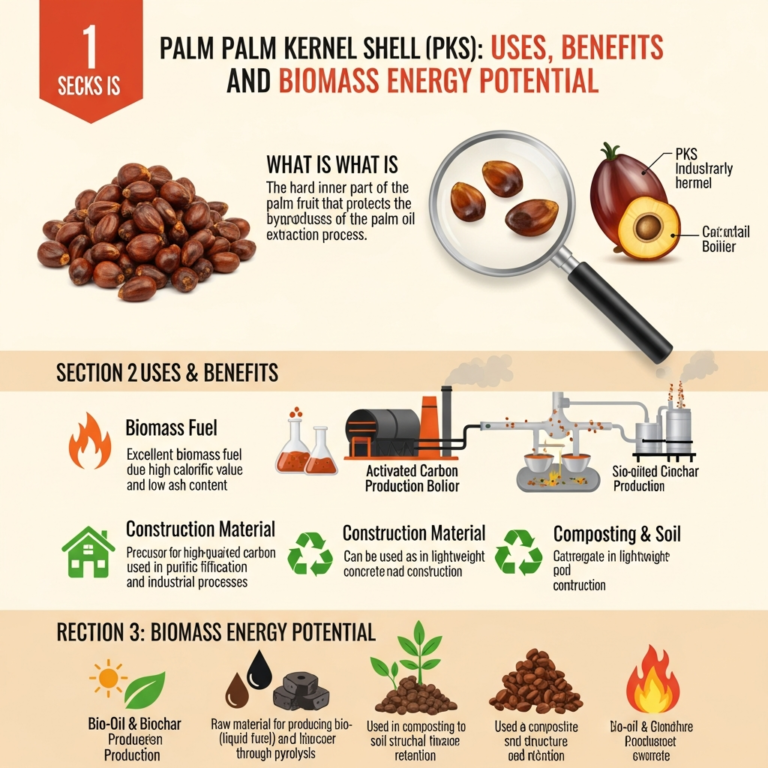
These are completely different products. PKE is the nutritious meal used as Palm Kernel Expeller for animal feed. In contrast, Palm Kernel Shell (PKS) is the hard, woody outer casing of the kernel and is used as a high-grade biofuel, not for feed.
Conclusion: Your Strategic Advantage in 2026
In conclusion, Palm Kernel Expeller is a versatile and economically savvy ingredient that holds a firm place in modern animal nutrition. Its unique profile of digestible fiber, moderate protein, and residual oil offers a powerful tool for lowering feed costs while maintaining animal performance.
The key to success lies in sourcing high-quality, consistent product from a reliable supplier. As you plan your feed strategy for 2026 and beyond, consider the significant financial and nutritional advantages that incorporating Palm Kernel Expeller for animal feed can bring to your farm. It is a proven, valuable component for a resilient and profitable livestock business.
[Video Suggestion: An embedded YouTube video titled: “How to Evaluate PKE Quality: A Buyer’s Guide”. The video would show a nutritionist or quality manager demonstrating what to look for in a PKE sample: color, smell, texture, and how to read a Certificate of Analysis.]
 English
  Indonesian
  Chinese
  Arabic