
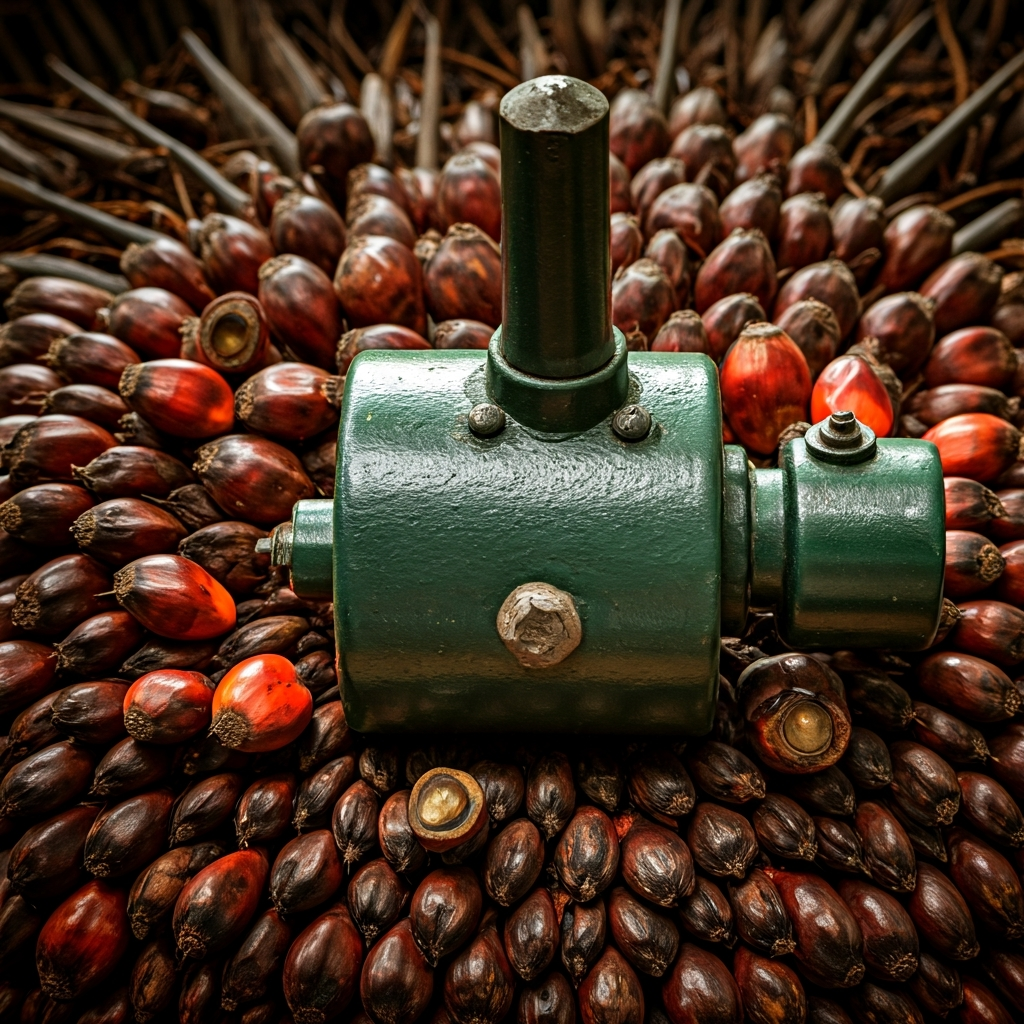
Palm Kernel Expeller: Your #1 Complete Guide (2026 Warning)
Palm Kernel Expeller is a critical ingredient in the global animal feed industry, yet many buyers make costly mistakes in sourcing and application. This guide provides the definitive solution, ensuring you unlock its full value.
As the demand for high-quality, cost-effective animal protein sources intensifies, understanding the nuances of feed ingredients is paramount. Industry analysis projects the global animal feed market will grow by 4.5% annually through 2026, with alternative protein sources like PKE leading the charge.
However, not all PKE is created equal. This comprehensive guide provides the crucial details you need to make informed purchasing decisions, optimize livestock performance, and avoid the common pitfalls that can impact your bottom line.
What Exactly is Palm Kernel Expeller (PKE)?
Processors create Palm Kernel Expeller (PKE), a nutrient-rich solid by-product, by mechanically extracting oil from the kernel of the oil palm fruit. It is a highly valued feed ingredient, known for its balanced energy and protein content, making it a cornerstone in formulating diets for various types of livestock.
Industry experts often refer to this material as Palm Kernel Cake, but the term “expeller” specifically denotes that the oil was extracted through a mechanical pressing process, not solvent extraction. This distinction is crucial for understanding its final nutritional composition.
[Image: A close-up shot of golden-brown, coarse Palm Kernel Expeller, highlighting its texture. | alt: A detailed view of high-quality Palm Kernel Expeller. | title: Palm Kernel Expeller Texture]
From Palm Fruit to PKE: The Expulsion Process
The journey to creating PKE is a multi-stage process rooted in efficiency and maximizing value from the palm fruit. It demonstrates a commitment to sustainability by ensuring every part of the fruit is utilized.
- Harvesting & Sterilization: Fresh fruit bunches are harvested and sterilized with steam to halt enzymatic processes that increase free fatty acids.
- Threshing & Digestion: The fruit is separated from the bunch, and then the pulp is heated and stirred in a digester to prepare it for oil extraction.
- Oil Pressing: Crude palm oil is pressed from the fruit. The remaining nuts are cracked to release the palm kernels.
- Kernel Crushing & Expulsion: The kernels are crushed and then subjected to high pressure in a mechanical screw press. This critical step expels the valuable Palm Kernel Oil and leaves behind the solid, proteinaceous mass known as Palm Kernel Expeller.
PKE vs. Palm Kernel Meal (PKM): A Crucial Distinction
While often used interchangeably, PKE and Palm Kernel Meal (PKM) can differ significantly based on their processing method. This difference impacts their nutritional value and, consequently, their suitability for specific animal diets.
The mechanical pressing process produces PKE, which typically leaves a higher residual oil content (around 8-12%). In contrast, PKM is often the result of solvent extraction, which uses a solvent like hexane to extract more oil. This results in a lower fat content (1-3%) but potentially higher protein concentration. For most ruminant applications, the higher energy from the residual oil in PKE is highly desirable.
The Nutritional Profile of Palm Kernel Expeller: A Deep Dive
Understanding the detailed nutritional specifications of PKE is essential for feed formulators and livestock managers. Its composition makes it an excellent, cost-effective substitute for more traditional grains like corn or soybean meal.
Furthermore, its high fiber content is particularly beneficial for ruminant animals, promoting healthy gut function and digestion. It is a cornerstone ingredient for creating balanced and productive livestock rations.
Key Macronutrient Analysis (Protein, Fiber, Fat)
The value of Palm Kernel Expeller is defined by its macronutrient content. While batches can vary slightly depending on the source and processing efficiency, high-quality PKE generally falls within a reliable range.
- Crude Protein: Typically ranges from 14% to 21%. This protein is vital for muscle development, milk production, and overall growth in livestock.
- Crude Fiber: High in fiber, generally between 12% and 28%. This aids in digestive health for ruminants but may limit its inclusion in poultry diets.
- Crude Fat (Residual Oil): Ranges from 8% to 12%. This is a significant source of concentrated energy, making PKE a “hot” feed ingredient. For other palm-based feed supplements, consider Calcium Salts of Palm Oil Fatty Acids for targeted fat supplementation.
Essential Minerals and Their Role in Animal Health
Beyond the macronutrients, PKE is a carrier for several essential minerals. These micronutrients are critical for metabolic functions, skeletal integrity, and immune response.
Key minerals found in PKE include Phosphorus, Calcium, Magnesium, and Potassium. A proper balance of these minerals, particularly the Calcium-to-Phosphorus ratio, is a hallmark of expertly formulated animal feed. According to the USDA, maintaining this ratio is vital for preventing metabolic diseases in livestock. For a comparative feed source, one might also evaluate Copra Meal, which offers a different mineral profile.
Primary Uses of Palm Kernel Expeller in Animal Feed
The versatility of Palm Kernel Expeller makes it a go-to ingredient for a wide range of animal diets. Its unique nutritional profile allows it to serve different purposes depending on the species.
From dairy cows to tilapia, PKE provides a foundation for growth, production, and health. Its economic advantage over other feed sources further cements its place in the modern feed industry.
PKE for Ruminant Livestock (Cattle, Goats)
PKE shines brightest in the diets of ruminant animals. For dairy and beef cattle, it is an invaluable source of protein and energy. As documented by research from the Food and Agriculture Organization (FAO), rumen microflora easily digest the high fiber content.
Its inclusion in feed can lead to:
- Improved milk production and butterfat content.
- Steady weight gain in beef cattle.
- A cost-effective replacement for more expensive feeds like soybean meal.
PKE in Swine and Poultry Diets
In monogastric animals like pigs and chickens, feed experts use PKE more strategically. Due to its high fiber content, inclusion rates are generally lower than for ruminants. However, it still serves as an effective partial protein and energy source.
Modern processing techniques, such as enzyme treatment, are being explored to improve the digestibility of PKE for poultry. A 2021 study in Animal Feed Science and Technology highlighted the potential of solid-state fermentation to boost its nutritional value for broilers.
A Note on Aquaculture Applications
The aquaculture industry is increasingly turning to plant-based proteins to create sustainable fish feed. Aquaculture professionals have successfully incorporated PKE into the diets of species like tilapia and catfish. It serves as a binding agent and a source of essential nutrients, reducing reliance on fishmeal and lowering overall feed costs.
[Image: A herd of healthy dairy cows eating from a trough filled with a mixed feed ration containing Palm Kernel Expeller. | alt: Dairy cows being fed a diet including Palm Kernel Expeller for milk production. | title: Palm Kernel Expeller for Dairy Cows]
Understanding PKE Specifications: A Buyer’s Checklist
To guarantee you are purchasing high-quality PKE that meets your needs, it’s crucial to analyze the certificate of analysis (COA). Below is a comparison of typical specifications for high-quality PKE versus a lower-grade alternative.
| Parameter | High-Quality PKE | Low-Quality PKE |
|---|---|---|
| Crude Protein | 16-18% | < 14% |
| Crude Fat | 8-10% | < 5% or >12% (inconsistent) |
| Moisture | < 10% | > 12% (Risk of mold) |
| Shell Content | < 5% | > 10% (Lowers digestibility) |
Insisting on these specifications is non-negotiable for ensuring animal performance and safety. A high shell content, for example, not only reduces nutritional value but can also indicate poor processing. It’s often associated with other palm by-products like Palm Kernel Shell.
Sourcing High-Quality Palm Kernel Expeller: Opportunities & Challenges
The global PKE market is vast, but navigating it requires diligence. Sourcing directly from producing regions like Indonesia and Malaysia can offer cost advantages, but it comes with logistical hurdles.
Moreover, building relationships with trusted suppliers is the single most important factor in securing a consistent, high-quality supply of PKE. A reliable supplier provides transparent documentation and stands by the quality of their product.
Identifying Reputable Palm Kernel Expeller Suppliers
A reputable supplier does more than just sell a product; they provide a service. Look for suppliers who can offer detailed product specifications, certificates of origin, and a clear, traceable supply chain. They should be transparent about their production processes and quality control measures. An excellent supplier is a partner in your success.
Navigating Logistics and International Trade
Sourcing PKE internationally involves understanding shipping terms (Incoterms), customs clearance, and import regulations. Reputable suppliers, as noted by industry publications like FeedNavigator, often have experienced logistics teams that can handle these complexities, ensuring a smooth delivery process from the port of origin to your facility.
Working with an experienced exporter minimizes risks of delays, spoilage, and unexpected costs, ensuring the product that arrives is the product you paid for.
[Image: Infographic concept showing the journey of Palm Kernel Expeller from palm fruit to animal feed, with icons for each stage: Harvest > Sterilization > Pressing > PKE > Livestock. | alt: An infographic detailing the production process of Palm Kernel Expeller. | title: Palm Kernel Expeller Production Cycle]
Makmur Amanah Sejahtera provides high-quality palm products such as Palm Kernel Expeller, Palm Kernel Shell, Crude Palm Oil, Palm Kernel Oil, etc. Kindly contact us at WhatsApp +6282140002198 or email us at admin@makmuramanah.co.id.
Frequently Asked Questions (FAQs)
What is the main use of Palm Kernel Expeller?
The primary use of Palm Kernel Expeller is as a key ingredient in animal feed formulations. It is especially popular for ruminant livestock like dairy cows and beef cattle due to its excellent balance of protein, energy (from residual oil), and digestible fiber.
Is PKE good for dairy cows?
Yes, PKE is exceptionally good for dairy cows. Its combination of protein and high energy contributes to increased milk yield and higher butterfat content. The fiber also promotes healthy rumen function, making it a safe and effective component of their total mixed ration (TMR).
What is the ideal protein content of Palm Kernel Expeller?
High-quality Palm Kernel Expeller should have a crude protein content between 16% and 18%. While it can range from 14-21%, falling within the 16-18% range typically indicates a good balance of protein without compromising other nutritional factors from a reliable source.
How can I avoid mold in PKE?
To avoid mold, you must source PKE with a moisture content below 10% and ensure it is stored in a dry, well-ventilated environment. Sourcing from a trusted supplier who guarantees low moisture levels is the most critical first step in prevention.
What’s the difference between PKE and Palm Kernel Shell?
PKE is the nutrient-rich byproduct after oil is extracted from the kernel, used for animal feed. In contrast, Palm Kernel Shell is the hard, woody outer casing of the kernel. It is not used for feed but is highly valued as a high-grade, low-ash solid biofuel.
[Image: A styled graphic with a large question mark surrounded by icons of a cow, a pig, and a chicken, representing frequently asked questions about animal feed. | alt: Questions about using Palm Kernel Expeller for livestock. | title: PKE Animal Feed FAQs]
[Video Suggestion: An embedded YouTube video titled “How Palm Kernel Expeller is Made: From Plantation to Port” showing the industrial process and quality control checks.]
Conclusion: Your Strategic Advantage in 2026
In conclusion, incorporating high-quality PKE into your feed strategy is more than just a cost-saving measure; it’s a strategic advantage. By understanding the intricate details of its production, nutritional profile, and sourcing, you can unlock superior animal performance and enhance your operational profitability.
This guide has equipped you with the expert knowledge required to navigate the market with confidence. The key takeaway is to prioritize quality and build partnerships with reputable suppliers. By sourcing high-quality Palm Kernel Expeller, you ensure every ton you purchase is a direct investment in the health of your livestock and the success of your business.

 English
  Indonesian
  Chinese
  Arabic