
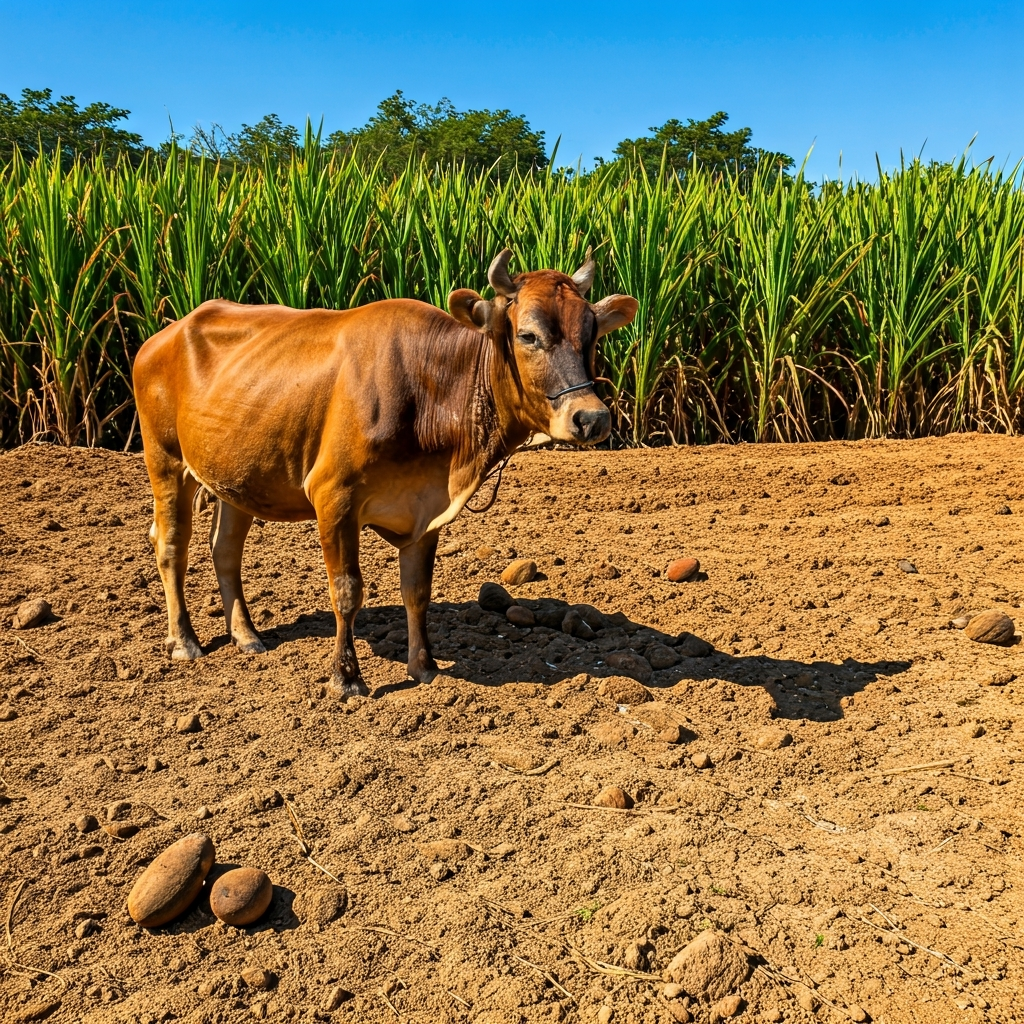
Copra Meal: The Complete Guide to Uses, Nutrition, and Benefits for Animal Feed
Copra meal is a game-changing, cost-effective feed ingredient that forward-thinking farm managers are leveraging for incredible results. If you’re searching for a sustainable, protein-rich supplement to enhance animal nutrition and performance, you have discovered the ultimate resource.
The global demand for high-quality animal protein is rising, forcing producers to find alternative feed sources that don’t compromise on quality or break the bank. According to a 2025 market analysis by Feed-X, the cost of traditional feeds like soybean meal has increased by over 18% in the last two years alone.
This guide provides the definitive solution. We’ll explore how this humble coconut derivative can revolutionize your feeding strategy, improve livestock health, and boost your bottom line.
What Exactly is Copra Meal? A Deep Dive
At its core, copra meal is the residual product that remains after oil has been extracted from the dried kernel (copra) of a coconut. It is a highly valuable protein source used globally in animal feed formulations.
It should not be confused with coconut flour, which is produced for human consumption and has a different nutritional profile. Understanding its origin is key to appreciating its value.
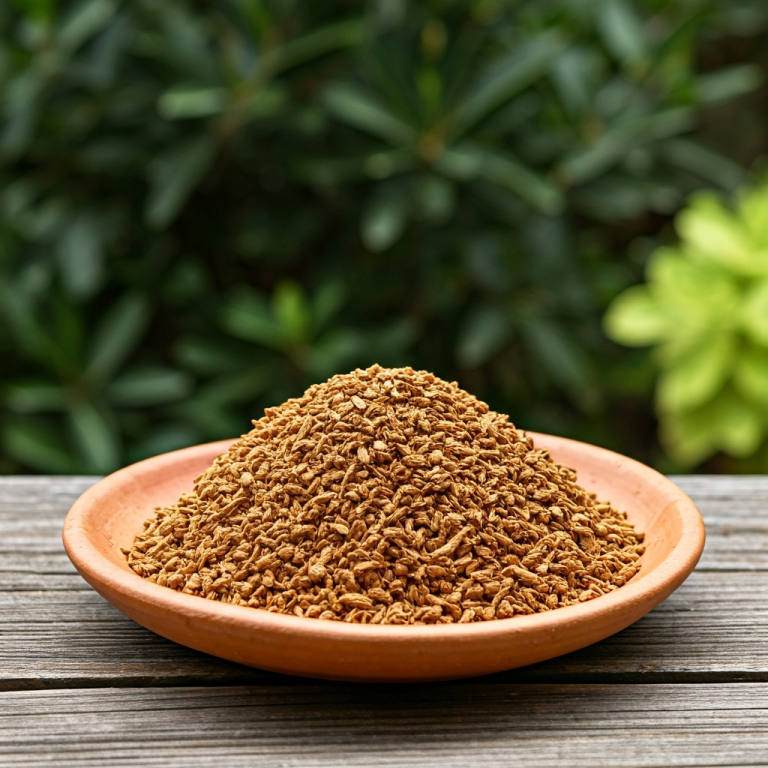
[Image: A close-up shot of light brown, coarse copra meal with the title “High-Protein Copra Meal”]
From Coconut to Copra Meal: The Production Process
The journey begins with mature coconuts. The kernel is dried, either by sun-drying or kiln-drying, to create copra. This critical drying stage reduces moisture content, concentrating the oil and protein.
Once dried, the copra undergoes oil extraction. The method of extraction significantly impacts the final nutritional quality of the meal, particularly its residual oil and protein content.
Mechanical Expelling vs. Solvent Extraction
There are two primary methods for extracting oil, each yielding a slightly different type of copra cake or meal. Mechanical extraction, using a screw press (expeller), physically squeezes the oil out. This process typically leaves a higher residual oil content (6-12%), making the meal more energy-dense.
In contrast, solvent extraction uses a chemical solvent (usually hexane) to leach the oil from the copra. This method is more efficient, resulting in a lower residual oil content (1-3%) and a consequently higher protein percentage. For many applications, the mechanically expelled product is preferred for its energy value.
Understanding the Grades: From High-Protein to Standard
The quality and grade of this coconut byproduct can vary based on the process. High-protein grades, often resulting from solvent extraction, are sought after for specific formulations.
Standard grade, from mechanical expellers, is a versatile and widely used energy and protein source. Always check the supplier’s specifications to match the product to your specific nutritional requirements.
The Nutritional Profile of Copra Meal: A Powerhouse of Nutrients
While often categorized simply as a protein source, this feed ingredient offers a complex and beneficial nutritional profile. It’s a fantastic source of energy, fiber, and essential nutrients that support overall animal vitality.
Analyzing its components reveals why it’s a staple in high-performance feed. It provides a unique combination of macronutrients and micronutrients that are essential for growth and health.
Macronutrient Breakdown: Protein, Fiber, and Fat Content
A typical analysis of mechanically pressed copra meal shows:
- Crude Protein: 20-22%. This protein is rich in glutamic acid, arginine, and aspartic acid.
- Crude Fiber: 10-14%. The high fiber content aids in digestive health, particularly for ruminants.
- Crude Fat (Ether Extract): 6-12%. This residual oil is a ready source of energy and rich in medium-chain fatty acids (MCFAs) like lauric acid.
Essential Amino Acids and Their Role
While not as rich in lysine and methionine as soybean meal, it provides a valuable amino acid profile that must be balanced correctly within a total mixed ration. Supplementing with specific amino acids is a common practice to create a complete and highly effective feed.
Vitamins and Minerals for Optimal Health
Furthermore, it is a good source of essential minerals like phosphorus, potassium, and iron. The phosphorus in copra meal is highly available to animals, a significant advantage over other plant-based protein sources. It also contains B vitamins, crucial for metabolic functions.
Proven Benefits of Using Copra Meal in Animal Feed
The inclusion of copra meal in livestock diets is backed by extensive research and real-world results. Its unique properties deliver tangible benefits across various animal species, from improved growth rates to enhanced product quality. Its use represents a strategic move towards more sustainable and profitable farming.
Boosting Ruminant Performance (Cattle, Goats, Sheep)
For ruminants, copra meal is exceptional. The high fiber supports healthy rumen function, and its protein is a “bypass protein,” meaning it escapes rumen degradation to be digested more efficiently. Studies in journals like Animal Feed Science and Technology have shown it can increase milk production and butterfat content. For further fat supplementation, some producers also use Calcium Salts of Palm Oil Fatty Acids.
Enhancing Poultry Production (Broilers and Layers)
In poultry diets, this coconut meal serves as an effective protein and energy source. The presence of lauric acid in the residual oil has known antimicrobial properties, which can help promote gut health. While inclusion rates must be managed, it’s a proven way to reduce feed costs without sacrificing performance.
A Sustainable Choice for Aquaculture (Fish and Shrimp)
As the aquaculture industry grows, so does the search for sustainable feed ingredients. This meal is an excellent plant-based alternative to fishmeal, helping reduce pressure on marine resources. It is one of many globally recognized alternative feedstuffs used in formulations for tilapia, carp, and shrimp, providing essential nutrients for growth.
[Infographic Concept: A flow chart showing the process from coconut harvesting to the production of copra meal, with icons for protein, fiber, and fat content. Alt: Infographic detailing the benefits and nutritional profile of Copra Meal.]
Copra Meal vs. Other Protein Sources: A Comparative Analysis
Choosing the right protein source is a critical decision based on cost, availability, and nutritional needs. Here’s how Copra Meal compares to two other common ingredients: Soybean Meal and Palm Kernel Expeller. This comparison highlights its unique position in the market.
| Feature | Copra Meal | Soybean Meal | Palm Kernel Expeller |
|---|---|---|---|
| Crude Protein | 20-22% | 44-48% (Higher) | 15-18% (Lower) |
| Crude Fiber | 10-14% (High) | 3-7% (Low) | 16-21% (Very High) |
| Key Advantage | Bypass protein, palatable, high energy | Excellent amino acid profile | Cost-effective, high fiber |
| Best For | Ruminants, dairy, balanced formulations | Monogastrics (poultry, swine) | Ruminants, fiber source |
Potential Limitations and How to Mitigate Them
While highly beneficial, it’s important to be aware of potential challenges. Proactive management ensures you unlock the full value of this ingredient without any drawbacks. These issues are easily managed with proper sourcing and storage.
Addressing Mycotoxin Risks with Proper Storage
Like many feed ingredients, this meal can be susceptible to mold and mycotoxins if not stored correctly. It is imperative to source from reputable suppliers who guarantee low moisture content and to store the product in a cool, dry environment.
Regular testing is a best practice advised by industry leaders like FeedNavigator and is essential for quality control.
Balancing the Diet: Overcoming Amino Acid Deficiencies
The primary nutritional limitation is its lower levels of lysine and methionine compared to soybean meal. This is not a problem but a formulation challenge. Expert nutritionists easily overcome this by balancing the ration with other protein sources or synthetic amino acids to create a complete nutritional profile for the target animal.
Handling and Storage Best Practices
To maintain the integrity of your copra meal, follow these guidelines:
- Verify Supplier Quality: Ensure your supplier provides a Certificate of Analysis with each batch.
- Maintain Dry Conditions: Store on pallets in a well-ventilated, weather-proof warehouse. Avoid temperature fluctuations.
- Implement First-In, First-Out (FIFO): Use older stock first to ensure freshness and minimize storage time.
- Monitor for Pests: A clean storage area is essential for preventing contamination from insects or rodents. We also recommend using clean byproducts such as Palm Kernel Shell for other industrial uses.
[Image: Healthy dairy cows eating a mixed feed ration containing Copra Meal from a clean trough.]
[Image: A branded bag of high-quality Copra Meal, ready for shipment in a clean warehouse.]
Frequently Asked Questions (FAQs)
What is the main difference between copra meal and coconut flour?
Copra meal is made for animal feed after oil extraction, resulting in a protein and fiber-rich product. Coconut flour is made from coconut meat after producing coconut milk and is intended for human consumption, with a finer texture and different nutritional profile.
Is copra meal suitable for all animals?
It is highly suitable for many animals, especially ruminants like cattle and goats. It is also effective for poultry, swine, and fish when included at appropriate rates and balanced for amino acids. Its high fiber content may limit its use in very young animals.
How does the oil content in copra meal affect animals?
The residual coconut oil is a fantastic energy source rich in medium-chain fatty acids (MCFAs). These are easily digestible and possess natural antimicrobial properties that can contribute to improved gut health and overall animal wellness.
Can copra meal fully replace soybean meal in a diet?
In most cases, it cannot be a 1-for-1 replacement due to differences in amino acid profiles, particularly lysine. However, it can replace a significant portion of soybean meal, drastically reducing feed costs. A partial replacement strategy is the most effective approach.
Where can I source high-quality copra meal?
Sourcing a high-quality product is crucial for achieving the best results. Partner with a trusted, international supplier for consistent quality and reliable delivery. For a premium supply, explore options like our high-grade Copra Meal.
Conclusion: The Smart, Sustainable Choice for 2026
In the competitive landscape of modern agriculture, success hinges on smart, data-driven decisions. Integrating this feed ingredient into your nutritional program is one such decision. It offers a compelling blend of high nutritional value, cost-effectiveness, and sustainability that is too powerful to ignore.
From its bypass protein benefits for dairy cattle to its gut-health advantages in poultry, it proves its worth. By understanding its properties and implementing the strategies in this guide, you can optimize feed formulations, enhance animal performance, and secure a competitive edge.
The future of animal nutrition requires embracing effective and sustainable alternatives, and Copra Meal stands out as a premier choice for farmers and feed mill operators aiming for peak efficiency and profitability in 2026 and beyond.
[Embedded Video Topic: A short, professionally produced YouTube video titled “How to Properly Mix Copra Meal into Your Total Mixed Ration (TMR) for Dairy Cattle”]

 English
  Indonesian
  Chinese
  Arabic