
Palm Kernel Expeller: The Complete 2026 Guide (Proven)
Palm Kernel Expeller is a powerhouse ingredient revolutionizing animal feed, but are you using it to its full potential? For farm managers and nutritionists grappling with volatile feed costs, finding a consistent, cost-effective, and nutrient-rich solution is the number one priority. This comprehensive guide delivers the proven strategies you need to integrate PKE successfully.
The global demand for animal protein continues to surge, placing immense pressure on traditional feed sources like soybean meal and corn. According to a 2025 market analysis by Global Feed Outlook, feed prices are projected to increase by another 8-12% in 2026. This economic reality forces the industry to innovate.
Enter Palm Kernel Expeller (PKE), a sustainable and highly effective by-product of the palm oil industry. It offers a lifeline for maintaining profitability and animal health amidst these challenges. This article explores everything you need to know, from technical specifications to real-world applications.
What Exactly is Palm Kernel Expeller (PKE)?
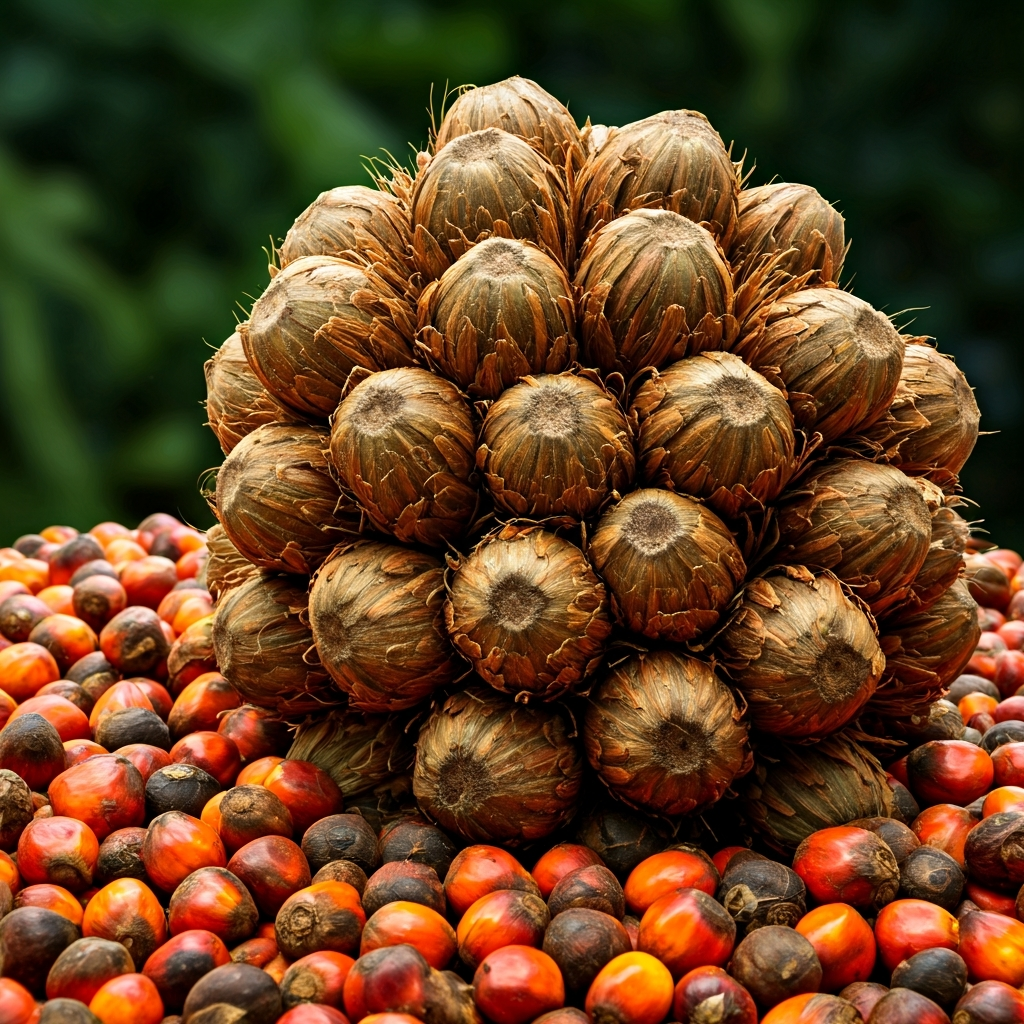
Palm Kernel Expeller (PKE) is a high-value feed ingredient derived from the mechanical extraction of oil from the kernel of the oil palm fruit. After the palm fruit is harvested and crude palm oil is extracted from the flesh, the nut is cracked to reveal the kernel. This kernel is then crushed and pressed to produce Palm Kernel Oil, leaving behind the solid, protein-rich residue known as Palm Kernel Expeller.
It stands as a cornerstone of the global animal feed industry, valued for its unique nutritional profile. Unlike solvent-extracted palm kernel meal, the mechanical expeller process ensures a higher residual oil content, making PKE an excellent source of energy. Its balance of protein, fiber, and energy makes it an indispensable component in modern feed formulations.
The production process is straightforward yet crucial for quality. First, processors clean and crack the palm kernels. They then cook the kernel to break down oil cells before feeding it into a mechanical screw press (expeller), which physically squeezes the oil out. The resulting solid cake becomes the Palm Kernel Expeller, ready for use in feed.

Palm Kernel Expeller Specifications: A Technical Breakdown
Understanding the nutritional profile of PKE is essential for its effective use in feed rations. While values can vary slightly based on oil extraction efficiency and kernel quality, high-quality PKE consistently delivers a robust nutritional package. As an expert in feed ingredients, I always emphasize checking the certificate of analysis.
The key components that make PKE so valuable are its protein, fiber, and fat content. Notably, its high level of neutral detergent fiber (NDF) is particularly beneficial for ruminant animals, promoting healthy gut function. Furthermore, the residual oil is a fantastic source of palatable energy.
Below is a typical specification chart for high-grade Palm Kernel Expeller:
| Nutrient | Typical Value (As-Fed Basis) | Key Benefit |
|---|---|---|
| Crude Protein | 14-17% | Essential for muscle growth and milk production. |
| Crude Fat (Ether Extract) | 8-12% | Concentrated energy source; improves feed palatability. |
| Crude Fibre | 16-20% | Supports gut health, especially in ruminants. |
| Moisture | < 10% | Ensures stability and prevents mold growth. |
| Ash | 4-6% | Source of essential minerals. |
The Top 5 Benefits of Using PKE in Animal Feed
Integrating Palm Kernel Expeller into livestock diets offers a multitude of advantages that directly impact both animal performance and farm profitability. These benefits make it a strategic choice for any modern agricultural operation in 2026.
- Superb Cost-Effectiveness: PKE is consistently more affordable than traditional protein sources like soybean meal, offering significant cost savings in feed formulation without compromising quality.
- High Fiber for Gut Health: The high dietary fiber content is particularly beneficial for ruminants, stimulating rumen activity, promoting healthy digestion, and preventing metabolic issues like acidosis.
- Excellent Energy Source: The significant residual palm kernel oil content provides a dense and highly palatable source of energy, helping to improve body condition and support high levels of production.
- Sustainability Factor: As a by-product of the palm oil industry, using PKE enhances the sustainability of palm agriculture by ensuring the entire fruit is utilized, reducing waste.
- Good Amino Acid Profile: While not a complete protein, PKE contains a good profile of essential amino acids that complements other feedstuffs well, reducing the need for expensive synthetic additives.
Applications of Palm Kernel Expeller in Livestock Nutrition
The versatility of Palm Kernel Expeller allows for its inclusion in the diets of a wide range of animals. However, optimal inclusion rates and formulation strategies vary depending on the species, age, and production goals.

PKE for Ruminants (Dairy and Beef Cattle)
For ruminants, PKE is a star performer. Its high fiber content supports a healthy rumen environment, while the combination of protein and energy drives milk production and weight gain. This makes it an incredibly efficient feed component.
Scientific studies, such as those published in the Journal of Animal Science and Biotechnology, have confirmed that inclusion rates of 20-30% in dairy cow rations can be achieved without negatively affecting milk yield or composition. Moreover, the bypass fat from the residual oil can be enhanced with products like Calcium Salts of Palm Oil Fatty Acids to further boost energy for high-yielding cows.
PKE in Poultry Feed Formulations
In poultry diets, nutritionists use Palm Kernel Expeller more strategically. Due to its high fiber content, inclusion rates for broilers and layers are typically lower, ranging from 5-10%. However, even at these levels, it serves as an effective partial replacement for more expensive ingredients. The key is to use it in conjunction with fiber-degrading enzymes to maximize nutrient absorption and ensure optimal growth and egg-laying performance.
PKE for Swine Diets
For swine, PKE is best suited for gestating sows and finishing pigs, where its high fiber can promote satiety and gut health. Inclusion rates are generally kept moderate, around 10-15%, to balance its fibrous nature with the digestive capacity of pigs.
PKE in Aquaculture Feeds
In aquaculture, research is increasingly showing the potential of PKE as a sustainable protein source. It is proving effective in the diets of fish like tilapia and catfish, helping to reduce reliance on fishmeal and making aquaculture more environmentally friendly, a key goal supported by organizations like the Food and Agriculture Organization (FAO).
PKE vs. Other Feed Ingredients: A Comparative Analysis
When formulating a feed ration, it’s crucial to compare PKE with other common ingredients. This allows nutritionists to make informed, cost-effective decisions. The main competitors for Palm Kernel Expeller are soybean meal and Copra Meal.
Here’s how PKE stacks up against them:
| Feature | Palm Kernel Expeller | Soybean Meal | Copra Meal |
|---|---|---|---|
| Protein | Moderate (14-17%) | High (44-48%) | Moderate (20-24%) |
| Fiber | Very High (16-20%) | Low (3-7%) | High (10-14%) |
| Energy (Fat) | High (8-12%) | Very Low (1-2%) | Moderate (6-10%) |
| Primary Use | Ruminant fiber/energy | Monogastric protein | Ruminant/swine protein |
While soybean meal offers higher protein, it comes at a premium price and lacks the fiber that is so beneficial for ruminants. PKE’s unique position as a high-fiber, high-energy ingredient makes it an ideal complement in a least-cost formulation strategy, a topic often discussed in industry publications like FeedNavigator.

Sourcing High-Quality PKE: What to Look For in 2026
Not all PKE is created equal. To reap the full benefits, sourcing a high-quality, consistent product is paramount. As a buyer, you must be diligent and look for specific indicators of quality. The future of feed sourcing relies on smart, sustainable choices.
Here is your checklist for sourcing premium Palm Kernel Expeller:
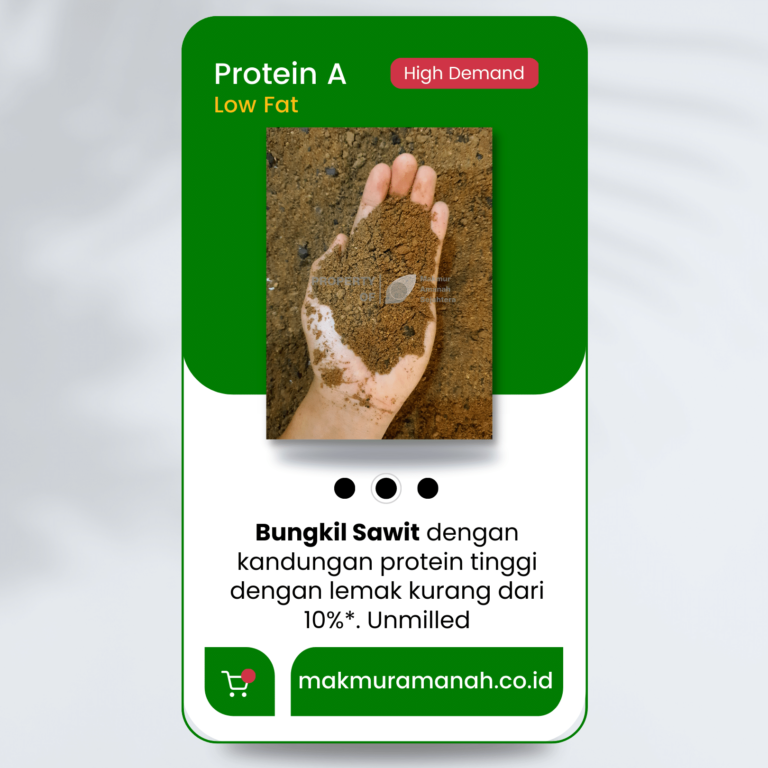
- Check the Color and Aroma: High-quality PKE should have a light brown, uniform color and a pleasant, nutty aroma. A dark, burnt, or musty smell can indicate overheating during processing or improper storage.
- Request a Certificate of Analysis (COA): Always demand a COA from your supplier. Verify that the protein, fat, fiber, and moisture levels meet the specifications required for your formulations.
- Assess for Contaminants: Ensure the product is free from foreign materials, mold, and signs of insect infestation. Reputable suppliers will have stringent quality control measures in place.
- Inquire About the Production Date: Freshness is key. Use the “first-in, first-out” principle for your inventory to ensure you are always using PKE at its peak nutritional value.
- Verify Supplier Reputation: Partner with established suppliers who have a track record of consistency and quality. A reliable supplier is your partner in success.
- Secure Your Supply Chain: For consistent, high-grade product, establish a relationship with a primary producer. You can explore top-tier Palm Kernel Expeller options to ensure your supply chain is robust.
Proper storage is just as important as sourcing. PKE should be stored in a cool, dry, well-ventilated area away from direct sunlight to prevent moisture absorption and mold growth.
Makmur Amanah Sejahtera provides high-quality palm products such as Palm Kernel Expeller, Palm Kernel Shell, Crude Palm Oil, Palm Kernel Oil, etc. Kindly contact us at WhatsApp +6282140002198 or email us at admin@makmuramanah.co.id.
Frequently Asked Questions (FAQs)
Is PKE good for cattle?
Absolutely. Palm Kernel Expeller is an excellent feed ingredient for cattle, both dairy and beef. Its high fiber content promotes excellent rumen health, while its combination of moderate protein and high energy supports milk production and efficient weight gain, making it a cost-effective choice.
What is the difference between palm kernel meal and expeller?
The main difference lies in the oil extraction method. Palm Kernel Expeller is made via mechanical pressing, which leaves a higher residual oil (fat) content of 8-12%. Palm kernel meal, however, typically undergoes solvent extraction, resulting in a much lower fat content (1-3%).
How is palm kernel expeller made?
Producers make PKE by first crushing the kernel from the palm nut. This crushed kernel is then passed through a mechanical press (expeller) that physically squeezes out the valuable palm kernel oil. The solid, nutrient-rich cake that remains is the Palm Kernel Expeller.
What is the ideal inclusion rate for PKE in feed?
The ideal inclusion rate varies by animal. For ruminants like dairy cattle, it can be as high as 30% of the total ration. For monogastrics like poultry and swine, rates are lower, typically ranging from 5-15%, often used with enzymes to improve fiber digestion.
Can Palm Kernel Expeller replace soybean meal completely?
PKE should be seen as a complementary ingredient rather than a total replacement. While it can significantly reduce the amount of soybean meal needed, its lower protein and different amino acid profile mean it works best in combination with other protein sources for a balanced diet.
Conclusion: Your Strategic Advantage for 2026
In an industry facing rising costs and sustainability pressures, Palm Kernel Expeller stands out as a strategic, multi-purpose feed ingredient. Its powerful combination of cost-effectiveness, high energy, and beneficial fiber makes it an invaluable tool for any forward-thinking farm or feed mill. By understanding its specifications and applications, you can unlock significant savings and boost animal performance.
From dairy cows to beef cattle, the benefits are clear and proven. By following best practices for sourcing and storage, you ensure that you capitalize on all the advantages this ingredient has to offer. The smart integration of high-quality Palm Kernel Expeller is not just a good choice; it’s an essential strategy for profitability and success in 2026 and beyond.
Key takeaways include:
- PKE offers a unique blend of moderate protein, high fiber, and high energy.
- It is most effective and cost-efficient in ruminant diets.
- Sourcing from a reputable supplier with a COA is critical for quality.

Suggested Video
Consider embedding a video here showing the PKE production process, from kernel crushing to the final expeller cake, to visually demonstrate its origin and quality.
 English
  Indonesian
  Chinese
  Arabic