
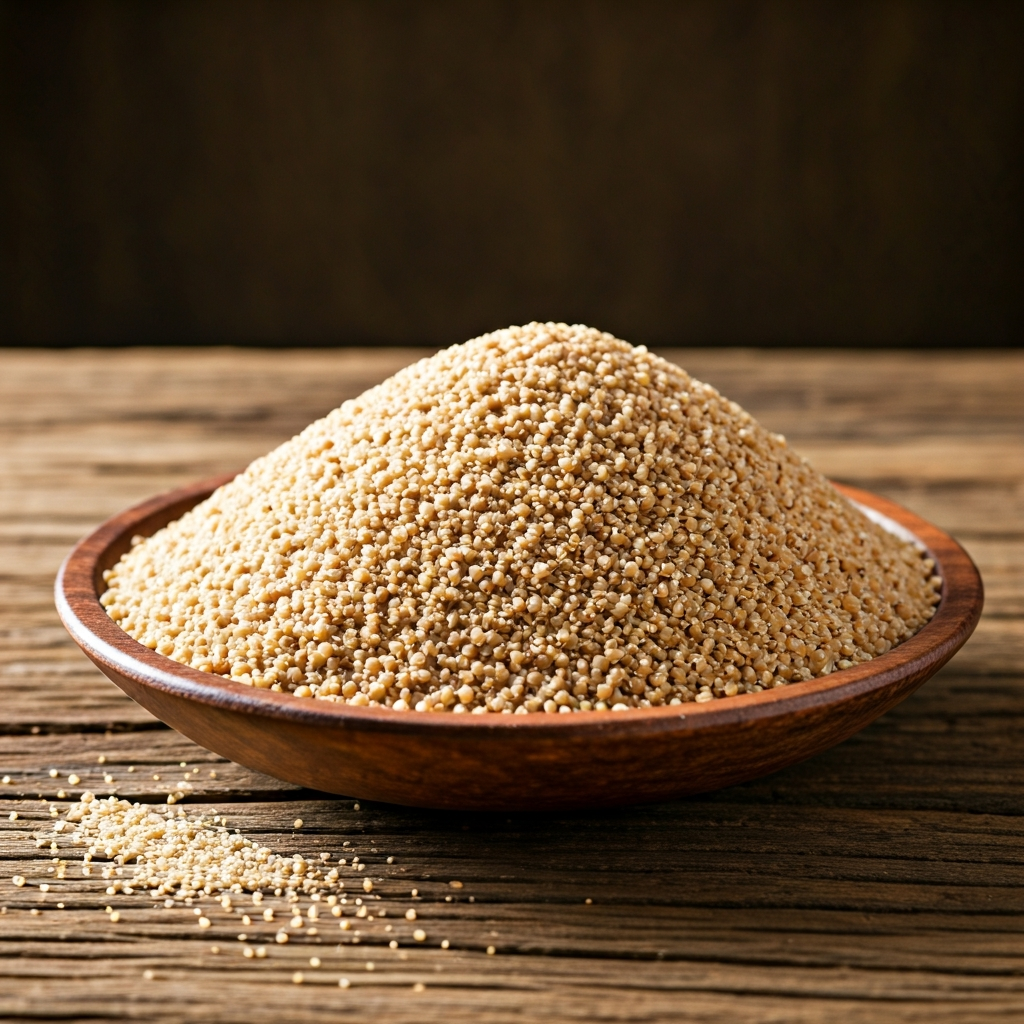
Copra Meal: The Ultimate 2024 Guide to Powerful Uses
In the world of high-performance animal nutrition, finding a cost-effective, protein-rich, and sustainable feed ingredient is the ultimate goal. This is where Copra Meal emerges as a frontrunner, offering a powerful solution for savvy livestock and agricultural managers looking to optimize their feed programs in 2024 and beyond.
The global animal feed market is projected to reach over $500 billion, driven by an increasing demand for quality protein. For producers, this means the pressure is on to find ingredients that not only meet nutritional requirements but also support a healthy bottom line. Understanding the nuances of ingredients like copra meal is no longer optional—it’s essential for competitive success.
What Exactly is Copra Meal? A Definitive Look
Copra meal is a highly valuable feed ingredient and a key byproduct of the coconut oil extraction process. After crude coconut oil is extracted from dried coconut kernel (copra), the remaining pulp or “meal” is collected.
This resulting product is a significant source of protein, fiber, and energy, making it an excellent component in compound feed for various types of livestock.

The Nutritional Profile of Copra Meal
The nutritional value of copra meal is its most significant feature. While figures can vary slightly based on production, a typical analysis reveals a robust profile ideal for animal supplementation. It’s particularly noted for its high level of bypass protein, which is crucial for ruminants.
- Crude Protein: Typically ranges from 18% to 25%, providing essential amino acids for growth and milk production.
- Crude Fiber: Around 12% to 16%, aiding in healthy digestion for ruminant animals.
- Crude Fat/Oil: Varies from 2% (solvent extracted) to over 10% (mechanically pressed), offering a dense energy source.
- Metabolizable Energy: Provides a significant energy source for cattle, poultry, and swine.
Furthermore, copra meal is low in starch and sugars, making it a safe option for animals prone to metabolic disorders. For more detailed analysis, authoritative sources like Feedipedia provide comprehensive data on its composition.
From Coconut to Copra Meal: The Production Process
The journey from a fresh coconut to nutritious copra meal is a multi-step process rooted in careful processing. Understanding this journey helps buyers appreciate the quality indicators of the final product.
- Harvesting and Drying: Coconuts are harvested, and the kernel is removed and dried. This dried kernel is known as “copra.”
- Oil Extraction: The copra is then subjected to oil extraction. This is the critical step that defines the final product. Mechanical pressing (expeller) physically squeezes the oil out, leaving “copra cake.” Solvent extraction uses a solvent like hexane to remove the oil, resulting in copra meal with lower fat content.
- Grinding and Processing: The remaining solids are then ground into a consistent, meal-like texture, ready to be integrated into animal feed formulations.
This process is a brilliant example of a zero-waste agricultural value chain, where one industry’s byproduct becomes another’s primary resource. Similar sustainable practices are seen with other agricultural products, like turning palm waste into valuable Cocopeat for horticultural uses.
The Great Debate: Copra Meal vs. Copra Cake
One of the most common points of confusion is the distinction between copra meal and copra cake. While the terms are sometimes used interchangeably, they represent products with different nutritional profiles due to the extraction process. Understanding this difference is key to formulating the correct feed ration.
Here’s a clear comparison to illustrate the key differences:
| Feature | Copra Meal (Solvent Extracted) | Copra Cake (Mechanically Pressed) |
|---|---|---|
| Extraction Method | Solvent (e.g., hexane) is used to extract oil. | A mechanical screw press (expeller) squeezes oil out. |
| Residual Oil/Fat Content | Low (typically 1-3%) | Higher (typically 6-12%) |
| Crude Protein Content | Generally higher and more concentrated. | Slightly lower due to higher fat percentage. |
| Energy Value | Lower energy density due to less fat. | Higher energy density, providing more calories. |
| Best Use Case | When a higher protein-to-energy ratio is needed. | When a higher energy supplementation is the primary goal. |
Choosing between them depends entirely on the specific dietary needs of the target animal. A high-producing dairy cow may benefit more from the energy-dense copra cake, while a feed formulator looking for a pure protein source might prefer copra meal.

7 Powerful Benefits of Using Copra Meal in Animal Feed
Integrating copra meal into animal diets isn’t just about finding a cheaper alternative; it’s about unlocking a range of powerful benefits that can lead to healthier animals and better economic returns.
- High-Quality Bypass Protein: Its protein structure is less degradable in the rumen, allowing it to “bypass” to the lower digestive tract for more efficient absorption, which is particularly beneficial for ruminants.
- Cost-Effective Ingredient: It often presents a more affordable protein source compared to soybean meal or fish meal, helping to reduce overall feed costs.
- Energy Dense (Especially Cake): The residual oil provides a concentrated source of energy, helping animals maintain condition and productivity.
- Highly Palatable: Most animals, especially cattle, find the sweet, nutty aroma of copra meal highly palatable, which can help increase feed intake.
- Improves Milk Fat: Research has shown that the specific fatty acid profile in copra can help increase the butterfat content in the milk of dairy cows.
- Sustainable and Natural: As a byproduct of the coconut industry, it’s a sustainable ingredient that promotes a circular economy.
- Low in Starch: Its low-starch nature makes it a safer feed for animals susceptible to acidosis or laminitis, such as horses and high-performance cattle.
Practical Applications: Which Animals Benefit from Copra Meal?
Copra meal is not a one-size-fits-all solution, but it is remarkably versatile. Its application spans several species, with specific benefits for each. It’s often compared with other byproducts like Palm Kernel Expeller, which serves similar but distinct functions in animal nutrition.
Copra Meal for Dairy Cattle and Ruminants
This is where copra meal truly shines. For dairy cows, the combination of bypass protein and energy supports both milk volume and milk solids. Its fiber content also supports healthy rumen function. A study in the Journal of Dairy Science highlights the impact of fat sources, like those in copra, on milk composition. The specific fatty acids in copra improve milk fat, a benefit also sought with other targeted supplements like Calcium Salts of Palm Oil Fatty Acids.
Copra Meal in Poultry and Swine Nutrition
In monogastric animals like chickens and pigs, copra meal is used as a protein and fiber source. However, its inclusion levels are typically lower (5-10% of the total ration) due to its high fiber content, which these animals digest less efficiently than ruminants.
Copra Meal for Equine and Specialty Feeds
For horses, copra meal is prized as a “cool” energy source. Because the energy comes from oil and fiber rather than starch and sugar, it provides calories without the excitable behavior associated with high-grain diets. As noted by equine nutrition experts at Kentucky Equine Research, it’s excellent for weight gain in a controlled, safe manner.

Sourcing and Quality Control: A Buyer’s Guide
Not all copra meal is created equal. To reap its full benefits, you must source a high-quality product. Knowing what to look for is critical to ensuring the health of your animals and the return on your investment. When considering your options, be sure to evaluate providers of high-quality Copra Meal.
Identifying High-Quality Copra Meal
When inspecting a potential supply, use your senses and ask for documentation. Here are key quality indicators:
- Color and Smell: Good quality meal should have a light tan to medium brown color and a fresh, nutty coconut aroma. A dark brown or burnt smell indicates overheating, which can damage the protein.
- Texture: It should be granular and free-flowing. Clumps or mold are red flags indicating high moisture and potential mycotoxin contamination.
- Freedom from Contaminants: Ensure the product is free from foreign materials. Just as coconut and palm oil industries create valuable feed byproducts, they also yield resources for energy, like Palm Kernel Shell, and quality control ensures these streams don’t mix.
- Ask for a Certificate of Analysis (COA): A reputable supplier will provide a COA detailing the protein, fat, fiber, moisture, and aflatoxin levels.
Potential Risks and How to Mitigate Them
The primary risk with poor-quality copra is aflatoxin contamination. Aflatoxins are mycotoxins from certain molds that can grow on improperly dried and stored copra. The U.S. Department of Agriculture (USDA) has strict regulations on acceptable levels in animal feed.
To mitigate this risk, always buy from trusted suppliers who can demonstrate robust quality control and testing protocols. Never accept feed that appears moldy or smells musty.
Makmur Amanah Sejahtera provides high-quality palm products such as Palm Kernel Expeller, Palm Kernel Shell, Crude Palm Oil, Palm Kernel Oil, etc. Kindly contact us at WhatsApp +6282140002198 or email us at admin@makmuramanah.co.id.
Frequently Asked Questions (FAQs)
1. What is the main use of copra meal?
The main use of copra meal is as a protein and energy supplement in animal feed. It is particularly popular for dairy cattle and other ruminants due to its high bypass protein and energy content, which supports milk production and growth cost-effectively.
2. Is copra meal good for horses?
Yes, copra meal is an excellent feed for horses. It provides a “cool” energy source from oil and fiber, not starch, making it ideal for weight gain without the fizz of high-grain diets. It helps improve body condition and coat health.
3. How much copra meal can I feed my animals?
Inclusion rates vary by animal. For dairy cattle, it can form up to 20-30% of the concentrate ration. For horses, it’s typically fed at 1-2 kg per day. For poultry and swine, it’s best kept at 5-10% of the total diet. Always consult an animal nutritionist.
4. Can copra meal go bad?
Yes. Because of its oil content, copra meal can go rancid if stored for too long, especially in hot, humid conditions. It is also susceptible to mold if it gets wet. Store it in a cool, dry, and well-ventilated area and use it within a few months.
Conclusion: The Smart Choice for Modern Agriculture
In a competitive agricultural landscape, every ingredient choice matters. As we’ve seen, copra meal is far more than a simple byproduct; it’s a strategic tool for enhancing animal nutrition, improving productivity, and managing feed costs.
By understanding the differences between meal and cake, recognizing quality indicators, and applying it to the right species, you can harness the full potential of this incredible feed resource. Incorporating high-quality Copra Meal into your feeding program is a proven, powerful, and intelligent step towards achieving peak animal performance and economic efficiency in 2024.

 English
  Indonesian
  Chinese
  Arabic