
GACC Approved PKE: The Ultimate Supplier List & Exporter Guide for 2026
Finding legitimate GACC Approved PKE suppliers is the single most critical challenge for importers targeting the Chinese market in 2026. With increasing regulations and sophisticated scams, a single wrong move can lead to catastrophic financial loss and shipment seizures. This definitive guide provides the solution, offering a clear pathway to securing reliable, compliant Palm Kernel Expeller for your business.
The demand for high-quality animal feed in China has never been higher, with imports growing by an estimated 12% in the last year alone. However, the General Administration of Customs of China (GACC) has implemented strict regulations that make market access more complex. For products like Palm Kernel Expeller (PKE), only facilities registered and approved by GACC are legally permitted for import. Navigating this system without a trusted resource is a high-stakes gamble. This article is that resource, built to give you the expertise and confidence to import successfully.
What Exactly is GACC Approved PKE?
Understanding the terminology is the first step toward compliance and profitability. Many new importers make costly assumptions, so let’s clarify the key components and why they matter for your business.

Understanding PKE (Palm Kernel Expeller)
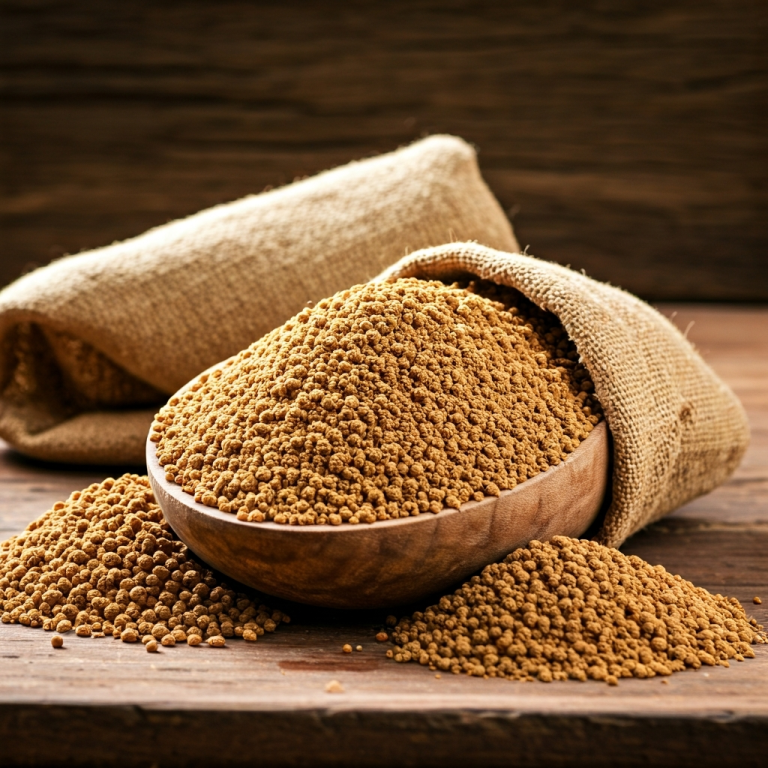
The global feed industry recognizes Palm Kernel Expeller (PKE) as a high-energy, high-protein byproduct of the palm oil extraction process. After crushing the palm kernel to extract its oil, the remaining fibrous material is PKE. It serves as a cost-effective ingredient in compound feed for livestock, especially for dairy cattle and beef production. Its high fiber and moderate protein levels make it a valuable commodity. For importers, sourcing quality Palm Kernel Expeller is the foundation of a successful operation.
The Role of GACC in Chinese Imports
The General Administration of Customs of the People’s Republic of China (GACC) is the government agency that supervises all imports and exports, replacing the former AQSIQ system. GACC’s primary mandate is to ensure the safety, quality, and compliance of all goods entering China. For agricultural commodities like animal feed, GACC maintains a strict registration and approval system for foreign production facilities. Without this official approval, your products are illegal and will be rejected or destroyed at the port.
Why GACC Approved PKE is Non-Negotiable
A “GACC Approved PKE” simply means the Palm Kernel Expeller was produced in a facility that GACC has inspected, audited, and officially registered. This registration is not a one-time event; facilities must maintain compliance and are subject to ongoing review. This approval is your only guarantee that the product meets China’s strict phytosanitary, safety, and quality standards, making it the only legal and safe way to import PKE into the country.
The Critical Risks of Using Non-Approved Suppliers
The allure of a slightly lower price from an unverified supplier can be tempting, but the risks are immense. This is not a corner you can afford to cut if you want to build a sustainable business.
Financial Losses and Scams
The most immediate risk is financial. Unscrupulous traders may falsely claim to have GACC approval. They might take your deposit or full payment and disappear, or they may ship a non-compliant product that is worthless upon arrival. Once Chinese customs rejects your shipment, recovering your funds is nearly impossible, leaving you with a significant loss.
Shipment Seizures and Legal Penalties
If a non-GACC product reaches a Chinese port, customs authorities will seize it. According to a 2025 report from a major shipping line, over 300 agricultural shipments were detained at Chinese ports due to registration discrepancies. As the importer of record, you face not only the loss of the entire shipment but also potential fines and blacklisting from future import activities.
Damage to Your Business Reputation
A shipment seizure or a failed delivery damages more than just your finances; it erodes your reputation. Your clients and partners rely on your ability to deliver. A major compliance failure signals a lack of due diligence and can permanently harm your credibility in the competitive commodities market, making it difficult to secure future contracts.
How to Verify a GACC Approved PKE Supplier in 5 Steps
Never take a supplier’s word for their GACC status. Verification is a straightforward process if you follow these essential steps. Here is how you can confirm the legitimacy of any potential exporter and protect your investment.
- Step 1: Request the GACC Registration Number: Any legitimate, approved exporter will have a GACC registration number for their production facility and provide it without hesitation. If they are evasive or refuse, consider it a major red flag and end negotiations.
- Step 2: Use the Official GACC Database: GACC maintains a public, online database of all approved foreign facilities. You must cross-reference the number on the official GACC query system. Ensure the company name and facility address match the database exactly.
- Step 3: Check the Approval Scope: GACC approval is product-specific. An approval for one product, like Cocopeat, does not grant approval for PKE. Verify the facility’s registration explicitly lists “Palm Kernel Expeller.”
- Step 4: Look for Other Trust Signals: Legitimate suppliers often have other certifications (e.g., ISO, GMP+), a professional website, and a clear track record. These signals, while secondary to GACC approval, build a more complete picture of the exporter’s professionalism.
- Step 5: Contact a Third-Party Verification Service: For large contracts, consider using a reputable inspection company in the country of origin to physically verify the facility and documentation before committing funds. This small investment can prevent a massive loss.
By following this checklist, you can confidently identify a truly compliant GACC Approved PKE supplier.

Top 3 Scams Involving GACC Approved PKE (And How to Beat Them)
Beyond simple non-compliance, outright fraud is a growing threat in the commodity space. Scammers are becoming more sophisticated, but their tactics often fall into predictable patterns. Here are the top three scams to watch out for.
- The Fake Certificate Scam: The supplier provides a doctored or expired GACC certificate. The document looks official, but the registration number is either fake or belongs to another company. How to beat it: Always verify the number directly on the official GACC database as outlined in the steps above. Never trust a PDF alone.
- The “Bait and Switch” Scam: The supplier is a legitimate trader who sources a sample from a GACC-approved facility but then fulfills the actual order with cheaper, non-compliant PKE. How to beat it: Insist on a pre-shipment inspection from an independent third party to verify the cargo matches the approved source before it’s loaded.
- The Ghost Factory Scam: A fraudulent company creates a professional website and claims to own a GACC-approved factory that doesn’t exist. They may use a real, approved factory’s name but change the contact details. How to beat it: Conduct due diligence. Use a third-party service to perform a physical address verification.
GACC Approved PKE vs. Standard PKE: A Comparison
It’s crucial for importers to understand the tangible differences between a compliant product and a standard one. The distinction impacts everything from market access to final quality and profitability.
| Feature | GACC Approved PKE | Standard (Non-GACC) PKE |
|---|---|---|
| Market Access | Legally permitted for import into mainland China. | Illegal for import into China; will be seized. |
| Quality Assurance | Produced in a facility audited by GACC for safety and hygiene standards. | Production standards are unknown and not verified by Chinese authorities. |
| Traceability | Full traceability from the production facility to the port, as required by GACC. | May have limited or no verifiable traceability, increasing risk. |
| Risk Profile | Low risk; compliant with all international trade regulations and Chinese import laws. | Extremely high risk of financial loss and legal penalties. |
| Supplier Verification | Supplier appears on the official GACC public database. | Supplier cannot be found on the GACC database or uses a fake number. |
Navigating the PKE Export Process to China
Beyond finding a GACC Approved PKE supplier, you must understand the broader export process. A smooth transaction requires meticulous attention to detail from start to finish.
Essential Documentation Checklist
Proper documentation is non-negotiable, as even a small error can cause significant delays at customs. Your shipment must include:
- Phytosanitary Certificate issued by the competent authority in the exporting country.
- Certificate of Origin.
- Bill of Lading.
- Commercial Invoice & Packing List.
- Certificate of Analysis (COA) confirming quality specifications.
- Proof of GACC Registration for the production facility (the official registration number).
Quality Specifications and Testing
PKE quality is measured by key parameters shown on a Certificate of Analysis (COA), including protein, fat, fiber, moisture, and ash. It is wise to secure a pre-shipment sample for independent analysis. This ensures the product meets your requirements and the specifications declared to customs. Some importers also source other products like high-quality Copra Meal or even Palm Kernel Shell, each with its own specification standards.
Logistics and Shipping Considerations
PKE is typically shipped in bulk or in 50kg bags within shipping containers and is susceptible to mold if exposed to moisture. Ensure your supplier has proper container loading procedures. Furthermore, clearly define your shipping terms (Incoterms). Partnering with an experienced freight forwarder who specializes in agricultural commodities to China is highly recommended. Research from the Journal of Cleaner Production highlights the importance of sustainable and efficient supply chain logistics in reducing spoilage.

Makmur Amanah Sejahtera provides high-quality palm products such as Palm Kernel Expeller, Palm Kernel Shell, Crude Palm Oil, Palm Kernel Oil, etc. Kindly contact us at WhatsApp +6282140002198 or email us at admin@makmuramanah.co.id.
Frequently Asked Questions (FAQ)
What is GACC?
GACC stands for the General Administration of Customs of the People’s Republic of China. It is the sole government body managing all import/export inspections, quarantine protocols, and mandatory registration for foreign producers of goods like GACC Approved PKE, ensuring they meet China’s safety and quality standards.
How often is the GACC approved list updated?
The GACC database is updated dynamically as new companies are approved and others are removed for non-compliance or registration expiration. It is critical to check the official, live database for the most current information, a practice emphasized by leading authorities like the Food and Agriculture Organization (FAO).
Can I import non-GACC PKE to China?
No. Attempting to import PKE from a non-approved facility into China is illegal and a costly mistake. Customs authorities will detain and likely destroy the shipment. Moreover, the importer faces significant fines and potential blacklisting, preventing future trade activities with China. There is no loophole around this rule.
What are the main quality parameters for PKE?
Key quality specifications for PKE include crude protein (typically 14-16%), crude fiber (around 15-18%), fat/oil content (8-12%), and moisture (under 12%). These values can vary, so it is crucial to confirm precise specifications with your supplier via a formal Certificate of Analysis before shipment.
Besides PKE, what other products need GACC approval?
A vast range of agricultural and food products require GACC facility registration before they can be imported into China. This includes all meat, seafood, dairy, grains, and other plant-based animal feed ingredients. The specific requirements vary by product category and the country of origin.

Your Partner in Secure and Compliant PKE Sourcing
In conclusion, successfully importing into China is not about finding the cheapest product; it’s about securing the most reliable and compliant supply chain. The only way to operate safely and profitably in this market is by exclusively using GACC Approved PKE. By following the verification steps outlined in this guide—requesting the registration number, checking the official database, and performing due diligence—you eliminate the risk of fraud and customs rejection.
Securing your supply chain with a vetted, compliant supplier is the foundational step to building a long-term, successful business in the world’s largest feed market. Make the smart choice and build your reputation on reliability. Insist on GACC Approved PKE every time.
Video Suggestion: Consider embedding a short video here titled “How to Use the GACC Database: A Step-by-Step Tutorial” to provide visual guidance to users.
 English
  Indonesian
  Chinese
  Arabic