

Copra Meal: The Ultimate Guide to Its Uses, Benefits & Nutrition (2026)
Copra meal is one of the most underrated yet powerful ingredients in the world of animal nutrition. For farmers and livestock managers seeking a sustainable and cost-effective feed solution, understanding this coconut by-product is essential for unlocking superior results in 2026.
The constant challenge is balancing animal performance with feed costs. As traditional grain prices fluctuate, the search for alternative protein and energy sources becomes critical. This article provides the definitive guide, exploring how this valuable feedstuff can optimize your entire operation.
What Exactly Is Copra Meal? A Detailed Look
Copra meal is a protein-rich feed ingredient derived from the venerable coconut palm tree. After the oil has been extracted from the dried coconut kernel (copra), the remaining solids are ground to create a coarse, palatable meal. This efficient process makes it a valuable by-product of the coconut oil industry.
Essentially, it is a shining example of a circular economy. It transforms a potential waste stream into a high-value product for the agricultural sector. Its unique nutritional profile makes it distinct from many other common oilseed meals.
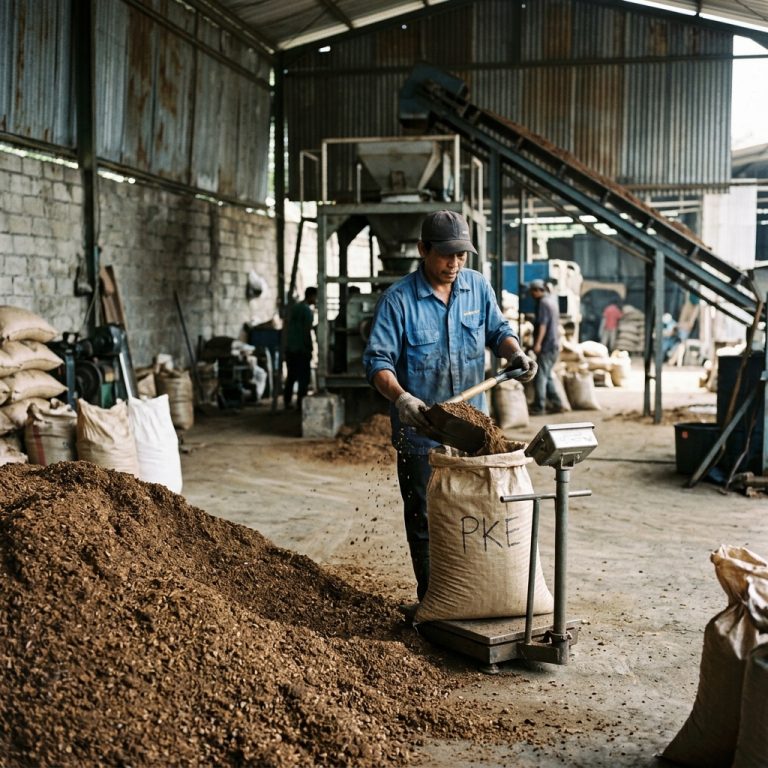
<[Image: A close-up shot of light-brown, granular copra meal in a large pile. | alt: A detailed view of high-quality Copra Meal for animal feed. | title: Copra Meal Texture and Color]>
From Coconut to Feed: The Production Process
The journey to creating high-quality copra meal begins with the humble coconut. The process is a model of efficiency and generally follows these key steps:
- Harvesting & Drying: Ripe coconuts are harvested, and their kernels (the white meat) are extracted. These kernels are then thoroughly dried, either by sun-drying or kiln-drying, to create ‘copra’. Proper drying is critical to prevent mold growth.
- Oil Extraction: The dried copra undergoes an oil extraction process. This is most commonly done via a mechanical press (expeller), which physically squeezes the valuable coconut oil out, leaving behind the solid portion.
- Meal Creation: The solid residue left after oil extraction is the ‘copra cake’ or ‘expeller’. This material is then carefully ground into a consistent particle size, resulting in what the world knows as Copra Meal.
<[Video: A short documentary showing the entire process from coconut harvesting to the final bagging of Copra Meal. | title: From Coconut to Cattle Feed: The Copra Meal Journey]>
Copra Meal vs. Copra Cake: Is There a Difference?
The terms ‘copra meal’ and ‘copra cake’ are often used interchangeably, but a subtle distinction exists. ‘Copra cake’ typically refers to the larger chunks left immediately after pressing. In contrast, ‘copra meal’ is the result of grinding that cake into a finer, more uniform product.
For all practical purposes in the feed industry, the final ground meal is what is universally traded and utilized. It offers superior mixability and ensures easier consumption for the animals.
What is Copra Meal? (Featured Snippet Definition)
Copra meal is a high-energy, moderate-protein animal feed supplement produced from the dried kernel of the coconut after most of the oil has been extracted. It is widely used in livestock diets, particularly for ruminants like cattle, due to its high fiber content and palatable nature.
The Nutritional Profile of Copra Meal
The true value of this coconut byproduct lies in its unique nutritional composition. While exact figures vary based on the oil extraction method and coconut origin, it consistently provides a potent blend of energy, protein, and fiber.
Furthermore, understanding its profile relative to other common feedstuffs is key for precise and effective diet formulation. This allows for strategic substitutions to optimize costs and animal performance.
Nutritional Comparison: Copra Meal vs. Other Feeds
Here’s how copra meal stacks up against two other common feed ingredients: Soybean Meal and Palm Kernel Expeller. This comparison highlights its unique position as a high-energy, high-fiber option.
| Nutrient | Copra Meal | Soybean Meal (44%) | Palm Kernel Expeller |
|---|---|---|---|
| Crude Protein (%) | 18-22% | 44-48% | 14-17% |
| Crude Fat (%) | 6-12% | 0.5-1.5% | 8-12% |
| Crude Fiber (%) | 10-14% | 5-7% | 16-20% |
| Metabolizable Energy (MJ/kg) | 11-13 | 9-10 | 8-10 |
Note: Values are approximate and can vary based on processing and source.
Key Macronutrients: Protein, Fat, and Fiber
The protein in copra meal is of good quality, though it is naturally low in the essential amino acids lysine and methionine. For this reason, it is best used in combination with other protein sources to create a complete and balanced diet for monogastric animals.
Its high residual oil content makes it an excellent source of digestible energy, promoting healthy weight gain and improved physical condition. Moreover, the high fiber content is a significant boon for ruminant digestion, supporting a healthy gut microbiome and efficient nutrient absorption.
<[Image: An infographic concept showing a coconut in the center, with arrows pointing to icons representing Cattle, Pigs, and Chickens, with key nutritional stats (Protein 20%, Fat 10%, Fiber 12%) listed. | alt: Infographic detailing the nutritional benefits and uses of Copra Meal for different livestock. | title: Copra Meal Nutritional Benefits Infographic]>
Top 7 Powerful Benefits of Using Copra Meal in Animal Feed
Incorporating copra meal into livestock rations offers several distinct advantages that can lead to healthier animals and a healthier bottom line for your farm.
- Excellent Energy Source: The high residual coconut oil provides a dense, highly digestible source of energy, crucial for growth, lactation, and daily performance.
- Good Protein Content for Ruminants: With protein levels around 20%, it serves as a fantastic protein supplement for cattle, sheep, and goats, whose digestive systems can utilize it with great efficiency.
- Improves Animal Condition: The unique fatty acid profile, particularly lauric acid, contributes to a glossy coat, healthy skin, and improved overall animal vitality.
- Highly Palatable: Animals are naturally attracted to the sweet, nutty aroma of copra meal. This quality helps increase feed intake, especially when adapting animals to new rations.
- Cost-Effective Ingredient: As a by-product, this coconut-based meal is often more affordable than primary protein sources like soybean meal, helping reduce overall feed costs.
- Sustainable and Natural: Utilizing a by-product from the coconut industry is an environmentally sound choice that reduces waste and promotes a circular economy in agriculture.
- Supports Ruminant Gut Health: The high fiber content is not just filler; it actively promotes healthy digestive function in ruminants, acting as a valuable source of functional roughage.
Practical Applications: How to Use Copra Meal Effectively
The versatility of copra meal allows it to be used in diets for a wide range of animals. However, adhering to proper inclusion rates is key to maximizing benefits and avoiding any potential issues. As with any new feed ingredient, it should always be introduced gradually over 7-10 days.
Copra Meal for Cattle and Ruminants
This is where the meal truly shines. For dairy and beef cattle, it can be included at rates of 15-30% of the concentrate mixture. Its combination of bypass protein and digestible fiber provides sustained energy. As noted by authoritative sources like the Feedipedia project, this can lead to increased milk butterfat and better growth rates. Scientific research published in the Journal of Animal Science frequently confirms the efficacy of coconut-based feeds in improving ruminant performance.
Feeding Guidelines for Poultry and Swine
For monogastric animals like pigs and chickens, inclusion rates must be more measured. Due to its high fiber content, it’s typically limited to 5-10% of the total diet for poultry. For pigs, inclusion can go up to 15-20% in grower-finisher diets. At these levels, it provides a cost-effective energy and protein boost without negatively impacting performance.
Use in Equine and Aquaculture Diets
Interestingly, this coconut byproduct is also a popular “cool” energy source for horses. It promotes healthy weight gain and a brilliant coat without the “fizz” or excitability associated with high-grain feeds. In aquaculture, it has been used to replace fishmeal in diets for tilapia and carp, offering a more sustainable and affordable protein source.
<[Image: A healthy, glossy-coated dairy cow eating from a feed trough containing a mixed ration. | alt: A dairy cow benefiting from a diet including Copra Meal. | title: Copra Meal for Improved Cattle Condition]>
Key Quality Indicators: What to Look For in a Supplier
The benefits of copra meal are only realized when you use a high-quality product. Partnering with a reliable supplier is non-negotiable. Here’s what to look for:
- Low Moisture Content: Quality meal should be dry (under 12% moisture) to prevent mold and mycotoxin formation.
- Consistent Color and Texture: Look for a uniform, light-brown color without dark or burnt particles, which can indicate overheating.
- Fresh Aroma: The meal should have a pleasant, sweet, nutty smell. A sour or musty odor is a clear red flag of spoilage.
- Aflatoxin Testing: Your supplier MUST provide proof of testing and guarantees that the product is safe and free from harmful levels of aflatoxins.
Potential Limitations and Considerations
While copra meal is an excellent resource, responsible usage requires awareness of its limitations. Quality control is paramount, as poor-quality meal can pose serious risks to animal health.
The primary concern is the potential for mycotoxins, specifically aflatoxins, if the raw copra is not dried and stored correctly. Reputable suppliers perform rigorous testing to mitigate this risk. As emphasized by industry publications like FeedNavigator, supply chain integrity is the cornerstone of feed safety.
Finally, remember to balance the diet. While its protein is valuable, it must be complemented with other sources rich in lysine and methionine, especially for poultry and swine. As recommended by agricultural bodies like Penn State Extension, a balanced ration is key. For example, using it alongside a material like Calcium Salts of Palm Oil Fatty Acids can help create a more rounded nutritional and energy profile.
Makmur Amanah Sejahtera provides high-quality palm products such as Palm Kernel Expeller, Palm Kernel Shell, Crude Palm Oil, Palm Kernel Oil, etc. Kindly contact us via WhatsApp at +6282140002198 or email us at admin@makmuramanah.co.id.
Frequently Asked Questions (FAQ)
What is the main use of copra meal?
The primary use of copra meal is as a high-energy protein supplement in animal feed. It is especially popular for ruminants like cattle, sheep, and goats due to its high fiber and residual oil content, which aids digestion and provides excellent, sustained energy.
Is copra meal good for horses?
Yes, copra meal is an excellent “cool” energy source for horses. It helps promote healthy weight gain and a shiny coat without the heating effect or excitability that can be caused by high-starch grains. This makes it a favorite in the global equestrian community.
How much protein is in copra meal?
Copra meal typically contains a moderate protein level, ranging from 18% to 22%. This makes it a valuable protein source, although it is best combined with other ingredients like soybean meal to balance the amino acid profile, especially for non-ruminant animals.
Can chickens eat copra meal?
Yes, chickens can eat copra meal, but it must be included in moderation. Due to its high fiber content, it is recommended to limit its inclusion to about 5-10% of the total diet to ensure optimal digestion and maintain peak performance for poultry.
What is the difference between copra meal and cocopeat?
Copra meal and cocopeat come from the same plant but are very different. Copra meal is a feed ingredient made from the dried coconut kernel after oil extraction. In contrast, Cocopeat is made from the coconut husk and is used as a soil amendment or growing medium in horticulture, not as animal feed.
<[Image: Bag of finished Copra Meal with a quality seal, ready for shipping. | alt: High-quality, packaged Copra Meal ready for use in animal nutrition. | title: Premium Packaged Copra Meal]>
Conclusion: The Smart Choice for Modern Farming
In conclusion, copra meal represents a smart, sustainable, and powerful choice for modern animal nutrition heading into 2026. Its unique combination of high energy, moderate protein, and beneficial fiber makes it an invaluable tool for improving animal health and performance while managing feed costs.
From cattle to horses, its applications are vast and its benefits are clear. By understanding its nutritional profile and incorporating it correctly, farmers and feed formulators can unlock a significant competitive edge. For a reliable supply of this amazing ingredient, sourcing high-quality Copra Meal is the final, critical step to success.
 English
  Indonesian
  Chinese
  Arabic