

Cocopeat: The Ultimate Guide to Uses, Benefits, and Preparation for Thriving Plants
Cocopeat is revolutionizing gardens across the globe, but unlocking its full potential requires specific knowledge. Many gardeners fail to achieve amazing results simply because they skip one or two crucial preparation steps, leading to nutrient lockout and stunted growth.
This guide provides the definitive 2026 roadmap to mastering this incredible medium. We will cover everything from its scientific properties to a step-by-step preparation guide that guarantees success. By the end, you will understand precisely how to use coco coir to grow healthier, more vibrant plants, turning common frustrations into gardening triumphs.
What Exactly is Cocopeat?
Cocopeat, also known as coco coir or coir pith, is a 100% natural fiber derived from the husk of coconuts. It is a soil-less growing medium that offers exceptional water retention, aeration, and a neutral pH. This makes it a popular and environmentally friendly alternative to traditional peat moss and soil.
For decades, it was considered a waste product of the coconut industry, but now it is celebrated for its remarkable horticultural properties. Its cellular structure, much like a sponge, allows it to hold up to 10 times its weight in water. This structure doesn’t collapse, ensuring that air pockets remain available for plant roots, which is crucial for preventing root rot and promoting vigorous growth.

The Science-Backed Benefits of Using Cocopeat
The advantages of incorporating coco coir into your gardening routine are backed by both scientific research and years of hands-on experience. It is more than just a filler; it actively improves your growing environment.
- Incredible Water Retention: As established by research from institutions like the University of California, Davis, this substrate can hold significant moisture, reducing watering frequency by up to 50% compared to traditional soils. This makes it ideal for thirsty plants and water-wise gardening.
- Superior Aeration and Drainage: Despite holding vast amounts of water, the medium provides excellent aeration to the roots. Its fibrous nature prevents compaction, allowing roots to breathe, expand, and avoid common issues like root rot, a frequent problem in dense, clay-like soils.
- Sustainable & Eco-Friendly: Unlike peat moss, which is harvested from non-renewable peat bogs, cocopeat is a byproduct of the massive coconut industry. Using it helps reduce waste and preserves vital wetland ecosystems.
- Disease and Pest Resistant: The material has natural anti-fungal properties, helping to suppress soil-borne diseases like pythium and phytophthora. Its non-soil nature also makes it less attractive to common soil pests.
- Neutral pH Level: Typically having a pH range of 5.5 to 6.8, this growing medium is perfectly suited for a wide variety of plants without requiring significant amendments like lime or sulfur.
Cocopeat vs. Peat Moss vs. Soil: A Head-to-Head Comparison
Choosing the right growing medium is critical for plant health. While traditional soil has its place, soilless mediums like coco coir and peat moss offer distinct advantages. This table provides a clear comparison to help you decide.
| Feature | Cocopeat | Peat Moss | Garden Soil |
|---|---|---|---|
| Source | Coconut Husks (Renewable) | Peat Bogs (Non-Renewable) | Varies (Clay, Silt, Sand) |
| Water Retention | Excellent | Excellent | Variable |
| pH Level | 5.5 – 6.8 (Slightly Acidic to Neutral) | 3.5 – 4.5 (Highly Acidic) | Varies Wildly (4.5 – 8.5) |
| Sustainability | High | Low | Medium |
| Wettability | Hydrophilic (Re-wets easily) | Hydrophobic (Hard to re-wet when dry) | Varies |
| Lifespan | ~5 years | ~2 years | Permanent (but needs amendment) |

How to Prepare Cocopeat: A 7-Step Guide to Success
Proper preparation is essential. Most cocopeat comes in compressed, dehydrated bricks that are high in salts. Skipping these steps is the #1 mistake gardeners make. Follow this guide precisely for thriving plants.
- Purchase a High-Quality Block: Start with a reputable source for your cocopeat. Low-quality bricks can contain excessive salts or sand.
- Hydrate the Block: Place your brick in a large tub. Add warm water (about 4-5 liters per kilogram). The brick will expand dramatically, up to 5-7 times its original volume.
- Break Apart the Material: After 20-30 minutes, the block will be soft. Use a small shovel or your hands to break it apart, ensuring no dry clumps remain. The final texture should be light and fluffy.
- Wash and Rinse (The Crucial Step): This removes excess sodium and potassium. Fill the tub with water, stir the coir, and let it sit. Drain the dark, tea-colored water. Repeat 2-3 times until the water runs mostly clear.
- Buffer with Cal-Mag: Coco coir latches onto calcium and magnesium, making them unavailable to plants. To prevent this, soak the rinsed material for 8-12 hours in a Cal-Mag solution at the recommended dosage.
- Check the EC (Electrical Conductivity): For serious growers, an EC meter is invaluable. After buffering, test the runoff. The EC should ideally be below 0.5 mS/cm, as referenced in many scientific studies on soilless media.
- Mix with Amendments: Your pure, buffered coir is now ready! Mix it with other materials to create a balanced potting mix. A classic recipe is 60% cocopeat and 40% perlite for excellent drainage.
[Video: A time-lapse video showing a cocopeat brick expanding as it’s hydrated in a large tub. Title: Watch Cocopeat Expand! Preparation Step-by-Step]
Common Uses for Cocopeat in Your Garden
The versatility of prepared coco coir is one of its greatest assets. It integrates well with other organic materials like Copra Meal for creating nutrient-rich substrates.
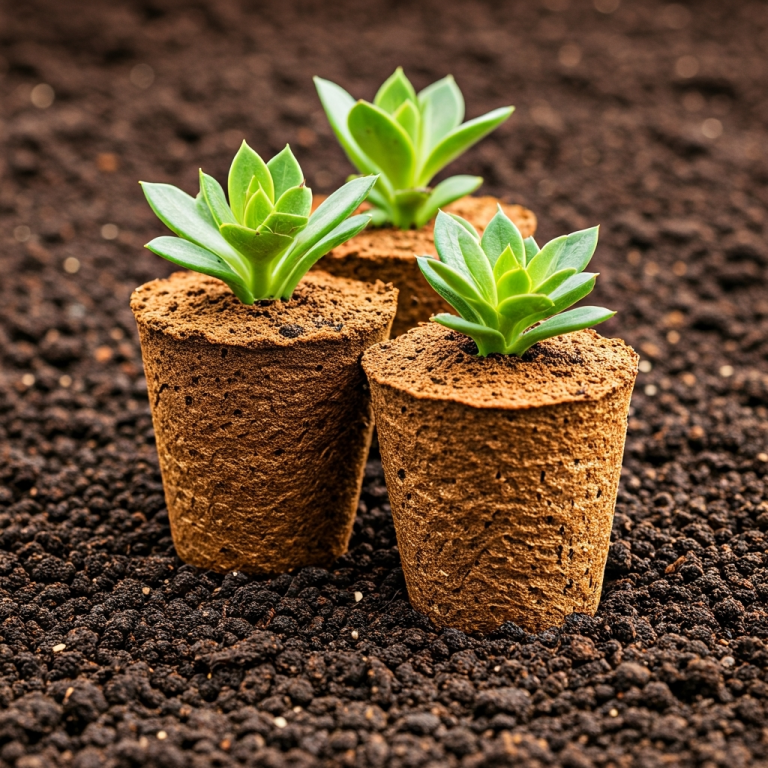
Using Cocopeat for Seed Starting
Because it is sterile and provides consistent moisture, coir is ideal for germinating seeds. Its fine texture allows delicate new roots to penetrate and establish themselves easily, leading to higher germination rates and healthier seedlings.
Hydroponic Systems
In hydroponics, this medium is a world-class substrate. It provides physical support for roots that water alone cannot. It can be used in Dutch buckets, grow bags, and slab systems for growing crops like tomatoes, peppers, and cucumbers, a practice detailed by many authoritative sources on hydroponics.
Soil Amendment
Amending garden beds with cocopeat can dramatically improve soil structure. For heavy clay soils, it increases aeration. For sandy soils, it improves water retention. A 2-3 inch layer tilled into the top 6-8 inches of soil can rejuvenate a tired garden bed.
Mulching
A layer of the substrate on the surface of pots or garden beds acts as a natural mulch. It helps retain soil moisture, suppresses weed growth, and keeps soil temperatures stable. Unlike wood mulch, it breaks down slowly over time.

4 Common Mistakes to Avoid When Using Cocopeat
While an amazing tool, this medium is not foolproof. Avoiding these common pitfalls will save you time, money, and heartache, ensuring you experience the benefits, not the frustrations.
- Skipping the Rinsing and Buffering Step: This is the most critical error. Unbuffered coir will steal calcium and magnesium from your plants, causing deficiency symptoms like yellowing leaves and stunted growth.
- Overwatering Your Plants: Because it holds so much water, the risk of overwatering is real. The top may look dry, but the core can be saturated. Use the “lift test” for pots or stick your finger two inches deep to check for moisture before watering.
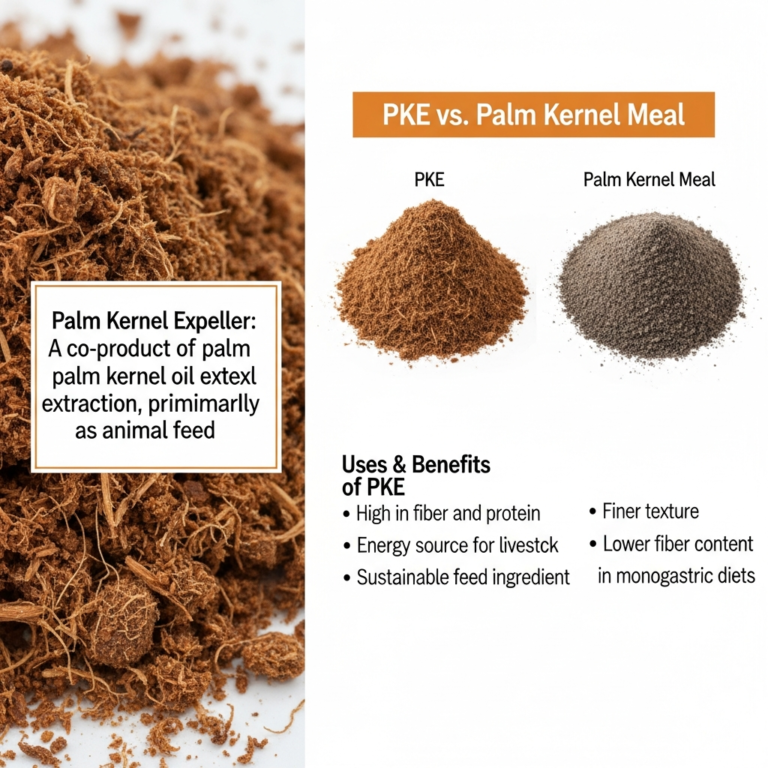
- Treating it Like Soil: Remember, it is an inert medium containing almost no native nutrients. You must provide 100% of the plant’s food. This is true for many agricultural byproducts, including those used in animal feed like Palm Kernel Expeller or specialized additives like Calcium Salts of Palm Oil Fatty Acids.
- Using Low-Quality, Salty Product: Bargain-bin cocopeat can have dangerously high salt levels. This salt pulls moisture from roots, causing dehydration. Invest in a quality brand from a supplier referenced by top publications like Gardeners’ World Magazine. Some industrial materials like Palm Kernel Shell are also graded for quality and intended use.
Makmur Amanah Sejahtera provides high-quality palm products such as Palm Kernel Expeller, Palm Kernel Shell, Crude Palm Oil, Palm Kernel Oil, etc. Kindly contact us at WhatsApp +6282140002198 or email us at admin@makmuramanah.co.id.
Frequently Asked Questions (FAQ)
Can plants grow in 100% cocopeat?
Yes, but it’s not always ideal. While you can grow in 100% coir, you must be diligent with nutrients. For most gardeners, mixing it with perlite (e.g., a 70/30 ratio) provides better aeration and a more forgiving growing environment.
Is cocopeat better than soil?
It depends. For container gardening and hydroponics, it offers more control and less risk of disease. For in-ground gardening, improving your native soil with this medium as an amendment is often a better and more cost-effective strategy.
How often should I water plants in cocopeat?
Less often than you think. Its high water-holding capacity means you can extend the time between waterings. The frequency will depend on the plant, pot size, and conditions. Always check the moisture level 2 inches below the surface first.
Why is my cocopeat growing white mold?
The white, fuzzy growth is usually a harmless saprophytic fungus called Trichoderma. It feeds on decaying organic matter and is often a sign of a healthy medium, not harmful to plants. Green or black mold, however, indicates overwatering.

Your Partner in Sustainable Growth
In conclusion, the evidence is clear: cocopeat is an exceptional, sustainable, and versatile tool for any gardener in 2026. By understanding its properties and committing to the crucial steps of rinsing and buffering, you can unlock its full potential. From seed starting to amending garden beds, using properly prepared coir will result in healthier roots and stronger plants.
Embrace this coconut-based powerhouse to conserve water, move away from non-renewable resources, and gain precise control over your plant’s environment. The journey to a thriving garden is paved with knowledge, and now you are fully equipped to make cocopeat a cornerstone of your success. Happy gardening!

 English
  Indonesian
  Chinese
  Arabic