
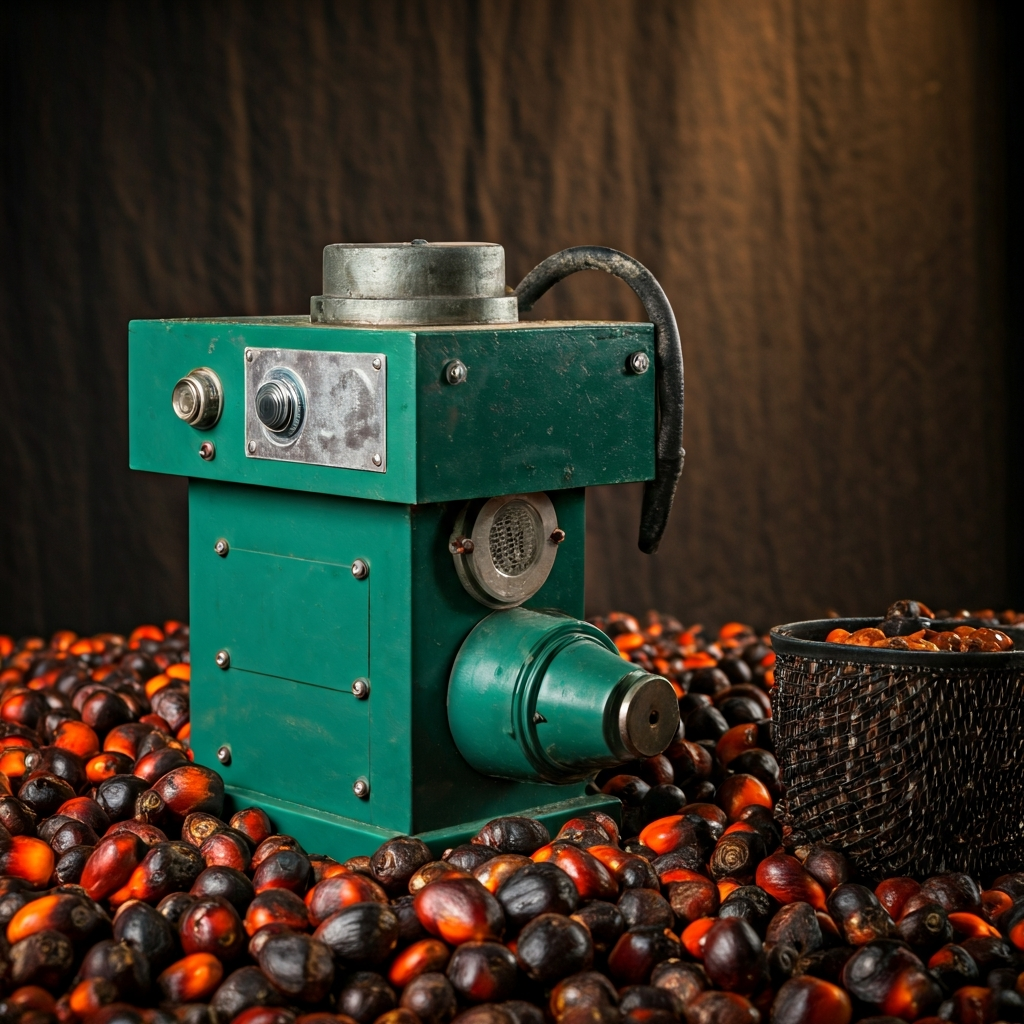
Palm Kernel Expeller (PKE) in Egypt: Your Guide to Price, Suppliers, and Importers
The strategic sourcing of Palm Kernel Expeller in Egypt is a critical factor for success in the nation’s rapidly growing livestock and aquaculture sectors. As feed costs constitute the largest operational expense, securing a reliable, high-quality, and cost-effective ingredient like PKE is no longer an option—it’s a necessity.
This guide provides the definitive 2026 outlook on the market, equipping you with the knowledge to navigate prices, suppliers, and import logistics effectively. Egypt’s agricultural landscape relies heavily on imported feed ingredients to sustain its domestic animal production.
According to the Food and Agriculture Organization (FAO), ensuring feed security is paramount for the country’s food security goals. PKE, a byproduct of the palm oil extraction process, has emerged as a powerhouse ingredient. It offers a balanced profile of energy, protein, and fiber that makes it an ideal component in ruminant and poultry diets. This article is your essential resource for unlocking its full potential.
What Exactly is Palm Kernel Expeller (PKE)?
Palm Kernel Expeller (PKE) is a high-value feed ingredient derived from the mechanical extraction of oil from the kernel of the oil palm fruit. After the crude palm kernel oil is pressed out, the remaining solid residue, rich in protein and fiber, is processed into what is known as PKE or Palm Kernel Cake.
It is a globally recognized commodity in the animal feed industry due to its consistent quality and nutritional value. This is not to be confused with other palm-derived products. For instance, while PKE is a feed ingredient, Palm Kernel Shell is primarily used as a solid biofuel. The distinction is crucial for importers to source the correct material.
Nutritional Profile and Benefits for Livestock
PKE is highly sought after for its unique nutritional composition, which makes it particularly suitable for ruminant animals such as cattle, sheep, and goats. Its high fiber content is beneficial for gut health, while its moderate protein level supports growth and milk production.
- Crude Protein: 14-18%
- Crude Fiber: 16-22%
- Metabolizable Energy: 9-11 MJ/kg
- Fat/Oil: 8-12%
Furthermore, research published in leading animal science journals, like the Journal of Animal Feed Science and Technology, consistently demonstrates that incorporating PKE into animal diets can lead to improved weight gain and better feed conversion ratios, directly impacting a farm’s profitability. When balanced correctly, it serves as a cost-effective alternative to more expensive feedstuffs like soybean meal or corn.
PKE vs. Palm Kernel Cake (PKC): Is There a Difference?
While often used interchangeably, there is a technical difference. PKE is produced via mechanical pressing (expeller press), which typically leaves a higher residual oil content (8-12%). Palm Kernel Cake (PKC), on the other hand, can sometimes refer to the product of solvent extraction, which results in a lower oil content (1-3%). In the context of the Egyptian market, the term PKE almost always refers to the mechanically pressed product, which is preferred for its higher energy value.
[Image: A detailed close-up shot of high-quality, golden-brown Palm Kernel Expeller pellets, showcasing their texture and consistency.]
Alt Text: A close-up image of high-quality Palm Kernel Expeller pellets for animal feed.
Title: High-Quality Palm Kernel Expeller Pellets.
Why is Palm Kernel Expeller in Egypt a Hot Commodity?
The demand for PKE in Egypt has seen a significant upswing, driven by several key economic and agricultural factors. The country’s “Vision 2030” emphasizes agricultural self-sufficiency and boosting local production, which has placed immense pressure on the animal feed industry to find sustainable and affordable ingredients.
Additionally, the rising costs of traditional feed ingredients like yellow corn and soybeans, as reported by industry publications like FeedNavigator, have pushed formulators to seek viable alternatives. PKE fits this role perfectly, offering a stable and competitively priced solution without compromising on essential nutrients. This makes sourcing Palm Kernel Expeller in Egypt a strategic move for agribusinesses.
Market Drivers for Palm Kernel Expeller in Egypt
Several factors are fueling the PKE market in Egypt:
- Expansion of Dairy and Beef Sectors: Government initiatives to grow the national herd have directly increased the demand for high-fiber ruminant feed.
- Price Volatility of Competitors: Global supply chain disruptions and economic factors have made the prices of soybean and corn meal unpredictable. PKE, with a more stable supply chain, offers a buffer.
- Proven Performance: Egyptian farmers have first-hand experience with the positive impact of PKE on livestock health and productivity, increasing its adoption rate.
- Favorable Import Conditions: The import framework for feed ingredients like PKE is well-established, facilitating smoother transactions for importers.
Navigating Palm Kernel Expeller in Egypt: Price Trends 2026
Understanding the pricing structure is crucial for any importer. The price of PKE in the Egyptian market is not static; it is influenced by a combination of international market dynamics, shipping costs, and local demand. For 2026, prices are expected to remain competitive against other protein sources.
Factors Influencing PKE Prices
When budgeting for your PKE procurement, consider these key variables:
- Origin Country Price (FOB): The base price set by the producer, typically in Indonesia or Malaysia.
- Freight Costs: The cost of shipping a 20ft or 40ft container from the port of origin (e.g., Belawan, Indonesia) to an Egyptian port (e.g., Alexandria, Port Said).
- Currency Exchange Rates: Fluctuations between the USD, Indonesian Rupiah, and Egyptian Pound can significantly impact the final landed cost.
- Local Tariffs and Taxes: Import duties and VAT as mandated by Egyptian authorities.
- Seasonal Demand: Demand often peaks during certain seasons, which can influence spot prices.
PKE vs. Other Feeds: A Cost-Benefit Analysis (2026 Estimates)
This comparative table illustrates the economic advantage of PKE versus other common feed ingredients in Egypt for 2026.
| Feed Ingredient | Estimated Landed Cost (USD/Ton) | Crude Protein (%) | Metabolizable Energy (MJ/kg) | Best For |
|---|---|---|---|---|
| Palm Kernel Expeller (PKE) | $220 – $260 | 16% | 10 | Ruminants, Dairy Cows |
| Soybean Meal (46%) | $550 – $620 | 46% | 12.5 | Poultry, Swine, High-Protein Rations |
| Yellow Corn | $310 – $350 | 8% | 13.5 | Energy source for all livestock |
| Copra Meal | $280 – $330 | 20% | 11 | Ruminants, Horses |
As the table clearly shows, PKE offers a highly competitive protein and energy source at a fraction of the cost of soybean meal, making it an economically rational choice for feed formulation.
[Image: An infographic-style image showing the nutritional breakdown of PKE (protein, fiber, energy percentages) alongside icons of cattle, goats, and sheep.]
Alt Text: Infographic of the nutritional profile of Palm Kernel Expeller for ruminants.
Title: Palm Kernel Expeller Nutritional Information.
How to Assess PKE Quality (And How to Spot It)
Not all PKE is created equal. Ensuring you receive a high-quality product is vital for animal health and performance. Low-quality PKE can contain contaminants or have a lower nutritional value.
Key Quality Indicators for PKE
- Color: High-quality PKE should have a consistent, golden-brown color. A very dark or black color may indicate overheating during processing, which can damage proteins.
- Smell: It should have a fresh, nutty, roasted aroma. A sour, musty, or rancid smell is a clear red flag for spoilage or mould.
- Texture & Uniformity: The product should be uniform in particle size. Check for excessive dust or clumps, which can indicate poor handling or moisture problems.
- Contaminants: Look for any foreign materials, such as shell fragments, stones, or signs of insect infestation. A reliable supplier ensures a clean product.
Top PKE Suppliers & Importers in Egypt
The supply chain for PKE into Egypt originates primarily from the major palm oil-producing countries, Indonesia and Malaysia. Reputable suppliers like Makmur Amanah Sejahtera have established processes to ensure consistent quality and reliable delivery to international markets.
Identifying a trustworthy supplier is the most critical step. Look for suppliers who provide comprehensive documentation, including certificates of origin, quality analysis reports, and proof of past performance.
How to Vet a Potential PKE Supplier
- Request Documentation: Ask for a Certificate of Analysis (COA) for a recent batch to verify nutritional specifications like protein and fiber levels.
- Check Company Registration: Verify the supplier’s business registration and export licenses in their country of origin.
- Ask for Shipment Proof: Request redacted Bill of Lading (B/L) copies from previous shipments to Egypt or neighboring countries as proof of experience.
- Communication and Expertise: A professional supplier will be knowledgeable about their product, from its nutritional benefits to the logistics of getting it to your port.
This due diligence protects your investment and ensures the integrity of your feed supply chain. For those looking for more complex formulations, some suppliers also offer products like Calcium Salts of Palm Oil Fatty Acids, which serve as an excellent bypass fat.
Makmur Amanah Sejahtera provides high-quality palm products such as Palm Kernel Expeller, Palm Kernel Shell, Crude Palm Oil, Palm Kernel Oil, etc. Kindly contact us at WhatsApp +6282140002198 or email us at admin@makmuramanah.co.id.
[Image: A wide shot of cargo ships and cranes at a busy Egyptian port like Alexandria, symbolizing the import process of commodities like Palm Kernel Expeller in Egypt.]
Alt Text: Cargo ships at the Port of Alexandria, symbolizing the import of Palm Kernel Expeller in Egypt.
Title: Importing Palm Kernel Expeller to Egypt.
Frequently Asked Questions (FAQs)
1. What is the primary use of Palm Kernel Expeller in Egypt?
Its primary use is as a key ingredient in animal feed, especially for dairy and beef cattle, sheep, and goats. Its high fiber and moderate protein support ruminal health and productivity at a competitive cost, making it highly valued in the Egyptian livestock sector.
2. Is PKE safe for all livestock?
PKE is very safe and effective for ruminants. For monogastric animals like poultry, it can be used at lower inclusion rates (typically 5-10%) due to its high fiber. Always consult an animal nutritionist to create a balanced diet specific to your livestock’s needs.
3. How is PKE shipped and packaged?
PKE is typically shipped in 20-foot or 40-foot containers. It can be packaged in bulk (loose in container) or in 50kg woven polypropylene bags, depending on the importer’s preference and handling capabilities. Bagged cargo is often easier to manage for smaller operations.
4. What is the typical lead time for importing PKE to Egypt?
From placing an order with a supplier in Indonesia to arrival at an Egyptian port, the typical lead time is 30 to 45 days. This includes production, sea transit (approximately 25-30 days), and port handling. Planning your procurement well in advance is essential.
Conclusion: Your Strategic Partner in the Egyptian Feed Market
In conclusion, the role of Palm Kernel Expeller in Egypt’s agricultural sector is poised for continued growth through 2026 and beyond. Its unbeatable combination of nutritional value, cost-effectiveness, and stable supply makes it an indispensable tool for any feed miller, livestock farmer, or importer looking to gain a competitive edge.
By understanding the market dynamics, vetting suppliers diligently, and leveraging PKE’s benefits, you can significantly enhance your operational efficiency and profitability. The future of feed in Egypt requires smart, strategic sourcing. Making informed decisions about ingredients like PKE is the first step toward building a more resilient and profitable agricultural business.
To get started, exploring a reliable supply of Palm Kernel Expeller in Egypt from a trusted source is your most critical next move.
[Image: A picture of healthy, well-fed dairy cows in a clean, modern farm setting, subtly linking the use of quality feed like PKE to positive outcomes.]
Alt Text: Healthy dairy cows on a farm, representing the benefits of quality feed like Palm Kernel Expeller.
Title: Benefits of PKE for Dairy Cows.
[Video Suggestion: An embedded YouTube video titled “How to Identify High-Quality Palm Kernel Expeller (PKE) in Under 2 Minutes,” showing visual checks for color, texture, smell, and lack of contaminants.]
 English
  Indonesian
  Chinese
  Arabic