

Copra Meal: Ultimate Guide to 5 Amazing Benefits (2024)
Copra Meal is a game-changing ingredient in modern animal nutrition, yet many producers are unaware of its full potential. Farmers constantly face the challenge of sourcing cost-effective, high-protein feed ingredients that deliver consistent results. This guide unlocks the secrets to leveraging this powerful coconut byproduct for superior livestock performance.
As the agricultural industry pivots towards sustainable feed solutions in 2024, understanding alternative proteins is essential. With feed costs often exceeding 70% of production expenses, ingredients like copra meal offer a significant financial and nutritional advantage. This article delves into the science and practical application of this amazing feedstuff, ensuring you have the knowledge to optimize your operations.
What is Copra Meal? A Detailed Definition
Copra meal, also known as coconut meal, is the byproduct of oil extraction from dried coconut kernels (copra). After the valuable coconut oil is removed, typically through a mechanical expeller press, the remaining solids are ground into a meal.
This process creates a nutrient-dense feed ingredient highly valued in rations for various livestock. It serves as an excellent source of protein, energy, and fiber, making it a critical component for animal diets worldwide.

The Incredible Nutritional Profile of Copra Meal
The true power of Copra Meal lies in its unique nutritional composition. While the oil extraction method can cause slight variations, its core components provide a powerful boost to animal health. Understanding these details is key to formulating balanced feed rations.
Protein Power: Fueling Animal Growth
Copra meal is an excellent source of protein, typically ranging from 20-26%. This protein is rich in arginine but moderately low in lysine and methionine. Therefore, it’s often used with other sources like soybean meal to create a perfectly balanced amino acid profile for optimal growth.
Energy and Fat Content
The residual oil in copra meal, usually 2-10%, provides a significant source of digestible energy. This fat is predominantly saturated and highly palatable, which can improve the feed intake of picky eaters. The energy from this oil is crucial for maintaining body condition and supporting production in dairy cattle.
Fiber for Digestive Health
Furthermore, copra meal contains a high level of beneficial fibers known as non-starch polysaccharides (NSPs). According to a study in the Journal of Agricultural Science, these fibers promote gut health by encouraging beneficial bacteria. This leads to improved digestion and better nutrient absorption, making it especially valuable for ruminants.
5 Amazing Benefits of Using Copra Meal in Animal Feed
Integrating copra meal into livestock diets offers advantages that go beyond basic nutrition. These benefits contribute to a more efficient, profitable, and sustainable farming operation.
- Cost-Effectiveness: It is often more affordable than soybean or fishmeal, providing significant feed cost reduction without compromising quality.
- High Palatability: Most animals find the sweet, nutty flavor of copra meal highly palatable. This encourages consistent feed intake, crucial for high-producing animals.
- Improved Animal Product Quality: In dairy cows, its specific fatty acid profile can improve milk fat quality. For other animals, it contributes to a healthier coat and skin.
- Sustainable and Natural: As a byproduct, using copra meal reduces waste and promotes a circular economy. It is a natural ingredient, free from concerns associated with synthetic additives.
- Low Anti-Nutritional Factors: Unlike some oilseed meals, copra meal has very low levels of anti-nutritional factors, especially when sourced from a reputable supplier like Makmur Amanah Sejahtera.

Practical Applications: Copra Meal for Different Livestock
The versatility of copra meal allows its use in diets for a wide range of animals. However, inclusion rates and formulation strategies must be tailored to each species for the best results.
Using Copra Meal for Ruminants (Cattle, Goats, Sheep)
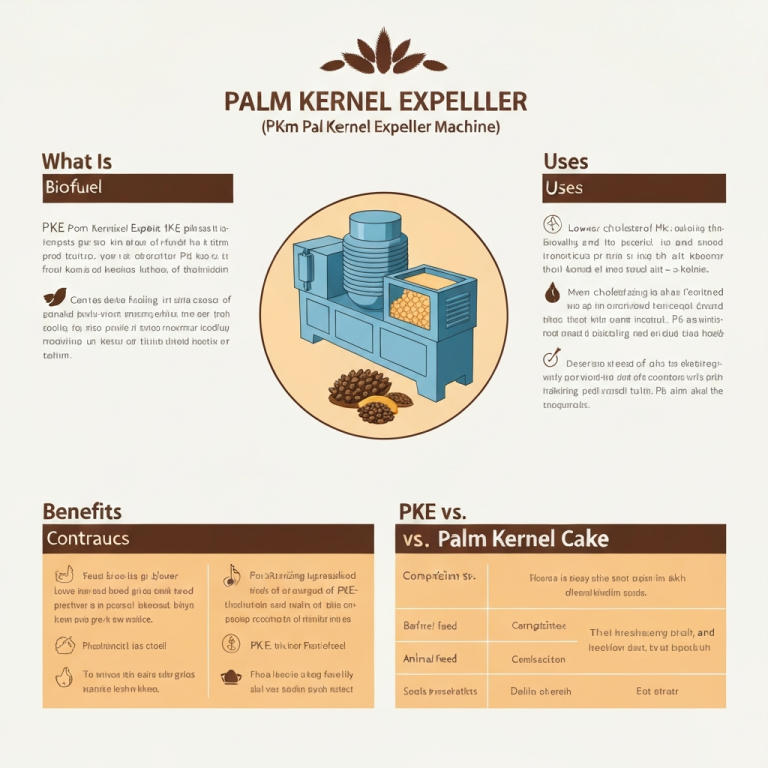
Ruminants are the primary consumers of copra meal. Its high fiber and “bypass” protein content make it ideal. This bypass protein escapes rumen digestion and is absorbed in the small intestine, providing a more efficient source of amino acids. For a comparable high-protein feed, producers also explore Palm Kernel Expeller.
Inclusion in Swine and Poultry Diets
While historically limited by its fiber, modern processing has made copra meal more suitable for monogastric animals like pigs and chickens. When supplemented with enzymes and balanced with amino acids, it can be included at 5-15% of their diets as a cost-effective protein alternative.
Formulation and Feeding Strategies
Properly integrating copra meal into feed requires more than just adding it to the mix. A strategic approach ensures you maximize its benefits while maintaining a balanced diet for your livestock.
Key Formulation Considerations:
- Amino Acid Balancing: Due to its lower lysine and methionine content, always formulate rations in conjunction with other protein sources (like soybean meal) to ensure a complete amino acid profile.
- Enzyme Supplementation: For poultry and swine, adding NSP-degrading enzymes can significantly improve the digestibility of the fiber in copra meal, unlocking more energy and nutrients.
- Gradual Introduction: As with any new feed ingredient, introduce copra meal into the diet gradually over 7-10 days to allow the animals digestive system to adapt.
Recommended Inclusion Rates:
These are general guidelines. Always consult with a nutritionist for specific recommendations.
- Dairy Cattle: Up to 20-30% of the total ration.
- Beef Cattle: Up to 20% of the concentrate mix.
- Swine (Growers): 5-10% of the diet.
- Poultry (Broilers): 5-15% with enzyme supplementation.
Copra Meal vs. Palm Kernel Expeller: A Head-to-Head Comparison
Producers often weigh the benefits of different plant-based protein meals. Two common options in tropical regions are copra meal and palm kernel expeller. While both are valuable, they have distinct profiles.
| Nutrient/Factor | Copra Meal | Palm Kernel Expeller (PKE) |
|---|---|---|
| Crude Protein | 20-26% (Higher Quality) | 15-18% |
| Crude Fiber | 12-14% | 16-18% (Higher) |
| Palatability | High (Sweet, nutty) | Lower (Can be bitter) |
| Primary Use | Dairy, Swine, Poultry | Primarily Ruminants |
While PKE is a viable option, the higher protein quality and superior palatability of copra meal often make it the preferred choice for performance-critical diets.

Sourcing and Quality Control for Premium Results
The effectiveness of copra meal is directly tied to its quality. Poorly processed or stored meal can have reduced nutritional value and potential contamination. Partnering with a reliable supplier is crucial.
What to Look for in a Supplier
A trustworthy supplier should provide a consistent product with clear specifications. Look for guarantees on protein and moisture. As noted by the Food and Agriculture Organization (FAO), moisture content above 12% can lead to mold. Top suppliers also utilize sustainable resources, like using Palm Kernel Shell for energy or providing other eco-friendly materials like Cocopeat for agricultural use.
For a visual guide on livestock feed quality, consider watching a video on feed formulation. Search on YouTube for “How to Formulate Livestock Feed Rations” to see experts discuss ingredient quality.
Makmur Amanah Sejahtera provides high-quality palm products such as Palm Kernel Expeller, Palm Kernel Shell, Crude Palm Oil, Palm Kernel Oil, etc. Kindly contact us at WhatsApp +6282140002198 or email us at admin@makmuramanah.co.id.

Frequently Asked Questions (FAQ)
1. What is the main use of copra meal?
The main use of copra meal is as a protein-rich ingredient in animal feed for ruminants, swine, and poultry. Its excellent nutritional profile and cost-effectiveness make it a globally popular choice for improving livestock performance and reducing feed costs.
2. Is copra meal good for dairy cows?
Yes, it is exceptionally good for dairy cows. Its combination of bypass protein and digestible energy helps support high milk yields and can improve milk fat content. Its high palatability also encourages consistent feed intake, which is critical for lactating animals.
3. What is the difference between copra meal and coconut flour?
Copra meal is made for animal feed from the solids left after oil extraction. Coconut flour is produced from finely ground coconut meat specifically for human consumption and has a much lower oil content, making it unsuitable as a direct replacement.
4. Can copra meal be fed to horses?
Yes, copra meal is a popular and safe feed for horses. It provides “cool energy” from fat and fiber rather than high-starch grains, which can cause excitability. It is excellent for promoting weight gain and improving coat condition.
Conclusion: The Future of Feed is Here
In conclusion, the strategic use of Copra Meal offers a powerful advantage for any modern livestock operation. Its robust nutritional profile, economic benefits, and high palatability make it an indispensable tool for improving animal performance and reducing feed costs.
By understanding its properties, applying correct formulation strategies, and sourcing from high-quality suppliers, you can unlock its full potential. As we move forward in 2024, incorporating sustainable and effective byproducts like Copra Meal is essential for profitable and responsible agriculture.


 English
  Indonesian
  Chinese
  Arabic