
Copra Meal: The Complete Guide to Uses, Nutrition & Benefits
Copra meal is one of the most underrated yet powerful ingredients for sustainable livestock nutrition in 2026. For farmers and feed formulators grappling with volatile grain prices, finding a cost-effective, high-protein alternative is a top priority. This comprehensive guide explores the incredible uses, nutritional profile, and amazing benefits of this valuable coconut by-product.
Why Use Copra Meal in Livestock Feed?
The global demand for animal protein is rising, but so are the costs of traditional feedstuffs like soybean meal and corn. This economic pressure forces the agriculture industry to innovate and seek sustainable alternatives. Enter copra meal, the protein-rich feed ingredient left over after oil extraction from dried coconut flesh (copra).
According to the Food and Agriculture Organization (FAO), millions of tons of coconuts are produced annually, creating a consistent and abundant supply of this valuable by-product. Integrating it into animal diets isn’t just an economic choice; it’s a strategic move towards more resilient and efficient farming.
What Exactly Is Copra Meal?
Copra meal is a feed ingredient derived from the dried kernel of the coconut (the “copra”). After the majority of the oil is extracted from the copra for use in food and industrial applications, the remaining solids are ground to create a palatable, protein-rich meal. It serves as a vital nutritional supplement for various types of livestock, prized for its unique balance of protein, fiber, and energy. The quality of this feed can vary based on the oil extraction method, a key factor for nutritionists to consider.

From Coconut to Feed: The Production Process
Understanding how this feed ingredient is made helps appreciate its value. The journey from a whole coconut to nutritious copra meal involves several key steps:
- De-husking and Splitting: Workers remove the outer husk and split the coconut open.
- Drying: The coconut kernel is dried to reduce moisture content. This can be done through sun-drying, smoke-drying, or kiln-drying. The dried kernel is now called “copra.”
- Oil Extraction: The copra undergoes mechanical pressing (expeller method) or a solvent wash to extract the valuable coconut oil.
- Grinding: The leftover solids, now significantly lower in oil, are ground into a coarse, flaky meal. This final product is the feed ingredient ready for livestock.
Copra Expeller vs. Solvent-Extracted: Key Differences
The extraction method directly impacts the nutritional profile of the final product. For feed formulators, knowing the difference is crucial for creating a balanced diet.
| Feature | Expeller-Pressed Copra Meal | Solvent-Extracted Copra Meal |
|---|---|---|
| Oil Content | Higher (6-12%) | Lower (1-4%) |
| Protein Content | Slightly Lower (approx. 20-22%) | Slightly Higher (approx. 22-26%) |
| Energy Value | Higher due to more residual oil | Lower energy density |
| Process | Mechanical pressing (natural) | Chemical solvent washing |
| Market Preference | Often preferred for its higher energy content, providing “cool” energy. | Used when maximizing protein content is the primary goal. |
The Comprehensive Nutritional Profile of Copra Meal
The value of this coconut by-product lies in its dense nutritional makeup. It offers a fantastic alternative to more conventional feeds, providing a unique combination of macronutrients and micronutrients essential for animal growth and health.
Macronutrient Breakdown: Protein, Fiber, and Fat
At its core, the meal is an excellent source of crude protein, typically ranging from 20-26%. A significant portion of this is “bypass protein,” meaning it resists degradation in the rumen and is digested further down the gastrointestinal tract. This process leads to more efficient protein utilization.
Furthermore, its high fiber content (around 12-16%) supports healthy gut function. The residual oil provides a source of “cool,” non-heating energy, which is particularly beneficial for performance horses and dairy cows.
Key Vitamins and Minerals for Animal Health
Beyond the primary nutrients, copra meal delivers essential minerals that contribute to overall animal wellness. It is particularly rich in phosphorus, which is vital for bone development and energy metabolism. Additionally, it contains notable amounts of potassium, iron, manganese, and copper, all playing critical roles in enzymatic functions and immune system support.
Understanding the Amino Acid Profile
No protein source is perfect. While it has a good overall amino acid profile, it is relatively low in the essential amino acids lysine and methionine compared to soybean meal.
Therefore, when formulating high-performance diets, nutritionists often balance the ration with other protein sources or synthetic amino acids to cover the animal’s complete requirements. This ensures that the benefits are fully realized without any nutritional gaps.

Top 7 Amazing Benefits of Using Copra Meal in Animal Feed
Integrating copra meal into livestock diets provides a host of advantages that address both economic and animal welfare goals. These seven key benefits showcase why it’s a smart choice for modern agriculture.
- A Powerful, Cost-Effective Protein Source: It consistently provides a high-protein feed ingredient at a more stable and often lower cost than soybean meal, directly improving profitability.
- High in Digestible Fiber for Gut Health: The substantial fiber content promotes a healthy digestive system, aiding nutrient absorption and preventing common gut issues in ruminants.
- Enhances Rumen Function in Cattle: A portion of the protein is rumen undegradable (bypass protein), which improves protein efficiency in cattle. This leads to better growth rates and milk production, a topic explored in studies on ruminant nutrition.
- Boosts Milk Production and Fat Content: For dairy animals, the combination of bypass protein and energy from residual oil has been shown to increase both milk yield and the percentage of milk fat.
- Improves Coat and Skin Condition: The residual coconut oil is known to promote a shiny, healthy coat in animals, particularly horses and show cattle, making it a favorite for conditioning.
- A Sustainable and Eco-Friendly Feedstuff: As a by-product of the coconut industry, using it reduces waste and makes the food system more efficient. It utilizes a resource that would otherwise be discarded, aligning with sustainable practices like those seen in Cocopeat production.
- Reduces Reliance on Volatile Soy and Corn Markets: Diversifying feed sources helps insulate farmers from the price swings and supply chain issues associated with the global soy and corn markets.
Practical Applications: A Guide for Different Livestock
The versatility of copra meal allows for its use across a wide range of animal species. However, optimal inclusion rates vary depending on the animal’s digestive system, age, and production goals.
Using Copra Meal in Ruminant Diets (Cattle, Goats)
Ruminants benefit greatly from this feed. For dairy cattle, inclusion rates of 15-20% of the total ration are common and can enhance milk fat and protein content. For beef cattle, it serves as an excellent protein supplement in finishing diets. Its palatable nature encourages feed intake, leading to consistent weight gain.

Formulation for Poultry Feed (Broilers and Layers)
In poultry, nutritionists use copra meal more strategically. Due to its high fiber content, inclusion is typically limited to 5-10% of the diet. When used at these levels, it provides a cost-effective protein source without negatively impacting digestive efficiency in broilers or layers. Enzyme supplementation can further enhance its digestibility for birds.
A Feed Guide for Swine and Equine Nutrition
For pigs, the meal can be included at up to 15% of the diet for growers and finishers. In equine nutrition, it is highly valued as a “cool” energy source. The high-fat, high-fiber, low-starch nature of this feed provides slow-release energy, preventing the fizziness associated with high-grain diets while promoting weight gain and a glossy coat.
Potential Limitations and How to Mitigate Them
While an excellent feedstuff, success with copra meal requires an awareness of its potential limitations. Proper management ensures that you only get the benefits without any drawbacks.
Aflatoxin Risks and Proper Storage
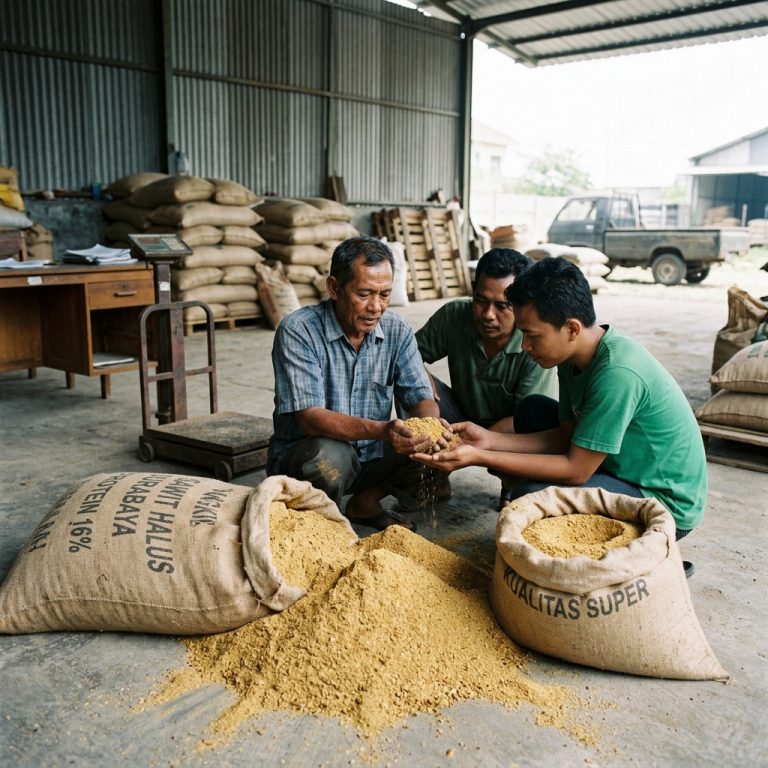
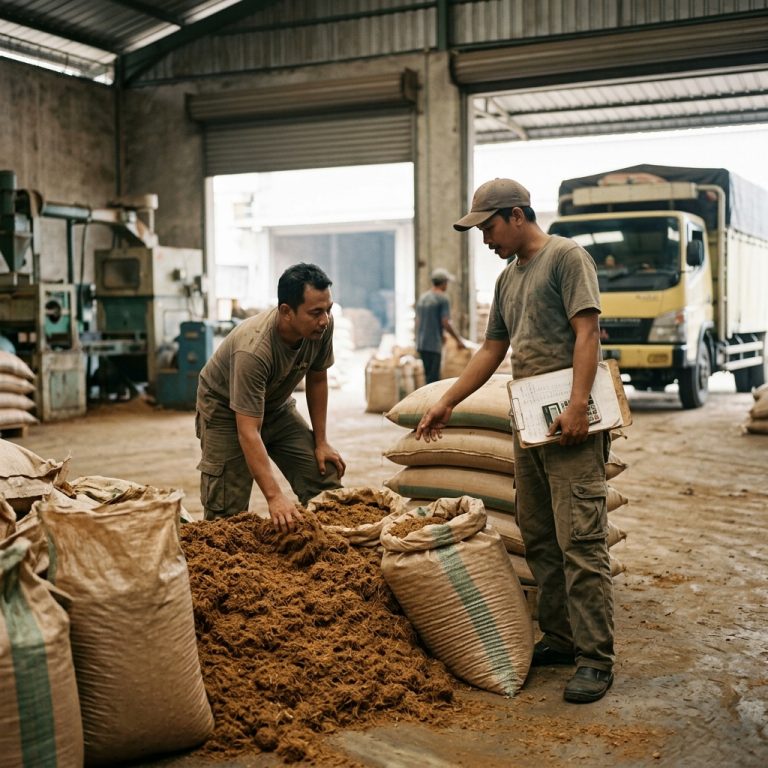
Like many feed ingredients produced in tropical climates, copra can be susceptible to mold growth, which produces mycotoxins like Aflatoxins. It is absolutely critical to source your meal from a reputable supplier who performs quality control and testing. Proper on-farm storage in a dry, cool environment is equally important to prevent contamination.
Balancing Amino Acids (Lysine & Methionine)
As mentioned, this coconut by-product is naturally lower in lysine and methionine. A qualified nutritionist can easily correct this by balancing the ration with other ingredients (like fish meal or soybean meal) or adding synthetic amino acids to create a complete diet for high-performance animals.
Recommended Inclusion Rates for Best Results
Exceeding recommended inclusion rates can sometimes lead to reduced feed intake or digestibility due to the high fiber content. It’s best to adhere to established guidelines:
- Dairy Cattle: 15-25% of the concentrate
- Beef Cattle: Up to 30% of the concentrate
- Swine: 5-15% of the total diet
- Poultry: 3-10% of the total diet
- Horses: Up to 20% of the grain ration
Makmur Amanah Sejahtera provides high-quality palm products such as Palm Kernel Expeller, Palm Kernel Shell, Crude Palm Oil, Palm Kernel Oil, etc. Kindly contact us at WhatsApp +6282140002198 or email us at admin@makmuramanah.co.id.
Frequently Asked Questions (FAQ)
Is copra meal good for horses?
Yes, copra meal is excellent for horses. It provides a “cool” energy source from fat and fiber rather than starch, reducing the risk of digestive upset and metabolic issues. It’s widely used for weight gain, conditioning, and for performance horses requiring sustained energy.
What is the difference between copra meal and palm kernel expeller?
While both are tropical feed by-products, they come from different plants. Copra meal is from coconuts, while Palm Kernel Expeller is from the seed of the oil palm fruit. Palm kernel is typically higher in fiber and has a different nutritional profile, making each suitable for different applications.
How much protein is in copra meal?
The protein content of copra meal typically ranges from 20% to 26%. The exact percentage depends on the oil extraction method, with solvent-extracted meal generally having a slightly higher protein content than mechanically pressed (expeller) meal.
Can copra meal be used in aquaculture?
Yes, research shows that it can be a successful partial replacement for fishmeal in the diets of some fish species, like tilapia. As with other animals, a nutritionist must balance the feed for amino acids to maintain optimal growth performance.
Where can I buy high-quality Copra Meal?
Sourcing is key to avoiding issues like mycotoxin contamination. For a reliable, high-quality supply, consider specialists like Makmur Amanah Sejahtera, who provide premium Copra Meal that meets stringent quality standards for animal feed globally.
The Final Verdict on Copra Meal
In conclusion, the case for copra meal is overwhelmingly positive. It stands out as a premier, sustainable, and economically sound feed ingredient for 2026 and beyond. Its rich nutritional profile, headlined by high protein and digestible fiber, offers a clear path to improved animal health and farm profitability. From dairy cows to performance horses, its benefits are tangible and significant.
By understanding its applications and balancing its nutritional profile correctly, farmers and feed producers can unlock a powerful tool to reduce costs and enhance their livestock operations. The future of animal feed is sustainable, efficient, and resilient, and copra meal is undeniably a core component of that future.

 English
  Indonesian
  Chinese
  Arabic