
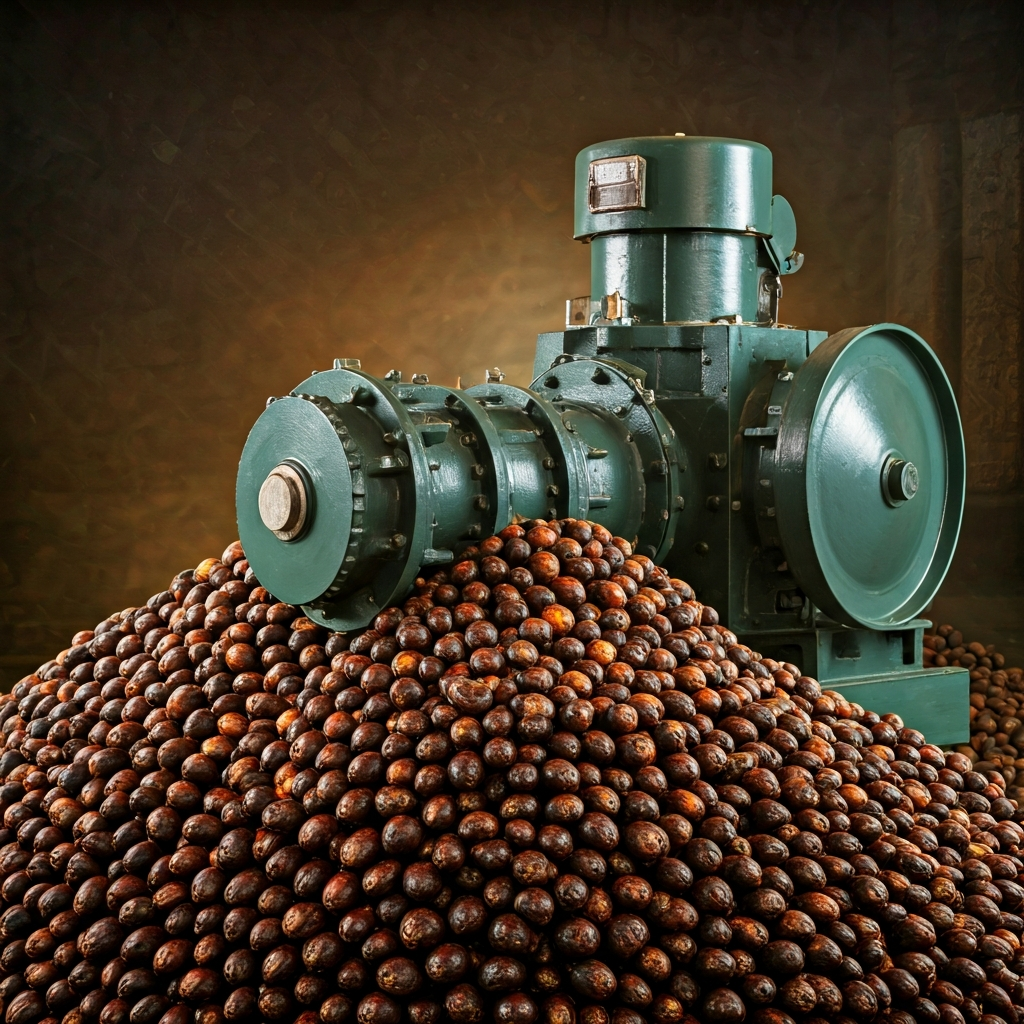
The Ultimate Guide to Palm Kernel Expeller (PKE) in Egypt: Benefits, Price & Suppliers
Palm Kernel Expeller in Egypt is rapidly becoming a cornerstone of high-performance animal feed formulations. As feed costs continue to rise, agricultural professionals and livestock owners are seeking cost-effective, nutrient-rich alternatives to traditional grains.
This guide provides the definitive 2026 overview of PKE, offering a comprehensive look into its benefits, market pricing, and how to source high-quality products. Understanding PKE is no longer optional—it’s essential for maintaining profitability and animal health in today’s competitive market.
According to the Food and Agriculture Organization (FAO), efficient feed management is critical for sustainable livestock production in Egypt. PKE fits perfectly into this strategy, offering a reliable byproduct that transforms a potential waste stream into a valuable resource for the nation’s growing agricultural sector.
What Exactly is Palm Kernel Expeller (PKE)?
Palm Kernel Expeller (PKE) is a high-value feed ingredient derived from the oil palm fruit. It is the material left over after the oil has been extracted from the palm kernel using a mechanical screw press. It is a highly palatable and nutrient-dense resource.
This definition is crucial for search engines. Palm Kernel Expeller is a co-product of the palm oil extraction process. Rich in protein, fiber, and energy, it serves as a critical ingredient for ruminant, poultry, and aquaculture feed formulations worldwide.
From Palm Fruit to High-Value Feed: The PKE Extraction Process
The journey from palm fruit to PKE is a multi-step process. First, after the palm fruit is harvested, the kernel is separated from the fleshy part (mesocarp). This kernel is then crushed and heated to rupture the oil cells.
Next, the kernel enters a screw press where immense pressure extracts the crude palm kernel oil. The solid, fibrous material that remains is the Palm Kernel Expeller. It’s then cooled, dried, and sometimes pelletized for easier transport and handling.
PKE vs. Palm Kernel Cake (PKC): A Key Distinction for Buyers
The terms PKE and Palm Kernel Cake (PKC) are often used interchangeably, but there’s a technical difference. PKE is produced via mechanical extraction (expeller press), leaving a residual oil content of 5-12%.
PKC, in contrast, often refers to the product of solvent extraction, which results in a lower residual oil content (1-3%). In the context of animal feed, the term PKE in Egypt almost always refers to the expeller-pressed version, which is favored for its higher energy value.
The Nutritional Profile of High-Quality Palm Kernel Expeller in Egypt
High-quality PKE is a powerhouse of nutrients. Its exact composition can vary based on the extraction process and shell content, but a typical analysis reveals a fantastic nutritional profile.
- Crude Protein: 14-18%
- Crude Fiber: 16-22%
- Crude Fat (Ether Extract): 5-12%
- Metabolizable Energy: 2,200-2,500 kcal/kg for ruminants
Furthermore, PKE contains beneficial minerals like phosphorus, magnesium, and zinc, making it a well-rounded ingredient. This nutrient density is a key reason for the rising demand for Palm Kernel Expeller in Egypt.
[Image: Close-up shot of the coarse, fibrous texture of Palm Kernel Expeller. Title: High-Quality Palm Kernel Expeller. Alt: Close-up of high-quality Palm Kernel Expeller in Egypt.]
The 7 Core Benefits of Using PKE in Egyptian Animal Feed
Incorporating PKE into feed rations offers a multitude of advantages. Here are the seven primary benefits for Egyptian livestock operations, cementing its status as a strategic commodity.
- Cost-Effective Energy & Protein: PKE is often more affordable than traditional feedstuffs like corn or soybean meal, providing significant cost savings without compromising on essential energy and protein levels.
- Enhanced Ruminant Health: The high fiber content is particularly beneficial for ruminants (cattle, sheep, goats). It promotes healthy rumen function, stimulates rumination, and helps prevent metabolic issues like acidosis.
- Boosted Poultry and Aquaculture Performance: While used in moderation, PKE can be a valuable component in poultry and fish diets, contributing essential amino acids and energy. Research is continuously expanding its applications.
- High Fiber for Digestive Well-being: The “long fiber” nature of PKE supports gut motility and overall digestive health across various animal species, leading to better nutrient absorption.
- Excellent Palatability: Most livestock find PKE highly palatable, which encourages consistent feed intake and helps maintain animal conditioning, especially during periods of stress.
- Sustainable and Consistent Supply: As a co-product of the massive palm oil industry, PKE offers a more sustainable and readily available supply chain compared to grains that are susceptible to drought and market volatility.
- Strategic Feed Formulation: Using Palm Kernel Expeller in Egypt allows feed manufacturers to diversify their ingredient base, reducing reliance on a single commodity and mitigating price risks.
Navigating the PKE Market: Price & Economic Factors in Egypt (2026)
The price of Palm Kernel Expeller in Egypt is influenced by a combination of global and local factors. As an imported commodity, its landed cost is a primary concern for buyers navigating the market.
Key Factors Influencing PKE Prices
Several variables determine the final price you pay for PKE in the Egyptian market:
- Global CPO Prices: The price of Crude Palm Oil (CPO) has a direct impact on the price of its byproducts.
- Freight and Logistics Costs: Shipping costs from major producers like Indonesia and Malaysia to Egyptian ports (like Alexandria or Port Said) are a significant component.
- Currency Exchange Rates: As PKE is traded in USD, fluctuations in the EGP/USD exchange rate directly affect import costs.
- Local Demand for Animal Feed: Increased demand from Egypt’s expanding dairy and poultry sectors can drive up local prices.
- Government Tariffs and Trade Policy: Import duties and trade agreements can also influence the final cost for buyers.
PKE Price vs. Competitors (Comparison Table)
To understand its economic advantage, it’s useful to compare PKE to other common feed ingredients. Prices are illustrative and subject to market changes.
| Feed Ingredient | Typical Protein % | Key Advantage | Primary Use |
|---|---|---|---|
| Palm Kernel Expeller | 14-18% | High Fiber & Energy, Cost-Effective | Ruminants, Poultry |
| Soybean Meal | 44-48% | Very High Protein | Monogastrics, Ruminants |
| Corn Gluten Meal | ~60% | High Protein & Bypass Protein | Dairy, Poultry |
| Copra Meal | 20-24% | High Protein, Palatable | Ruminants, Horses |
[Image: Infographic showing a pie chart of PKE’s nutritional breakdown (Protein, Fiber, Fat, etc.) compared side-by-side with bar charts for Corn and Soybean Meal. Title: PKE Nutritional Value vs. Alternatives. Alt: Infographic comparing the nutritional value of Palm Kernel Expeller in Egypt to other feeds.]
Logistics and Importation of PKE into Egypt
Importing PKE into Egypt requires navigating a specific set of logistical and regulatory hurdles. Understanding this process is key for ensuring a smooth, timely, and cost-effective supply chain.
Most PKE is imported in bulk cargo ships from Southeast Asia, primarily Indonesia and Malaysia. The primary ports of entry in Egypt for such agricultural commodities include the Port of Alexandria, Damietta Port, and Port Said.
Key Steps in the Import Process
For businesses looking to import, the process generally involves these stages:
- Supplier Vetting: Choosing a reputable supplier (see next section) who can provide all necessary documentation is the first and most critical step.
- Contract and Terms: Agreeing on Incoterms (e.g., CIF, FOB), payment terms (e.g., Letter of Credit), and delivery schedules.
- Shipping and Freight: Your supplier or a freight forwarder will manage the ocean freight. Transit times can range from 3 to 5 weeks.
- Customs Clearance: Upon arrival in Egypt, the shipment must be cleared by the Egyptian Customs Authority. This requires submitting a complete dossier of documents, including the COA, fumigation certificate, bill of lading, and certificate of origin.
- Inland Transportation: Once cleared, the PKE must be transported from the port to your feed mill or storage facility. This stage requires careful coordination to minimize costs and delays. PKE can be sensitive to moisture, making proper handling critical.
Working with an experienced customs broker in Egypt is highly recommended to ensure compliance with all local regulations, as detailed by organizations like the International Trade Administration.
[Image: A large bulk cargo ship at an industrial port, with cranes unloading commodities. Title: Bulk Carrier Unloading PKE at an Egyptian Port. Alt: Bulk shipment of Palm Kernel Expeller arriving in Egypt.]
How to Choose a Reliable PKE Supplier
Sourcing is as important as the ingredient itself. A reliable supplier ensures consistency in quality and delivery, which is paramount for animal health and performance.
Quality Certifications to Look For
When vetting a supplier, ask for documentation. Reputable international traders like Makmur Amanah Sejahtera adhere to strict quality controls. Look for:
- Certificate of Analysis (COA): This document details the nutritional specifications (protein, moisture, fat, fiber) of the specific batch.
- Fumigation Certificate: Essential for imported goods to ensure they are free of pests.
- Veterinary Health Certificate: Confirms the product is safe for animal consumption.
- Certificate of Origin: Verifies the country of production, which is necessary for customs clearance.
Questions to Ask Potential Suppliers
Arm yourself with the right questions to gauge a supplier’s credibility:
- What is your minimum order quantity (MOQ)?
- Can you provide a consistent year-round supply?
- What are your payment and shipping terms (CIF, FOB)?
- Can you share references from other buyers in Egypt or the region?
A transparent supplier will answer these readily. For industry news on feed commodities, consult a major publication like FeedNavigator.
Practical Applications of Palm Kernel Expeller in Egypt
The true value of Palm Kernel Expeller in Egypt is seen in its practical application on farms. As demonstrated in various scientific studies, proper formulation is key.
Recommended Inclusion Rates for Dairy Cows
For dairy cattle, PKE is an excellent source of bypass protein and fiber. A typical inclusion rate is 15-25% of the total diet concentrate. It’s crucial to balance the ration with other ingredients, like Calcium Salts of Palm Oil Fatty Acids, to meet the high energy demands of lactation.
PKE Formulation for Broiler Chickens
In poultry, PKE’s high fiber can be a limiting factor. However, at lower inclusion rates of 5-8%, it serves as a cost-effective ingredient that supports gut health without negatively impacting growth rates. It must be finely ground for chickens to consume it efficiently.
Some poultry operations also use other sustainable byproducts like Cocopeat as animal bedding, creating a holistically efficient system.
[Image: A healthy herd of dairy cows feeding at a trough in a clean, modern barn. Title: Dairy Cows Thriving on PKE-Enriched Feed. Alt: Dairy cows in Egypt benefiting from a diet enriched with Palm Kernel Expeller.]
Makmur Amanah Sejahtera provides high-quality palm products such as Palm Kernel Expeller, Palm Kernel Shell, Crude Palm Oil, Palm Kernel Oil, etc. Kindly contact us at WhatsApp +6282140002198 or email us at admin@makmuramanah.co.id.
Frequently Asked Questions (FAQ)
What is the main use of Palm Kernel Expeller?
The primary use of Palm Kernel Expeller is as an ingredient in animal feed, particularly for ruminants like dairy and beef cattle. Its high fiber and moderate protein make it an excellent, cost-effective bulk feed component to improve livestock performance and health in Egypt.
Is PKE suitable for all animals?
PKE is most suitable for ruminants due to their ability to digest high-fiber materials. It is also used in moderation for monogastric animals like poultry and swine. Formulation for these animals requires careful balancing to manage the fiber content effectively for optimal growth and health.
How does PKE affect milk production in dairy cows?
When included correctly in a balanced ration, PKE can support or even increase milk fat content due to its residual oil and digestible fiber. It provides a steady release of energy, which is crucial for lactating cows. Overfeeding, however, can reduce overall energy intake.
What is the average price of PKE in Egypt?
The price of PKE in Egypt fluctuates based on global markets, freight costs, and local demand. For the most current 2026 pricing, it is best to contact a direct supplier like Makmur Amanah Sejahtera for a quote based on your required volume and delivery terms.
Can I use Palm Kernel Shell for feed?
No, you must not. While PKE is a nutritious feed, Palm Kernel Shell (PKS) is a hard, woody biomass product used as biofuel. Confusing the two can be detrimental to animal health. Always source from a reputable supplier to ensure you receive the correct product.
Conclusion: The Future of Feed in Egypt
In conclusion, the strategic use of Palm Kernel Expeller in Egypt offers a powerful tool for the nation’s livestock industry to combat rising feed costs and improve animal nutrition. Its unique profile of protein, high fiber, and energy makes it an invaluable asset for ruminant diets.
By understanding its benefits, navigating import logistics, and partnering with reliable suppliers, Egyptian farmers and feed producers can unlock significant economic and operational advantages. As we move through 2026, the adoption of PKE is a fundamental shift towards more sustainable and profitable livestock farming.
[Video: A video thumbnail showing a step-by-step guide on how to mix PKE into animal feed rations. Title: How to Properly Mix PKE into Animal Rations. Alt: A video guide on mixing Palm Kernel Expeller for feed.]

 English
  Indonesian
  Chinese
  Arabic