
Cocopeat: The Ultimate Guide to What It Is and How to Use It for Thriving Plants
Cocopeat is the revolutionary, soil-free secret weapon that expert gardeners and commercial hydroponic farmers are using in 2026 to achieve astonishing results. If you’re struggling with poor soil quality, inconsistent watering, or lackluster plant growth, you’ve just found the solution. This guide will walk you through everything you need to know to transform your gardening success.
For decades, gardeners have battled with compacted clay, sandy soils that won’t hold water, and the environmental concerns of using peat moss. A 2021 UN report highlighted that soil degradation affects a third of the Earth’s land surface, making high-quality topsoil a dwindling resource.
This challenge, however, brings an incredible opportunity: soilless growing mediums. Among them, coco coir stands out as a sustainable, reliable, and incredibly effective alternative for growing everything from vegetables to exotic houseplants, promising unparalleled water retention and aeration.
What Exactly Is Cocopeat? A Gardener’s Powerhouse
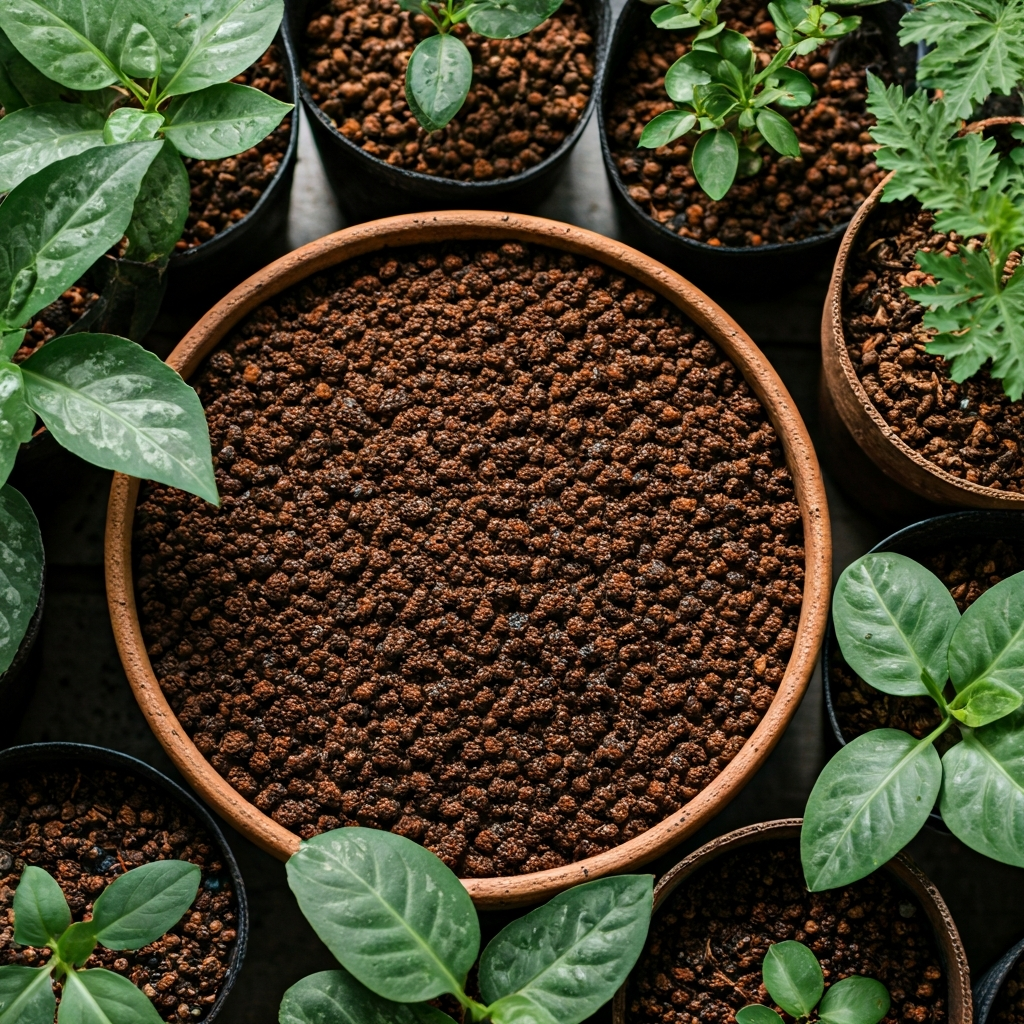
In the simplest terms, cocopeat is a 100% natural growing medium made from the pith inside a coconut husk. It is the part of the coconut that lies between the hard, internal shell and the outer, fibrous coat. Previously considered a waste product, this spongy, lightweight material is now celebrated for its incredible horticultural benefits. It’s often called “coco coir” or “coir pith,” but they all refer to this versatile, soil-like substance.
[Image: A gardener holding a handful of fluffy, rehydrated cocopeat, showing its fine texture. | alt=”A close-up of hydrated cocopeat with a fine, dark texture.” | title=”The texture of prepared cocopeat”]
From Coconut Husk to Growing Medium: The Process
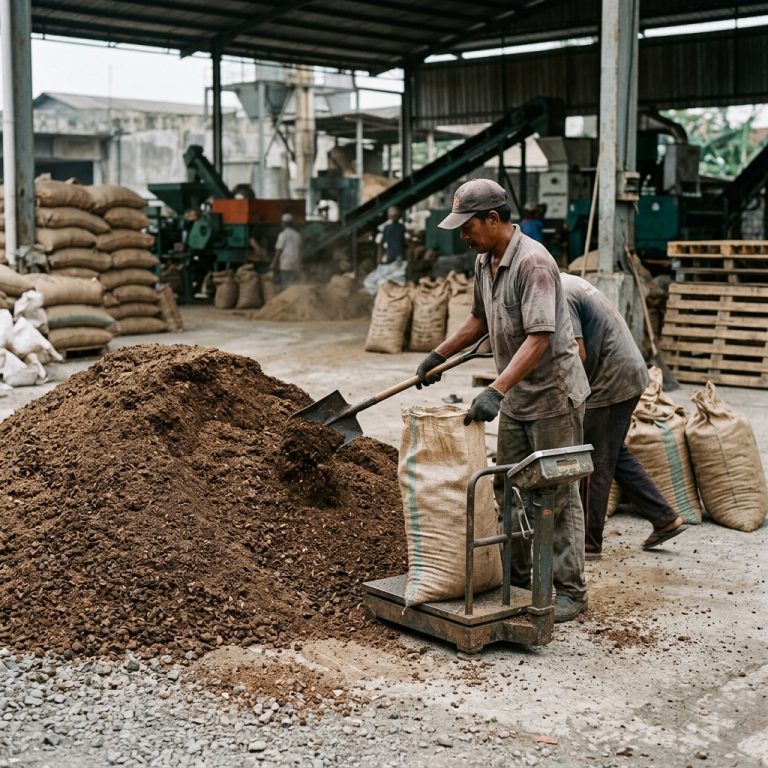
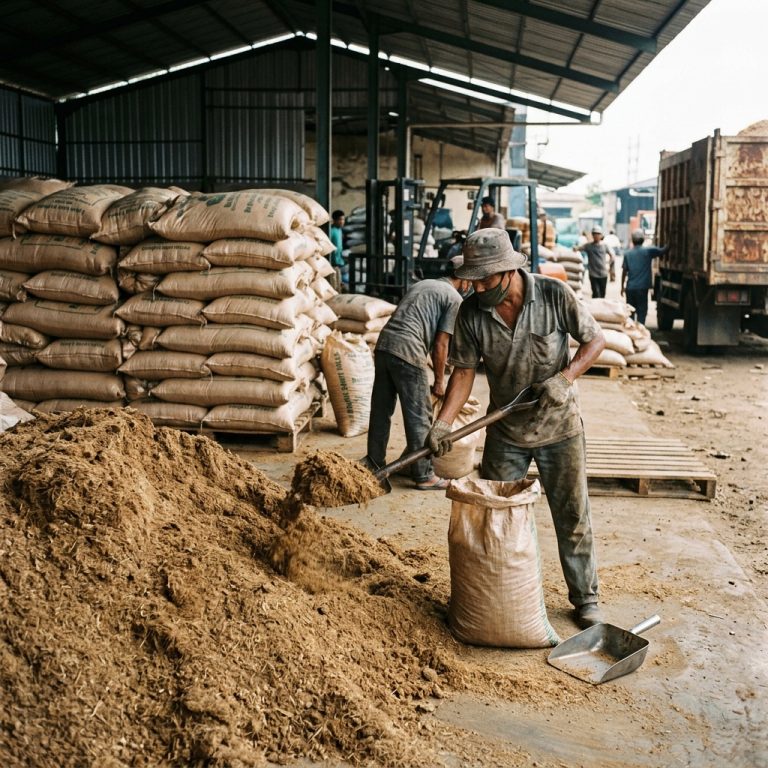
The journey from a coconut on a tree to a bag of growing medium is a fascinating one. After coconuts are harvested, the husks are aged and processed to separate the long fibers (used for ropes and doormats) from the coir pith.
This pith is then washed, dried, and compressed into blocks, discs, or sold loose. High-quality processing is crucial to wash away excess salts, creating a stable and safe medium for plant roots.
The 3 Main Types of Coco Coir
Not all coir is the same. It is typically processed into three distinct types, each with unique properties:
- Coco Pith or Coir Dust: This is the most common type, with a fine, peaty texture. It has excellent water retention, holding up to 8-9 times its weight in water, making it ideal for most potting mixes.
- Coco Fibers: This is the stringy, fibrous part. While it doesn’t hold much water, it allows oxygen to penetrate the root zone, improving aeration and preventing compaction.
- Coco Chips: These are small chunks of the husk that act like bark. They provide the best of both worlds—holding water while creating large air pockets for healthy root development. Many professional mixes use a combination of all three.
Why Use Cocopeat? Top 7 Benefits for Your Garden
The reason for this substrate’s rising popularity is its extensive list of benefits that directly translate to healthier plants and easier gardening.
- Incredible Water Retention: The medium acts like a sponge, absorbing and holding water far better than traditional soil. This means you water less often, and your plants have a consistent supply of moisture.
- Superior Aeration: Even when fully saturated, coco pith remains light and airy. Its unique structure provides plenty of oxygen to plant roots, which is critical for preventing root rot and promoting vigorous growth.
- Neutral pH Level: With a pH range of 5.5 to 6.8, it is slightly acidic to neutral, which is the ideal range for most plants. Unlike peat moss, which is highly acidic, this medium rarely needs pH adjustments.
- Sustainable and Eco-Friendly: As a byproduct of the coconut harvest, it is a renewable resource. Using it helps reduce the pressure on peat bogs, which are critical but fragile ecosystems, as noted by the International Union for Conservation of Nature.
- Reduces Pests and Diseases: This material is naturally anti-fungal and resistant to common soil-borne pests. This means a healthier environment for your plants and less reliance on chemical pesticides.
- Promotes Strong Root Growth: The combination of excellent aeration and an easy-to-penetrate texture allows plant roots to grow freely and establish themselves quickly.
- Reusable Resource: After a growing cycle, high-quality cocopeat can be rinsed, re-buffered if necessary, and used again for several seasons, making it a cost-effective choice.
[Image: Strong, white roots of a tomato plant growing through a coco coir mix in a pot. | alt=”Healthy plant roots in a cocopeat mixture.” | title=”Strong root growth in cocopeat”]
Cocopeat vs. Peat Moss vs. Soil: A Head-to-Head Comparison
Choosing the right growing medium can be confusing. Here’s a direct comparison from the experts at the Royal Horticultural Society to help you decide what’s best for your needs.
| Feature | Cocopeat | Peat Moss | Traditional Soil |
|---|---|---|---|
| Source | Renewable coconut byproduct | Decomposed bog plants (Non-renewable) | Varies (clay, sand, silt, organic matter) |
| Water Retention | Excellent (holds 8-9x its weight) | Very High | Variable, can compact |
| pH Level | Neutral (5.5 – 6.8) | Acidic (3.5 – 4.5) | Highly Variable |
| Sustainability | High | Low | Depends on source |
| Reusability | Yes, for multiple seasons | No, breaks down quickly | Yes, but requires amendment |
| Wetting | Rewets easily | Hydrophobic when dry | Can crust over when dry |
How to Prepare and Use Cocopeat: A Step-by-Step Guide
Using compressed coco coir blocks is incredibly simple, but proper preparation is key to unlocking their full potential.
Step 1: Expanding the Brick
A compressed brick of coir pith expands dramatically when you add water. Place your brick in a large container—a wheelbarrow or a large storage tote works well. Slowly add warm water. A typical 5kg (11 lb) brick will absorb several gallons of water and expand to over 60 liters of fluffy growing medium.
[Video: A time-lapse video showing a 5kg compressed cocopeat brick in a large tub expanding to many times its size as water is added.]
Step 2: Rinsing and Buffering (A Crucial Step for Success)
Low-quality coir can contain high levels of sodium and potassium, which can interfere with nutrient uptake—especially calcium and magnesium. To prevent this, you must rinse and buffer it.
After expanding the brick, flush it with water until it runs clear. For best results, as advised by horticultural experts, soak the hydrated coir in a solution of Calcium Nitrate and Magnesium Sulfate for 8-12 hours, then rinse again. This process, “buffering,” pre-charges the medium with calcium and magnesium, ensuring it doesn’t pull these vital nutrients from your plants. In specialized agriculture, other products like Calcium Salts of Palm Oil Fatty Acids are also used to deliver essential minerals.
Step 3: Creating Your Perfect Potting Mix
Once prepared, your coir is ready. Use it as a standalone medium for hydroponics or create the perfect potting soil. A popular and effective recipe is:
- 50% Coco Pith (for water retention)
- 30% Perlite or Pumice (for extra aeration and drainage)
- 20% Compost or Worm Castings (for nutrients)
This mix creates a well-draining, moisture-retentive, and nutrient-rich environment. The use of agricultural byproducts is resourceful; for example, the hard Palm Kernel Shell is a valuable biofuel, much like coconut husks are for creating this excellent growing medium.
[Image: A side-by-side comparison showing a dense, compressed coco coir brick next to a large pile of the expanded, ready-to-use medium. | alt=”A compressed cocopeat brick before and after adding water.” | title=”Cocopeat expansion”]
Makmur Amanah Sejahtera provides high-quality palm products such as Palm Kernel Expeller, Palm Kernel Shell, Crude Palm Oil, Palm Kernel Oil, etc. Kindly contact us at WhatsApp +6282140002198 or email us at admin@makmuramanah.co.id.
Frequently Asked Questions (FAQ)
Is cocopeat better than soil?
For container gardening and hydroponics, it’s often superior to soil because it offers better control over moisture and aeration, and it’s free of pests and weeds. For in-ground gardens, it’s best used as an amendment to improve existing soil structure.
Do I need to add fertilizer when using coco coir?
Yes. Coco coir is an inert medium with no nutritional value. You must provide all nutrients your plants need via liquid fertilizers, slow-release granules, or by mixing it with compost. This gives you complete control over your plant’s nutrition.
How long does this growing medium last?
It breaks down very slowly due to its high lignin content. It remains effective as a growing medium for at least three to four years before needing to be replaced, making it a very durable and cost-effective choice for gardeners.
Can this substrate be reused?
Absolutely. One of its great advantages is reusability. After harvesting your plants, simply shake the old roots out, rinse the material thoroughly, and you can re-buffer it for the next crop. This practice makes it a highly sustainable option.
What is the difference between cocopeat and coco coir?
The terms are often used interchangeably. “Coco coir” refers to all products from the coconut husk (fibers, chips, pith). “Cocopeat” is the fine pith material used as the growing medium. The industry efficiently uses byproducts, creating materials like Palm Kernel Expeller and Copra Meal from other crop processes.
[Image: An infographic titled “The Cocopeat Lifecycle” showing a circular diagram: 1. Harvest Coconut, 2. Process Husk, 3. Compress Brick, 4. Expand & Plant, 5. Reuse Medium. | alt=”Infographic of the sustainable lifecycle of cocopeat.” | title=”The Cocopeat Lifecycle”]
Conclusion: Your Partner for a Thriving Garden in 2026
As we’ve explored, cocopeat is far more than just a waste product—it’s a horticultural game-changer. Its superior water retention, excellent aeration, neutral pH, and sustainable nature make it an ideal choice for gardeners aiming for exceptional results. By properly preparing and using it, you can create the perfect growing environment for healthier roots and more vibrant plants.
Whether you are a beginner looking to simplify watering or an expert optimizing a hydroponic setup, embracing cocopeat is a surefire step towards a more productive and rewarding gardening experience. Make the switch today and see why this amazing medium from the humble coconut is the key to thriving plants in 2026 and beyond.
 English
  Indonesian
  Chinese
  Arabic