
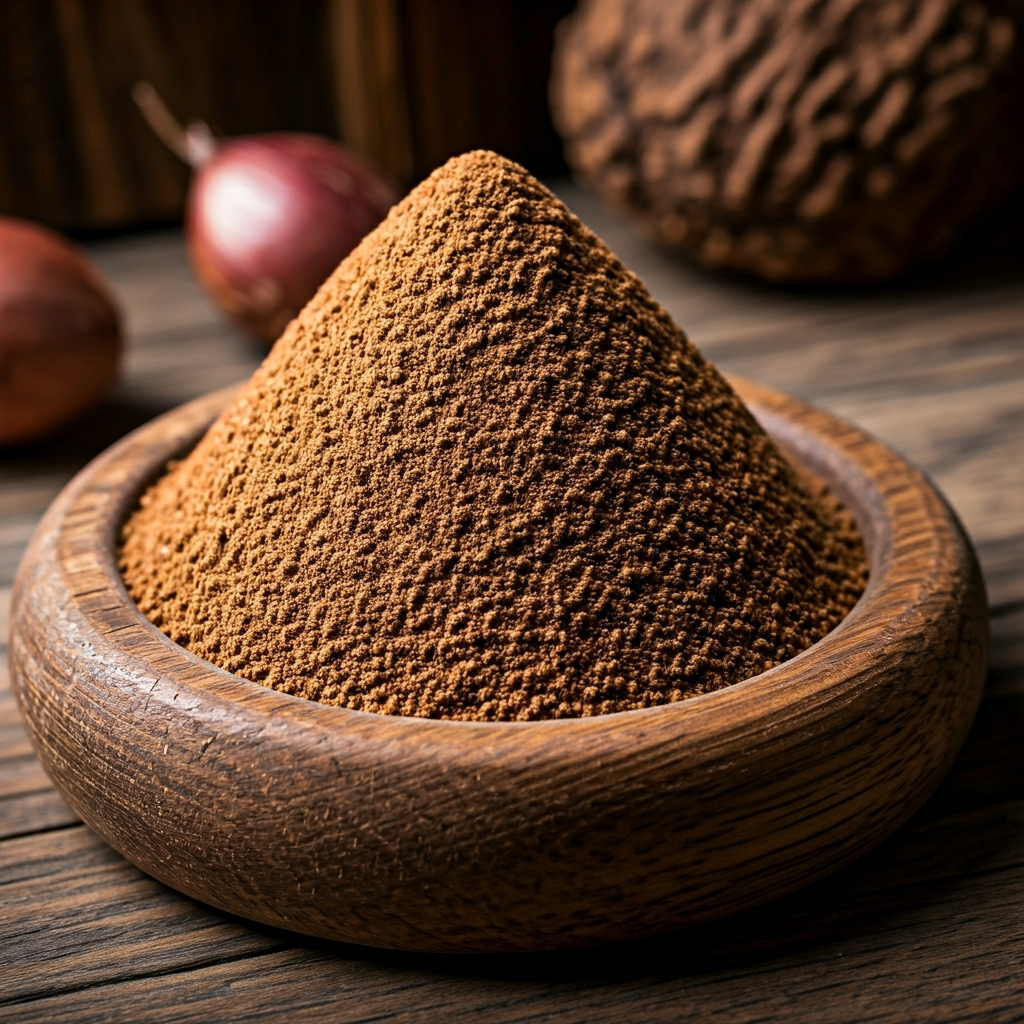
Copra Meal: The Ultimate Guide to Benefits & Uses (2026)
Copra Meal is one of the most cost-effective and valuable feed ingredients in the agricultural industry, yet many livestock producers overlook its immense potential. Failing to understand its benefits means missing out on a powerful tool to improve animal health and reduce operational costs.
This guide provides a comprehensive look into everything you need to know about this powerful coconut byproduct. As global demand for sustainable feed grows, leveraging copra meal effectively is no longer just an option—it’s a strategic necessity for forward-thinking farm operations in 2026 and beyond.
What Exactly is Copra Meal? A Deep Dive
Copra meal is the protein-rich material left after oil is extracted from dried coconut flesh (copra). Often called coconut meal or copra cake, it’s a sustainable, economical, and nutrient-dense byproduct of the coconut oil industry, widely used as an effective animal feed ingredient for livestock globally.
The global production of coconuts is immense, exceeding 62 million metric tons annually. This scale ensures a consistent and reliable supply of high-quality meal for the feed industry, making it a staple in tropical regions where coconuts are a primary agricultural commodity.
From Coconut to High-Protein Meal: The Production Process
The journey from a fresh coconut to nutritious animal feed is a fascinating, multi-step process. First, the mature coconut is harvested and de-husked. The internal kernel is then split open and dried to reduce its moisture content from over 50% to below 6%, a critical step that creates the “copra.”
This drying process can be done through traditional sun-drying, smoke-drying, or more modern kiln-drying, which allows for greater quality control. Once dried, the copra is ready for oil extraction, a step that directly defines the nutritional quality of the final Copra Meal.
Mechanical vs. Solvent Extraction: What’s the Difference?
There are two primary methods for extracting oil from copra, each yielding a meal with distinct characteristics that suit different nutritional strategies:
- Mechanical Extraction (Expeller Pressed): This is the most common method, where the copra is physically pressed under immense pressure to squeeze out the oil. The resulting meal, often called “copra cake” or “copra expeller,” typically retains a higher residual oil content (8-12%), making it richer in energy.
- Solvent Extraction: In this industrial process, a solvent (usually food-grade hexane) is used to dissolve the oil from the copra. This method is more efficient at oil removal, resulting in a meal with a very low residual oil content (1-3%) and slightly higher protein concentration.
For most livestock applications, the mechanically extracted meal is preferred due to its superior energy value from the healthy residual oil.

The Powerful Nutritional Profile of Copra Meal
The primary reason for copra meal’s widespread use is its excellent nutritional composition. While exact values vary based on the extraction process and coconut origin, it is a reliable source of protein, energy, and fiber that offers unique advantages over other feedstuffs.
Its unique properties make it more than just a filler. The specific types of protein and fat it contains offer strategic advantages that other sources lack, a fact confirmed by extensive data in resources like the Feedipedia database.
Macronutrient Breakdown: Protein, Fiber, and Fat
Copra Meal is considered a good source of vegetable protein, typically ranging from 20-25%. While its protein quality is lower than soybean meal due to a deficiency in lysine, it is rich in other essential amino acids. Crucially, a significant portion of its protein is “rumen bypass protein,” which is highly beneficial for ruminants.
The fiber content is high (12-16%), which aids in proper gut health and digestion, particularly for ruminants. The residual oil, primarily composed of medium-chain fatty acids (MCFAs) like lauric acid, provides a readily available energy source and possesses natural antimicrobial properties.
Key Benefits of Using Copra Meal in Animal Feed
Integrating this coconut byproduct into livestock diets offers a range of advantages, from improved animal performance to enhanced economic and environmental sustainability. These benefits make it a compelling choice for modern agriculture.
To summarize, the primary advantages observed by nutritionists include:
- High Energy Content: The residual oil provides a dense source of energy for livestock.
- Improved Gut Health: Lauric acid and other MCFAs have natural antimicrobial properties that support a healthy gut microbiome.
- High Bypass Protein: It is an excellent source of bypass protein for ruminants, improving milk and meat production.
- Cost-Effectiveness: It is often more affordable than other protein sources like soybean meal, reducing overall feed costs.
Benefits of Copra Meal for Ruminants (Cattle, Goats)
For ruminants like cattle, sheep, and goats, this feed is particularly valuable. Its high bypass protein content allows it to escape digestion in the rumen and be absorbed in the small intestine. This provides essential amino acids directly to the animal for muscle growth and milk synthesis.
According to a study in the Journal of Animal Science and Biotechnology, this characteristic can lead to verifiable improvements in milk production and daily weight gain.
A Sustainable Choice for Poultry and Swine Diets
In monogastric animals like poultry and swine, Copra Meal serves as a cost-effective partial replacement for more expensive protein sources. Its high fiber content can be beneficial in layer hen diets, helping to reduce feather pecking and improve gut motility, leading to calmer, healthier flocks.
Furthermore, the presence of lauric acid contributes to a healthier gut microbiome, potentially reducing the need for other feed additives.

The Economic Advantage of Copra Meal
Beyond its nutritional benefits, copra meal presents a strong economic case for livestock producers. In a market with volatile commodity prices, securing a stable, cost-effective feed ingredient is a major competitive advantage.
By strategically replacing a portion of more expensive ingredients like soybean or corn, farmers can significantly lower their feed-related expenditures. This cost reduction, achieved without sacrificing animal performance, directly translates to improved profitability and a healthier bottom line for the farm operation.
Practical Applications: How to Formulate with Copra Meal
Effectively incorporating this ingredient into feed requires understanding the appropriate inclusion rates and how to balance the overall ration. While it’s highly beneficial, it’s not a standalone feed and must be used as part of a scientifically formulated diet to achieve optimal results.
Recommended Inclusion Rates for Different Species
Inclusion levels vary depending on the animal species, age, and production goals. Here are some general guidelines recognized by industry experts:
- Dairy Cattle: Can be included up to 20-25% of the concentrate mix to boost milk fat and protein.
- Beef Cattle: Often used at 15-20% in finishing rations for improved marbling and weight gain.
- Poultry (Broilers): Recommended at a conservative 5-10% of the total diet to maintain growth rates.
- Poultry (Layers): Can be used up to 15% to improve egg yolk color and support gut health.
- Swine: Typically included at 5-15%, with lower rates for starter pigs and higher rates for finishers.
- Aquaculture (e.g., Tilapia): Used as a plant-based protein source at levels of 10-20% of the feed.
Formulating a Balanced Ration
When formulating a ration containing Copra Meal, it’s crucial to balance the amino acid profile. This typically involves supplementing the feed with synthetic lysine to meet the animal’s requirements. Partnering with an animal nutritionist can help ensure the diet is perfectly balanced for maximum performance and health.
Moreover, comparing it to other ingredients is vital. For a deeper look at the product itself, you can find specific information here: Copra Meal.
Copra Meal vs. Other Protein Sources
To fully appreciate its value, it’s helpful to compare it against other common protein sources, such as soybean meal and Palm Kernel Expeller (PKE). Each ingredient has a unique nutritional profile, and the best choice often depends on price, availability, and the specific needs of the livestock.
| Nutrient | Copra Meal | Soybean Meal | Palm Kernel Expeller |
|---|---|---|---|
| Crude Protein (%) | 20-25% | 44-48% | 15-18% |
| Crude Fiber (%) | 12-16% | 5-7% | 16-18% |
| Crude Fat (%) | 8-12% | 1-2% | 8-10% |
| Lysine (g/kg) | ~5.5 | ~28.5 | ~6.0 |

Potential Limitations and Quality Control
While the benefits are substantial, there are important considerations to ensure its safe and effective use. Quality control is paramount, as low-quality meal can pose risks to animal health and negate any potential gains.
As with any feed ingredient, sourcing from a reputable supplier who adheres to strict quality standards is non-negotiable. This applies to other byproducts as well, whether it’s the bedding material like Cocopeat or an energy source like Palm Kernel Shell.
Understanding Aflatoxin Risks
One of the main concerns with copra is its susceptibility to aflatoxin contamination if not dried and stored properly. Aflatoxins are toxic compounds produced by certain molds (Aspergillus flavus). High-quality suppliers, as documented by industry authorities like FeedNavigator, conduct rigorous testing to ensure their products are safe and well below the maximum allowable limits set by regulatory bodies like the USDA.
Balancing Rations Correctly
As highlighted, this feed ingredient is relatively low in the essential amino acid lysine. Therefore, rations must be carefully balanced by a nutritionist to avoid deficiencies that could impair growth and production. It should be seen as a component of a larger puzzle, not the whole solution.
Makmur Amanah Sejahtera provides high-quality palm products such as Palm Kernel Expeller, Palm Kernel Shell, Crude Palm Oil, Palm Kernel Oil, etc. Kindly contact us at WhatsApp +6282140002198 or email us at admin@makmuramanah.co.id.
Frequently Asked Questions
What is copra meal primarily used for?
Copra meal is primarily used as a protein and energy source in animal feed for livestock. It is especially popular for ruminants like cattle due to its high bypass protein, but it is also widely used in diets for poultry, swine, and even aquaculture.
Is copra meal good for chickens?
Yes, it can be very beneficial for chickens, especially laying hens, when included at appropriate levels (5-15%). Its high fiber content can help improve gut motility and reduce pecking, while its oil content can enhance egg yolk color.
What is the difference between copra meal and coconut flour?
While both come from the coconut kernel, copra meal is produced for animal feed and retains higher oil and fiber. Coconut flour is produced for human consumption, is much finer, and has most of the oil removed, resulting in a different nutritional profile.
How much protein is in copra meal?
The crude protein content typically ranges from 20% to 25%. The exact percentage can vary depending on the coconut’s origin and the oil extraction method used, a fact you can verify on its Wikipedia page.
Can copra meal replace soybean meal completely?
No, it cannot completely replace soybean meal in most high-performance diets due to its lower concentration of essential amino acids like lysine. However, it serves as an excellent partial substitute to reduce feed costs while maintaining performance when the ration is properly balanced.
Conclusion: The Smart Choice for Modern Farming
In conclusion, Copra Meal stands out as a highly effective, sustainable, and economical feed ingredient for a wide range of livestock. Its unique nutritional profile, characterized by high bypass protein and energy-rich residual oil, offers tangible benefits for animal health, performance, and producer profitability.
By understanding its applications, benefits, and limitations, farmers and feed formulators can unlock its full potential. As we move further into 2026, leveraging such valuable byproducts is key to building a more resilient and efficient agricultural future. Incorporating high-quality Copra Meal is not just a good decision; it’s a strategic investment in the success of your operation.



 English
  Indonesian
  Chinese
  Arabic