

The Ultimate Guide to GACC Approved PKE for China Exports
Securing a reliable supply of GACC Approved PKE is the single most critical factor for successfully exporting this valuable feed ingredient to China in 2026. Without it, your shipments face guaranteed rejection, costing you time, money, and market access. This guide provides the complete roadmap to navigating China’s complex regulations and ensuring your Palm Kernel Expeller meets every requirement.
The process of exporting agricultural products to China has become increasingly stringent. The General Administration of Customs of the People’s Republic of China (GACC) acts as the gatekeeper. It enforces rigorous standards to protect the country’s biosecurity and food safety. For exporters of Palm Kernel Expeller, understanding these rules isn’t just beneficial—it’s mandatory.
What is GACC and Why is it Crucial for PKE Exports?
GACC is the unified administrative body overseeing all import-export inspection and quarantine duties for China. It consolidates the functions of the former AQSIQ (General Administration of Quality Supervision, Inspection and Quarantine). For feed ingredients like PKE, GACC is the only authority that matters.
Essentially, any overseas facility that produces, processes, or stores feed ingredients destined for China must be registered and approved by GACC. This registration is the foundation of market access. A shipment from a non-registered facility will be turned away at the port, no exceptions. This makes finding a GACC Approved PKE supplier the first and most vital step.
From AQSIQ to GACC: A Brief History
Veterans of the export industry will remember the name AQSIQ. In 2018, a major institutional reform in China merged AQSIQ into the new GACC. This move was designed to streamline customs clearance and centralize oversight.
While the name changed, the core mission of strict quality and safety control remained. This consolidation means that all previous AQSIQ circulars and approved lists migrated to the GACC framework. Therefore, searching for “AQSIQ approved PKE” now leads to the current GACC registration system.
The Role of GACC in Ensuring Feed Safety in China
GACC’s primary mandate is to prevent the introduction of animal and plant diseases, pests, and contaminated products. For PKE, this involves a multi-faceted approach to risk management:
- Facility Audits: GACC officials or designated auditors inspect overseas production facilities to ensure they meet specific hygiene and processing standards for producing GACC Approved PKE.
- Product Testing: Shipments are regularly tested for contaminants like aflatoxins, heavy metals, and prohibited substances, as defined by China’s national standards.
- Traceability: The registration system creates a clear chain of custody from the production facility to the Chinese importer, allowing for rapid-response recalls if an issue is detected.
By controlling the source, GACC ensures that only safe, high-quality PKE enters the Chinese animal feed supply chain. Working with a GACC Approved PKE producer is your assurance of meeting these non-negotiable standards.
Core GACC Requirements for GACC Approved PKE in 2026
Complying with GACC involves more than just a registration number. Exporters must adhere to a set of comprehensive rules, primarily outlined in GACC Decrees 248 and 249. These govern facility registration and food safety, respectively.
Facility Registration (Decree 248)
This is the cornerstone of GACC compliance. Decree 248, which came into full effect on January 1, 2022, requires all foreign food-related production, processing, and storage facilities to be registered with GACC.
PKE manufacturers fall under a “high-risk” category. This requires a direct recommendation and audit process facilitated by the competent authority of the exporting country (e.g., the Ministry of Agriculture).
Understanding Aflatoxin Limits and Testing
One of the most significant technical barriers for PKE is the strict limit on mycotoxins, particularly aflatoxin B1. China’s national feed standard (GB 13078) sets specific maximum levels that are often stricter than in other markets.
Every batch of GACC Approved PKE must be tested to prove compliance. A failure to meet these levels will result in the immediate rejection of your cargo. Reputable suppliers conduct pre-shipment testing and can provide certificates of analysis to verify quality before the product even leaves the port.
Product Inspection and Quarantine Protocols
Every shipment of PKE must be accompanied by specific documentation. This includes a phytosanitary certificate issued by the exporting country’s government agency, attesting that the product is free from specific pests.
Furthermore, upon arrival in China, the shipment is subject to inspection and sampling by local GACC officials. They verify documents and may perform their own laboratory tests to confirm the product’s specifications.
Labeling and Packaging Standards for GACC Approved PKE
GACC has strict rules for how PKE bags or containers must be labeled. The information must be accurate, clear, and presented in both Chinese and English. Key required elements include:
- Product Name (Palm Kernel Expeller)
- The GACC registration number of the manufacturing facility
- Net Weight
- Date of Production and Batch Number
- Name and address of the manufacturer
Failure to comply with these labeling requirements can lead to delays. In a worst-case scenario, it could force the importer to re-label the entire shipment at the port, incurring significant costs.
Finding the Official List of GACC Approved PKE Suppliers
One of the most frequent challenges for importers is verifying a supplier’s GACC status. The only definitive source is the official GACC database. Relying on a supplier’s word or a potentially outdated certificate is a major and unnecessary risk.
How to Access and Navigate the GACC Database
GACC maintains a public, searchable database of all registered overseas facilities, accessible through the “CiferQuery” system. While the interface can sometimes be challenging, it is the ultimate source of truth. As documented by the World Trade Organization, such public databases are key to trade transparency.
You can search by country, product category, and registration number. This allows you to confirm a facility is listed and that its approval is current before committing to a contract for GACC Approved PKE.
Verifying a Supplier’s GACC Registration Number
When a potential supplier claims to provide GACC Approved PKE, ask for their registration number. Cross-reference this number in the GACC database. Ensure the company name, address, and approved product scope (which must explicitly include Palm Kernel Expeller) match exactly. Any discrepancy is a major red flag.
PKE vs. Other Animal Feed Ingredients for the Chinese Market
Understanding where PKE fits into the broader landscape of feed ingredients is key for strategic sourcing. Each product has different nutritional profiles, costs, and regulatory hurdles when being imported into China.
| Attribute | Palm Kernel Expeller (PKE) | Copra Meal | Soybean Meal |
|---|---|---|---|
| Primary Use | Ruminant feed (cattle), biofuel | Ruminant & monogastric feed | Poultry and swine feed |
| Protein Content | 14-18% | 20-24% | 44-48% |
| Key GACC Concern | Aflatoxin levels, facility registration for GACC Approved PKE | Aflatoxin levels, Salmonella | GMO status, quarantine pests |
| Market Price | Generally lower | Moderate | Higher (protein premium) |
While PKE offers a cost-effective solution for cattle feed, its GACC regulation is just as strict as other ingredients. For more on PKE quality, refer to studies from authoritative sources like the Journal of Industrial Crops and Products. Other additives like Calcium Salts of Palm Oil Fatty Acids also have their own specific import requirements.
Common Mistakes When Importing PKE into China
Navigating the GACC landscape can be treacherous. Here are some common and costly mistakes that importers and exporters make when not sourcing proper GACC Approved PKE:
- Incomplete or Mismatched Documentation: Even minor discrepancies between the Bill of Lading, Certificate of Origin, and Phytosanitary Certificate can cause significant customs delays. Ensure all documents are perfectly aligned.
- Using a Trader, Not a Verified Producer: Some trading companies may claim to have GACC approval, but they might source from various unlisted facilities. You must verify that the specific production facility is on the GACC approved list.
- Ignoring Packaging & Labeling Rules: Using bags without the required bilingual Chinese/English labels or the correct GACC registration number is a simple mistake that can hold up a shipment for weeks while it is rectified.
- Poor Quality Control: Assuming the product meets specifications without third-party testing is extremely risky. High moisture or aflatoxin levels detected upon arrival will result in the destruction of the cargo. Always demand a pre-shipment Certificate of Analysis from a trusted source for your GACC Approved PKE.
As noted by leading industry publications like FeedNavigator, regulatory compliance remains the top challenge for feed ingredient exporters to China.
Frequently Asked Questions (FAQ)
What is the difference between GACC and AQSIQ?
GACC is the current authority, The General Administration of Customs of China. AQSIQ was the former quality supervision body that was merged into GACC in 2018. All responsibilities and registrations previously under AQSIQ are now managed by GACC, the single consolidated authority.
How often is the GACC approved list updated?
The GACC database is updated dynamically as new facilities are approved, suspended, or de-listed; it does not follow a fixed schedule. Therefore, you must check the live database before finalizing any contract or shipment to ensure your supplier’s status is currently active and approved.
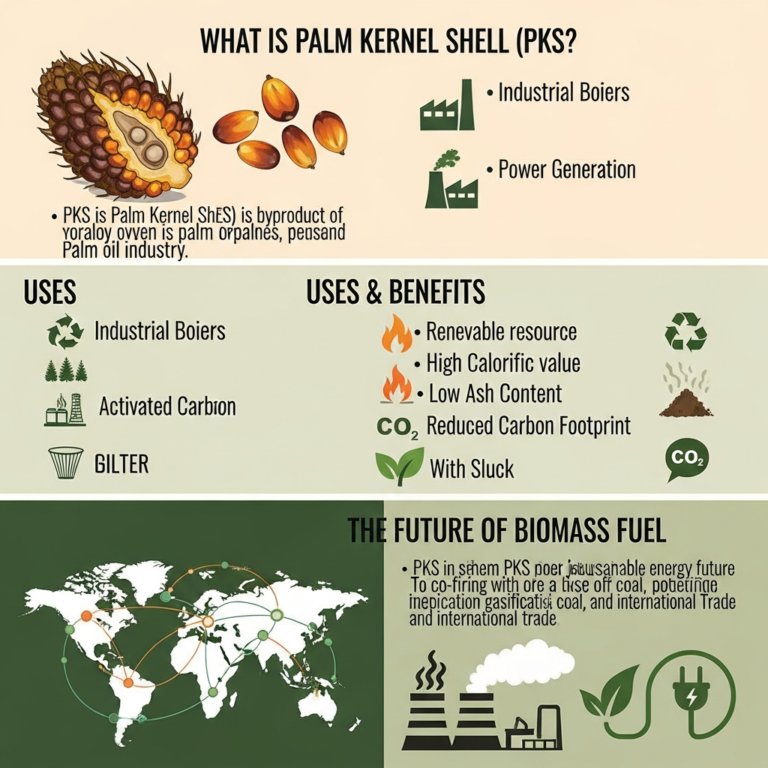
Can I export other palm products like Palm Kernel Shell under the same PKE registration?
No. GACC registration is product-specific. A facility approved for “Palm Kernel Expeller” is not automatically approved for Palm Kernel Shell. Each product category must be explicitly listed under the facility’s approved scope in the GACC database for legal export to China.
What are the consequences of a failed GACC inspection at a Chinese port?
If a PKE shipment fails inspection, GACC can order one of three outcomes: return the shipment to its origin, destroy the shipment, or (in rare cases of minor non-compliance) allow for remediation. All associated costs are borne by the shipper or importer, representing a significant financial loss.
How do I check the official GACC website for approved exporters?
You can verify suppliers of GACC Approved PKE using the GACC’s “CiferQuery” system. Navigate to the “Registration Information of Overseas Manufacturers of Imported Food” section. You can then search by country and product type to see the full list from a specific country, like Indonesia.
Your Partner for Compliant PKE Exports to China
In conclusion, the key to the Chinese market is meticulous compliance. The entire export process for PKE hinges on sourcing from a verified supplier of GACC Approved PKE. From facility registration under Decree 248 to precise labeling and passing stringent quarantine inspections, you must handle every step with expertise.
By understanding the requirements, diligently verifying suppliers through the official GACC database, and partnering with experienced manufacturers, you can mitigate risks and build a sustainable export business. Always prioritize sourcing genuine GACC Approved PKE to ensure your success in the demanding but rewarding Chinese market for 2026 and beyond.
 English
  Indonesian
  Chinese
  Arabic