
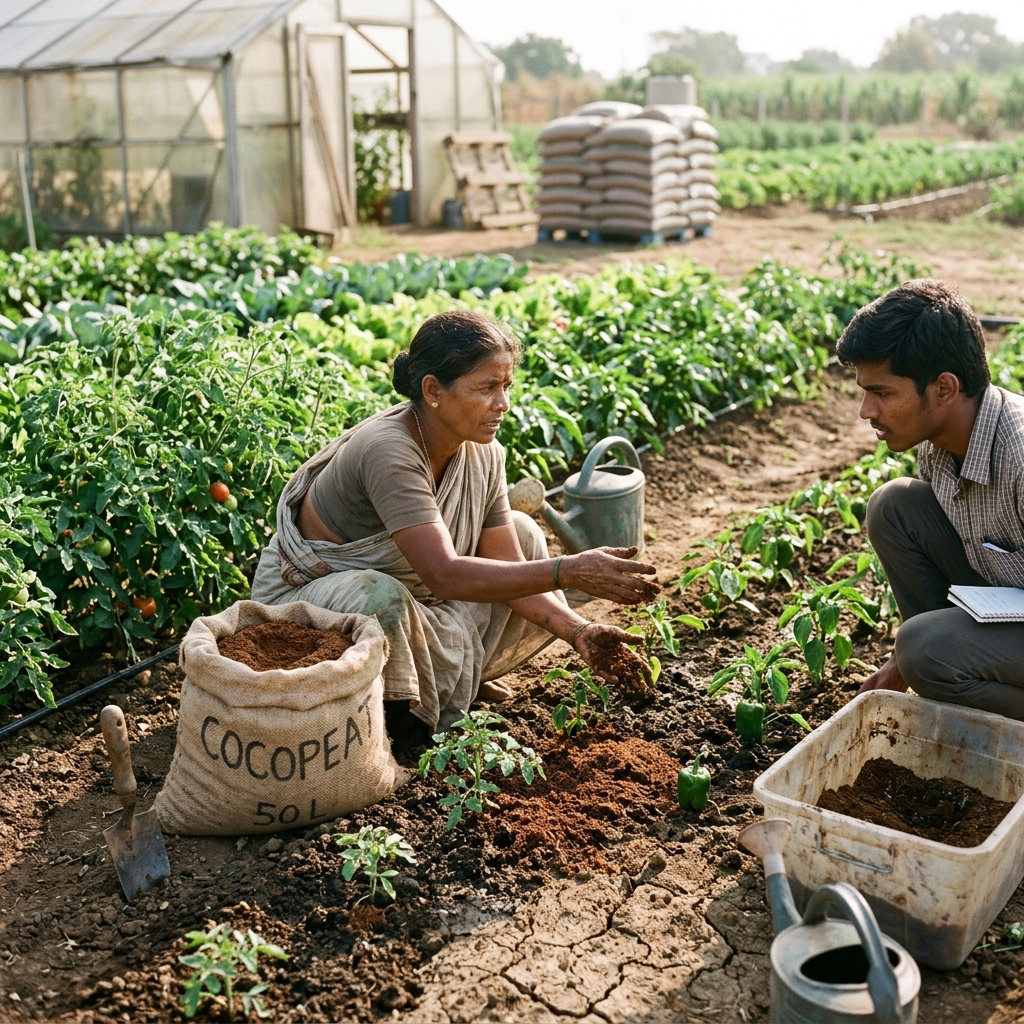
Understanding what is cocopeat used for can completely transform how you cultivate plants, optimize soil hydration, and build resilient root structures in modern commercial and home agriculture.
As global growers move toward sustainable practices, coconut coir dust has become an indispensable foundation for commercial farming, urban horticulture, and hydroponic nutrient management.
Cocopeat (also known as coco coir dust) is a natural, renewable growing medium processed from coconut husks. It is primarily used for soil conditioning, moisture retention, seedling germination, and hydroponic farming. Serving as an eco-friendly alternative to peat moss, cocopeat holds up to eight times its weight in water while maintaining ideal root aeration.
According to research published by the Food and Agriculture Organization (FAO), repurposing coconut processing byproducts into agricultural inputs significantly reduces environmental waste while delivering long-term soil structure improvements. In this comprehensive 2026 guide, you will learn exact applications, scientific mixing ratios, and expert soil hacks to maximize crop performance.
What Is Cocopeat Used For in Commercial & Home Agriculture?
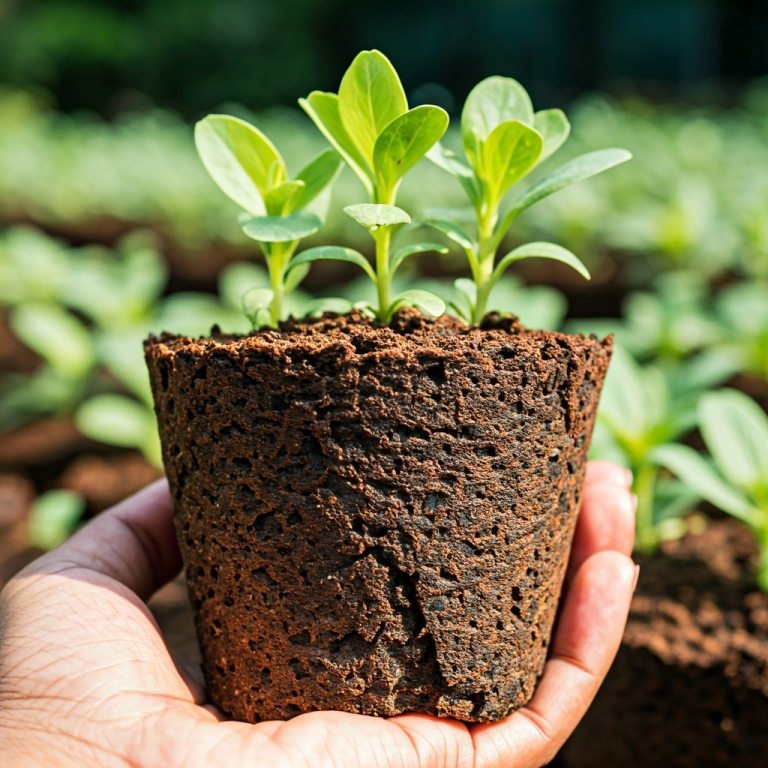
[Image: High-grade commercial cocopeat substrate used in modern agricultural operations | Alt Text: Detailed view explaining what is cocopeat used for in commercial agriculture substrate blends | Title: What Is Cocopeat Used For in Agriculture]
Commercial growers rely heavily on coir dust because of its cellular resilience and favorable cation exchange properties. Unlike topsoil, coir does not compact easily over time, which ensures plant root zones receive consistent oxygenation.
When asking what is cocopeat used for across large-scale nurseries and residential gardens, agriculturalists group its main functions into several specialized applications:
- Potting Substrate Base: Serves as a lightweight medium for greenhouse container crops, drastically reducing freight weight and shipping costs.
- Seed Germination Medium: Fine-mesh coir dust supports fragile seedling root systems, accelerating germination speed and minimizing transplant shock.
- Soil Structure Conditioner: Loosens heavy clay soils to enhance drainage while dramatically raising the moisture holding capacity of sandy soils.
- Absorbent Bedding Material: Functions effectively as animal bedding and worm bedding due to high moisture absorbency and chemical neutrality.
Controlled peer-reviewed studies available on ScienceDirect show that crops grown in buffered coir substrates experience enhanced root expansion and significantly reduced fungal root rot pressures compared to heavy soil media.
Primary Agricultural Applications of Coconut Coir Dust
In modern agricultural production, understanding what is cocopeat used for involves looking at root zone dynamics. Coir micro-fibers create an environment where moisture and air coexist without competing for pore space.
Using high-grade cocopeat substrate allows commercial nurseries to maintain uniform watering schedules while protecting vulnerable roots from dampening-off pathogens.
What Is Cocopeat Used For in Hydroponic Systems?
In soilless farming systems, exact nutrient control is critical to achieving target yields. Hydroponic managers choose coir because it offers a sterile, inert base with natural pH stability (5.5 to 6.5).
Because coir holds moisture while releasing excess water freely, it eliminates root drowning risks in drip irrigation systems. Monitoring electrical conductivity (EC) becomes effortless, giving growers complete command over plant nutrition.
7 Proven Soil Hacks: What Is Cocopeat Used For to Maximize Yields?
Incorporating processed coir into your soil blends yields direct physiological advantages for indoor and outdoor crops. Below are seven proven techniques explaining what is cocopeat used for when optimizing plant growth:
- Supercharging Water Retention in Sandy Soils: Mixing coir into dry soils increases water storage capacity by up to 800%, cutting irrigation demand by 30%.
- Preventing Aeration Loss & Soil Compaction: Coir retains 15% to 20% air porosity even when fully saturated, preserving oxygen pathways for root respiration.
- Buffering Micronutrients for Hydroponics & Containers: Properly buffered coir provides steady exchange sites for essential calcium and magnesium ions.
- Optimizing Potting Mix Ratios for Indoor Plants: Blending coir with perlite creates a lightweight, moisture-balanced medium tailored for indoor potted foliage.
- Creating Pathogen-Free Seedling Starter Blends: Heat-treated coir suppresses soil-borne pests, weed seeds, and harmful fungal pathogens during propagation.
- Reusing Substrate Across Multi-Cycle Harvesting: Lignin-rich coir fibers resist microbial degradation, enabling growers to reuse media for 3 to 5 crop cycles.
- Eco-Friendly Sustainable Alternative to Peat Moss: Harvested sustainably from coconut husks, coir preserves delicate wetland peat bogs while offering superior performance.
To evaluate performance characteristics, reference the comparative guidelines established by Penn State University Agricultural Extension for media selection:
| Physical Property | Cocopeat (Coconut Coir) | Sphagnum Peat Moss | Standard Topsoil |
|---|---|---|---|
| Sustainability | 100% Renewable Byproduct | Non-Renewable Peat Bogs | Variable / Topsoil Loss |
| pH Range | 5.5 – 6.5 (Optimal Neutral) | 3.5 – 4.5 (Highly Acidic) | 6.0 – 7.5 (Variable) |
| Water Holding Capacity | Very High (8x dry weight) | High (10x dry weight) | Low to Moderate |
| Reusability Lifespan | 3–5 Crop Cycles | 1–2 Crop Cycles | Degrades / Compacts Quickly |
| Compaction Resistance | Exceptional | Moderate | Poor |
How to Mix Cocopeat with Soil for Potted Plants & Gardens
[Infographic: Visual guide on how to mix cocopeat with soil for potted plants showing exact ratios for vegetables, houseplants, and succulents | Alt Text: Infographic illustrating what is cocopeat used for in soil ratio preparation | Title: Potting Mix Ratios Infographic]
Using raw coir directly without organic additives can hamper root growth because unamended coir contains minimal inherent nitrogen, phosphorus, or potassium. Learning how to mix cocopeat with soil for potted plants ensures balanced nutrition.
Follow these tested blending ratios to prepare high-performing garden substrates:
- Houseplants & Indoor Greenery: Blend 40% hydrated coir, 40% quality potting soil, and 20% worm castings for optimal indoor foliage performance (discovering cocopeat benefits for indoor plants firsthand).
- Vegetables & Outdoor Container Beds: Combine 30% hydrated coir, 50% topsoil, and 20% aged compost to build a moisture-retentive, nutrient-rich bed.
- Succulents & Cacti: Mix 20% coir, 30% topsoil, and 50% coarse sand or perlite to guarantee ultra-fast drainage while maintaining moisture balance.
What Is Cocopeat Used For in Seed Germination and Rooting?
For seed germination, fine-grade coir dust serves as an ideal non-crusting medium. Seeds push through fluffy coir effortlessly, establishing deep root networks without encountering hard crust barriers.
Agricultural extension documents from the United States Department of Agriculture (USDA) confirm that lightweight growing substrates reduce seedling root breakage during mechanical transplanting operations.
How to Prepare Cocopeat: Washing, Buffering, and Expanding
[Video Embed: Practical demonstration detailing step-by-step expanding, flushing, and calcium buffering of coir blocks | Title: How to Expand and Buffer Cocopeat Coir Blocks]
Raw coconut husks harvested in coastal regions contain elevated natural levels of sodium and potassium ions. If unbuffered coir is used, these cations can bind calcium and magnesium, causing severe nutrient lockout.
Reviewing historical coir processing methods via Wikipedia’s coir processing background clarifies why modern buffering is vital for agricultural success.
Execute this 3-step buffering protocol to ready your coir for planting:
- Hydrate and Flush: Soak compressed coir blocks in fresh water (approx. 4–5 liters per 1 kg block). Rinse thoroughly until runoff electrical conductivity drops below 0.5 mS/cm.
- Buffer with Calcium Nitrate: Submerge expanded coir in a dedicated calcium nitrate and magnesium sulfate solution for 24 hours to replace bound sodium ions.
- Final Rinse & Drain: Drain excess solution and rinse with clean water to remove displaced salts before mixing coir into your soil recipes.
Avoidable Mistakes: What Is Cocopeat Used For Incorrectly?
[Image: Side-by-side comparison of healthy vs nutrient-deficient plants in unbuffered coir media | Alt Text: Visual comparison showing what is cocopeat used for when properly buffered vs unbuffered | Title: Coir Buffering Comparison]
While coconut coir is forgiving, mismanaging raw substrate can damage crop performance. Avoid these primary errors when using coir substrates:
- Planting in Unbuffered Coir: Raw coir pulls available calcium away from roots, causing leaf tip burn and fruit blossom end rot.
- Neglecting Base Fertilization: Because pure coir is nutrient-inert, crops will starve without supplemental organic inputs or balanced liquid feeds.
- Over-Compacting Container Mixes: Pressing coir down firmly into pots collapses structural pore space, reducing natural root aeration.
- Ignoring Irrigation Adjustments: Coir holds water far longer than traditional topsoil; failure to adjust watering frequencies can lead to saturated media.
Integrating Organic Soil Amendments with Coir Media
Because coir provides physical structure without innate fertility, combining it with nutrient-dense bio-amendments is crucial for long-term soil health. Commercial growers regularly blend coir with organic meal feeds to create self-sustaining soil ecosystems.
Incorporating meal byproducts like Palm Kernel Expeller and Copra Meal introduces gradual nitrogen and amino acid release into coir potting blends. Furthermore, placing crushed Palm Kernel Shell in the bottom layer of containers improves drainage pathways.
In specialized horticultural applications, industrial bio-formulations utilizing processed derivatives such as RBD CP8 and Calcium Salts of Palm Oil Fatty Acids are combined into balanced organic fertilizers that complement coir growing media perfectly.
Makmur Amanah Sejahtera provides high-quality palm products such as Palm Kernel Expeller, Palm Kernel Shell, Crude Palm Oil, Palm Kernel Oil, etc. Kindly contact us at WhatsApp +6282140002198 or email us at admin@makmuramanah.co.id.
Frequently Asked Questions
Is cocopeat good for all plants?
Yes, cocopeat is beneficial for virtually all plant species when combined with proper soil nutrients. However, desert succulents requiring fast drainage need extra drainage amendments like perlite blended into the coir mix.
How do you prepare cocopeat before using?
Prepare coir blocks by expanding them in warm water for 15 to 20 minutes. Flush the fluffed coir to reduce electrical conductivity, and soak it in a calcium nitrate buffering solution for 24 hours before planting.
Does cocopeat have nutrients?
No, pure cocopeat is an inert growing substrate with negligible N-P-K nutrient content. It functions as a structural anchor and water reservoir, requiring growers to add compost, fertilizers, or nutrient solutions.
Can I use 100% cocopeat for growing plants?
While hydroponic systems can use 100% coir with complete liquid nutrient feeds, standard soil gardening requires mixing coir with compost and topsoil to ensure structural stability, microbial activity, and long-term nutrition.
How long does cocopeat last in soil?
Cocopeat contains high concentrations of natural lignin, allowing coir fibers to resist biological decay in soil for 3 to 5 years. This durability makes coir significantly longer-lasting than peat moss or compost amendments.
What is the main difference in cocopeat vs peat moss for gardening?
When comparing cocopeat vs peat moss for gardening, coir features a near-neutral pH (5.5–6.5), superior reusability, and eco-friendly harvesting, whereas peat moss is highly acidic (3.5–4.5) and sourced from slow-forming peat bogs.
Conclusion
Mastering what is cocopeat used for equips commercial agriculturalists and home gardeners with the exact tools needed to maximize water retention, protect root zones, and boost crop yields sustainably.
Whether you manage large hydroponic operations or prepare container mixes for indoor houseplants, coconut coir dust offers an unmatched, renewable growing foundation. Start integrating buffered coir into your soil management practices today to build healthier, higher-yielding agricultural crops!

 English
  Indonesian
  Chinese
  Arabic