
Palm Kernel Expeller for Animal Feed: 5 Proven Specs (2026)
Using Palm Kernel Expeller for Animal Feed has become a cornerstone strategy for commercial feed millers and livestock producers aiming to minimize costs while maintaining optimal nutritional output. As global ingredient prices experience volatility, sourcing cost-effective, high-energy plant concentrates remains vital for sustainable agriculture across North Africa and the Middle East.
Palm kernel expeller (PKE), also known as palm kernel cake, is the nutrient-dense byproduct derived from the mechanical screw-pressing extraction of oil from the nut kernel of the oil palm tree. According to recent trade assessments from the Food and Agriculture Organization (FAO), global production of palm kernel byproducts has surpassed 10 million metric tons annually, driven by burgeoning demand from major importing nations like Egypt.
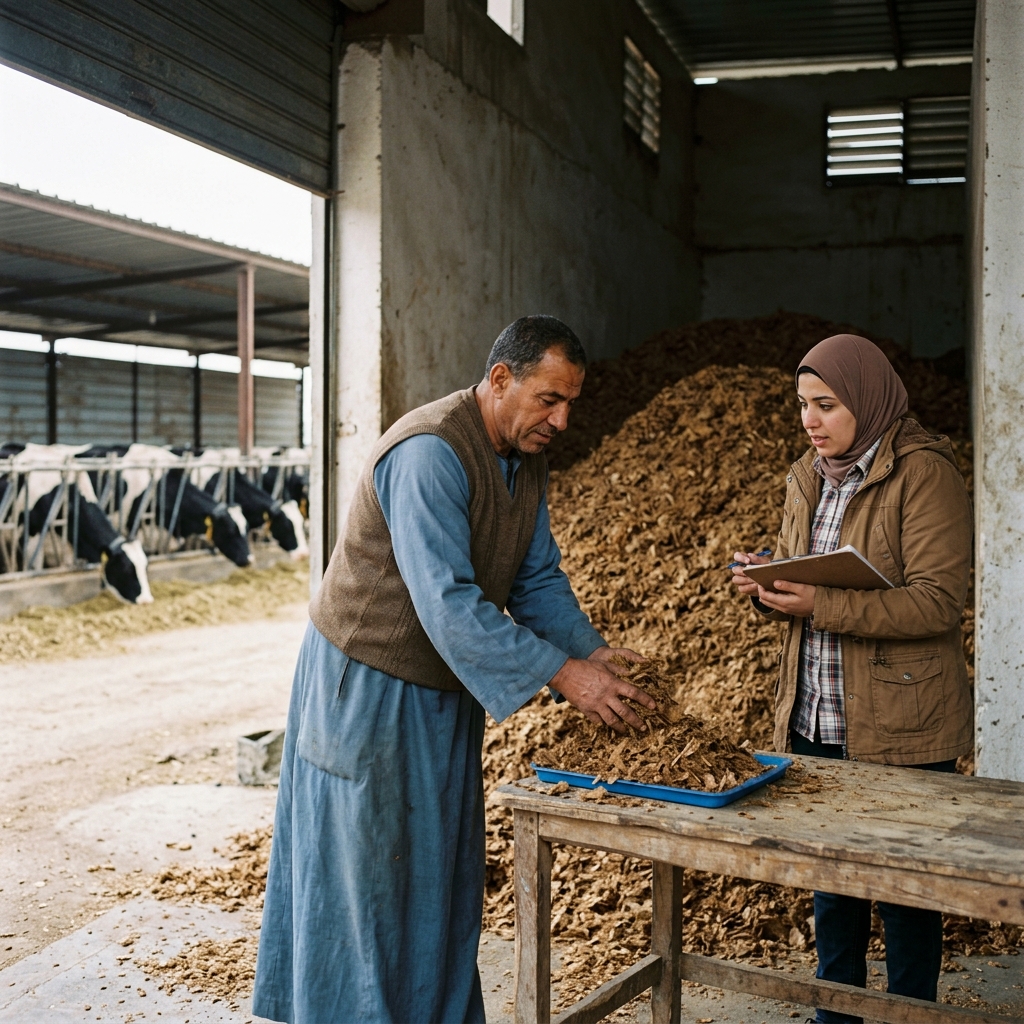
In Egypt, where local forage availability is constrained by land and water limits, high-fiber agro-industrial supplements are indispensable for modern Palm Kernel Expeller for Animal Feed integration. Sourcing certified palm kernel meal for dairy cattle feed gives livestock operations a predictable, nutrient-rich ingredient that supports metabolic health, milk fat production, and steady weight gain in beef cattle.

What is Palm Kernel Expeller for Animal Feed?
Understanding the fundamental processing methods behind palm byproducts helps feed formulators select the appropriate product grade for maximum digestible energy. Mechanical screw pressing extracts kernel oil without utilizing chemical solvents, leaving behind a brown, fibrous cake rich in residual lipids.
Unlike solvent-extracted palm kernel meal which retains minimal oil content (1–2%), mechanically produced Palm Kernel Expeller for Animal Feed contains 6% to 10% residual crude fat. This structural difference offers superior dietary energy density, making expeller-grade material preferred for dairy cattle and intensive beef fattening systems.
In practical feed manufacturing, PKE serves as an ideal intermediate energy and protein builder. It bridges the nutritional gap between high-protein oilseed meals like soybean meal and low-protein energy sources such as cereal brans.
Why Choose Palm Kernel Expeller for Animal Feed in Livestock Rations?
Integrating Palm Kernel Expeller for Animal Feed into balanced feed rations provides a unique balance of crude fiber, moderate protein, and residual palm lipids. Unlike corn or wheat meal, PKE carries a minimal risk of causing subacute ruminal acidosis due to its low fermentable starch content.
Nutritionists classify PKE as an energy-dense, medium-protein structural feed concentrate. Global research recorded in ScienceDirect animal nutrition journals underscores that the dietary fiber in palm kernel expeller consists primarily of insoluble hemicellulose, which rumen microflora efficiently ferment into acetate and butyrate volatile fatty acids.
Nutritional Profile and Ruminant Nutrition Digestibility
The overall metabolic efficiency of PKE depends directly on its physical and chemical properties. With a neutral detergent fiber (NDF) content frequently exceeding 55%, PKE functions as both a structural fiber provider and a sustained-release energy substrate in ruminant nutrition management.
Furthermore, the residual lipid content delivers caloric energy without impairing cellulolytic bacterial action inside the rumen environment. This characteristic makes it a safe ingredient for high-yielding dairy cows requiring elevated energy intake during early lactation phase transitions.
Energy and Fiber Balance in Palm Kernel Expeller for Animal Feed
Maintaining ruminal stability is vital for high-yielding dairy herds and feedlot cattle undergoing intensive finishing routines. Incorporating Palm Kernel Expeller for Animal Feed stabilizes rumen pH levels while offering dietary energy higher than conventional wheat bran or rice bran supplements.
The carbohydrates present in PKE digest slowly across an extended timeframe. This slow fermentation dynamic prevents harmful lactic acid spikes, supporting steady dry matter intake (DMI) across varying climatic conditions.
Bypass Protein and Acidosis Mitigation
A crucial advantage of PKE is its substantial bypass protein percentage (rumen-undegradable protein, or RUP). This allows essential amino acids to bypass early ruminal degradation and absorb directly within the abomasum and small intestine, optimizing overall nitrogen usage in livestock.
Moreover, replacing fast-fermenting starches with high-fiber PKE reduces subacute ruminal acidosis (SARA) incidences. Dairy herds exhibit higher rumination times, consistent chewing activity, and improved overall metabolic welfare when PKE is part of daily ration formulation.

Quality Specifications of Palm Kernel Expeller for Animal Feed Exports
Exporting agricultural feeds globally—especially to strict regulatory markets requiring compliant palm kernel cake egypt import documentation—demands adherence to verified international quality standards. Core parameters establish storage life, physical purity, and animal safety during sea transit.
Commercial buyers must review official analysis certificates before vessel loading to verify safety against moisture damage, high sand content, and mycotoxins. Sourcing directly through reliable suppliers who import palm kernel expeller from indonesia guarantees strict compliance with export standards.
The table below summarizes standard chemical quality parameters required for high-grade export cargoes:
| Chemical / Quality Parameter | Standard Export Grade Specification | Impact on Feed Performance & Safety |
|---|---|---|
| Crude Protein Content | 14.0% – 18.0% Min | Provides essential nitrogen for microbial protein synthesis and yield |
| Crude Fat / Residual Oil | 6.0% – 10.0% Max | Delivers dense metabolizable energy (ME) without causing rumen stasis |
| Crude Fiber (CF) | 16.0% – 20.0% Max | Stimulates saliva secretion, rumination, and stable pH balance |
| Moisture Content | 10.0% – 12.0% Max | Prevents clumping, self-heating, and mold development during transit |
| Sand / Silica / Ash Content | 3.0% – 5.0% Max | Confirms physical cleanliness and minimal dirt or silica contamination |
| Aflatoxin Level | 50 ppb Max (GOEIC Standard) | Ensures toxicological safety for lactating cows and young cattle |
Reviewing comprehensive palm kernel expeller quality specifications egypt buyers mandate prevents shipping rejections at port checkpoints. Maintaining low moisture levels is the single most critical factor in preserving feed freshness throughout long ocean transport routes.
📊 Visual Infographic Guide: PKE Nutritional Structure
Infographic Summary: PKE contains 14-18% Crude Protein, 55%+ NDF, 6-10% Residual Oil, and minimal starch. This unique breakdown elevates volatile fatty acid production by up to 22% compared to low-fiber cereal bi-products.
Key Benefits for Egyptian Livestock: Dairy and Beef Ruminants
Egyptian livestock operations navigate challenging economic conditions due to limited freshwater resources and high feed import costs. Utilizing Palm Kernel Expeller for Animal Feed presents actionable nutritional and financial advantages for regional farming enterprises:
- Enhanced Milk Fat Yield: Digestible fibers stimulate ruminal acetate synthesis, directly increasing milk butterfat density in commercial dairy herds.
- Cost-Effective Metabolizable Energy: Replacing expensive grain concentrates with PKE lowers average feed formulation costs per ton while preserving caloric intake.
- Prevention of Ruminal Acidosis: High structural carbohydrate levels lower metabolic digestive disorders in intensive feedlot cattle fed high-energy diets.
- High Inclusion Compatibility: PKE blends efficiently with other tropical energy sources such as copra meal products and bypass energy like calcium salts of palm oil fatty acids.
- Soil Moisture Management Inputs: Agricultural managers often source soil amendments such as cocopeat organic media alongside feed imports to improve farm water retention strategies.
Published benchmark studies from the Feedipedia Animal Feed Resources Database demonstrate that substituting up to 30% of conventional cereal concentrates with PKE preserves dry matter intake while maintaining high daily milk production levels.

Step-by-Step Export Guide: Shipping PKE to Egypt
Importing feed commodities into Egypt requires compliance with safety protocols defined by the General Organization for Export and Import Control (GOEIC) alongside regulations enforced by the USDA Foreign Agricultural Service and Egyptian agricultural authorities.
Importers and international suppliers should execute the following operational sequence to secure efficient custom clearances at destination ports like Alexandria, Damietta, and Port Said:
- Contracting and Technical Specs Verification: Define strict parameters for moisture, protein, ash, and maximum mold limits before establishing financial letters of credit.
- Phytosanitary Certification: Obtain an official Phytosanitary Certificate from the exporting country’s ministry confirming independence from quarantine pests and weed seeds.
- Laboratory Mycotoxin Analysis: Complete pre-shipment sampling through accredited inspection agencies (SGS, Intertek) to verify total aflatoxin content remains below 50 ppb.
- Moisture Mitigation during Maritime Transit: Utilize dry container linings or ventilated bulk cargo holds to prevent sweat damage while passing through warm maritime corridors.
- Port Customs Quarantine Clearance: Upon entry, Egyptian inspectors draw representative samples for physical check tests before releasing cargo batches into regional distribution channels.
Additionally, agricultural supply operations frequently import industrial energy solutions like palm kernel shell biomass and refined oils like RBD CP8 olein alongside feed cargoes to maximize shipping cost efficiencies.
🎬 Technical Video Overview: Handling PKE Bulk Cargoes
Video Demonstration: Professional cargo loading protocols, aeration checks, and moisture testing procedures utilized during international export of palm kernel expeller.
Partner with Trusted Palm Feed Suppliers
Makmur Amanah Sejahtera provides high-quality palm products such as Palm Kernel Expeller, Palm Kernel Shell, Crude Palm Oil, Palm Kernel Oil, etc. Kindly contact us at WhatsApp +6282140002198 or email us at admin@makmuramanah.co.id.
Frequently Asked Questions
What is the crude protein content of Palm Kernel Expeller?
Palm Kernel Expeller typically features a crude protein content between 14% and 18% on a dry matter basis. This protein profile, combined with high bypass protein fractions, makes PKE a valuable supplementary ingredient in balanced daily dairy cattle feed formulation.
How to export Palm Kernel Expeller to Egypt safely?
To export PKE to Egypt safely, suppliers must comply with GOEIC regulations, obtain valid Phytosanitary Certificates, and keep cargo moisture strictly under 12%. Shipments must also pass certified pre-shipment laboratory inspections ensuring total aflatoxin levels remain below 50 ppb.
Is Palm Kernel Expeller suitable for poultry feed rations?
PKE contains high dietary fiber (16–20%), which limits inclusion rates in monogastric poultry diets. Because chickens lack cellulase enzymes to digest beta-mannans efficiently, poultry inclusion is typically restricted to below 3% to 5% of total ration weight.
What is the difference between Palm Kernel Expeller and Palm Kernel Cake?
The distinction lies in the extraction technique. Palm Kernel Expeller (PKE) is mechanically screw-pressed, retaining 6% to 10% residual oil. Palm Kernel Cake (PKC) extracted chemically via solvents retains lower residual oil (1–2%), yielding slightly lower metabolizable energy.
What are the storage requirements for imported PKE in humid climates?
PKE must be stored inside clean, well-ventilated warehouses away from direct moisture. Stacking bags on concrete pallets and maintaining active airflow prevents ambient moisture absorption, deterring mold growth and maintaining long-term feed freshness.
Conclusion: Securing Premium Feed Supplies for 2026 and Beyond
In summary, incorporating energy-dense plant concentrates into animal rations yields clear economic and metabolic dividends. Sourcing top-tier Palm Kernel Expeller for Animal Feed guarantees stable rumen health, elevated milk butterfat, and consistent growth performance for competitive agricultural operations worldwide.
 English
  Indonesian
  Chinese
  Arabic