

What Is Cocopeat Used For? 7 Incredible Uses (2026 Guide)
If you are asking what is cocopeat used for, you are discovering a revolutionary, eco-friendly growing medium that is transforming modern agriculture, commercial horticulture, and home gardening worldwide.
Extracted from the fibrous husk of coconuts, cocopeat (also known as coconut coir, coir pith, or coco dust) has rapidly evolved from an agricultural byproduct into one of the most sought-after soil amendments on the market today. Modern growers rely on this versatile substrate to build resilient root systems and optimize moisture management.
Quick Definition: What is cocopeat used for? Cocopeat is a 100% natural, renewable growing medium used primarily for soil conditioning, moisture retention, hydroponic farming, seed germination, and indoor potting mixes. It holds up to ten times its dry weight in water while maintaining optimal root aeration.
According to agricultural research data from the Food and Agriculture Organization (FAO), global adoption of coconut coir substrates has grown by over 35% in commercial horticulture over the past decade. This shift stems from rising environmental concerns over traditional peat moss mining and the imperative need for sustainable soil conservation strategies.
What Is Cocopeat Used For? 7 Primary Applications in 2026
The global demand for high-performance organic growing media has expanded the role of coconut coir across multiple green industries. Below are the seven most impactful ways growers and agricultural experts utilize this natural substrate today.

1. Soil Amendment and Moisture Conditioning
When examining what is cocopeat used for in standard garden beds, its ability to reform poor soil structure stands out as an indispensable benefit. Sandy soils drain too quickly, allowing vital plant nutrients to leach out, while heavy clay soils compact easily and suffocate delicate root networks.
Incorporating cocopeat as a soil conditioner in sandy soil drastically improves water retention capacity. Conversely, mixing it into clay soil breaks up dense earth, creating microscopic air pockets that allow oxygen to reach the root zone. Research published in peer-reviewed coir research on ScienceDirect highlights how coconut coir improves pore space distribution and overall physical stability across varied soil types.
2. Hydroponic Crop Production
Commercial greenhouse growers heavily favor coco peat blocks and coir slabs as a clean, inert hydroponics substrate for high-tech crop production. Because high-quality cocopeat maintains a naturally stable pH (typically ranging from 5.5 to 6.8), it allows hydroponic farmers to exercise precise control over liquid fertilizer delivery.
Unlike traditional topsoil, cocopeat does not bind essential mineral salts unpredictably. Hydroponic crops such as tomatoes, cucumbers, strawberries, and bell peppers thrive in coir growing media because root systems enjoy continuous hydration alongside maximum root oxygenation.
3. Seed Germination and Nursery Propagation
Understanding What Is Cocopeat Used For in Commercial Nurseries
Commercial plant nurseries demand uniform, lightweight, pathogen-free propagation media to sprout fragile seeds and root cuttings. Cocopeat provides a sterile environment that minimizes the risk of destructive soil-borne fungal diseases like damping-off.
The fine, uniform texture of nursery-grade coir dust allows delicate seedling roots to penetrate easily without encountering compaction resistance. Furthermore, its superior water holding capacity ensures young seedlings do not suffer from rapid drying cycles during early germination stages.
4. Potting Soil Component for Indoor Plants
Indoor plant enthusiasts frequently ask what is cocopeat used for when repotting tropical house plants such as Monsteras, Philodendrons, and Ferns. Native topsoil compacts quickly inside container pots, becoming dense and hydrophobic over time.
Mixing cocopeat with perlite, orchid bark, and compost creates a lightweight, well-draining indoor potting mix. It prevents devastating root rot—the leading cause of houseplant mortality—by ensuring excess water drains freely while preserving balanced moisture around the root zone.
5. Animal Bedding and Litter Substrate
Beyond plant cultivation, what is cocopeat used for in animal husbandry? Coarse-grade cocopeat chips and coarse coir fiber serve as an exceptionally absorbent bedding material for reptiles, amphibians, poultry, and small livestock.
Cocopeat naturally neutralizes harsh ammonia odors, maintains target ambient humidity required by exotic terrarium species, and resists dust accumulation. Because it is 100% organic and free of synthetic chemicals, pet owners favor coir over chemically treated wood shavings.
6. Mushroom Cultivation Substrate
Professional and hobbyist mushroom cultivators rely on high-grade coconut coir as an ideal casing layer and bulk substrate component for growing gourmet and medicinal fungi. When pasteurized and blended with vermiculite, cocopeat supplies the exact moisture balance and structural aeration required for rapid mycelial colonization and high mushroom yields.
7. Erosion Control and Landscaping Blankets
Coarser coconut fibers extracted alongside fine coir dust are woven into durable, bio-degradable erosion control blankets and coir logs. Civil engineers and landscape contractors install these coir mats along steep hillsides, riverbanks, and active construction sites to stabilize topsoil, prevent rainwater erosion, and promote rapid natural vegetation establishment.
Key Benefits: Why Search What Is Cocopeat Used For?
Understanding the unique physical properties of coconut coir explains why commercial growers are replacing traditional peat moss and topsoil mixtures at scale worldwide.
- Exceptional Water Retention: Cocopeat can absorb up to 800%–1000% of its dry weight in water, significantly reducing irrigation frequency and lowering water utility costs.
- Optimal Root Aeration: Even when fully saturated, coir media maintains an impressive air-filled porosity (10%–20%), protecting root systems from suffocation and root rot.
- Eco-Friendly Peat Moss Alternative: Harvesting peat moss destroys fragile wetland peat bogs that store atmospheric carbon. In contrast, cocopeat is a rapidly renewable byproduct of coconut harvesting.
- Reusable and Structural Stability: Thanks to its high lignin content, cocopeat resists rapid microbial decomposition, allowing growers to clean, rebuffer, and reuse it for 3 to 5 years.
- Slightly Acidic to Neutral pH: Featuring a natural pH range of 5.5 to 6.8, coconut coir fits the biological requirements of most horticultural crops without requiring aggressive lime adjustments.
Is Cocopeat Better Than Soil? Direct Comparison
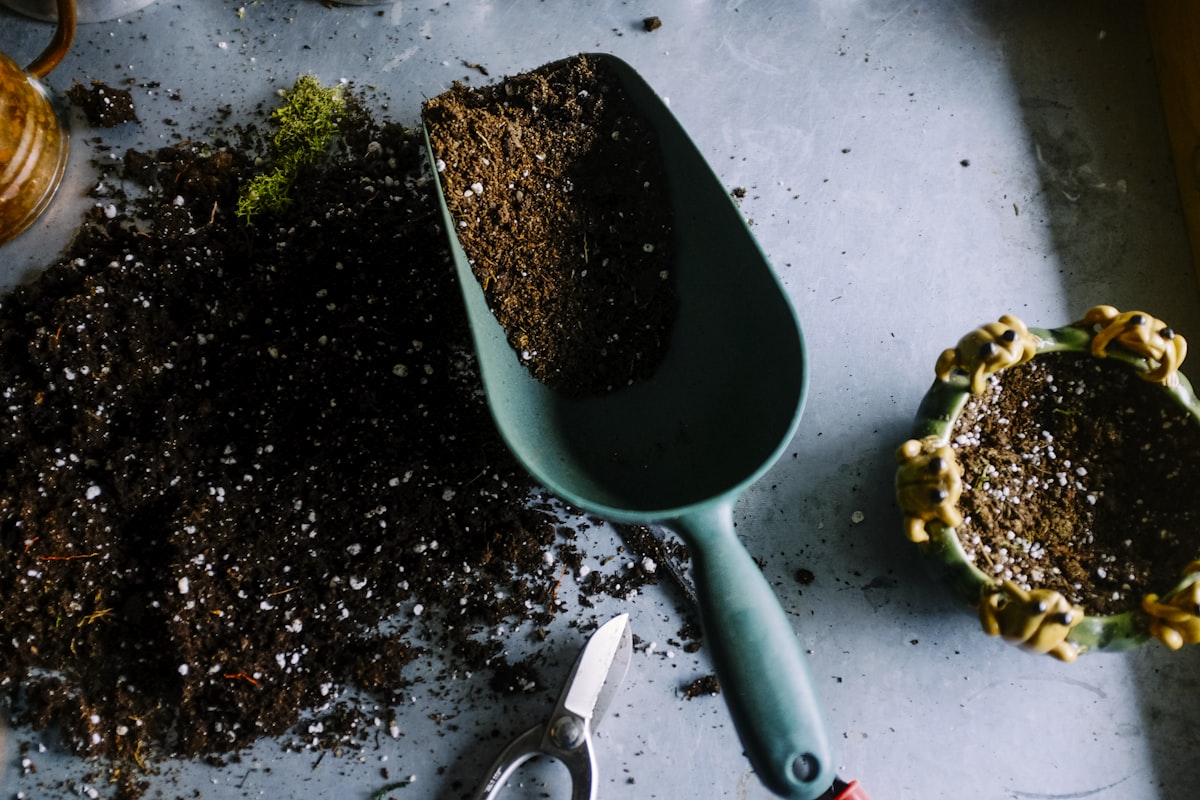
A central question among modern gardeners evaluating is cocopeat better than soil is whether coir can completely replace native ground earth. The accurate answer depends on your specific growing goals, environment, and liquid nutrient management routine.
When comparing cocopeat vs topsoil for gardening, native ground soil contains native mineral clay and beneficial indigenous microbes, but it frequently suffers from compaction, weed seed contamination, soil-borne pathogens, and erratic drainage. Pure cocopeat offers a sterile, predictable, lightweight growing environment—though it contains no intrinsic plant nutrients unless fertilized.
To help you evaluate whether coir is right for your garden setup, review the side-by-side comparison table below:
| Feature / Characteristic | Cocopeat Substrate | Traditional Garden Soil |
|---|---|---|
| Water Retention Capacity | Extremely high (Up to 10x dry weight) | Moderate to Low (Prone to drying or waterlogging) |
| Root Aeration & Porosity | Superior (Resists physical compaction) | Poor to Moderate (Hardpacks after heavy rain) |
| Nutrient Content | Inert (Requires added fertilizer/compost) | Contains variable native minerals |
| Pathogen & Weed Risk | Sterile / 100% Pathogen & Weed Free | High risk of weed seeds, fungi, & pest larvae |
| Environmental Sustainability | 100% Renewable agricultural byproduct | Topsoil depletion through mechanical erosion |
| Weight & Handling | Ultra-lightweight when dry, easy to transport | Heavy, bulky, and labor-intensive |
As demonstrated in extension guidelines published by the Oregon State University Extension Soil Center, blending organic amendments with high-porosity coir media creates the ideal matrix for long-term container health.
How to Use Cocopeat for Plants: Step-by-Step Guide
Once you understand what is cocopeat used for, mastering how to use cocopeat for plants ensures rapid growth and healthy root development. Raw compressed coco peat blocks require proper rehydration, rinsing, and nutritional buffering before planting.
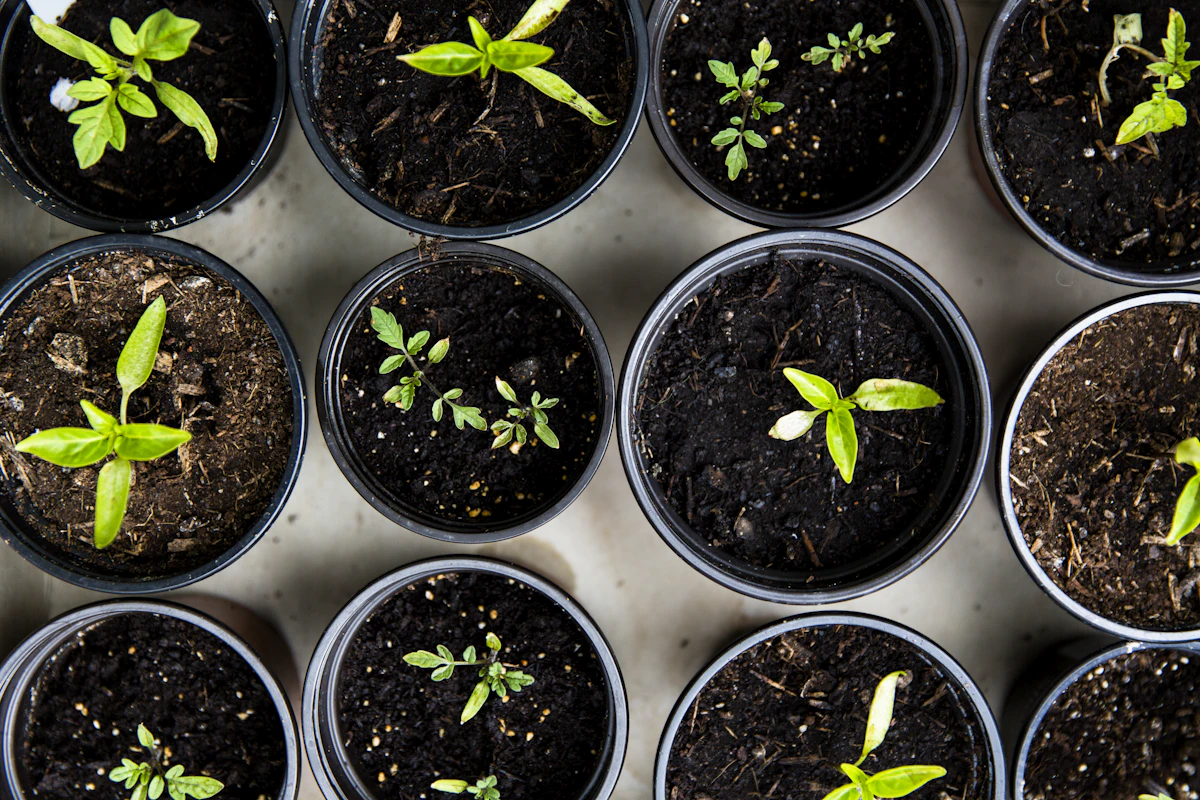
- Rehydrate the Block: Place your compressed block of cocopeat inside a large bucket. Pour warm water (approx. 4 to 5 liters per 1 kg coir brick) over the media and let it swell for 15–20 minutes.
- Fluff and Aerate the Substrate: Use your hands or a garden trowel to break apart any remaining dense clusters until the coir becomes light, fluffy, and uniformly moist.
- Rinse and Buffer with Cal-Mag: Unbuffered coir naturally contains residual sodium and potassium ions that bind calcium and magnesium. Flush your coir with a Calcium-Magnesium (Cal-Mag) liquid solution to satisfy exchange sites and prevent plant deficiencies.
- Blend with Rich Compost: Because cocopeat is nutrient-inert, mix 40% cocopeat with 40% organic compost or worm castings and 20% perlite to build a self-sustaining potting medium.
- Adjust Aeration Ratios for Specific Species: For heavy-feeding potted plants or succulents requiring rapid drainage, blend 60% coir with 40% coarse perlite or pumice.
Additional agricultural research from the USDA Agricultural Research Service confirms that properly buffered coir media enhances overall cation exchange efficiency in commercial potted crop production.
Agricultural Byproducts and Sustainable Farming Integration
Modern sustainable farming relies heavily on repurposing natural plant resources to maximize crop efficiency while minimizing environmental degradation. Coconut coir represents just one piece of a broader global movement toward renewable, zero-waste agricultural inputs.
Forward-thinking agricultural enterprises that utilize coir for soil health frequently integrate complementary natural products across their livestock and crop routines. For example, high-protein feeds like Copra Meal deliver superior nutrition for livestock diets, maximizing the total utility of harvested coconut palms.
Similarly, global agro-industries utilize sustainable palm and coconut byproducts across multiple energy and feed sectors. Industry leaders rely on specialized livestock feed inputs such as Palm Kernel Expeller alongside clean industrial biomass fuels like Palm Kernel Shell for eco-friendly thermal energy generation.
For specialized food manufacturing, pharmaceutical, and oleochemical processing, refined palm fractions like RBD CP8 and specialized livestock nutrient additives like Calcium Salts of Palm Oil Fatty Acids demonstrate how modern supply chains extract value from sustainable palm and coconut harvests.
To examine bulk commercial ordering details and technical specifications for coir growing media, explore our dedicated commercial grade cocopeat products resource platform.
Makmur Amanah Sejahtera provides high-quality palm products such as Palm Kernel Expeller, Palm Kernel Shell, Crude Palm Oil, Palm Kernel Oil, etc. Kindly contact us at WhatsApp +6282140002198 or email us at admin@makmuramanah.co.id.
Frequently Asked Questions About What Is Cocopeat Used For
Can you plant directly in 100% pure cocopeat?
Yes, you can plant directly in 100% pure cocopeat, but because coir is nutrient-inert, you must supply liquid hydroponic fertilizers. For standard container gardening, blending 40% cocopeat with 40% rich compost and 20% perlite yields far superior long-term self-sustaining plant growth.
Does cocopeat contain natural plant nutrients?
No, raw cocopeat contains negligible amounts of nitrogen, phosphorus, or calcium. While coir naturally holds trace potassium and sodium, growers must incorporate organic compost, slow-release granules, or balanced hydroponic feeds to support healthy plant development over time.
How long does cocopeat last in garden soil?
Cocopeat breaks down extremely slowly due to its high natural lignin content. In indoor potted plants or outdoor garden beds, high-grade coir retains its structural stability, water retention, and aeration properties for 3 to 5 years before requiring replenishment.
Is cocopeat better than peat moss for environmental sustainability?
Yes, cocopeat is significantly more eco-friendly than peat moss. Mining peat moss depletes ancient wetland bogs that sequester massive carbon stores. Cocopeat is a rapidly renewable agricultural byproduct of coconut harvesting that repurposes natural husk material otherwise discarded as waste.
Why must you wash or buffer raw cocopeat before planting?
Unwashed raw cocopeat contains natural sodium and chloride salts from tropical coastal coconut farms. Buffering coir with a calcium nitrate solution displaces unwanted sodium ions, preventing severe salt stress, lockout, and calcium deficiency in delicate plant roots.
Final Thoughts on What Is Cocopeat Used For
Whether you need to save water in drought-prone landscapes, boost hydroponic tomato yields, or mix the ideal growing medium for indoor house plants, understanding what is cocopeat used for empowers you to make sustainable, high-yield agricultural choices in 2026 and beyond.
By delivering unmatched water retention capacity, optimal root oxygenation, and a 100% renewable environmental footprint, coconut coir has earned its place as the gold standard growing medium for modern horticulture. Upgrade your growing substrate today to experience faster root development, healthier foliage, and reduced irrigation costs.

 English
  Indonesian
  Chinese
  Arabic