

What Is Cocopeat Used For? 7 Essential Uses for 2026
Understanding what is cocopeat used for can transform how you cultivate crops, conserve water, and improve overall root health in 2026. Cocopeat (also called coco pith or coir dust) is a natural, fibrous growing medium derived from processed coconut husks. It serves primarily as a sustainable soil amendment, hydroponic substrate, seed germination medium, and peat moss alternative in modern agriculture.
Whether you are an urban gardener, commercial greenhouse producer, or hydroponics enthusiast, this organic byproduct solves major agricultural challenges. By providing superior aeration and high moisture retention, coir pith creates optimal root zone conditions without depleting natural wetlands.
In recent years, global commercial growers have rapidly shifted toward coconut coir products as a primary growing medium. Research cataloged by ScienceDirect demonstrates that high-grade coir dust can hold up to eight to ten times its weight in water while maintaining high porosity. Furthermore, its resilient cellular structure resists rapid decomposition, making it an eco-friendly choice for sustainable farming.
Quick Answer: What is cocopeat used for? Cocopeat is primarily used as a high-performance growing medium, soil amendment, and hydroponic substrate. It enhances soil aeration, boosts moisture retention up to 10x its weight, promotes root development, and serves as a sterile, eco-friendly peat moss alternative for seed starting, potting mixes, and commercial farming.
What Is Cocopeat Used For in Modern Sustainable Agriculture?
Modern commercial growers constantly seek horticultural substrates that balance rapid water absorption with high oxygen delivery to root zones. Exploring what is cocopeat used for reveals its unmatched capability to optimize root architecture across diverse crop species.
When mixed into traditional field soil or container media, coconut coir prevents compaction and supports beneficial soil microorganisms. Unlike heavy topsoil, coir pith remains light and porous even when fully saturated, ensuring roots never suffer from oxygen starvation.
In addition, raw coir pith possesses a naturally balanced pH range between 5.5 and 6.8, which is ideal for most horticultural crops. Commercial nursery managers frequently integrate washed Cocopeat into their potting blends to secure uniform seed germination and robust transplant establishment.
Seed Germination and Nursery Mixes
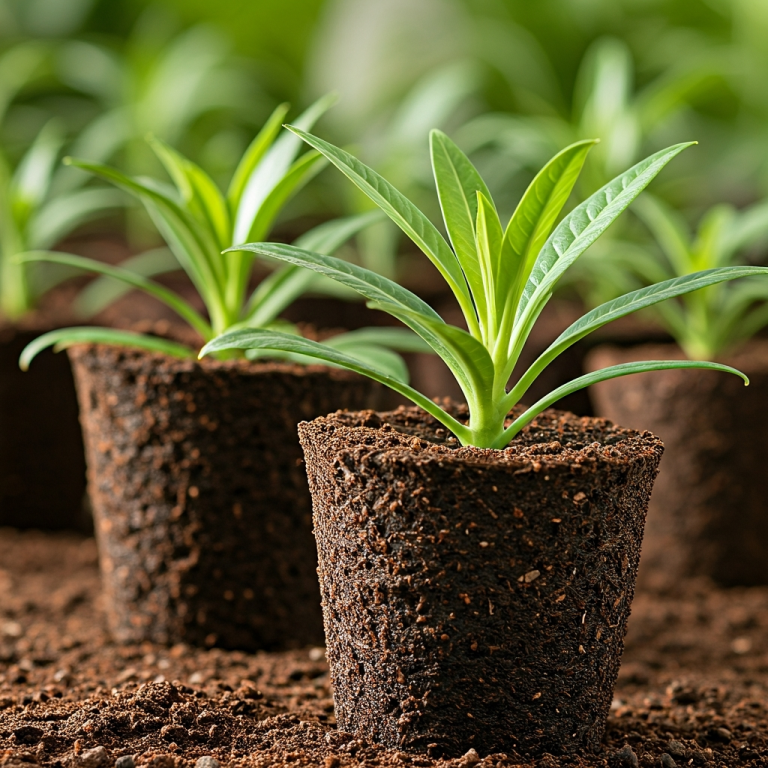
Fragile seedlings require a soft, sterile, lightweight substrate to sprout without physical obstruction. Using fine-grade coir dust allows delicate seedling roots to branch quickly throughout the plug tray.
Additionally, coir’s natural fungal resistance significantly decreases the risk of damping-off disease. This structural advantage gives delicate young sprouts the highest possible survival rate during early propagation phases.
Soil Conditioning and Structure Improvement
Heavy clay soils suffer from inadequate drainage, whereas sandy soils lose essential moisture and nutrients almost immediately. Incorporating coconut coir pith acts as a universal soil amendment that solves both physical limitations at once.
When blended into dense clay, coir creates macro-pores that drain excess irrigation water effortlessly. Conversely, mixing coir into loose sandy soil dramatically increases water storage capacity, preventing sudden drought stress.
What Is Cocopeat Used For in Hydroponics Systems?
In high-tech soilless farming, understanding what is cocopeat used for is vital for commercial success. Hydroponic crop production demands chemically inert substrates that anchor plants without altering electrical conductivity (EC) or nutrient ratios.
Processed coir pith serves as a stable, sterile hydroponic growing medium in drip-irrigated grow bags, slab setups, and flood-and-drain tables. It holds nutrient solutions right around the root system while maintaining an optimal air-to-water ratio for heavy-feeding greenhouse crops.
[Image: Expanded raw cocopeat brick ready for planting mix preparation | Alt Text: Premium hydrated coconut coir block showing what is cocopeat used for in soil conditioning | Title: Raw Cocopeat Brick Preparation]
7 Major Applications Showing What Is Cocopeat Used For
To fully appreciate what is cocopeat used for across diverse agricultural sectors, review these seven core applications utilized by professional horticulturalists worldwide:
- Potting Soil Custom Blends: Combined with perlite, vermiculite, and organic compost, coir pith builds lightweight container media for indoor tropicals and outdoor nursery pots.
- Hydroponic Crop Production: Serves as a clean, inert growing medium for commercial greenhouse tomatoes, cucumbers, bell peppers, and strawberries.
- Microgreen and Herb Cultivation: Supplies a clean, weed-free surface ideal for shallow-rooted microgreens and culinary herbs in indoor vertical farms.
- Landscaping and Lawn Turf Top-Dressing: Spread over freshly sown grass seeds to protect seed beds, lock in humidity, and accelerate turfgrass establishment.
- Mushroom Cultivation Casing Substrate: Acts as a sterile, moisture-retentive casing layer for mushroom spawn requiring consistent humidity during fruiting.
- Reptile and Terrarium Animal Bedding: Functions as a safe, non-toxic terrarium substrate that absorbs odors and maintains stable ambient enclosure humidity.
- Vermiculture Bedding for Worm Composting: Creates a soft, moist environment for earthworms in vermicomposting bins without compacting over time.
Commercial farming operations frequently integrate sustainable growing substrates alongside high-grade organic agricultural inputs. For instance, livestock and aquaculture integrated farms often utilize nutritious feed products like Palm Kernel Expeller or enhance animal nutrition routines with Copra Meal alongside their sustainable crop operations.
Furthermore, agricultural enterprises utilizing renewable biomass for greenhouse heat production often utilize Palm Kernel Shell fuel products to lower carbon footprints while powering automated irrigation controls. Specialized food processing operations also rely on clean vegetable oils like RBD CP8 for post-harvest culinary manufacturing.
Cocopeat vs Traditional Soil: A Comprehensive Comparison
Evaluating a cocopeat vs potting soil comparison requires analyzing critical performance factors such as water absorption, oxygen exchange, pathogen presence, and long-term reusability. According to agricultural guidelines published by the USDA, maintaining adequate root zone aeration is essential for optimal plant nutrient uptake.
The comparative breakdown below highlights how processed coir pith compares directly to standard garden topsoil:
| Feature / Metric | Cocopeat Substrate | Traditional Garden Soil |
|---|---|---|
| Water Retention Capacity | Exceptional (Retains 8–10x dry weight in water) | Moderate to Low (Varies widely based on clay content) |
| Aeration & Air-Filled Porosity | High macro-porosity (30%+ air space); resists compacting | Low porosity; highly susceptible to compaction |
| pH Balance Stability | Naturally balanced and stable (5.5 – 6.8) | Highly erratic (4.5 – 8.5 depending on region) |
| Pathogen & Weed Risk | Naturally sterile, disease-free, and weed-free | Contains native weed seeds, soil fungi, and pests |
| Substrate Reusability | Reusable for 3 to 5 growing seasons after washing | Requires annual replacement due to mineral depletion |
| Base Nutrient Content | Inert (Requires complete liquid fertilizer plan) | Contains variable native minerals and organic matter |
| Environmental Sustainability | 100% renewable coconut byproduct (Peat moss alternative) | Topsoil stripping causes land degradation |
While native topsoil supplies trace minerals, coconut coir delivers vastly superior control over root hydration and gas exchange. Consequently, mixing both materials yields an ideal balanced medium for container gardening.
[Image: Detailed side-by-side comparison of plant root architecture in cocopeat versus heavy clay soil | Alt Text: Infographic illustrating what is cocopeat used for in boosting root development compared to topsoil | Title: Cocopeat vs Soil Root Growth Comparison]
How to Use Cocopeat for Plants: Step-by-Step Preparation Guide
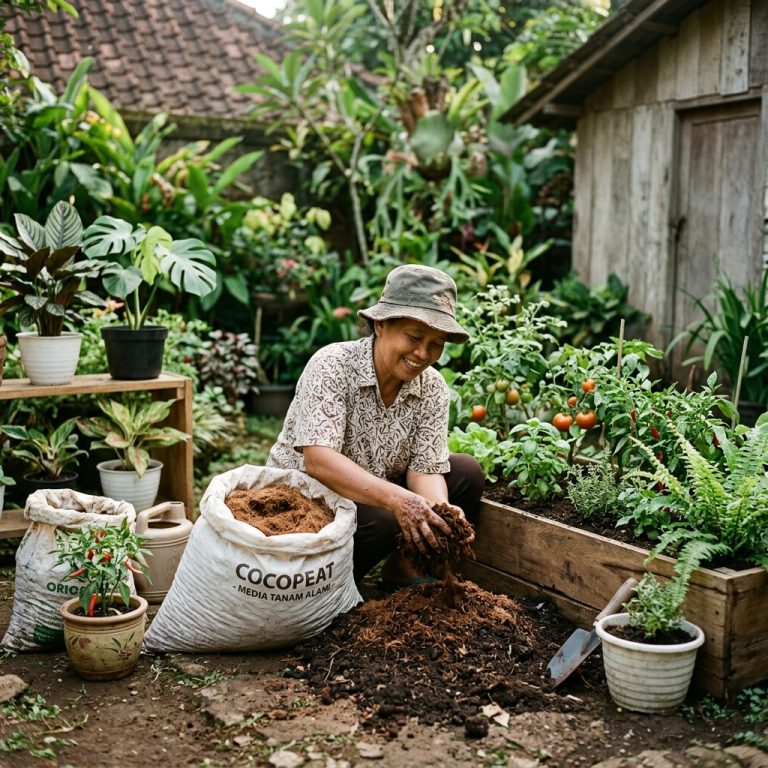
Learning how to use cocopeat for plants correctly guarantees healthy crops and prevents nutrient lock-out issues. Raw, compressed coir blocks require basic expansion and buffering prior to planting.
Step 1: Hydrate and Expand the Compressed Block
Place compressed coir bricks into a large container or clean wheelbarrow. Add warm water gradually (roughly 4 to 5 liters of water per 1 kg compressed block) and allow the material to absorb moisture for 15 minutes until fully expanded.
Step 2: Fluff the Substrate Thoroughly
Break up remaining dense clumps using your hands or a garden fork. Fluffing the substrate creates a uniform, feathery texture with maximum air-filled porosity.
Step 3: Wash and Buffer with Calcium-Magnesium
Raw unwashed coir contains natural sodium and potassium ions attached to its cation exchange sites. Flush the material with clean water, then soak it in a Calcium-Magnesium (Cal-Mag) buffering solution to displace excess sodium ions.
Step 4: Blend According to Your Crop Requirements
Because pure coir is nutrient-neutral, mix in balanced compost, slow-release organic fertilizers, or liquid hydroponic nutrients prior to seeding or potting.
Determining the Best Cocopeat Ratio for Garden Soil
Achieving the best cocopeat ratio for garden soil depends on your plant species and local climate conditions:
- Standard Container Plants: Mix 40% cocopeat, 40% organic compost, and 20% perlite for general indoor and outdoor potted plants.
- In-Ground Soil Conditioning: Till a 2-inch layer of expanded coir (approx 30% total volume) into the top 6 inches of garden soil.
- Succulents & Cacti: Combine 20% cocopeat with 50% coarse sand/pumice and 30% potting soil for rapid drainage.
For additional scientific classifications regarding coir fiber processing and chemical characteristics, reference detailed entries published on Wikipedia.
[Video Embed: Practical guide demonstrating how to hydrate, buffer, and mix cocopeat brick for potted plants | Title: Step-by-Step Cocopeat Buffering and Soil Mixing Guide]
Best Practices and Common Mistakes to Avoid
Although coconut coir is a forgiving growing medium, adhering to professional management practices ensures maximum harvest yields while avoiding common mistakes:
- Never Skip Flushing and EC Testing: Unwashed coir products often carry elevated salt levels from coastal processing. Always verify that your run-off electrical conductivity (EC) reads below 0.5 mS/cm before planting sensitive root systems.
- Avoid Overwatering Based on Surface Color: Coir retains water inside its micro-pores while the top layer appears light brown and dry. Always measure moisture depth 2 inches below the surface before applying fresh irrigation.
- Supplement Calcium and Magnesium Regularly: Coconut fiber naturally binds calcium ions while releasing potassium. Regular Cal-Mag feeding prevents calcium deficiency issues like blossom end rot in nightshade crops.
- Combine with Drainage Aggregates: Using 100% fine coir pith without coarse perlite or pumice can lead to water retention excessive for dry-climate succulents.
For commercial agricultural managers seeking broader operational standards and sustainable planting guidelines, explore crop management literature provided by the Royal Horticultural Society.
[Image: Step-by-step visual diagram illustrating how to prepare cocopeat for container gardening | Alt Text: Complete visual overview showing how to use cocopeat for plants and prepare coir pith step-by-step | Title: Cocopeat Preparation Guide Infographic]
Makmur Amanah Sejahtera provides high-quality palm products such as Palm Kernel Expeller, Palm Kernel Shell, Crude Palm Oil, Palm Kernel Oil, etc. Kindly contact us at WhatsApp +6282140002198 or email us at admin@makmuramanah.co.id.
Frequently Asked Questions About What Cocopeat Is Used For
Can you plant directly into 100% pure cocopeat?
Yes, you can plant directly in pure coir pith. However, because pure coir is an inert medium containing no natural nutrients, you must supply complete water-soluble fertilizers and Cal-Mag supplements from day one to maintain healthy crop development.
Is cocopeat better than traditional potting soil?
Cocopeat offers far superior moisture retention, root aeration, disease resistance, and structural reusability compared to garden soil. However, blending coir pith with rich organic compost creates the most effective potting medium for container plants.
How long does cocopeat last in garden beds?
Due to its high structural lignin content (over 45%), coir pith decomposes very slowly compared to peat moss. It typically retains its excellent aeration and water retention properties in garden beds for 3 to 5 years.
Does cocopeat attract household pests or gnats?
No. Clean, processed coir pith is completely sterile and contains no decaying organic materials that attract fungus gnats or soil pests. This clean profile makes it significantly safer for indoor container gardens than raw topsoil.
Why is buffering cocopeat with Cal-Mag necessary?
Buffering displaces natural sodium and potassium ions attached to coir fibers with calcium and magnesium. Without buffering, unwashed coir can absorb applied calcium, leading to severe nutritional deficiencies in growing crops.
[Image: Vibrant commercial greenhouse crops thriving in premium buffered coconut coir growing medium | Alt Text: Thriving indoor green crops showing what is cocopeat used for in sustainable agriculture | Title: Thriving Plants Grown in Cocopeat Medium]
Conclusion
In conclusion, fully understanding what is cocopeat used for equips modern growers with a major competitive advantage in sustainable crop production. From boosting moisture retention and optimizing soil aeration to serving as an eco-friendly hydroponic growing medium, coconut coir dust remains one of the most effective substrates available in 2026. Integrating buffered coir into your regular potting routine ensures stronger root development, reduced irrigation frequency, and superior crop yields.
Ready to maximize your agricultural potential? Upgrade your soil blends today with premium washed coconut coir products, and explore our full range of sustainable agricultural solutions designed for modern commercial farming!

 English
  Indonesian
  Chinese
  Arabic