
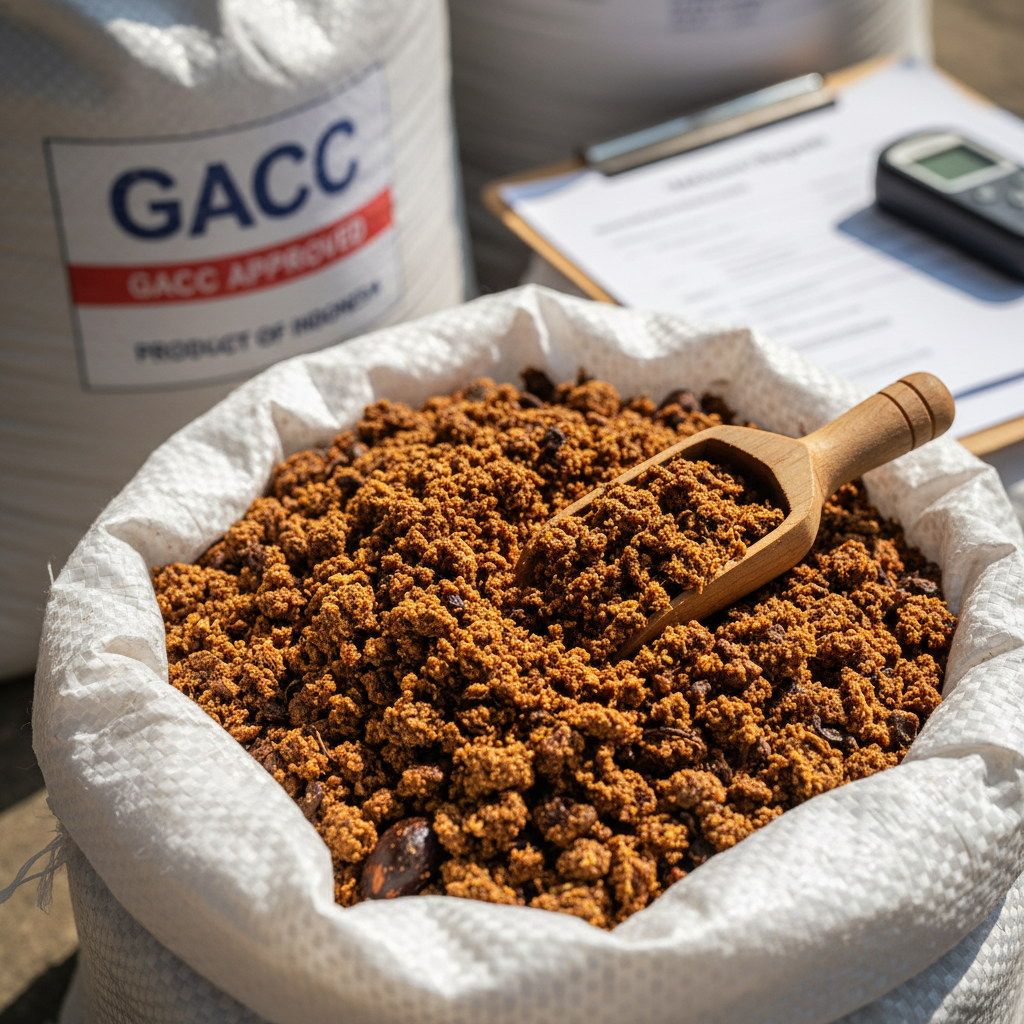
GACC Approved Palm Kernel Expeller from Indonesia: A Complete Guide for Importers
Sourcing GACC Approved Palm Kernel Expeller from Indonesia is a critical step for ensuring your animal feed supply chain is compliant, high-quality, and reliable. Many importers face the complex challenge of navigating opaque regulations and verifying supplier authenticity.
Failing to do so can risk costly delays and expose you to subpar products. This comprehensive guide provides the definitive 2026 roadmap to mastering the import process, ensuring you secure premium PKE with confidence and efficiency.
Palm Kernel Expeller (PKE) is a cornerstone of the global animal feed industry, prized for its balanced energy and protein content. As a world leader in its production, Indonesia is a primary source. However, not all PKE is created equal. The key differentiator for premium market access, particularly into China, is the GACC registration.
Furthermore, GACC (the General Administration of Customs of China) implements stringent oversight on imported agricultural products. This ensures safety and quality. According to a 2025 report from the Indonesian Palm Oil Association (GAPKI), over 60% of premium PKE exports are now destined for markets requiring GACC-level certification. For importers, this certification is no longer optional—it’s the gold standard for trust and marketability.
What Exactly is GACC Approved Palm Kernel Expeller?
GACC Approved Palm Kernel Expeller is an animal feed ingredient derived from the mechanical extraction of oil from oil palm fruit kernels. To earn this title, the product and its facility must be officially registered and approved by the General Administration of Customs of China (GACC).
This certification confirms that the production process meets China’s rigorous import standards for quality, safety, and traceability. It serves as a guarantee against contaminants and ensures a consistent, high-quality product for your supply chain.
This approval is essential for any business planning to sell PKE to the lucrative Chinese market or to other regions that recognize GACC as a benchmark for quality. Sourcing GACC Approved Palm Kernel Expeller mitigates trade risks and enhances brand reputation.

The Role of GACC in Agricultural Imports
GACC’s primary mission is to safeguard China’s borders and consumers. For agricultural products like PKE, this involves a comprehensive registration system for overseas producers. The goal is to ensure all imported food and feed products are safe and meet specific phytosanitary requirements.
The process involves detailed audits of production facilities, quality control processes, and traceability systems. Therefore, when you source GACC Approved Palm Kernel Expeller, you are inherently sourcing from a supplier who has passed one of the world’s most stringent regulatory checks.
PKE vs. Palm Kernel Cake: Is There a Difference?
While often used interchangeably, there is a technical difference. PKE is typically produced via mechanical pressing (expellers), leaving a residual oil content of 5-12%. Palm Kernel Cake (PKC), on the other hand, can sometimes refer to the product left after solvent extraction, which results in a lower oil content.
However, in modern trade, “PKE” is the dominant term for the mechanically pressed product used in feed. When discussing GACC Approved Palm Kernel Expeller, the focus is always on the high-quality, mechanically extracted variety valued in animal nutrition.
Why Indonesian PKE is a Top Choice for Global Importers
Indonesia is the world’s largest producer of palm oil and, consequently, the largest producer of PKE. This scale provides several distinct advantages for importers looking to procure GACC Approved Palm Kernel Expeller.
The country’s advanced infrastructure and experienced producers mean a reliable and high-volume supply chain. Additionally, Indonesian suppliers are highly experienced in meeting the specific quality parameters demanded by international buyers and certification bodies like GACC.
[Video: A short documentary on the palm oil supply chain in Indonesia, from plantation to port.]
Nutritional Profile of Indonesian PKE
Indonesian GACC Approved Palm Kernel Expeller is sought after for its consistent nutritional value, making it a staple for ruminant feed. Key benefits include:
- High Fiber Content: Excellent for promoting healthy digestion in cattle.
- Moderate Protein: Contains 14-17% crude protein, a vital building block for livestock.
- Energy Source: Residual oil provides a good source of metabolic energy. For high-producing dairy cattle, it’s often supplemented with products like Calcium Salts of Palm Oil Fatty Acids to boost energy density.
- High Palatability: Generally well-accepted by livestock, ensuring consistent feed intake.
Indonesia’s Role in the Global PKE Market
According to industry reports from FeedNavigator, Indonesia consistently accounts for over 85% of the global PKE supply. This market dominance ensures competitive pricing and unmatched availability. For importers, this means a stable supply of certified PKE is readily available from numerous certified suppliers.
The GACC Registration Process: A Step-by-Step Breakdown
Understanding the rigorous process suppliers undergo to become certified helps importers appreciate the value of the GACC designation. This journey is a testament to a supplier’s commitment to quality and transparency.
- Official Application: The Indonesian producer must submit a detailed application through their country’s competent authority to GACC.
- Documentation Review: GACC reviews extensive documentation, including business licenses, production flowcharts, HACCP plans, and quality management systems.
- Remote or On-Site Audit: GACC officials may conduct a virtual or physical inspection of the production facility to verify that practices on the ground match the documentation.
- Product Testing: Samples are often required for laboratory analysis to test for contaminants, nutritional content, and pathogens, as detailed in scientific studies on feed safety.
- Approval and Listing: Once all requirements are met, GACC grants approval and lists the facility on its official public database of registered exporters. This is the final step to becoming a certified supplier.

How to Verify a Supplier of GACC Approved Palm Kernel Expeller from Indonesia
Trust but verify. This is the cardinal rule for importers. The most crucial step is confirming a supplier’s GACC status. Relying solely on a supplier’s word is a significant risk that can jeopardize your entire shipment.
Sourcing from a verified provider of high-quality Palm Kernel Expeller is non-negotiable for supply chain security.
Checking the Official GACC Database
The only foolproof method is to use the official GACC database. GACC maintains a public, searchable list of all approved foreign establishments. You can verify a company’s status using their name or GACC registration number.
You can access this database via the official GACC website, typically found at english.customs.gov.cn or by searching for “GACC approved overseas establishments.” If a supplier is not on this list, they are not authorized to export to China.
Requesting Key Documentation for GACC Approved PKE
A legitimate supplier of GACC Approved Palm Kernel Expeller will readily provide you with the following essential documents:
- Their official GACC Registration Number for verification.
- A Certificate of Analysis (COA) specific to your batch.
- A Phytosanitary Certificate issued by the Indonesian Agricultural Quarantine Agency (IAQA).
- Proof of their quality management certifications (e.g., ISO 9001, GMP+).
Critical Pitfalls to Avoid When Importing Indonesian PKE
While GACC approval provides a significant layer of security, importers must remain vigilant. Several common pitfalls can lead to costly delays, financial loss, and logistical nightmares. Awareness and proactive planning are your best defenses.
1. Over-Relying on Unverified Documents
The most dangerous mistake is accepting a supplier’s GACC certificate at face value without cross-referencing it with the official GACC database. Forged documents are a real risk in international trade. Always perform your own verification using the live, searchable database.
2. Ignoring Incoterms and Shipping Details
Misunderstanding commercial terms can have severe financial consequences. It is crucial to agree on Incoterms (e.g., FOB, CIF) beforehand. According to reports from global trade authorities like the International Chamber of Commerce, disputes over Incoterms are a leading cause of import conflicts.
3. Failing to Secure a Detailed Certificate of Analysis (COA)
A generic COA is not enough. You need a batch-specific COA that details key quality parameters. Insist on seeing this document before the shipment leaves the port. Key metrics to check include:
- Crude Protein Content
- Moisture Level (ideally below 12%)
- Crude Fiber Percentage
- Aflatoxin and other contaminant levels
Navigating Import Logistics for Indonesian PKE in 2026
Once you’ve verified a supplier, the next phase is logistics. Efficiently importing GACC Approved Palm Kernel Expeller requires careful planning around shipping, packaging, and commercial terms.
Work closely with a freight forwarder who has experience with agricultural commodities from Indonesia. They can help navigate customs clearance in your destination country and ensure all paperwork is in order—a vital step for certified products.
Discuss whether you will ship in bulk vessels or in containers, as this will affect pricing, loading logistics, and delivery timelines. Clear communication on these points is essential for a smooth transaction.

Comparing PKE with Other Feed Alternatives
While PKE is a top-tier choice, it’s useful to see how it compares to other common feed ingredients. This helps in formulating the most cost-effective and nutritious feed blends for your livestock.
| Feature | Palm Kernel Expeller (PKE) | Copra Meal | Key Advantage |
|---|---|---|---|
| Source | Oil Palm Kernel | Dried Coconut Flesh | PKE has wider availability. |
| Crude Protein | 14-17% | 20-26% | A viable alternative is Copra Meal, which offers a higher protein content. |
| Crude Fiber | ~16% | ~12% | PKE’s high fiber is ideal for ruminants. |
| Primary Use | Cattle Feed | Cattle & Swine Feed | Both are versatile feed ingredients. |
Makmur Amanah Sejahtera provides high-quality palm products such as Palm Kernel Expeller, Palm Kernel Shell, Crude Palm Oil, Palm Kernel Oil, etc. Kindly contact us at WhatsApp +6282140002198 or email us at admin@makmuramanah.co.id.
Frequently Asked Questions (FAQ)
What is the main use of Palm Kernel Expeller?
The primary use of GACC Approved Palm Kernel Expeller is as a key ingredient in animal feed, particularly for ruminants like dairy and beef cattle. Its high fiber and moderate protein content make it an excellent, cost-effective bulk feed for improving livestock nutrition and productivity.
How long is a GACC registration for PKE valid?
A GACC registration for overseas feed manufacturers is typically valid for five years. Suppliers must apply for renewal well before the expiration date to ensure there is no interruption in their ability to export their GACC Approved Palm Kernel Expeller to eligible markets.
Can I import PKE from Indonesia without GACC approval?
You can import non-GACC PKE into countries that do not require this specific certification. However, for import into China, GACC approval is mandatory. For other markets, the lack of this certification may signify a lower-quality or less reliable supplier, increasing your import risk.
What’s the difference between PKE and Palm Kernel Shell?
They are completely different products from the same fruit. PKE is a high-nutrition animal feed. In contrast, Palm Kernel Shell is the hard, woody casing of the kernel and is primarily used as a high-energy solid biofuel for biomass power plants.
Is Indonesian PKE sustainable?
Sustainability is a major focus for the Indonesian palm industry. Many producers of GACC Approved Palm Kernel Expeller adhere to sustainability certifications like the Indonesian Sustainable Palm Oil (ISPO) standard, ensuring responsible sourcing, traceability, and environmentally conscious production practices.
Your Partner for Premium Indonesian PKE
Navigating the import market for animal feed ingredients requires diligence, expertise, and a commitment to quality. The GACC certification acts as a powerful filter, separating world-class suppliers from the rest. By following the steps in this guide, you can confidently source materials that power your business forward.
In conclusion, importing GACC Approved Palm Kernel Expeller from Indonesia in 2026 is a straightforward process when you know how to verify suppliers and what quality markers to look for. This certification is your assurance of quality and compliance. For a reliable supply, always partner with a verified exporter like Makmur Amanah Sejahtera to ensure you receive the premium product your business deserves.

 English
  Indonesian
  Chinese
  Arabic