
Table of Contents
- What Exactly is RBD Palm Olein CP6?
- Technical Specifications of Palm Olein CP6
- Top 5 Industrial & Commercial Applications
- Understanding Palm Olein CP6 Pricing in 2025
- How to Choose a Reliable Supplier
- Frequently Asked Questions (FAQ)
- Your Trusted Partner for Palm Products
If you’re involved in the world of bulk edible oils, you’ve undoubtedly come across RBD Palm Olein CP6. This incredibly versatile and cost-effective cooking oil is a dominant force in the global market. But what is it, really? For any buyer, a deep understanding of its specifications, diverse applications, and pricing structure is absolutely critical for making strategic and intelligent purchasing decisions.
This complete 2025 guide is designed to break down everything you need to know. We will dive into the technical details, explore its most common uses, and analyze the market factors that influence the price of this essential commodity. Our goal is to empower you to source this product with complete confidence.

What Exactly is RBD Palm Olein CP6?
Let’s break down the name to fully understand the product. The term “RBD Palm Olein CP6” is a precise industry designation that reveals everything about the oil’s processing journey and final characteristics.
Breaking Down the Acronym: RBD
The “RBD” stands for Refined, Bleached, and Deodorized. This is a standard refining process for most vegetable oils, making them pure, stable, and suitable for consumption.
- Refined: This initial step meticulously removes impurities and free fatty acids (FFA) that can cause oil to smoke or spoil quickly.
- Bleached: The oil is then filtered through special bleaching clays to remove natural color pigments, resulting in the clear, light-yellow liquid consumers expect.
- Deodorized: Finally, steam is used under a vacuum to strip away any remaining odors and flavors, yielding a completely bland and neutral-tasting oil.
What is Palm Olein?
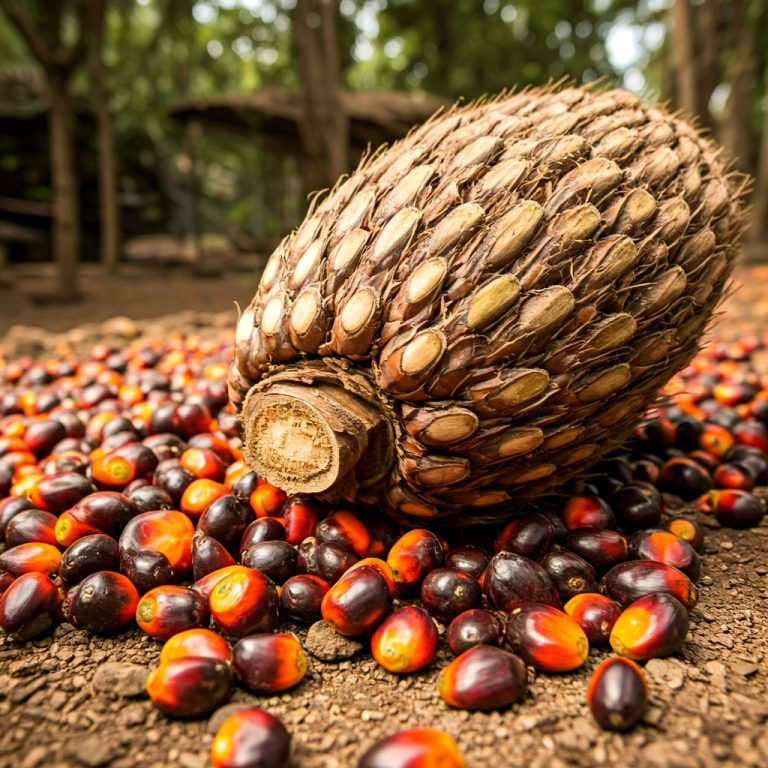
The journey begins with Crude Palm Oil, which is extracted from the fleshy part of the Oil Palm Fruit Bunch. This raw oil is then fractionated—a controlled cooling process that separates it into two main components: a liquid part (olein) and a solid part (stearin). Palm Olein is the liquid fraction, which remains fluid at room temperature in warmer climates and is the primary type used for bottled cooking oil.
The Importance of CP6
The “CP” stands for Cloud Point, and the number indicates the temperature in Celsius at which the oil starts to become cloudy or solidify. Therefore, this specific olein has a cloud point of 6°C. This specification is crucial for buyers in temperate climates, as it ensures the oil remains liquid and easy to pour, even during cooler months.
Technical Specifications of Palm Olein CP6
When purchasing RBD Palm Olein CP6, you will receive a Certificate of Analysis (COA) detailing its key technical data. Understanding these parameters is essential to ensure you receive a high-quality product that meets international standards.
| Parameter | Standard Specification |
|---|---|
| Free Fatty Acid (FFA) as Palmitic | 0.1% Max |
| Moisture & Impurities (M&I) | 0.1% Max |
| Iodine Value (Wijs) | 56 Min |
| Cloud Point | 6°C Max (CP6) |
| Color (5.25″ Lovibond Cell) | 3 Red Max |
| Smoke Point | 220°C Min |
For a comprehensive look at global standards for named vegetable oils, you can refer to the FAO/WHO Codex Alimentarius.
Top 5 Industrial & Commercial Applications
The neutral taste, high heat stability, and excellent shelf life of this refined olein make it a preferred choice across various industries. Its versatility is one of its greatest assets.
1. Industrial Deep Frying
Thanks to its high smoke point (typically above 220°C), it is the go-to oil for fast-food chains and snack manufacturers. It resists breakdown at high temperatures, ensuring crispy results without imparting unwanted flavors. Studies have shown its oxidative stability makes it superior for repeated frying cycles.
2. General Cooking and Home Use
It is sold worldwide as an all-purpose cooking oil. Its affordability and neutral profile make it suitable for sautéing, stir-frying, and baking, allowing the natural flavors of the ingredients to shine through.
3. Production of Margarine and Shortening
The unique fat composition of palm olein provides the desired texture, plasticity, and melting profile for creating high-quality margarines, shortenings, and other spreads used in bakeries and food manufacturing.
4. Confectionery and Baked Goods
In the confectionery industry, it’s used to provide a smooth mouthfeel in chocolate fillings and a glossy finish on coatings. In baked goods, it contributes to a tender crumb and extends shelf life.
5. Non-Food Applications
Beyond the kitchen, palm olein is a key ingredient in soap manufacturing and can be processed into biofuels. Its fatty acid profile makes it a versatile raw material for various oleochemicals. For more on this, check out resources from the Malaysian Palm Oil Council (MPOC).
Understanding Palm Olein CP6 Pricing in 2025
The price of this commodity is dynamic and influenced by several global factors. As a buyer, monitoring these trends is essential for strategic procurement.
- Crude Palm Oil (CPO) Prices: The primary driver. CPO is the raw material, and its market price on exchanges like the Bursa Malaysia Derivatives (BMD) sets the baseline.
- Global Supply and Demand: Production levels in major producers like Indonesia and Malaysia, versus demand from key importers like India, China, and the EU, create price fluctuations.
- Government Policies: Export levies, taxes, and biofuel mandates in producing or importing countries can significantly impact final costs.
- Logistics and Freight Costs: Global shipping rates are a major component of the final landed cost for importers.
To stay informed on market trends, it’s wise to follow reputable financial news outlets that cover agricultural commodities. Staying ahead of these factors allows for better timing on bulk purchases.
How to Choose a Reliable Supplier
Selecting the right supplier is just as important as getting a good price. A reliable partner ensures consistent quality, a smooth supply chain, and regulatory compliance.
Key Factors to Consider:
- Certifications: Look for suppliers with food safety certifications like ISO 22000, HACCP, and Halal. For sustainability, RSPO (Roundtable on Sustainable Palm Oil) certification is the global standard. Learn more about RSPO’s mission here.
- Quality Assurance: A reputable supplier will provide a detailed Certificate of Analysis (COA) for every shipment and be transparent about their quality control processes from refinery to port.
- Packaging Options: Ensure they offer suitable, food-grade packaging for your needs, such as jerry cans, flexibags, or steel drums, to maintain oil integrity during transit.
- Experience and Reputation: Choose a supplier with a proven track record in exporting RBD Palm Olein CP6 to your specific region or country.
A truly reliable supplier often manages a wide portfolio of palm-based products, demonstrating their deep expertise in the industry. Beyond cooking oil, they should be able to provide derivatives from the Palm Kernel, such as Palm Kernel Oil for oleochemicals, Palm Kernel Expeller for animal feed, and even biomass products like Palm Kernel Shell for renewable energy.
Frequently Asked Questions (FAQ)
Is RBD Palm Olein CP6 healthy?
Like all oils and fats, it should be consumed in moderation as part of a balanced diet. It is naturally trans-fat-free and a rich source of Vitamin E (tocotrienols). Its health impact is a topic of ongoing scientific research and debate.
What is the difference between CP6, CP8, and CP10?
The numbers refer to the cloud point in Celsius. CP10 (cloud point 10°C) is more common in tropical markets where ambient temperatures are consistently high. CP8 and CP6 are designed for regions that experience cooler temperatures, ensuring the oil remains liquid and clear on the shelf.
How should I store this cooking oil?
It should be stored in a cool, dry place away from direct sunlight and strong odors. This prevents oxidation and rancidity, ensuring a long and stable shelf life, often up to 24 months from the manufacturing date.
Your Trusted Partner for Palm Products
Looking for High-Quality Palm Products?
Makmur Amanah Sejahtera provides high-quality palm products such as Palm Kernel Expeller, Palm Kernel Shell, Crude Palm Oil, Palm Kernel Oil, etc. Kindly contact us at WhatsApp +6282140002198 or email us at admin@makmuramanah.co.id.

 English
  Indonesian
  Chinese
  Arabic