

4. Sustainable Pulp and Paper Production
The global demand for paper puts immense pressure on forests. The fiber from an Empty Palm Fruit Bunch offers a sustainable alternative. Its cellulose fibers can be pulped and processed to produce various paper products, from writing paper to cardboard, reducing deforestation. This aligns with goals set by environmental agencies like the United Nations Environment Programme (UNEP) to find alternative fiber sources.
5. Manufacturing Fiberboard and Particleboard
Similar to paper production, the strong fibers of the EPFB are ideal for manufacturing medium-density fiberboard (MDF) and particleboard. These engineered wood products are essential in the furniture and construction industries. Using this agricultural byproduct helps create carbon-storing products and preserves timber resources.
6. Building Blocks for Bio-Plastics
In the fight against plastic pollution, bioplastics are a key innovation. The cellulose extracted from the Empty Palm Fruit Bunch can be used as a filler or a primary component in creating biodegradable polymers. This technology is paving the way for more sustainable packaging and single-use products.
7. Nutritious Animal Feed Supplement
While not directly digestible for many animals in its raw form, EPFB can be processed to create a valuable feed supplement for ruminants like cattle and goats. It serves as a great source of roughage, complementing other nutrient-rich byproducts like Palm Kernel Expeller, which is prized for its protein content. Treatments like fermentation or steam processing break down the EPFB’s tough fibers, making the nutrients more accessible and providing a cheap, localized source of dietary fiber.
8. Potash-Rich Ash for Soil Amendment
When an Empty Palm Fruit Bunch is incinerated (often to generate energy), the resulting ash is extremely rich in potassium (potash). This “bunch ash” is a potent, natural potassium fertilizer. It is highly valued for its ability to correct potassium deficiencies in acidic soils, a common issue in tropical agriculture, as noted by institutions like the Centre for Agriculture and Bioscience International (CABI).
9. Substrate for Mushroom Cultivation
The sterile, fibrous nature of a processed EPFB makes it an excellent substrate for growing mushrooms, particularly oyster mushrooms. The bunches provide the necessary cellulose and nutrients for the mycelium to thrive, creating another value-added product from what was once considered waste.
10. Natural Acoustic and Thermal Insulation
The quest for green building materials has led researchers to explore EPFB fibers for insulation. When processed into panels, these natural fibers exhibit excellent thermal and acoustic dampening properties. This makes the Empty Palm Fruit Bunch a potential eco-friendly alternative to synthetic insulation materials like fiberglass.
11. Effective Absorbent for Oil Spills
The porous and oleophilic (oil-attracting) nature of EPFB fibers makes them surprisingly effective at absorbing oil and other hydrocarbon-based pollutants. This application is being explored for cleaning up industrial spills, offering a low-cost, biodegradable solution to environmental contamination. Its properties are documented in various environmental science studies, such as those found in the Journal of Environmental Management.
The Bigger Picture: A Zero-Waste Ecosystem
The versatility of the Empty Palm Fruit Bunch highlights a key principle of sustainable agriculture: creating a zero-waste ecosystem. Every part of the palm fruit is utilized. After the fruitlet is processed for oil, the Palm Kernel inside is crushed to produce valuable Palm Kernel Oil. The remaining byproducts, from the shell to the empty bunch, are then repurposed, ensuring nothing goes to waste and maximizing the value derived from a single harvest.
Conclusion: An Empty Palm Fruit Bunch is More Than Just Waste
The Empty Palm Fruit Bunch is a perfect example of the “waste-to-wealth” philosophy. By embracing innovative technologies and a circular economic model, the palm oil industry can transform a significant environmental liability into a diverse range of valuable, sustainable products. From powering homes to building furniture and cleaning the environment, the future for this humble byproduct is incredibly bright.
Your Source for High-Quality Palm Products
Looking for High-Quality Palm Products?
Makmur Amanah Sejahtera provides high-quality palm products such as Palm Kernel Expeller, Palm Kernel Shell, Crude Palm Oil, Palm Kernel Oil, etc. Kindly contact us at WhatsApp +6282140002198 or email us at admin@makmuramanah.co.id.
- Pellets/Briquettes: The bunches are dried and compressed into pellets for direct combustion in industrial boilers, often alongside other biomass like the dense Palm Kernel Shell, replacing coal or other fossil fuels.Bioethanol: Through enzymatic hydrolysis and fermentation, the cellulose in the EPFB can be converted into bioethanol, a renewable liquid fuel.Biogas: Anaerobic digestion of the Empty Palm Fruit Bunch produces methane-rich biogas, which can be used to generate electricity and heat. Research from journals like Energies highlights its potential.
4. Sustainable Pulp and Paper Production
The global demand for paper puts immense pressure on forests. The fiber from an Empty Palm Fruit Bunch offers a sustainable alternative. Its cellulose fibers can be pulped and processed to produce various paper products, from writing paper to cardboard, reducing deforestation. This aligns with goals set by environmental agencies like the United Nations Environment Programme (UNEP) to find alternative fiber sources.
5. Manufacturing Fiberboard and Particleboard
Similar to paper production, the strong fibers of the EPFB are ideal for manufacturing medium-density fiberboard (MDF) and particleboard. These engineered wood products are essential in the furniture and construction industries. Using this agricultural byproduct helps create carbon-storing products and preserves timber resources.
6. Building Blocks for Bio-Plastics
In the fight against plastic pollution, bioplastics are a key innovation. The cellulose extracted from the Empty Palm Fruit Bunch can be used as a filler or a primary component in creating biodegradable polymers. This technology is paving the way for more sustainable packaging and single-use products.
7. Nutritious Animal Feed Supplement
While not directly digestible for many animals in its raw form, EPFB can be processed to create a valuable feed supplement for ruminants like cattle and goats. It serves as a great source of roughage, complementing other nutrient-rich byproducts like Palm Kernel Expeller, which is prized for its protein content. Treatments like fermentation or steam processing break down the EPFB’s tough fibers, making the nutrients more accessible and providing a cheap, localized source of dietary fiber.
8. Potash-Rich Ash for Soil Amendment
When an Empty Palm Fruit Bunch is incinerated (often to generate energy), the resulting ash is extremely rich in potassium (potash). This “bunch ash” is a potent, natural potassium fertilizer. It is highly valued for its ability to correct potassium deficiencies in acidic soils, a common issue in tropical agriculture, as noted by institutions like the Centre for Agriculture and Bioscience International (CABI).
9. Substrate for Mushroom Cultivation
The sterile, fibrous nature of a processed EPFB makes it an excellent substrate for growing mushrooms, particularly oyster mushrooms. The bunches provide the necessary cellulose and nutrients for the mycelium to thrive, creating another value-added product from what was once considered waste.
10. Natural Acoustic and Thermal Insulation
The quest for green building materials has led researchers to explore EPFB fibers for insulation. When processed into panels, these natural fibers exhibit excellent thermal and acoustic dampening properties. This makes the Empty Palm Fruit Bunch a potential eco-friendly alternative to synthetic insulation materials like fiberglass.
11. Effective Absorbent for Oil Spills
The porous and oleophilic (oil-attracting) nature of EPFB fibers makes them surprisingly effective at absorbing oil and other hydrocarbon-based pollutants. This application is being explored for cleaning up industrial spills, offering a low-cost, biodegradable solution to environmental contamination. Its properties are documented in various environmental science studies, such as those found in the Journal of Environmental Management.
The Bigger Picture: A Zero-Waste Ecosystem
The versatility of the Empty Palm Fruit Bunch highlights a key principle of sustainable agriculture: creating a zero-waste ecosystem. Every part of the palm fruit is utilized. After the fruitlet is processed for oil, the Palm Kernel inside is crushed to produce valuable Palm Kernel Oil. The remaining byproducts, from the shell to the empty bunch, are then repurposed, ensuring nothing goes to waste and maximizing the value derived from a single harvest.
Conclusion: An Empty Palm Fruit Bunch is More Than Just Waste
The Empty Palm Fruit Bunch is a perfect example of the “waste-to-wealth” philosophy. By embracing innovative technologies and a circular economic model, the palm oil industry can transform a significant environmental liability into a diverse range of valuable, sustainable products. From powering homes to building furniture and cleaning the environment, the future for this humble byproduct is incredibly bright.
Your Source for High-Quality Palm Products
Looking for High-Quality Palm Products?
Makmur Amanah Sejahtera provides high-quality palm products such as Palm Kernel Expeller, Palm Kernel Shell, Crude Palm Oil, Palm Kernel Oil, etc. Kindly contact us at WhatsApp +6282140002198 or email us at admin@makmuramanah.co.id.
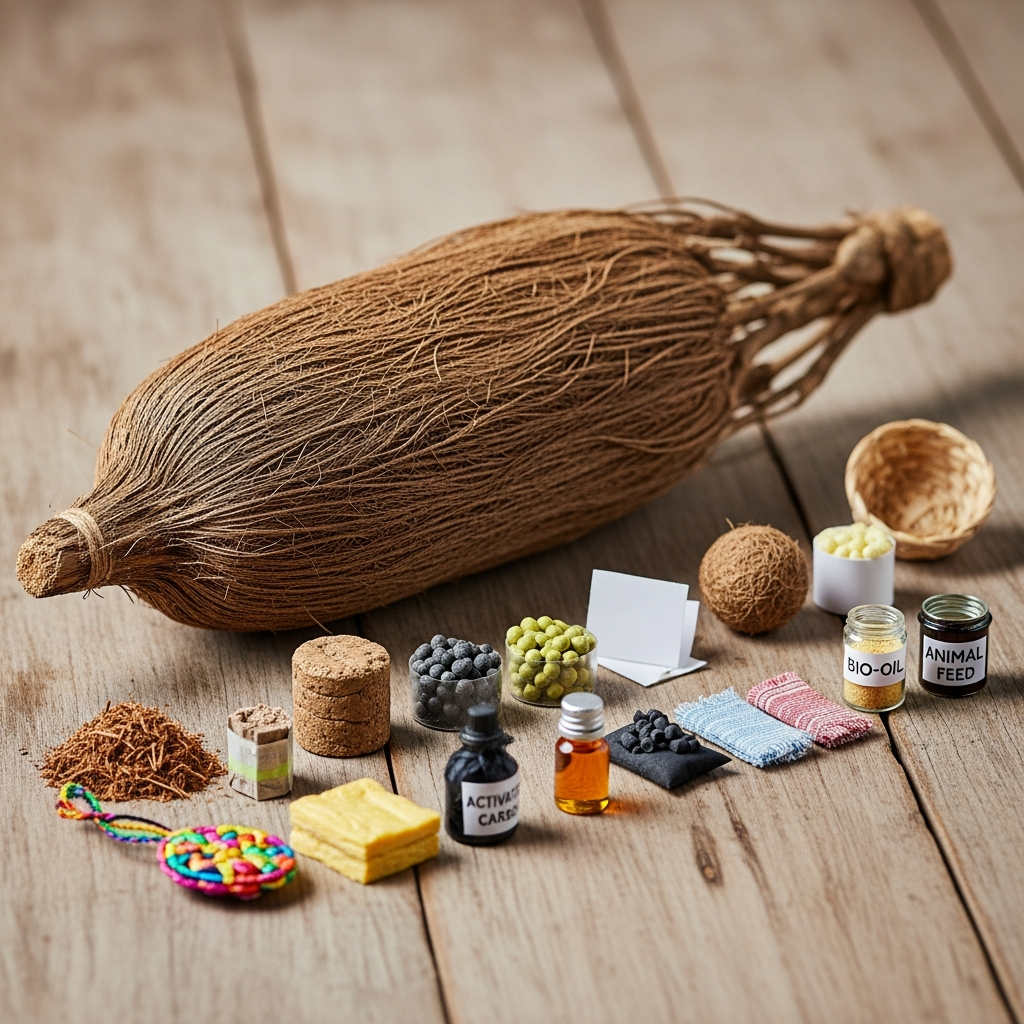
The palm oil industry, known for producing essentials like Crude Palm Oil, is a global giant. But what happens after the valuable Oil Palm Fruit Bunch is processed? A massive amount of biomass is left behind, primarily in the form of the Empty Palm Fruit Bunch (EPFB). For years, this was considered agricultural waste, but a shift towards a circular economy has revealed its incredible potential. This fibrous material is now being recognized as a valuable resource with a surprising number of applications that benefit both the environment and various industries.

11 Incredible Uses for an Empty Palm Fruit Bunch
From sustainable energy to advanced materials, the humble Empty Palm Fruit Bunch is a cornerstone of green innovation. Let’s explore the 11 applications proving that one industry’s waste is another’s treasure.
1. High-Quality Compost and Bio-Fertilizer
One of the most immediate uses for an EPFB is returning its nutrients to the soil. Through composting, the fibrous bunches decompose into a rich, organic fertilizer. This compost improves soil structure, water retention, and microbial activity, reducing the need for chemical fertilizers and creating a closed-loop system right on the plantation.
2. Eco-Friendly Mulching Material
When shredded, the Empty Palm Fruit Bunch makes an excellent mulching material. Spread around the base of palm trees or other crops, it helps suppress weed growth, conserve soil moisture by reducing evaporation, and regulate soil temperature. As it slowly breaks down, it continues to release valuable organic matter into the soil.
3. A Powerhouse for Biofuel and Renewable Energy
The high lignocellulosic content of the EPFB makes it a prime candidate for generating renewable energy. It can be converted into several forms of biofuel:
- Pellets/Briquettes: The bunches are dried and compressed into pellets for direct combustion in industrial boilers, often alongside other biomass like the dense Palm Kernel Shell, replacing coal or other fossil fuels.Bioethanol: Through enzymatic hydrolysis and fermentation, the cellulose in the EPFB can be converted into bioethanol, a renewable liquid fuel.Biogas: Anaerobic digestion of the Empty Palm Fruit Bunch produces methane-rich biogas, which can be used to generate electricity and heat. Research from journals like Energies highlights its potential.
4. Sustainable Pulp and Paper Production
The global demand for paper puts immense pressure on forests. The fiber from an Empty Palm Fruit Bunch offers a sustainable alternative. Its cellulose fibers can be pulped and processed to produce various paper products, from writing paper to cardboard, reducing deforestation. This aligns with goals set by environmental agencies like the United Nations Environment Programme (UNEP) to find alternative fiber sources.
5. Manufacturing Fiberboard and Particleboard
Similar to paper production, the strong fibers of the EPFB are ideal for manufacturing medium-density fiberboard (MDF) and particleboard. These engineered wood products are essential in the furniture and construction industries. Using this agricultural byproduct helps create carbon-storing products and preserves timber resources.
6. Building Blocks for Bio-Plastics
In the fight against plastic pollution, bioplastics are a key innovation. The cellulose extracted from the Empty Palm Fruit Bunch can be used as a filler or a primary component in creating biodegradable polymers. This technology is paving the way for more sustainable packaging and single-use products.
7. Nutritious Animal Feed Supplement
While not directly digestible for many animals in its raw form, EPFB can be processed to create a valuable feed supplement for ruminants like cattle and goats. It serves as a great source of roughage, complementing other nutrient-rich byproducts like Palm Kernel Expeller, which is prized for its protein content. Treatments like fermentation or steam processing break down the EPFB’s tough fibers, making the nutrients more accessible and providing a cheap, localized source of dietary fiber.
8. Potash-Rich Ash for Soil Amendment
When an Empty Palm Fruit Bunch is incinerated (often to generate energy), the resulting ash is extremely rich in potassium (potash). This “bunch ash” is a potent, natural potassium fertilizer. It is highly valued for its ability to correct potassium deficiencies in acidic soils, a common issue in tropical agriculture, as noted by institutions like the Centre for Agriculture and Bioscience International (CABI).
9. Substrate for Mushroom Cultivation
The sterile, fibrous nature of a processed EPFB makes it an excellent substrate for growing mushrooms, particularly oyster mushrooms. The bunches provide the necessary cellulose and nutrients for the mycelium to thrive, creating another value-added product from what was once considered waste.
10. Natural Acoustic and Thermal Insulation
The quest for green building materials has led researchers to explore EPFB fibers for insulation. When processed into panels, these natural fibers exhibit excellent thermal and acoustic dampening properties. This makes the Empty Palm Fruit Bunch a potential eco-friendly alternative to synthetic insulation materials like fiberglass.
11. Effective Absorbent for Oil Spills
The porous and oleophilic (oil-attracting) nature of EPFB fibers makes them surprisingly effective at absorbing oil and other hydrocarbon-based pollutants. This application is being explored for cleaning up industrial spills, offering a low-cost, biodegradable solution to environmental contamination. Its properties are documented in various environmental science studies, such as those found in the Journal of Environmental Management.
The Bigger Picture: A Zero-Waste Ecosystem
The versatility of the Empty Palm Fruit Bunch highlights a key principle of sustainable agriculture: creating a zero-waste ecosystem. Every part of the palm fruit is utilized. After the fruitlet is processed for oil, the Palm Kernel inside is crushed to produce valuable Palm Kernel Oil. The remaining byproducts, from the shell to the empty bunch, are then repurposed, ensuring nothing goes to waste and maximizing the value derived from a single harvest.
Conclusion: An Empty Palm Fruit Bunch is More Than Just Waste
The Empty Palm Fruit Bunch is a perfect example of the “waste-to-wealth” philosophy. By embracing innovative technologies and a circular economic model, the palm oil industry can transform a significant environmental liability into a diverse range of valuable, sustainable products. From powering homes to building furniture and cleaning the environment, the future for this humble byproduct is incredibly bright.
Your Source for High-Quality Palm Products
Looking for High-Quality Palm Products?
Makmur Amanah Sejahtera provides high-quality palm products such as Palm Kernel Expeller, Palm Kernel Shell, Crude Palm Oil, Palm Kernel Oil, etc. Kindly contact us at WhatsApp +6282140002198 or email us at admin@makmuramanah.co.id.
The palm oil industry, known for producing essentials like Crude Palm Oil, is a global giant. But what happens after the valuable Oil Palm Fruit Bunch is processed? A massive amount of biomass is left behind, primarily in the form of the Empty Palm Fruit Bunch (EPFB). For years, this was considered agricultural waste, but a shift towards a circular economy has revealed its incredible potential. This fibrous material is now being recognized as a valuable resource with a surprising number of applications that benefit both the environment and various industries.
11 Incredible Uses for an Empty Palm Fruit Bunch
From sustainable energy to advanced materials, the humble Empty Palm Fruit Bunch is a cornerstone of green innovation. Let’s explore the 11 applications proving that one industry’s waste is another’s treasure.
1. High-Quality Compost and Bio-Fertilizer
One of the most immediate uses for an EPFB is returning its nutrients to the soil. Through composting, the fibrous bunches decompose into a rich, organic fertilizer. This compost improves soil structure, water retention, and microbial activity, reducing the need for chemical fertilizers and creating a closed-loop system right on the plantation.
2. Eco-Friendly Mulching Material
When shredded, the Empty Palm Fruit Bunch makes an excellent mulching material. Spread around the base of palm trees or other crops, it helps suppress weed growth, conserve soil moisture by reducing evaporation, and regulate soil temperature. As it slowly breaks down, it continues to release valuable organic matter into the soil.
3. A Powerhouse for Biofuel and Renewable Energy
The high lignocellulosic content of the EPFB makes it a prime candidate for generating renewable energy. It can be converted into several forms of biofuel:
- Pellets/Briquettes: The bunches are dried and compressed into pellets for direct combustion in industrial boilers, often alongside other biomass like the dense Palm Kernel Shell, replacing coal or other fossil fuels.Bioethanol: Through enzymatic hydrolysis and fermentation, the cellulose in the EPFB can be converted into bioethanol, a renewable liquid fuel.Biogas: Anaerobic digestion of the Empty Palm Fruit Bunch produces methane-rich biogas, which can be used to generate electricity and heat. Research from journals like Energies highlights its potential.
4. Sustainable Pulp and Paper Production
The global demand for paper puts immense pressure on forests. The fiber from an Empty Palm Fruit Bunch offers a sustainable alternative. Its cellulose fibers can be pulped and processed to produce various paper products, from writing paper to cardboard, reducing deforestation. This aligns with goals set by environmental agencies like the United Nations Environment Programme (UNEP) to find alternative fiber sources.
5. Manufacturing Fiberboard and Particleboard
Similar to paper production, the strong fibers of the EPFB are ideal for manufacturing medium-density fiberboard (MDF) and particleboard. These engineered wood products are essential in the furniture and construction industries. Using this agricultural byproduct helps create carbon-storing products and preserves timber resources.
6. Building Blocks for Bio-Plastics
In the fight against plastic pollution, bioplastics are a key innovation. The cellulose extracted from the Empty Palm Fruit Bunch can be used as a filler or a primary component in creating biodegradable polymers. This technology is paving the way for more sustainable packaging and single-use products.
7. Nutritious Animal Feed Supplement
While not directly digestible for many animals in its raw form, EPFB can be processed to create a valuable feed supplement for ruminants like cattle and goats. It serves as a great source of roughage, complementing other nutrient-rich byproducts like Palm Kernel Expeller, which is prized for its protein content. Treatments like fermentation or steam processing break down the EPFB’s tough fibers, making the nutrients more accessible and providing a cheap, localized source of dietary fiber.
8. Potash-Rich Ash for Soil Amendment
When an Empty Palm Fruit Bunch is incinerated (often to generate energy), the resulting ash is extremely rich in potassium (potash). This “bunch ash” is a potent, natural potassium fertilizer. It is highly valued for its ability to correct potassium deficiencies in acidic soils, a common issue in tropical agriculture, as noted by institutions like the Centre for Agriculture and Bioscience International (CABI).
9. Substrate for Mushroom Cultivation
The sterile, fibrous nature of a processed EPFB makes it an excellent substrate for growing mushrooms, particularly oyster mushrooms. The bunches provide the necessary cellulose and nutrients for the mycelium to thrive, creating another value-added product from what was once considered waste.
10. Natural Acoustic and Thermal Insulation
The quest for green building materials has led researchers to explore EPFB fibers for insulation. When processed into panels, these natural fibers exhibit excellent thermal and acoustic dampening properties. This makes the Empty Palm Fruit Bunch a potential eco-friendly alternative to synthetic insulation materials like fiberglass.
11. Effective Absorbent for Oil Spills
The porous and oleophilic (oil-attracting) nature of EPFB fibers makes them surprisingly effective at absorbing oil and other hydrocarbon-based pollutants. This application is being explored for cleaning up industrial spills, offering a low-cost, biodegradable solution to environmental contamination. Its properties are documented in various environmental science studies, such as those found in the Journal of Environmental Management.
The Bigger Picture: A Zero-Waste Ecosystem
The versatility of the Empty Palm Fruit Bunch highlights a key principle of sustainable agriculture: creating a zero-waste ecosystem. Every part of the palm fruit is utilized. After the fruitlet is processed for oil, the Palm Kernel inside is crushed to produce valuable Palm Kernel Oil. The remaining byproducts, from the shell to the empty bunch, are then repurposed, ensuring nothing goes to waste and maximizing the value derived from a single harvest.
Conclusion: An Empty Palm Fruit Bunch is More Than Just Waste
The Empty Palm Fruit Bunch is a perfect example of the “waste-to-wealth” philosophy. By embracing innovative technologies and a circular economic model, the palm oil industry can transform a significant environmental liability into a diverse range of valuable, sustainable products. From powering homes to building furniture and cleaning the environment, the future for this humble byproduct is incredibly bright.
Your Source for High-Quality Palm Products
Looking for High-Quality Palm Products?
Makmur Amanah Sejahtera provides high-quality palm products such as Palm Kernel Expeller, Palm Kernel Shell, Crude Palm Oil, Palm Kernel Oil, etc. Kindly contact us at WhatsApp +6282140002198 or email us at admin@makmuramanah.co.id.
The palm oil industry, known for producing essentials like Crude Palm Oil, is a global giant. But what happens after the valuable Oil Palm Fruit Bunch is processed? A massive amount of biomass is left behind, primarily in the form of the Empty Palm Fruit Bunch (EPFB). For years, this was considered agricultural waste, but a shift towards a circular economy has revealed its incredible potential. This fibrous material is now being recognized as a valuable resource with a surprising number of applications that benefit both the environment and various industries.
11 Incredible Uses for an Empty Palm Fruit Bunch
From sustainable energy to advanced materials, the humble Empty Palm Fruit Bunch is a cornerstone of green innovation. Let’s explore the 11 applications proving that one industry’s waste is another’s treasure.
1. High-Quality Compost and Bio-Fertilizer
One of the most immediate uses for an EPFB is returning its nutrients to the soil. Through composting, the fibrous bunches decompose into a rich, organic fertilizer. This compost improves soil structure, water retention, and microbial activity, reducing the need for chemical fertilizers and creating a closed-loop system right on the plantation.
2. Eco-Friendly Mulching Material
When shredded, the Empty Palm Fruit Bunch makes an excellent mulching material. Spread around the base of palm trees or other crops, it helps suppress weed growth, conserve soil moisture by reducing evaporation, and regulate soil temperature. As it slowly breaks down, it continues to release valuable organic matter into the soil.
3. A Powerhouse for Biofuel and Renewable Energy
The high lignocellulosic content of the EPFB makes it a prime candidate for generating renewable energy. It can be converted into several forms of biofuel:
- Pellets/Briquettes: The bunches are dried and compressed into pellets for direct combustion in industrial boilers, often alongside other biomass like the dense Palm Kernel Shell, replacing coal or other fossil fuels.Bioethanol: Through enzymatic hydrolysis and fermentation, the cellulose in the EPFB can be converted into bioethanol, a renewable liquid fuel.Biogas: Anaerobic digestion of the Empty Palm Fruit Bunch produces methane-rich biogas, which can be used to generate electricity and heat. Research from journals like Energies highlights its potential.
4. Sustainable Pulp and Paper Production
The global demand for paper puts immense pressure on forests. The fiber from an Empty Palm Fruit Bunch offers a sustainable alternative. Its cellulose fibers can be pulped and processed to produce various paper products, from writing paper to cardboard, reducing deforestation. This aligns with goals set by environmental agencies like the United Nations Environment Programme (UNEP) to find alternative fiber sources.
5. Manufacturing Fiberboard and Particleboard
Similar to paper production, the strong fibers of the EPFB are ideal for manufacturing medium-density fiberboard (MDF) and particleboard. These engineered wood products are essential in the furniture and construction industries. Using this agricultural byproduct helps create carbon-storing products and preserves timber resources.
6. Building Blocks for Bio-Plastics
In the fight against plastic pollution, bioplastics are a key innovation. The cellulose extracted from the Empty Palm Fruit Bunch can be used as a filler or a primary component in creating biodegradable polymers. This technology is paving the way for more sustainable packaging and single-use products.
7. Nutritious Animal Feed Supplement
While not directly digestible for many animals in its raw form, EPFB can be processed to create a valuable feed supplement for ruminants like cattle and goats. It serves as a great source of roughage, complementing other nutrient-rich byproducts like Palm Kernel Expeller, which is prized for its protein content. Treatments like fermentation or steam processing break down the EPFB’s tough fibers, making the nutrients more accessible and providing a cheap, localized source of dietary fiber.
8. Potash-Rich Ash for Soil Amendment
When an Empty Palm Fruit Bunch is incinerated (often to generate energy), the resulting ash is extremely rich in potassium (potash). This “bunch ash” is a potent, natural potassium fertilizer. It is highly valued for its ability to correct potassium deficiencies in acidic soils, a common issue in tropical agriculture, as noted by institutions like the Centre for Agriculture and Bioscience International (CABI).
9. Substrate for Mushroom Cultivation
The sterile, fibrous nature of a processed EPFB makes it an excellent substrate for growing mushrooms, particularly oyster mushrooms. The bunches provide the necessary cellulose and nutrients for the mycelium to thrive, creating another value-added product from what was once considered waste.
10. Natural Acoustic and Thermal Insulation
The quest for green building materials has led researchers to explore EPFB fibers for insulation. When processed into panels, these natural fibers exhibit excellent thermal and acoustic dampening properties. This makes the Empty Palm Fruit Bunch a potential eco-friendly alternative to synthetic insulation materials like fiberglass.
11. Effective Absorbent for Oil Spills
The porous and oleophilic (oil-attracting) nature of EPFB fibers makes them surprisingly effective at absorbing oil and other hydrocarbon-based pollutants. This application is being explored for cleaning up industrial spills, offering a low-cost, biodegradable solution to environmental contamination. Its properties are documented in various environmental science studies, such as those found in the Journal of Environmental Management.
The Bigger Picture: A Zero-Waste Ecosystem
The versatility of the Empty Palm Fruit Bunch highlights a key principle of sustainable agriculture: creating a zero-waste ecosystem. Every part of the palm fruit is utilized. After the fruitlet is processed for oil, the Palm Kernel inside is crushed to produce valuable Palm Kernel Oil. The remaining byproducts, from the shell to the empty bunch, are then repurposed, ensuring nothing goes to waste and maximizing the value derived from a single harvest.
Conclusion: An Empty Palm Fruit Bunch is More Than Just Waste
The Empty Palm Fruit Bunch is a perfect example of the “waste-to-wealth” philosophy. By embracing innovative technologies and a circular economic model, the palm oil industry can transform a significant environmental liability into a diverse range of valuable, sustainable products. From powering homes to building furniture and cleaning the environment, the future for this humble byproduct is incredibly bright.
Your Source for High-Quality Palm Products
Looking for High-Quality Palm Products?
Makmur Amanah Sejahtera provides high-quality palm products such as Palm Kernel Expeller, Palm Kernel Shell, Crude Palm Oil, Palm Kernel Oil, etc. Kindly contact us at WhatsApp +6282140002198 or email us at admin@makmuramanah.co.id.
The palm oil industry, known for producing essentials like Crude Palm Oil, is a global giant. But what happens after the valuable Oil Palm Fruit Bunch is processed? A massive amount of biomass is left behind, primarily in the form of the Empty Palm Fruit Bunch (EPFB). For years, this was considered agricultural waste, but a shift towards a circular economy has revealed its incredible potential. This fibrous material is now being recognized as a valuable resource with a surprising number of applications that benefit both the environment and various industries.
11 Incredible Uses for an Empty Palm Fruit Bunch
From sustainable energy to advanced materials, the humble Empty Palm Fruit Bunch is a cornerstone of green innovation. Let’s explore the 11 applications proving that one industry’s waste is another’s treasure.
1. High-Quality Compost and Bio-Fertilizer
One of the most immediate uses for an EPFB is returning its nutrients to the soil. Through composting, the fibrous bunches decompose into a rich, organic fertilizer. This compost improves soil structure, water retention, and microbial activity, reducing the need for chemical fertilizers and creating a closed-loop system right on the plantation.
2. Eco-Friendly Mulching Material
When shredded, the Empty Palm Fruit Bunch makes an excellent mulching material. Spread around the base of palm trees or other crops, it helps suppress weed growth, conserve soil moisture by reducing evaporation, and regulate soil temperature. As it slowly breaks down, it continues to release valuable organic matter into the soil.
3. A Powerhouse for Biofuel and Renewable Energy
The high lignocellulosic content of the EPFB makes it a prime candidate for generating renewable energy. It can be converted into several forms of biofuel:
- Pellets/Briquettes: The bunches are dried and compressed into pellets for direct combustion in industrial boilers, often alongside other biomass like the dense Palm Kernel Shell, replacing coal or other fossil fuels.Bioethanol: Through enzymatic hydrolysis and fermentation, the cellulose in the EPFB can be converted into bioethanol, a renewable liquid fuel.Biogas: Anaerobic digestion of the Empty Palm Fruit Bunch produces methane-rich biogas, which can be used to generate electricity and heat. Research from journals like Energies highlights its potential.
4. Sustainable Pulp and Paper Production
The global demand for paper puts immense pressure on forests. The fiber from an Empty Palm Fruit Bunch offers a sustainable alternative. Its cellulose fibers can be pulped and processed to produce various paper products, from writing paper to cardboard, reducing deforestation. This aligns with goals set by environmental agencies like the United Nations Environment Programme (UNEP) to find alternative fiber sources.
5. Manufacturing Fiberboard and Particleboard
Similar to paper production, the strong fibers of the EPFB are ideal for manufacturing medium-density fiberboard (MDF) and particleboard. These engineered wood products are essential in the furniture and construction industries. Using this agricultural byproduct helps create carbon-storing products and preserves timber resources.
6. Building Blocks for Bio-Plastics
In the fight against plastic pollution, bioplastics are a key innovation. The cellulose extracted from the Empty Palm Fruit Bunch can be used as a filler or a primary component in creating biodegradable polymers. This technology is paving the way for more sustainable packaging and single-use products.
7. Nutritious Animal Feed Supplement
While not directly digestible for many animals in its raw form, EPFB can be processed to create a valuable feed supplement for ruminants like cattle and goats. It serves as a great source of roughage, complementing other nutrient-rich byproducts like Palm Kernel Expeller, which is prized for its protein content. Treatments like fermentation or steam processing break down the EPFB’s tough fibers, making the nutrients more accessible and providing a cheap, localized source of dietary fiber.
8. Potash-Rich Ash for Soil Amendment
When an Empty Palm Fruit Bunch is incinerated (often to generate energy), the resulting ash is extremely rich in potassium (potash). This “bunch ash” is a potent, natural potassium fertilizer. It is highly valued for its ability to correct potassium deficiencies in acidic soils, a common issue in tropical agriculture, as noted by institutions like the Centre for Agriculture and Bioscience International (CABI).
9. Substrate for Mushroom Cultivation
The sterile, fibrous nature of a processed EPFB makes it an excellent substrate for growing mushrooms, particularly oyster mushrooms. The bunches provide the necessary cellulose and nutrients for the mycelium to thrive, creating another value-added product from what was once considered waste.
10. Natural Acoustic and Thermal Insulation
The quest for green building materials has led researchers to explore EPFB fibers for insulation. When processed into panels, these natural fibers exhibit excellent thermal and acoustic dampening properties. This makes the Empty Palm Fruit Bunch a potential eco-friendly alternative to synthetic insulation materials like fiberglass.
11. Effective Absorbent for Oil Spills
The porous and oleophilic (oil-attracting) nature of EPFB fibers makes them surprisingly effective at absorbing oil and other hydrocarbon-based pollutants. This application is being explored for cleaning up industrial spills, offering a low-cost, biodegradable solution to environmental contamination. Its properties are documented in various environmental science studies, such as those found in the Journal of Environmental Management.
The Bigger Picture: A Zero-Waste Ecosystem
The versatility of the Empty Palm Fruit Bunch highlights a key principle of sustainable agriculture: creating a zero-waste ecosystem. Every part of the palm fruit is utilized. After the fruitlet is processed for oil, the Palm Kernel inside is crushed to produce valuable Palm Kernel Oil. The remaining byproducts, from the shell to the empty bunch, are then repurposed, ensuring nothing goes to waste and maximizing the value derived from a single harvest.
Conclusion: An Empty Palm Fruit Bunch is More Than Just Waste
The Empty Palm Fruit Bunch is a perfect example of the “waste-to-wealth” philosophy. By embracing innovative technologies and a circular economic model, the palm oil industry can transform a significant environmental liability into a diverse range of valuable, sustainable products. From powering homes to building furniture and cleaning the environment, the future for this humble byproduct is incredibly bright.
Your Source for High-Quality Palm Products
Looking for High-Quality Palm Products?
Makmur Amanah Sejahtera provides high-quality palm products such as Palm Kernel Expeller, Palm Kernel Shell, Crude Palm Oil, Palm Kernel Oil, etc. Kindly contact us at WhatsApp +6282140002198 or email us at admin@makmuramanah.co.id.
The palm oil industry, known for producing essentials like Crude Palm Oil, is a global giant. But what happens after the valuable Oil Palm Fruit Bunch is processed? A massive amount of biomass is left behind, primarily in the form of the Empty Palm Fruit Bunch (EPFB). For years, this was considered agricultural waste, but a shift towards a circular economy has revealed its incredible potential. This fibrous material is now being recognized as a valuable resource with a surprising number of applications that benefit both the environment and various industries.
11 Incredible Uses for an Empty Palm Fruit Bunch
From sustainable energy to advanced materials, the humble Empty Palm Fruit Bunch is a cornerstone of green innovation. Let’s explore the 11 applications proving that one industry’s waste is another’s treasure.
1. High-Quality Compost and Bio-Fertilizer
One of the most immediate uses for an EPFB is returning its nutrients to the soil. Through composting, the fibrous bunches decompose into a rich, organic fertilizer. This compost improves soil structure, water retention, and microbial activity, reducing the need for chemical fertilizers and creating a closed-loop system right on the plantation.
2. Eco-Friendly Mulching Material
When shredded, the Empty Palm Fruit Bunch makes an excellent mulching material. Spread around the base of palm trees or other crops, it helps suppress weed growth, conserve soil moisture by reducing evaporation, and regulate soil temperature. As it slowly breaks down, it continues to release valuable organic matter into the soil.
3. A Powerhouse for Biofuel and Renewable Energy
The high lignocellulosic content of the EPFB makes it a prime candidate for generating renewable energy. It can be converted into several forms of biofuel:
- Pellets/Briquettes: The bunches are dried and compressed into pellets for direct combustion in industrial boilers, often alongside other biomass like the dense Palm Kernel Shell, replacing coal or other fossil fuels.Bioethanol: Through enzymatic hydrolysis and fermentation, the cellulose in the EPFB can be converted into bioethanol, a renewable liquid fuel.Biogas: Anaerobic digestion of the Empty Palm Fruit Bunch produces methane-rich biogas, which can be used to generate electricity and heat. Research from journals like Energies highlights its potential.
4. Sustainable Pulp and Paper Production
The global demand for paper puts immense pressure on forests. The fiber from an Empty Palm Fruit Bunch offers a sustainable alternative. Its cellulose fibers can be pulped and processed to produce various paper products, from writing paper to cardboard, reducing deforestation. This aligns with goals set by environmental agencies like the United Nations Environment Programme (UNEP) to find alternative fiber sources.
5. Manufacturing Fiberboard and Particleboard
Similar to paper production, the strong fibers of the EPFB are ideal for manufacturing medium-density fiberboard (MDF) and particleboard. These engineered wood products are essential in the furniture and construction industries. Using this agricultural byproduct helps create carbon-storing products and preserves timber resources.
6. Building Blocks for Bio-Plastics
In the fight against plastic pollution, bioplastics are a key innovation. The cellulose extracted from the Empty Palm Fruit Bunch can be used as a filler or a primary component in creating biodegradable polymers. This technology is paving the way for more sustainable packaging and single-use products.
7. Nutritious Animal Feed Supplement
While not directly digestible for many animals in its raw form, EPFB can be processed to create a valuable feed supplement for ruminants like cattle and goats. It serves as a great source of roughage, complementing other nutrient-rich byproducts like Palm Kernel Expeller, which is prized for its protein content. Treatments like fermentation or steam processing break down the EPFB’s tough fibers, making the nutrients more accessible and providing a cheap, localized source of dietary fiber.
8. Potash-Rich Ash for Soil Amendment
When an Empty Palm Fruit Bunch is incinerated (often to generate energy), the resulting ash is extremely rich in potassium (potash). This “bunch ash” is a potent, natural potassium fertilizer. It is highly valued for its ability to correct potassium deficiencies in acidic soils, a common issue in tropical agriculture, as noted by institutions like the Centre for Agriculture and Bioscience International (CABI).
9. Substrate for Mushroom Cultivation
The sterile, fibrous nature of a processed EPFB makes it an excellent substrate for growing mushrooms, particularly oyster mushrooms. The bunches provide the necessary cellulose and nutrients for the mycelium to thrive, creating another value-added product from what was once considered waste.
10. Natural Acoustic and Thermal Insulation
The quest for green building materials has led researchers to explore EPFB fibers for insulation. When processed into panels, these natural fibers exhibit excellent thermal and acoustic dampening properties. This makes the Empty Palm Fruit Bunch a potential eco-friendly alternative to synthetic insulation materials like fiberglass.
11. Effective Absorbent for Oil Spills
The porous and oleophilic (oil-attracting) nature of EPFB fibers makes them surprisingly effective at absorbing oil and other hydrocarbon-based pollutants. This application is being explored for cleaning up industrial spills, offering a low-cost, biodegradable solution to environmental contamination. Its properties are documented in various environmental science studies, such as those found in the Journal of Environmental Management.
The Bigger Picture: A Zero-Waste Ecosystem
The versatility of the Empty Palm Fruit Bunch highlights a key principle of sustainable agriculture: creating a zero-waste ecosystem. Every part of the palm fruit is utilized. After the fruitlet is processed for oil, the Palm Kernel inside is crushed to produce valuable Palm Kernel Oil. The remaining byproducts, from the shell to the empty bunch, are then repurposed, ensuring nothing goes to waste and maximizing the value derived from a single harvest.
Conclusion: An Empty Palm Fruit Bunch is More Than Just Waste
The Empty Palm Fruit Bunch is a perfect example of the “waste-to-wealth” philosophy. By embracing innovative technologies and a circular economic model, the palm oil industry can transform a significant environmental liability into a diverse range of valuable, sustainable products. From powering homes to building furniture and cleaning the environment, the future for this humble byproduct is incredibly bright.
Your Source for High-Quality Palm Products
Looking for High-Quality Palm Products?
Makmur Amanah Sejahtera provides high-quality palm products such as Palm Kernel Expeller, Palm Kernel Shell, Crude Palm Oil, Palm Kernel Oil, etc. Kindly contact us at WhatsApp +6282140002198 or email us at admin@makmuramanah.co.id.
The palm oil industry, known for producing essentials like Crude Palm Oil, is a global giant. But what happens after the valuable Oil Palm Fruit Bunch is processed? A massive amount of biomass is left behind, primarily in the form of the Empty Palm Fruit Bunch (EPFB). For years, this was considered agricultural waste, but a shift towards a circular economy has revealed its incredible potential. This fibrous material is now being recognized as a valuable resource with a surprising number of applications that benefit both the environment and various industries.
11 Incredible Uses for an Empty Palm Fruit Bunch
From sustainable energy to advanced materials, the humble Empty Palm Fruit Bunch is a cornerstone of green innovation. Let’s explore the 11 applications proving that one industry’s waste is another’s treasure.
1. High-Quality Compost and Bio-Fertilizer
One of the most immediate uses for an EPFB is returning its nutrients to the soil. Through composting, the fibrous bunches decompose into a rich, organic fertilizer. This compost improves soil structure, water retention, and microbial activity, reducing the need for chemical fertilizers and creating a closed-loop system right on the plantation.
2. Eco-Friendly Mulching Material
When shredded, the Empty Palm Fruit Bunch makes an excellent mulching material. Spread around the base of palm trees or other crops, it helps suppress weed growth, conserve soil moisture by reducing evaporation, and regulate soil temperature. As it slowly breaks down, it continues to release valuable organic matter into the soil.
3. A Powerhouse for Biofuel and Renewable Energy
The high lignocellulosic content of the EPFB makes it a prime candidate for generating renewable energy. It can be converted into several forms of biofuel:
- Pellets/Briquettes: The bunches are dried and compressed into pellets for direct combustion in industrial boilers, often alongside other biomass like the dense Palm Kernel Shell, replacing coal or other fossil fuels.Bioethanol: Through enzymatic hydrolysis and fermentation, the cellulose in the EPFB can be converted into bioethanol, a renewable liquid fuel.Biogas: Anaerobic digestion of the Empty Palm Fruit Bunch produces methane-rich biogas, which can be used to generate electricity and heat. Research from journals like Energies highlights its potential.
4. Sustainable Pulp and Paper Production
The global demand for paper puts immense pressure on forests. The fiber from an Empty Palm Fruit Bunch offers a sustainable alternative. Its cellulose fibers can be pulped and processed to produce various paper products, from writing paper to cardboard, reducing deforestation. This aligns with goals set by environmental agencies like the United Nations Environment Programme (UNEP) to find alternative fiber sources.
5. Manufacturing Fiberboard and Particleboard
Similar to paper production, the strong fibers of the EPFB are ideal for manufacturing medium-density fiberboard (MDF) and particleboard. These engineered wood products are essential in the furniture and construction industries. Using this agricultural byproduct helps create carbon-storing products and preserves timber resources.
6. Building Blocks for Bio-Plastics
In the fight against plastic pollution, bioplastics are a key innovation. The cellulose extracted from the Empty Palm Fruit Bunch can be used as a filler or a primary component in creating biodegradable polymers. This technology is paving the way for more sustainable packaging and single-use products.
7. Nutritious Animal Feed Supplement
While not directly digestible for many animals in its raw form, EPFB can be processed to create a valuable feed supplement for ruminants like cattle and goats. It serves as a great source of roughage, complementing other nutrient-rich byproducts like Palm Kernel Expeller, which is prized for its protein content. Treatments like fermentation or steam processing break down the EPFB’s tough fibers, making the nutrients more accessible and providing a cheap, localized source of dietary fiber.
8. Potash-Rich Ash for Soil Amendment
When an Empty Palm Fruit Bunch is incinerated (often to generate energy), the resulting ash is extremely rich in potassium (potash). This “bunch ash” is a potent, natural potassium fertilizer. It is highly valued for its ability to correct potassium deficiencies in acidic soils, a common issue in tropical agriculture, as noted by institutions like the Centre for Agriculture and Bioscience International (CABI).
9. Substrate for Mushroom Cultivation
The sterile, fibrous nature of a processed EPFB makes it an excellent substrate for growing mushrooms, particularly oyster mushrooms. The bunches provide the necessary cellulose and nutrients for the mycelium to thrive, creating another value-added product from what was once considered waste.
10. Natural Acoustic and Thermal Insulation
The quest for green building materials has led researchers to explore EPFB fibers for insulation. When processed into panels, these natural fibers exhibit excellent thermal and acoustic dampening properties. This makes the Empty Palm Fruit Bunch a potential eco-friendly alternative to synthetic insulation materials like fiberglass.
11. Effective Absorbent for Oil Spills
The porous and oleophilic (oil-attracting) nature of EPFB fibers makes them surprisingly effective at absorbing oil and other hydrocarbon-based pollutants. This application is being explored for cleaning up industrial spills, offering a low-cost, biodegradable solution to environmental contamination. Its properties are documented in various environmental science studies, such as those found in the Journal of Environmental Management.
The Bigger Picture: A Zero-Waste Ecosystem
The versatility of the Empty Palm Fruit Bunch highlights a key principle of sustainable agriculture: creating a zero-waste ecosystem. Every part of the palm fruit is utilized. After the fruitlet is processed for oil, the Palm Kernel inside is crushed to produce valuable Palm Kernel Oil. The remaining byproducts, from the shell to the empty bunch, are then repurposed, ensuring nothing goes to waste and maximizing the value derived from a single harvest.
Conclusion: An Empty Palm Fruit Bunch is More Than Just Waste
The Empty Palm Fruit Bunch is a perfect example of the “waste-to-wealth” philosophy. By embracing innovative technologies and a circular economic model, the palm oil industry can transform a significant environmental liability into a diverse range of valuable, sustainable products. From powering homes to building furniture and cleaning the environment, the future for this humble byproduct is incredibly bright.
Your Source for High-Quality Palm Products
Looking for High-Quality Palm Products?
Makmur Amanah Sejahtera provides high-quality palm products such as Palm Kernel Expeller, Palm Kernel Shell, Crude Palm Oil, Palm Kernel Oil, etc. Kindly contact us at WhatsApp +6282140002198 or email us at admin@makmuramanah.co.id.
The palm oil industry, known for producing essentials like Crude Palm Oil, is a global giant. But what happens after the valuable Oil Palm Fruit Bunch is processed? A massive amount of biomass is left behind, primarily in the form of the Empty Palm Fruit Bunch (EPFB). For years, this was considered agricultural waste, but a shift towards a circular economy has revealed its incredible potential. This fibrous material is now being recognized as a valuable resource with a surprising number of applications that benefit both the environment and various industries.
11 Incredible Uses for an Empty Palm Fruit Bunch
From sustainable energy to advanced materials, the humble Empty Palm Fruit Bunch is a cornerstone of green innovation. Let’s explore the 11 applications proving that one industry’s waste is another’s treasure.
1. High-Quality Compost and Bio-Fertilizer
One of the most immediate uses for an EPFB is returning its nutrients to the soil. Through composting, the fibrous bunches decompose into a rich, organic fertilizer. This compost improves soil structure, water retention, and microbial activity, reducing the need for chemical fertilizers and creating a closed-loop system right on the plantation.
2. Eco-Friendly Mulching Material
When shredded, the Empty Palm Fruit Bunch makes an excellent mulching material. Spread around the base of palm trees or other crops, it helps suppress weed growth, conserve soil moisture by reducing evaporation, and regulate soil temperature. As it slowly breaks down, it continues to release valuable organic matter into the soil.
3. A Powerhouse for Biofuel and Renewable Energy
The high lignocellulosic content of the EPFB makes it a prime candidate for generating renewable energy. It can be converted into several forms of biofuel:
- Pellets/Briquettes: The bunches are dried and compressed into pellets for direct combustion in industrial boilers, often alongside other biomass like the dense Palm Kernel Shell, replacing coal or other fossil fuels.Bioethanol: Through enzymatic hydrolysis and fermentation, the cellulose in the EPFB can be converted into bioethanol, a renewable liquid fuel.Biogas: Anaerobic digestion of the Empty Palm Fruit Bunch produces methane-rich biogas, which can be used to generate electricity and heat. Research from journals like Energies highlights its potential.
4. Sustainable Pulp and Paper Production
The global demand for paper puts immense pressure on forests. The fiber from an Empty Palm Fruit Bunch offers a sustainable alternative. Its cellulose fibers can be pulped and processed to produce various paper products, from writing paper to cardboard, reducing deforestation. This aligns with goals set by environmental agencies like the United Nations Environment Programme (UNEP) to find alternative fiber sources.
5. Manufacturing Fiberboard and Particleboard
Similar to paper production, the strong fibers of the EPFB are ideal for manufacturing medium-density fiberboard (MDF) and particleboard. These engineered wood products are essential in the furniture and construction industries. Using this agricultural byproduct helps create carbon-storing products and preserves timber resources.
6. Building Blocks for Bio-Plastics
In the fight against plastic pollution, bioplastics are a key innovation. The cellulose extracted from the Empty Palm Fruit Bunch can be used as a filler or a primary component in creating biodegradable polymers. This technology is paving the way for more sustainable packaging and single-use products.
7. Nutritious Animal Feed Supplement
While not directly digestible for many animals in its raw form, EPFB can be processed to create a valuable feed supplement for ruminants like cattle and goats. It serves as a great source of roughage, complementing other nutrient-rich byproducts like Palm Kernel Expeller, which is prized for its protein content. Treatments like fermentation or steam processing break down the EPFB’s tough fibers, making the nutrients more accessible and providing a cheap, localized source of dietary fiber.
8. Potash-Rich Ash for Soil Amendment
When an Empty Palm Fruit Bunch is incinerated (often to generate energy), the resulting ash is extremely rich in potassium (potash). This “bunch ash” is a potent, natural potassium fertilizer. It is highly valued for its ability to correct potassium deficiencies in acidic soils, a common issue in tropical agriculture, as noted by institutions like the Centre for Agriculture and Bioscience International (CABI).
9. Substrate for Mushroom Cultivation
The sterile, fibrous nature of a processed EPFB makes it an excellent substrate for growing mushrooms, particularly oyster mushrooms. The bunches provide the necessary cellulose and nutrients for the mycelium to thrive, creating another value-added product from what was once considered waste.
10. Natural Acoustic and Thermal Insulation
The quest for green building materials has led researchers to explore EPFB fibers for insulation. When processed into panels, these natural fibers exhibit excellent thermal and acoustic dampening properties. This makes the Empty Palm Fruit Bunch a potential eco-friendly alternative to synthetic insulation materials like fiberglass.
11. Effective Absorbent for Oil Spills
The porous and oleophilic (oil-attracting) nature of EPFB fibers makes them surprisingly effective at absorbing oil and other hydrocarbon-based pollutants. This application is being explored for cleaning up industrial spills, offering a low-cost, biodegradable solution to environmental contamination. Its properties are documented in various environmental science studies, such as those found in the Journal of Environmental Management.
The Bigger Picture: A Zero-Waste Ecosystem
The versatility of the Empty Palm Fruit Bunch highlights a key principle of sustainable agriculture: creating a zero-waste ecosystem. Every part of the palm fruit is utilized. After the fruitlet is processed for oil, the Palm Kernel inside is crushed to produce valuable Palm Kernel Oil. The remaining byproducts, from the shell to the empty bunch, are then repurposed, ensuring nothing goes to waste and maximizing the value derived from a single harvest.
Conclusion: An Empty Palm Fruit Bunch is More Than Just Waste
The Empty Palm Fruit Bunch is a perfect example of the “waste-to-wealth” philosophy. By embracing innovative technologies and a circular economic model, the palm oil industry can transform a significant environmental liability into a diverse range of valuable, sustainable products. From powering homes to building furniture and cleaning the environment, the future for this humble byproduct is incredibly bright.
Your Source for High-Quality Palm Products
Looking for High-Quality Palm Products?
Makmur Amanah Sejahtera provides high-quality palm products such as Palm Kernel Expeller, Palm Kernel Shell, Crude Palm Oil, Palm Kernel Oil, etc. Kindly contact us at WhatsApp +6282140002198 or email us at admin@makmuramanah.co.id.
The palm oil industry, known for producing essentials like Crude Palm Oil, is a global giant. But what happens after the valuable Oil Palm Fruit Bunch is processed? A massive amount of biomass is left behind, primarily in the form of the Empty Palm Fruit Bunch (EPFB). For years, this was considered agricultural waste, but a shift towards a circular economy has revealed its incredible potential. This fibrous material is now being recognized as a valuable resource with a surprising number of applications that benefit both the environment and various industries.
11 Incredible Uses for an Empty Palm Fruit Bunch
From sustainable energy to advanced materials, the humble Empty Palm Fruit Bunch is a cornerstone of green innovation. Let’s explore the 11 applications proving that one industry’s waste is another’s treasure.
1. High-Quality Compost and Bio-Fertilizer
One of the most immediate uses for an EPFB is returning its nutrients to the soil. Through composting, the fibrous bunches decompose into a rich, organic fertilizer. This compost improves soil structure, water retention, and microbial activity, reducing the need for chemical fertilizers and creating a closed-loop system right on the plantation.
2. Eco-Friendly Mulching Material
When shredded, the Empty Palm Fruit Bunch makes an excellent mulching material. Spread around the base of palm trees or other crops, it helps suppress weed growth, conserve soil moisture by reducing evaporation, and regulate soil temperature. As it slowly breaks down, it continues to release valuable organic matter into the soil.
3. A Powerhouse for Biofuel and Renewable Energy
The high lignocellulosic content of the EPFB makes it a prime candidate for generating renewable energy. It can be converted into several forms of biofuel:
- Pellets/Briquettes: The bunches are dried and compressed into pellets for direct combustion in industrial boilers, often alongside other biomass like the dense Palm Kernel Shell, replacing coal or other fossil fuels.Bioethanol: Through enzymatic hydrolysis and fermentation, the cellulose in the EPFB can be converted into bioethanol, a renewable liquid fuel.Biogas: Anaerobic digestion of the Empty Palm Fruit Bunch produces methane-rich biogas, which can be used to generate electricity and heat. Research from journals like Energies highlights its potential.
4. Sustainable Pulp and Paper Production
The global demand for paper puts immense pressure on forests. The fiber from an Empty Palm Fruit Bunch offers a sustainable alternative. Its cellulose fibers can be pulped and processed to produce various paper products, from writing paper to cardboard, reducing deforestation. This aligns with goals set by environmental agencies like the United Nations Environment Programme (UNEP) to find alternative fiber sources.
5. Manufacturing Fiberboard and Particleboard
Similar to paper production, the strong fibers of the EPFB are ideal for manufacturing medium-density fiberboard (MDF) and particleboard. These engineered wood products are essential in the furniture and construction industries. Using this agricultural byproduct helps create carbon-storing products and preserves timber resources.
6. Building Blocks for Bio-Plastics
In the fight against plastic pollution, bioplastics are a key innovation. The cellulose extracted from the Empty Palm Fruit Bunch can be used as a filler or a primary component in creating biodegradable polymers. This technology is paving the way for more sustainable packaging and single-use products.
7. Nutritious Animal Feed Supplement
While not directly digestible for many animals in its raw form, EPFB can be processed to create a valuable feed supplement for ruminants like cattle and goats. It serves as a great source of roughage, complementing other nutrient-rich byproducts like Palm Kernel Expeller, which is prized for its protein content. Treatments like fermentation or steam processing break down the EPFB’s tough fibers, making the nutrients more accessible and providing a cheap, localized source of dietary fiber.
8. Potash-Rich Ash for Soil Amendment
When an Empty Palm Fruit Bunch is incinerated (often to generate energy), the resulting ash is extremely rich in potassium (potash). This “bunch ash” is a potent, natural potassium fertilizer. It is highly valued for its ability to correct potassium deficiencies in acidic soils, a common issue in tropical agriculture, as noted by institutions like the Centre for Agriculture and Bioscience International (CABI).
9. Substrate for Mushroom Cultivation
The sterile, fibrous nature of a processed EPFB makes it an excellent substrate for growing mushrooms, particularly oyster mushrooms. The bunches provide the necessary cellulose and nutrients for the mycelium to thrive, creating another value-added product from what was once considered waste.
10. Natural Acoustic and Thermal Insulation
The quest for green building materials has led researchers to explore EPFB fibers for insulation. When processed into panels, these natural fibers exhibit excellent thermal and acoustic dampening properties. This makes the Empty Palm Fruit Bunch a potential eco-friendly alternative to synthetic insulation materials like fiberglass.
11. Effective Absorbent for Oil Spills
The porous and oleophilic (oil-attracting) nature of EPFB fibers makes them surprisingly effective at absorbing oil and other hydrocarbon-based pollutants. This application is being explored for cleaning up industrial spills, offering a low-cost, biodegradable solution to environmental contamination. Its properties are documented in various environmental science studies, such as those found in the Journal of Environmental Management.
The Bigger Picture: A Zero-Waste Ecosystem
The versatility of the Empty Palm Fruit Bunch highlights a key principle of sustainable agriculture: creating a zero-waste ecosystem. Every part of the palm fruit is utilized. After the fruitlet is processed for oil, the Palm Kernel inside is crushed to produce valuable Palm Kernel Oil. The remaining byproducts, from the shell to the empty bunch, are then repurposed, ensuring nothing goes to waste and maximizing the value derived from a single harvest.
Conclusion: An Empty Palm Fruit Bunch is More Than Just Waste
The Empty Palm Fruit Bunch is a perfect example of the “waste-to-wealth” philosophy. By embracing innovative technologies and a circular economic model, the palm oil industry can transform a significant environmental liability into a diverse range of valuable, sustainable products. From powering homes to building furniture and cleaning the environment, the future for this humble byproduct is incredibly bright.
Your Source for High-Quality Palm Products
Looking for High-Quality Palm Products?
Makmur Amanah Sejahtera provides high-quality palm products such as Palm Kernel Expeller, Palm Kernel Shell, Crude Palm Oil, Palm Kernel Oil, etc. Kindly contact us at WhatsApp +6282140002198 or email us at admin@makmuramanah.co.id.
- 1. High-Quality Compost and Bio-Fertilizer
- 2. Eco-Friendly Mulching Material
- 3. A Powerhouse for Biofuel and Renewable Energy
- 4. Sustainable Pulp and Paper Production
- 5. Manufacturing Fiberboard and Particleboard
- 6. Building Blocks for Bio-Plastics
- 7. Nutritious Animal Feed Supplement
- 8. Potash-Rich Ash for Soil Amendment
- 9. Substrate for Mushroom Cultivation
- 10. Natural Acoustic and Thermal Insulation
- 11. Effective Absorbent for Oil Spills
The palm oil industry, known for producing essentials like Crude Palm Oil, is a global giant. But what happens after the valuable Oil Palm Fruit Bunch is processed? A massive amount of biomass is left behind, primarily in the form of the Empty Palm Fruit Bunch (EPFB). For years, this was considered agricultural waste, but a shift towards a circular economy has revealed its incredible potential. This fibrous material is now being recognized as a valuable resource with a surprising number of applications that benefit both the environment and various industries.
11 Incredible Uses for an Empty Palm Fruit Bunch
From sustainable energy to advanced materials, the humble Empty Palm Fruit Bunch is a cornerstone of green innovation. Let’s explore the 11 applications proving that one industry’s waste is another’s treasure.
1. High-Quality Compost and Bio-Fertilizer
One of the most immediate uses for an EPFB is returning its nutrients to the soil. Through composting, the fibrous bunches decompose into a rich, organic fertilizer. This compost improves soil structure, water retention, and microbial activity, reducing the need for chemical fertilizers and creating a closed-loop system right on the plantation.
2. Eco-Friendly Mulching Material
When shredded, the Empty Palm Fruit Bunch makes an excellent mulching material. Spread around the base of palm trees or other crops, it helps suppress weed growth, conserve soil moisture by reducing evaporation, and regulate soil temperature. As it slowly breaks down, it continues to release valuable organic matter into the soil.
3. A Powerhouse for Biofuel and Renewable Energy
The high lignocellulosic content of the EPFB makes it a prime candidate for generating renewable energy. It can be converted into several forms of biofuel:
- Pellets/Briquettes: The bunches are dried and compressed into pellets for direct combustion in industrial boilers, often alongside other biomass like the dense Palm Kernel Shell, replacing coal or other fossil fuels.Bioethanol: Through enzymatic hydrolysis and fermentation, the cellulose in the EPFB can be converted into bioethanol, a renewable liquid fuel.Biogas: Anaerobic digestion of the Empty Palm Fruit Bunch produces methane-rich biogas, which can be used to generate electricity and heat. Research from journals like Energies highlights its potential.
4. Sustainable Pulp and Paper Production
The global demand for paper puts immense pressure on forests. The fiber from an Empty Palm Fruit Bunch offers a sustainable alternative. Its cellulose fibers can be pulped and processed to produce various paper products, from writing paper to cardboard, reducing deforestation. This aligns with goals set by environmental agencies like the United Nations Environment Programme (UNEP) to find alternative fiber sources.
5. Manufacturing Fiberboard and Particleboard
Similar to paper production, the strong fibers of the EPFB are ideal for manufacturing medium-density fiberboard (MDF) and particleboard. These engineered wood products are essential in the furniture and construction industries. Using this agricultural byproduct helps create carbon-storing products and preserves timber resources.
6. Building Blocks for Bio-Plastics
In the fight against plastic pollution, bioplastics are a key innovation. The cellulose extracted from the Empty Palm Fruit Bunch can be used as a filler or a primary component in creating biodegradable polymers. This technology is paving the way for more sustainable packaging and single-use products.
7. Nutritious Animal Feed Supplement
While not directly digestible for many animals in its raw form, EPFB can be processed to create a valuable feed supplement for ruminants like cattle and goats. It serves as a great source of roughage, complementing other nutrient-rich byproducts like Palm Kernel Expeller, which is prized for its protein content. Treatments like fermentation or steam processing break down the EPFB’s tough fibers, making the nutrients more accessible and providing a cheap, localized source of dietary fiber.
8. Potash-Rich Ash for Soil Amendment
When an Empty Palm Fruit Bunch is incinerated (often to generate energy), the resulting ash is extremely rich in potassium (potash). This “bunch ash” is a potent, natural potassium fertilizer. It is highly valued for its ability to correct potassium deficiencies in acidic soils, a common issue in tropical agriculture, as noted by institutions like the Centre for Agriculture and Bioscience International (CABI).
9. Substrate for Mushroom Cultivation
The sterile, fibrous nature of a processed EPFB makes it an excellent substrate for growing mushrooms, particularly oyster mushrooms. The bunches provide the necessary cellulose and nutrients for the mycelium to thrive, creating another value-added product from what was once considered waste.
10. Natural Acoustic and Thermal Insulation
The quest for green building materials has led researchers to explore EPFB fibers for insulation. When processed into panels, these natural fibers exhibit excellent thermal and acoustic dampening properties. This makes the Empty Palm Fruit Bunch a potential eco-friendly alternative to synthetic insulation materials like fiberglass.
11. Effective Absorbent for Oil Spills
The porous and oleophilic (oil-attracting) nature of EPFB fibers makes them surprisingly effective at absorbing oil and other hydrocarbon-based pollutants. This application is being explored for cleaning up industrial spills, offering a low-cost, biodegradable solution to environmental contamination. Its properties are documented in various environmental science studies, such as those found in the Journal of Environmental Management.
The Bigger Picture: A Zero-Waste Ecosystem
The versatility of the Empty Palm Fruit Bunch highlights a key principle of sustainable agriculture: creating a zero-waste ecosystem. Every part of the palm fruit is utilized. After the fruitlet is processed for oil, the Palm Kernel inside is crushed to produce valuable Palm Kernel Oil. The remaining byproducts, from the shell to the empty bunch, are then repurposed, ensuring nothing goes to waste and maximizing the value derived from a single harvest.
Conclusion: An Empty Palm Fruit Bunch is More Than Just Waste
The Empty Palm Fruit Bunch is a perfect example of the “waste-to-wealth” philosophy. By embracing innovative technologies and a circular economic model, the palm oil industry can transform a significant environmental liability into a diverse range of valuable, sustainable products. From powering homes to building furniture and cleaning the environment, the future for this humble byproduct is incredibly bright.
Your Source for High-Quality Palm Products
Looking for High-Quality Palm Products?
Makmur Amanah Sejahtera provides high-quality palm products such as Palm Kernel Expeller, Palm Kernel Shell, Crude Palm Oil, Palm Kernel Oil, etc. Kindly contact us at WhatsApp +6282140002198 or email us at admin@makmuramanah.co.id.
- 1. High-Quality Compost and Bio-Fertilizer
- 2. Eco-Friendly Mulching Material
- 3. A Powerhouse for Biofuel and Renewable Energy
- 4. Sustainable Pulp and Paper Production
- 5. Manufacturing Fiberboard and Particleboard
- 6. Building Blocks for Bio-Plastics
- 7. Nutritious Animal Feed Supplement
- 8. Potash-Rich Ash for Soil Amendment
- 9. Substrate for Mushroom Cultivation
- 10. Natural Acoustic and Thermal Insulation
- 11. Effective Absorbent for Oil Spills
The palm oil industry, known for producing essentials like Crude Palm Oil, is a global giant. But what happens after the valuable Oil Palm Fruit Bunch is processed? A massive amount of biomass is left behind, primarily in the form of the Empty Palm Fruit Bunch (EPFB). For years, this was considered agricultural waste, but a shift towards a circular economy has revealed its incredible potential. This fibrous material is now being recognized as a valuable resource with a surprising number of applications that benefit both the environment and various industries.
11 Incredible Uses for an Empty Palm Fruit Bunch
From sustainable energy to advanced materials, the humble Empty Palm Fruit Bunch is a cornerstone of green innovation. Let’s explore the 11 applications proving that one industry’s waste is another’s treasure.
1. High-Quality Compost and Bio-Fertilizer
One of the most immediate uses for an EPFB is returning its nutrients to the soil. Through composting, the fibrous bunches decompose into a rich, organic fertilizer. This compost improves soil structure, water retention, and microbial activity, reducing the need for chemical fertilizers and creating a closed-loop system right on the plantation.
2. Eco-Friendly Mulching Material
When shredded, the Empty Palm Fruit Bunch makes an excellent mulching material. Spread around the base of palm trees or other crops, it helps suppress weed growth, conserve soil moisture by reducing evaporation, and regulate soil temperature. As it slowly breaks down, it continues to release valuable organic matter into the soil.
3. A Powerhouse for Biofuel and Renewable Energy
The high lignocellulosic content of the EPFB makes it a prime candidate for generating renewable energy. It can be converted into several forms of biofuel:
- Pellets/Briquettes: The bunches are dried and compressed into pellets for direct combustion in industrial boilers, often alongside other biomass like the dense Palm Kernel Shell, replacing coal or other fossil fuels.Bioethanol: Through enzymatic hydrolysis and fermentation, the cellulose in the EPFB can be converted into bioethanol, a renewable liquid fuel.Biogas: Anaerobic digestion of the Empty Palm Fruit Bunch produces methane-rich biogas, which can be used to generate electricity and heat. Research from journals like Energies highlights its potential.
4. Sustainable Pulp and Paper Production
The global demand for paper puts immense pressure on forests. The fiber from an Empty Palm Fruit Bunch offers a sustainable alternative. Its cellulose fibers can be pulped and processed to produce various paper products, from writing paper to cardboard, reducing deforestation. This aligns with goals set by environmental agencies like the United Nations Environment Programme (UNEP) to find alternative fiber sources.
5. Manufacturing Fiberboard and Particleboard
Similar to paper production, the strong fibers of the EPFB are ideal for manufacturing medium-density fiberboard (MDF) and particleboard. These engineered wood products are essential in the furniture and construction industries. Using this agricultural byproduct helps create carbon-storing products and preserves timber resources.
6. Building Blocks for Bio-Plastics
In the fight against plastic pollution, bioplastics are a key innovation. The cellulose extracted from the Empty Palm Fruit Bunch can be used as a filler or a primary component in creating biodegradable polymers. This technology is paving the way for more sustainable packaging and single-use products.
7. Nutritious Animal Feed Supplement
While not directly digestible for many animals in its raw form, EPFB can be processed to create a valuable feed supplement for ruminants like cattle and goats. It serves as a great source of roughage, complementing other nutrient-rich byproducts like Palm Kernel Expeller, which is prized for its protein content. Treatments like fermentation or steam processing break down the EPFB’s tough fibers, making the nutrients more accessible and providing a cheap, localized source of dietary fiber.
8. Potash-Rich Ash for Soil Amendment
When an Empty Palm Fruit Bunch is incinerated (often to generate energy), the resulting ash is extremely rich in potassium (potash). This “bunch ash” is a potent, natural potassium fertilizer. It is highly valued for its ability to correct potassium deficiencies in acidic soils, a common issue in tropical agriculture, as noted by institutions like the Centre for Agriculture and Bioscience International (CABI).
9. Substrate for Mushroom Cultivation
The sterile, fibrous nature of a processed EPFB makes it an excellent substrate for growing mushrooms, particularly oyster mushrooms. The bunches provide the necessary cellulose and nutrients for the mycelium to thrive, creating another value-added product from what was once considered waste.
10. Natural Acoustic and Thermal Insulation
The quest for green building materials has led researchers to explore EPFB fibers for insulation. When processed into panels, these natural fibers exhibit excellent thermal and acoustic dampening properties. This makes the Empty Palm Fruit Bunch a potential eco-friendly alternative to synthetic insulation materials like fiberglass.
11. Effective Absorbent for Oil Spills
The porous and oleophilic (oil-attracting) nature of EPFB fibers makes them surprisingly effective at absorbing oil and other hydrocarbon-based pollutants. This application is being explored for cleaning up industrial spills, offering a low-cost, biodegradable solution to environmental contamination. Its properties are documented in various environmental science studies, such as those found in the Journal of Environmental Management.
The Bigger Picture: A Zero-Waste Ecosystem
The versatility of the Empty Palm Fruit Bunch highlights a key principle of sustainable agriculture: creating a zero-waste ecosystem. Every part of the palm fruit is utilized. After the fruitlet is processed for oil, the Palm Kernel inside is crushed to produce valuable Palm Kernel Oil. The remaining byproducts, from the shell to the empty bunch, are then repurposed, ensuring nothing goes to waste and maximizing the value derived from a single harvest.
Conclusion: An Empty Palm Fruit Bunch is More Than Just Waste
The Empty Palm Fruit Bunch is a perfect example of the “waste-to-wealth” philosophy. By embracing innovative technologies and a circular economic model, the palm oil industry can transform a significant environmental liability into a diverse range of valuable, sustainable products. From powering homes to building furniture and cleaning the environment, the future for this humble byproduct is incredibly bright.
Your Source for High-Quality Palm Products
Looking for High-Quality Palm Products?
Makmur Amanah Sejahtera provides high-quality palm products such as Palm Kernel Expeller, Palm Kernel Shell, Crude Palm Oil, Palm Kernel Oil, etc. Kindly contact us at WhatsApp +6282140002198 or email us at admin@makmuramanah.co.id.
- What is an Empty Palm Fruit Bunch?11 Incredible Uses for an Empty Palm Fruit Bunch
- 1. High-Quality Compost and Bio-Fertilizer
- 2. Eco-Friendly Mulching Material
- 3. A Powerhouse for Biofuel and Renewable Energy
- 4. Sustainable Pulp and Paper Production
- 5. Manufacturing Fiberboard and Particleboard
- 6. Building Blocks for Bio-Plastics
- 7. Nutritious Animal Feed Supplement
- 8. Potash-Rich Ash for Soil Amendment
- 9. Substrate for Mushroom Cultivation
- 10. Natural Acoustic and Thermal Insulation
- 11. Effective Absorbent for Oil Spills
The palm oil industry, known for producing essentials like Crude Palm Oil, is a global giant. But what happens after the valuable Oil Palm Fruit Bunch is processed? A massive amount of biomass is left behind, primarily in the form of the Empty Palm Fruit Bunch (EPFB). For years, this was considered agricultural waste, but a shift towards a circular economy has revealed its incredible potential. This fibrous material is now being recognized as a valuable resource with a surprising number of applications that benefit both the environment and various industries.
11 Incredible Uses for an Empty Palm Fruit Bunch
From sustainable energy to advanced materials, the humble Empty Palm Fruit Bunch is a cornerstone of green innovation. Let’s explore the 11 applications proving that one industry’s waste is another’s treasure.
1. High-Quality Compost and Bio-Fertilizer
One of the most immediate uses for an EPFB is returning its nutrients to the soil. Through composting, the fibrous bunches decompose into a rich, organic fertilizer. This compost improves soil structure, water retention, and microbial activity, reducing the need for chemical fertilizers and creating a closed-loop system right on the plantation.
2. Eco-Friendly Mulching Material
When shredded, the Empty Palm Fruit Bunch makes an excellent mulching material. Spread around the base of palm trees or other crops, it helps suppress weed growth, conserve soil moisture by reducing evaporation, and regulate soil temperature. As it slowly breaks down, it continues to release valuable organic matter into the soil.
3. A Powerhouse for Biofuel and Renewable Energy
The high lignocellulosic content of the EPFB makes it a prime candidate for generating renewable energy. It can be converted into several forms of biofuel:
- Pellets/Briquettes: The bunches are dried and compressed into pellets for direct combustion in industrial boilers, often alongside other biomass like the dense Palm Kernel Shell, replacing coal or other fossil fuels.Bioethanol: Through enzymatic hydrolysis and fermentation, the cellulose in the EPFB can be converted into bioethanol, a renewable liquid fuel.Biogas: Anaerobic digestion of the Empty Palm Fruit Bunch produces methane-rich biogas, which can be used to generate electricity and heat. Research from journals like Energies highlights its potential.
4. Sustainable Pulp and Paper Production
The global demand for paper puts immense pressure on forests. The fiber from an Empty Palm Fruit Bunch offers a sustainable alternative. Its cellulose fibers can be pulped and processed to produce various paper products, from writing paper to cardboard, reducing deforestation. This aligns with goals set by environmental agencies like the United Nations Environment Programme (UNEP) to find alternative fiber sources.
5. Manufacturing Fiberboard and Particleboard
Similar to paper production, the strong fibers of the EPFB are ideal for manufacturing medium-density fiberboard (MDF) and particleboard. These engineered wood products are essential in the furniture and construction industries. Using this agricultural byproduct helps create carbon-storing products and preserves timber resources.
6. Building Blocks for Bio-Plastics
In the fight against plastic pollution, bioplastics are a key innovation. The cellulose extracted from the Empty Palm Fruit Bunch can be used as a filler or a primary component in creating biodegradable polymers. This technology is paving the way for more sustainable packaging and single-use products.
7. Nutritious Animal Feed Supplement
While not directly digestible for many animals in its raw form, EPFB can be processed to create a valuable feed supplement for ruminants like cattle and goats. It serves as a great source of roughage, complementing other nutrient-rich byproducts like Palm Kernel Expeller, which is prized for its protein content. Treatments like fermentation or steam processing break down the EPFB’s tough fibers, making the nutrients more accessible and providing a cheap, localized source of dietary fiber.
8. Potash-Rich Ash for Soil Amendment
When an Empty Palm Fruit Bunch is incinerated (often to generate energy), the resulting ash is extremely rich in potassium (potash). This “bunch ash” is a potent, natural potassium fertilizer. It is highly valued for its ability to correct potassium deficiencies in acidic soils, a common issue in tropical agriculture, as noted by institutions like the Centre for Agriculture and Bioscience International (CABI).
9. Substrate for Mushroom Cultivation
The sterile, fibrous nature of a processed EPFB makes it an excellent substrate for growing mushrooms, particularly oyster mushrooms. The bunches provide the necessary cellulose and nutrients for the mycelium to thrive, creating another value-added product from what was once considered waste.
10. Natural Acoustic and Thermal Insulation
The quest for green building materials has led researchers to explore EPFB fibers for insulation. When processed into panels, these natural fibers exhibit excellent thermal and acoustic dampening properties. This makes the Empty Palm Fruit Bunch a potential eco-friendly alternative to synthetic insulation materials like fiberglass.
11. Effective Absorbent for Oil Spills
The porous and oleophilic (oil-attracting) nature of EPFB fibers makes them surprisingly effective at absorbing oil and other hydrocarbon-based pollutants. This application is being explored for cleaning up industrial spills, offering a low-cost, biodegradable solution to environmental contamination. Its properties are documented in various environmental science studies, such as those found in the Journal of Environmental Management.
The Bigger Picture: A Zero-Waste Ecosystem
The versatility of the Empty Palm Fruit Bunch highlights a key principle of sustainable agriculture: creating a zero-waste ecosystem. Every part of the palm fruit is utilized. After the fruitlet is processed for oil, the Palm Kernel inside is crushed to produce valuable Palm Kernel Oil. The remaining byproducts, from the shell to the empty bunch, are then repurposed, ensuring nothing goes to waste and maximizing the value derived from a single harvest.
Conclusion: An Empty Palm Fruit Bunch is More Than Just Waste
The Empty Palm Fruit Bunch is a perfect example of the “waste-to-wealth” philosophy. By embracing innovative technologies and a circular economic model, the palm oil industry can transform a significant environmental liability into a diverse range of valuable, sustainable products. From powering homes to building furniture and cleaning the environment, the future for this humble byproduct is incredibly bright.
Your Source for High-Quality Palm Products
Looking for High-Quality Palm Products?
Makmur Amanah Sejahtera provides high-quality palm products such as Palm Kernel Expeller, Palm Kernel Shell, Crude Palm Oil, Palm Kernel Oil, etc. Kindly contact us at WhatsApp +6282140002198 or email us at admin@makmuramanah.co.id.
Table of Contents
- What is an Empty Palm Fruit Bunch?11 Incredible Uses for an Empty Palm Fruit Bunch
- 1. High-Quality Compost and Bio-Fertilizer
- 2. Eco-Friendly Mulching Material
- 3. A Powerhouse for Biofuel and Renewable Energy
- 4. Sustainable Pulp and Paper Production
- 5. Manufacturing Fiberboard and Particleboard
- 6. Building Blocks for Bio-Plastics
- 7. Nutritious Animal Feed Supplement
- 8. Potash-Rich Ash for Soil Amendment
- 9. Substrate for Mushroom Cultivation
- 10. Natural Acoustic and Thermal Insulation
- 11. Effective Absorbent for Oil Spills
The palm oil industry, known for producing essentials like Crude Palm Oil, is a global giant. But what happens after the valuable Oil Palm Fruit Bunch is processed? A massive amount of biomass is left behind, primarily in the form of the Empty Palm Fruit Bunch (EPFB). For years, this was considered agricultural waste, but a shift towards a circular economy has revealed its incredible potential. This fibrous material is now being recognized as a valuable resource with a surprising number of applications that benefit both the environment and various industries.
11 Incredible Uses for an Empty Palm Fruit Bunch
From sustainable energy to advanced materials, the humble Empty Palm Fruit Bunch is a cornerstone of green innovation. Let’s explore the 11 applications proving that one industry’s waste is another’s treasure.
1. High-Quality Compost and Bio-Fertilizer
One of the most immediate uses for an EPFB is returning its nutrients to the soil. Through composting, the fibrous bunches decompose into a rich, organic fertilizer. This compost improves soil structure, water retention, and microbial activity, reducing the need for chemical fertilizers and creating a closed-loop system right on the plantation.
2. Eco-Friendly Mulching Material
When shredded, the Empty Palm Fruit Bunch makes an excellent mulching material. Spread around the base of palm trees or other crops, it helps suppress weed growth, conserve soil moisture by reducing evaporation, and regulate soil temperature. As it slowly breaks down, it continues to release valuable organic matter into the soil.
3. A Powerhouse for Biofuel and Renewable Energy
The high lignocellulosic content of the EPFB makes it a prime candidate for generating renewable energy. It can be converted into several forms of biofuel:
- Pellets/Briquettes: The bunches are dried and compressed into pellets for direct combustion in industrial boilers, often alongside other biomass like the dense Palm Kernel Shell, replacing coal or other fossil fuels.Bioethanol: Through enzymatic hydrolysis and fermentation, the cellulose in the EPFB can be converted into bioethanol, a renewable liquid fuel.Biogas: Anaerobic digestion of the Empty Palm Fruit Bunch produces methane-rich biogas, which can be used to generate electricity and heat. Research from journals like Energies highlights its potential.
4. Sustainable Pulp and Paper Production
The global demand for paper puts immense pressure on forests. The fiber from an Empty Palm Fruit Bunch offers a sustainable alternative. Its cellulose fibers can be pulped and processed to produce various paper products, from writing paper to cardboard, reducing deforestation. This aligns with goals set by environmental agencies like the United Nations Environment Programme (UNEP) to find alternative fiber sources.
5. Manufacturing Fiberboard and Particleboard
Similar to paper production, the strong fibers of the EPFB are ideal for manufacturing medium-density fiberboard (MDF) and particleboard. These engineered wood products are essential in the furniture and construction industries. Using this agricultural byproduct helps create carbon-storing products and preserves timber resources.
6. Building Blocks for Bio-Plastics
In the fight against plastic pollution, bioplastics are a key innovation. The cellulose extracted from the Empty Palm Fruit Bunch can be used as a filler or a primary component in creating biodegradable polymers. This technology is paving the way for more sustainable packaging and single-use products.
7. Nutritious Animal Feed Supplement
While not directly digestible for many animals in its raw form, EPFB can be processed to create a valuable feed supplement for ruminants like cattle and goats. It serves as a great source of roughage, complementing other nutrient-rich byproducts like Palm Kernel Expeller, which is prized for its protein content. Treatments like fermentation or steam processing break down the EPFB’s tough fibers, making the nutrients more accessible and providing a cheap, localized source of dietary fiber.
8. Potash-Rich Ash for Soil Amendment
When an Empty Palm Fruit Bunch is incinerated (often to generate energy), the resulting ash is extremely rich in potassium (potash). This “bunch ash” is a potent, natural potassium fertilizer. It is highly valued for its ability to correct potassium deficiencies in acidic soils, a common issue in tropical agriculture, as noted by institutions like the Centre for Agriculture and Bioscience International (CABI).
9. Substrate for Mushroom Cultivation
The sterile, fibrous nature of a processed EPFB makes it an excellent substrate for growing mushrooms, particularly oyster mushrooms. The bunches provide the necessary cellulose and nutrients for the mycelium to thrive, creating another value-added product from what was once considered waste.
10. Natural Acoustic and Thermal Insulation
The quest for green building materials has led researchers to explore EPFB fibers for insulation. When processed into panels, these natural fibers exhibit excellent thermal and acoustic dampening properties. This makes the Empty Palm Fruit Bunch a potential eco-friendly alternative to synthetic insulation materials like fiberglass.
11. Effective Absorbent for Oil Spills
The porous and oleophilic (oil-attracting) nature of EPFB fibers makes them surprisingly effective at absorbing oil and other hydrocarbon-based pollutants. This application is being explored for cleaning up industrial spills, offering a low-cost, biodegradable solution to environmental contamination. Its properties are documented in various environmental science studies, such as those found in the Journal of Environmental Management.
The Bigger Picture: A Zero-Waste Ecosystem
The versatility of the Empty Palm Fruit Bunch highlights a key principle of sustainable agriculture: creating a zero-waste ecosystem. Every part of the palm fruit is utilized. After the fruitlet is processed for oil, the Palm Kernel inside is crushed to produce valuable Palm Kernel Oil. The remaining byproducts, from the shell to the empty bunch, are then repurposed, ensuring nothing goes to waste and maximizing the value derived from a single harvest.
Conclusion: An Empty Palm Fruit Bunch is More Than Just Waste
The Empty Palm Fruit Bunch is a perfect example of the “waste-to-wealth” philosophy. By embracing innovative technologies and a circular economic model, the palm oil industry can transform a significant environmental liability into a diverse range of valuable, sustainable products. From powering homes to building furniture and cleaning the environment, the future for this humble byproduct is incredibly bright.
Your Source for High-Quality Palm Products
Looking for High-Quality Palm Products?
Makmur Amanah Sejahtera provides high-quality palm products such as Palm Kernel Expeller, Palm Kernel Shell, Crude Palm Oil, Palm Kernel Oil, etc. Kindly contact us at WhatsApp +6282140002198 or email us at admin@makmuramanah.co.id.
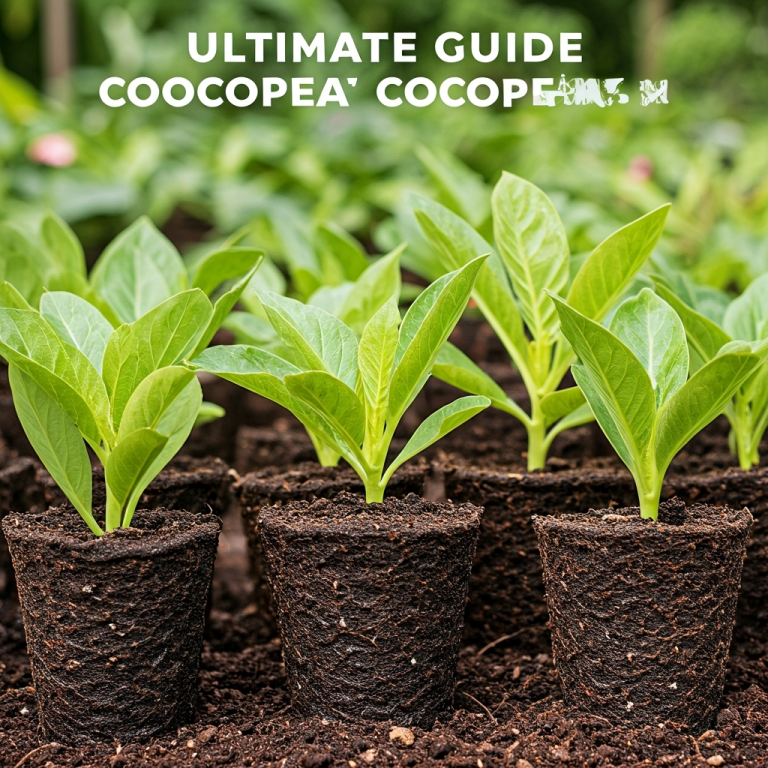
 English
  Indonesian
  Chinese
  Arabic