
Table of Contents
- 1. What Exactly Is Coconut Shell Charcoal?
- 2. The Sustainable Process: How Coconut Shell Charcoal is Made
- 3. The Ultimate 5 Benefits of Coconut Shell Charcoal
- 4. Coconut Shell Charcoal vs. Traditional Lumpwood & Briquettes
- 5. How to Choose the Best Coconut Shell Charcoal
- 6. Frequently Asked Questions
- 7. Final Thoughts: Make the Switch Today
If you’re looking to elevate your grilling game while making a more sustainable choice, it’s time to learn about coconut shell charcoal. This remarkable, eco-friendly fuel is rapidly gaining popularity among BBQ enthusiasts and eco-conscious consumers alike for its superior performance and green credentials. Forget everything you thought you knew about traditional charcoal; this guide will explore the incredible benefits and uses of coconut shell charcoal and explain why it’s the ultimate choice for your next cookout.
What Exactly Is Coconut Shell Charcoal?
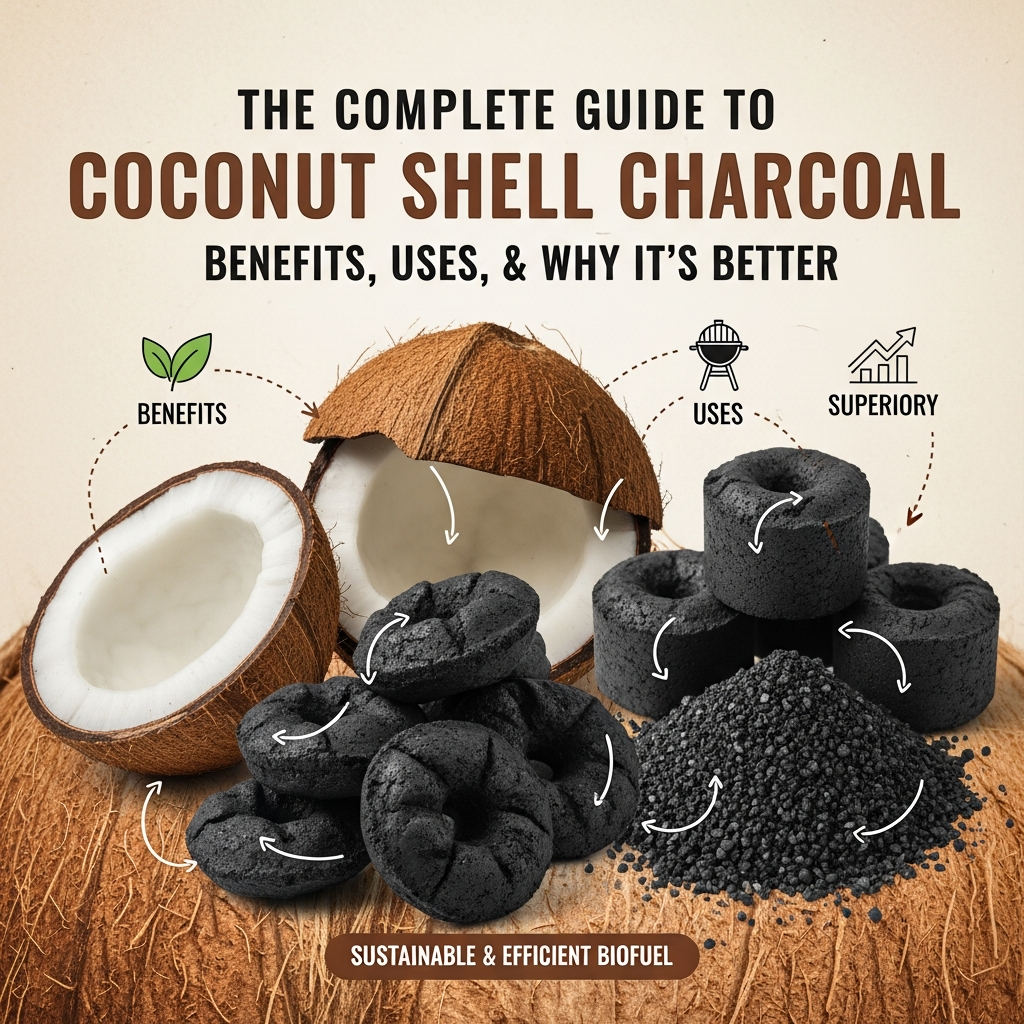
Coconut shell charcoal is a type of activated carbon produced from the hard shells of coconuts. Unlike traditional wood charcoal, which requires cutting down trees, this product is made from a waste byproduct of the coconut industry. The shells, which would otherwise be discarded, are transformed into a high-quality, dense, and efficient fuel source.
This process makes it a truly renewable and sustainable resource. The resulting charcoal is known for its high carbon content and minimal impurities, leading to a cleaner, hotter, and longer-lasting burn. It’s a simple innovation that turns agricultural waste into a high-performance product for grilling, water filtration, and more.
The Sustainable Process: How Coconut Shell Charcoal is Made
The creation of coconut shell charcoal is a fascinating example of upcycling. The process, known as pyrolysis, involves heating the coconut shells to very high temperatures in an environment with limited oxygen. This controlled burn removes moisture and volatile compounds, leaving behind pure carbon.
[Image Suggestion: A simple infographic showing coconut shells going into a kiln and coming out as charcoal briquettes.]
This method prevents the shells from burning into ash and instead carbonizes them into a dense, porous structure. The resulting raw charcoal is then often ground, mixed with a natural binding agent (like tapioca starch), and compressed into uniform briquettes for easy use. The entire process is designed to maximize energy output while minimizing environmental impact.
The Ultimate 5 Benefits of Coconut Shell Charcoal
Why should you make the switch? The advantages of using coconut shell charcoal go far beyond just being “green.” It consistently outperforms traditional options in several key areas.
3.1. It’s an Eco-Friendly Powerhouse
The most significant benefit is its sustainability. No trees are harvested to produce it, which helps combat deforestation. By utilizing a waste product, it promotes a circular economy. This approach is vital across all agricultural sectors, not just coconut farming.
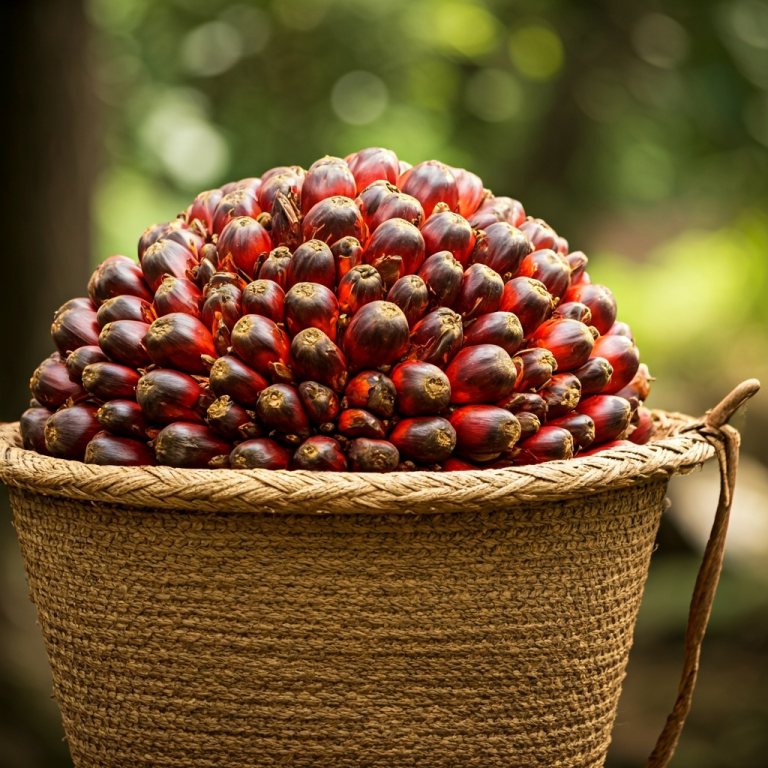
For example, the palm oil industry has a similar focus on using every part of the harvest. The versatile Palm Kernel is processed to create valuable products like Palm Kernel Oil and high-protein Palm Kernel Expeller for animal feed. Even the leftover Palm Kernel Shell and Oil Palm Fruit Bunch are used as biomass fuel, much like coconut shells. This highlights a global shift towards sustainable resource management, where byproducts from materials like Crude Palm Oil are repurposed effectively.
Using biomass like coconut shells is a key strategy for reducing reliance on fossil fuels and mitigating climate change, as discussed in many studies on renewable energy.
3.2. It Burns Hotter and Longer
Thanks to its high carbon density, coconut shell charcoal can reach higher temperatures than most wood-based charcoals. Furthermore, it offers an incredibly long and consistent burn time—often up to two or three times longer than traditional briquettes. This means you use less charcoal per grilling session, saving you money in the long run.

3.3. It Produces Minimal Smoke and Ash
Are you tired of thick, acrid smoke ruining your backyard party? Coconut shell charcoal is virtually smokeless and odorless because it contains no additives or fillers. It also produces significantly less ash (often less than 5% of its original weight), which makes cleanup a breeze and is better for your grill and your health, aligning with EPA guidelines on reducing smoke pollution.
3.4. It Imparts a Neutral Flavor
Some wood charcoals, especially those with chemical binders, can impart a harsh or unwanted flavor to your food. High-quality coconut shell charcoal provides a clean, consistent heat source that allows the natural flavor of your meat and vegetables to shine through without any interference.
3.5. It’s Incredibly Versatile
Beyond the BBQ, the properties of coconut shell charcoal make it a premium material for activated carbon. Its highly porous nature is perfect for filtration systems, effectively removing impurities from water and air. This application is widely documented in scientific literature, highlighting its ability to adsorb contaminants, as detailed in research from the Royal Society of Chemistry.
Coconut Shell Charcoal vs. Traditional Lumpwood & Briquettes
To see the difference clearly, here’s a head-to-head comparison:
| Feature | Coconut Shell Charcoal | Traditional Briquettes | Lumpwood Charcoal |
|---|---|---|---|
| Source | Renewable waste byproduct (coconut shells) | Sawdust, wood scraps, chemical binders | Hardwood logs (potential deforestation) |
| Burn Time | Very Long (3-5 hours) | Short (1-2 hours) | Medium (2-3 hours), inconsistent |
| Heat Output | High and Consistent | Medium, can be inconsistent | Very High, but burns quickly |
| Ash Production | Very Low (<5%) | High (>15%) | Low-Medium |
| Smoke & Odor | Virtually none | Noticeable, can have chemical smell | Varies by wood type |
[Video Suggestion: A time-lapse video comparing the burn time and ash production of coconut shell charcoal next to traditional briquettes.]
How to Choose the Best Coconut Shell Charcoal
When shopping for coconut shell charcoal, look for products that are labeled “100% natural” or “chemical-free.” Ensure the only binding agent used is a natural starch, like tapioca. The best brands offer consistent briquette shapes for an even burn. Reading reviews and checking the product’s origin can help you make an informed decision for your next purchase of coconut shell charcoal.
Frequently Asked Questions
1. Does coconut shell charcoal make food taste like coconut?
Absolutely not. The carbonization process removes all traces of coconut flavor and aroma. The result is a completely neutral fuel that won’t interfere with the taste of your food, letting your seasonings and marinades take center stage.
2. Is it more expensive than regular charcoal?
While the upfront cost per bag can sometimes be slightly higher, its long burn time means you use significantly less product per cooking session. This efficiency often makes coconut shell charcoal more economical in the long run. Consider it an investment in quality and sustainability.
3. Can I use it in any type of grill?
Yes! It is suitable for all types of charcoal grills, from classic kettles to ceramic smokers and kamado-style cookers. Its consistent heat and low ash production make it an excellent choice for any grilling setup.
Final Thoughts: Make the Switch Today
Coconut shell charcoal is more than just a trend; it’s a superior grilling fuel that offers tangible benefits for the user and the planet. From its sustainable origins and powerful performance to its clean burn and minimal waste, it represents the future of outdoor cooking.
By choosing coconut shell charcoal, you’re not only guaranteeing a better BBQ experience with hotter, longer, and cleaner heat, but you’re also making a responsible choice that supports a more sustainable world. To learn more about biomass fuels, you can visit authoritative sources like the International Renewable Energy Agency (IRENA).
Makmur Amanah Sejahtera provides high-quality palm products such as Palm Kernel Expeller, Palm Kernel Shell, Crude Palm Oil, Palm Kernel Oil, etc. Kindly contact us at WhatsApp +6282140002198 or email us at admin@makmuramanah.co.id.Looking for High-Quality Palm Products?
 English
  Indonesian
  Chinese
  Arabic