
Table of Contents
Table of Contents
When selecting a cooking oil for commercial or industrial use, the specifications matter immensely. In the world of edible oils, the debate over RBD Palm Olein CP8 vs CP10 is a common one, yet understanding the nuances can significantly impact your final product’s quality and stability. This guide breaks down everything you need to know about these two popular palm oil fractions.
Palm oil, derived from the versatile Oil Palm Fruit Bunch, is one of the most widely consumed vegetable oils on the planet. Its journey from raw Crude Palm Oil (CPO) to the refined liquid olein is complex. The liquid fraction, palm olein, is further refined into different grades based on its Cloud Point (CP). We will explore the critical differences between CP8 and CP10, helping you make an informed decision for your specific application.
What is RBD Palm Olein? A Brief Overview
Before diving into the RBD Palm Olein CP8 vs CP10 comparison, let’s define the terms. “RBD” stands for Refined, Bleached, and Deodorized, a standard purification process for edible oils that removes impurities, pigments, and odors, resulting in a bland, stable, and light-colored oil.
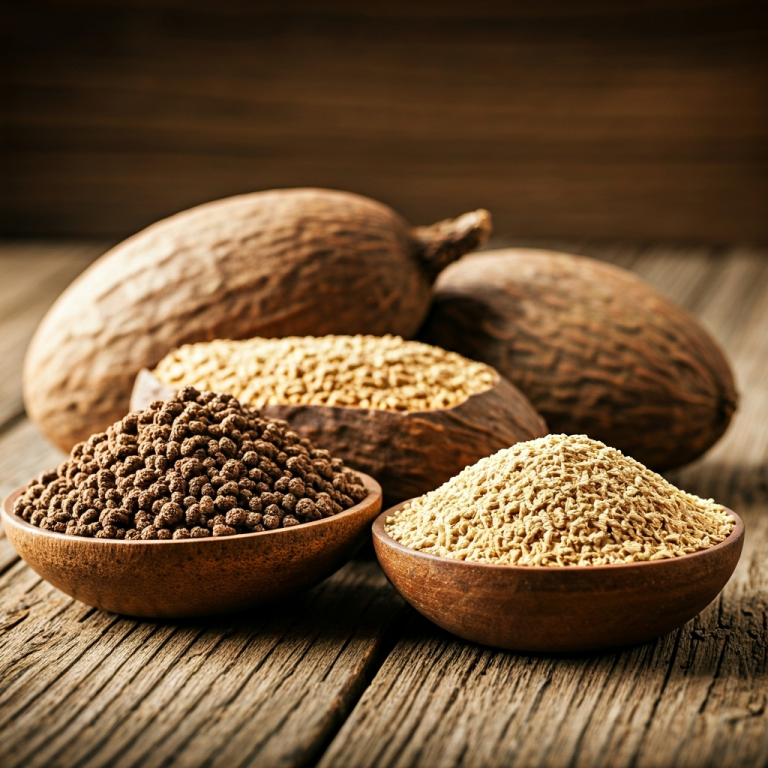
Palm Olein is the liquid fraction obtained from fractionating palm oil at controlled temperatures. This separates liquid olein from solid stearin. It’s important to note that while RBD Palm Olein comes from the fruit’s flesh, the fruit’s nut, or Palm Kernel, yields other valuable products. These include Palm Kernel Oil (PKO) and its solid by-product, Palm Kernel Expeller (PKE), a key ingredient in animal feed. The “CP” number in our main topic refers to the oil’s “Cloud Point,” the most critical factor distinguishing CP8 from CP10.

The Core Difference: Understanding Cloud Point (CP) in RBD Palm Olein CP8 vs CP10
The Cloud Point is the temperature at which an oil starts to become cloudy or hazy as it cools. This happens because some of the triglyceride molecules begin to crystallize. This single parameter is the primary distinction when discussing RBD Palm Olein CP8 vs CP10 and directly influences the oil’s performance in different climates.
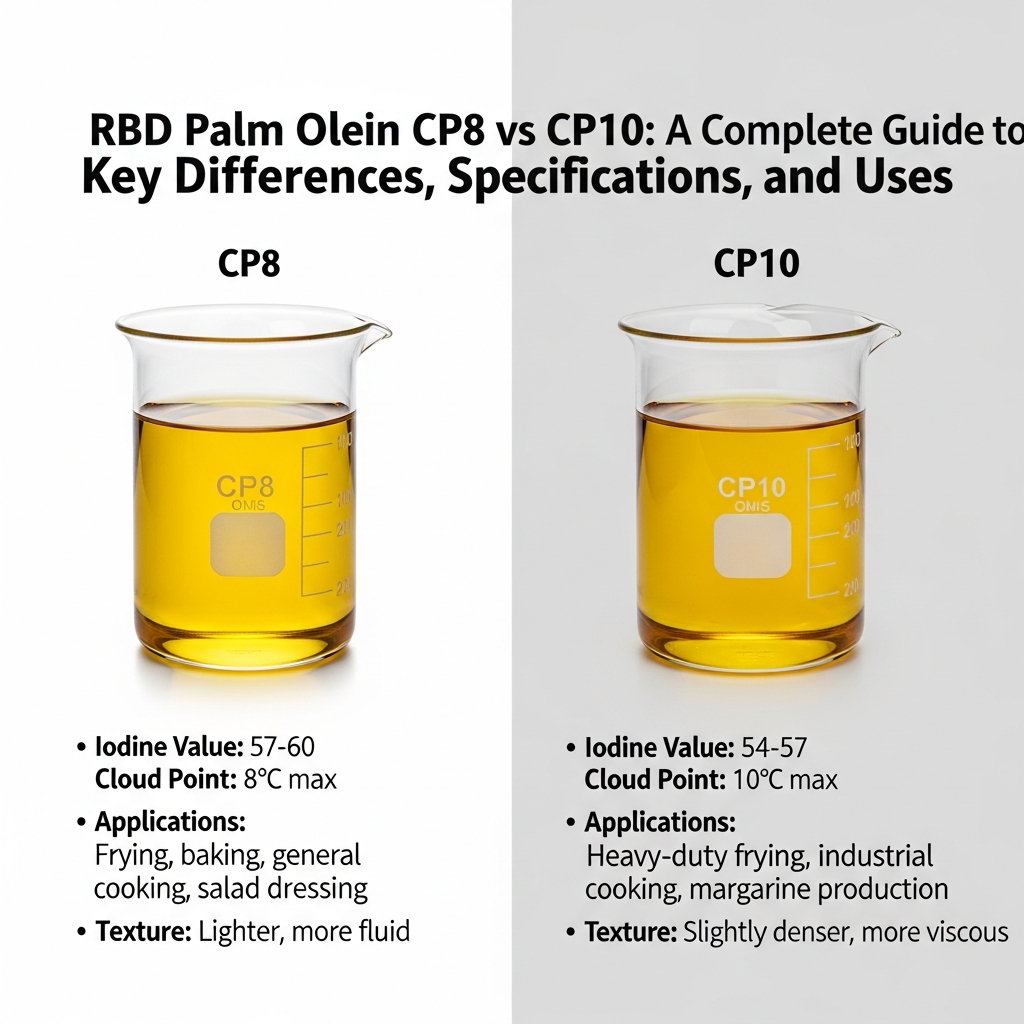
RBD Palm Olein CP10 has a maximum Cloud Point of 10° Celsius (50° F). This means the oil will remain clear and liquid at temperatures above 10°C but will start to solidify below it. It is the most common and widely traded type of palm olein globally.
RBD Palm Olein CP8, on the other hand, has a maximum Cloud Point of 8° Celsius (46.4° F). This lower cloud point means it remains liquid at cooler temperatures compared to CP10. This makes it a more premium product, often referred to as “Super Olein,” and is preferred in temperate or colder regions.
RBD Palm Olein CP8 vs CP10: A Detailed Specification Comparison
While Cloud Point is the main differentiator, there are other subtle variations in the specifications. Understanding these helps paint a complete picture in the RBD Palm Olein CP8 vs CP10 analysis. A higher degree of fractionation is required to produce CP8, which slightly alters its composition.
Here is a typical specification comparison table:
| Specification | RBD Palm Olein CP10 | RBD Palm Olein CP8 |
|---|---|---|
| Cloud Point (°C) | Max 10 | Max 8 |
| Iodine Value (IV) (Wijs) | Min 56 | Min 58 |
| Free Fatty Acids (FFA) (% as Palmitic) | Max 0.1% | Max 0.1% |
| Moisture & Impurities (M&I) | Max 0.1% | Max 0.1% |
| Color (5.25″ Lovibond Cell) | Max 3 Red | Max 3 Red |
A key secondary difference is the Iodine Value (IV), which measures the degree of unsaturation in the oil. CP8 typically has a higher IV, meaning it contains slightly more unsaturated fats. This contributes to its lower melting point. For more technical details on oil chemistry, you can review literature from authoritative sources like ScienceDirect.
Common Applications and Uses: Choosing Between CP8 and CP10
The choice between RBD Palm Olein CP8 vs CP10 almost always comes down to two factors: climate and application. The slight difference in cloud point makes each variant suitable for different purposes and geographical locations.
When to Use RBD Palm Olein CP8
Due to its ability to stay liquid at lower temperatures, CP8 is the ideal choice for cooler and temperate climates. Its resistance to clouding makes it more visually appealing on supermarket shelves during winter months. Common uses include:
- Premium Bottled Cooking Oil: Sold in regions where ambient temperatures regularly drop below 10°C.
- Salad Dressings & Mayonnaise: Its liquid state is crucial for ensuring a smooth and consistent emulsion.
- Confectionery: Used in applications where a liquid oil is needed for texture and mouthfeel without solidification.
When to Use RBD Palm Olein CP10
CP10 is the workhorse of the palm olein world. It is more cost-effective to produce and is perfectly suited for tropical and warmer climates where the ambient temperature rarely falls below 10°C. It is the standard for:
- General Frying: Its high smoke point and stability make it excellent for deep-frying in restaurants and for industrial food production.
- Instant Noodles: The vast majority of instant noodles are pre-fried in CP10.
- Margarines and Spreads: Used as a key component in various blended edible fats.
The Global Market Impact of RBD Palm Olein CP8 vs CP10
The global trade of palm oil is massive, with Indonesia and Malaysia being the top producers. According to the Food and Agriculture Organization (FAO), palm oil is a leading vegetable oil in terms of production volume. Within this market, CP10 dominates due to its lower production cost and high demand in major consumption regions like Asia and Africa.
The production of CP8 requires an extra stage of fractionation, which increases costs. This premium is passed on to the buyer, making the price of CP8 higher than CP10. This price difference is a major factor in the purchasing decisions of food manufacturers. Beyond edible oils, the industry also generates sustainable biomass energy from by-products like Palm Kernel Shell. For an in-depth look at market dynamics, organizations like the Malaysian Palm Oil Council (MPOC) provide extensive resources and reports.
Frequently Asked Questions (FAQ)
1. Is there a taste or nutritional difference in RBD Palm Olein CP8 vs CP10?
No, the taste is identical. Both are processed to be neutral and bland. Nutritionally, the differences are negligible and not significant enough to impact health outcomes. The primary difference remains physical (Cloud Point), not chemical or nutritional.
2. Can I substitute CP10 for CP8?
It depends on your application and climate. In a hot climate for deep frying, you can easily substitute CP10 for CP8 to save costs. However, if you are bottling salad dressing to be sold in a cold country, using CP10 would result in a solidified, unappealing product.
3. Which is healthier, RBD Palm Olein CP8 or CP10?
Neither is inherently “healthier” than the other. Both are stable frying oils. As mentioned, CP8 has a slightly higher Iodine Value, indicating more unsaturated fats, but the difference is minimal. A balanced diet is more important than the minor variations between these two oils. For more information on fats in food, industry publications like FoodNavigator offer expert insights.
Conclusion: Making the Right Choice
The discussion of RBD Palm Olein CP8 vs CP10 ultimately boils down to a practical choice based on temperature, application, and cost. CP10 is the versatile, cost-effective global standard for frying and general use in warmer climates. CP8 is the premium “winter grade” or “Super Olein,” designed to remain liquid at cooler temperatures, making it essential for specific applications and regions. Understanding the key differences in the RBD Palm Olein CP8 vs CP10 debate ensures you can confidently select the right oil for a consistent, high-quality, and cost-effective final product.
Your Trusted Partner for Palm Oil Products
Looking for High-Quality Palm Products?
Makmur Amanah Sejahtera provides high-quality palm products such as Palm Kernel Expeller, Palm Kernel Shell, Crude Palm Oil, Palm Kernel Oil, etc. Kindly contact us at WhatsApp +6282140002198 or email us at admin@makmuramanah.co.id.

 English
  Indonesian
  Chinese
  Arabic