
Table of Contents
- What Exactly is RBD Palm Olein CP6?Top Uses of CP6 Palm Olein in 2025The Surprising Health Facts of Palm OleinCP6 vs. CP8 vs. CP10: Key Palm Olein DifferencesYour Source for High-Quality Palm ProductsFrequently Asked QuestionsThe Final Word on RBD Palm Olein CP6
Have you ever wondered what makes your favorite fried snacks so consistently crispy? The secret often lies in the type of cooking oil used, and one of the most prevalent in the food industry is RBD Palm Olein CP6. This highly stable and versatile oil is a powerhouse for both commercial kitchens and home cooking, offering benefits that go beyond just frying.
In this ultimate guide, we will break down everything you need to know about this versatile cooking oil. We’ll explore its production process, its primary uses, the real health facts you should be aware of, and the crucial differences that set it apart from its siblings, CP8 and CP10. Let’s dive in!
What Exactly is RBD Palm Olein CP6?
To understand this cooking oil, let’s break down its name. “RBD” stands for Refined, Bleached, and Deodorized. This is a standard purification process that Crude Palm Oil undergoes to make it suitable for consumption. The process removes impurities, color pigments, and undesirable odors, resulting in a neutral-tasting, stable oil.
“Palm Olein” refers to the liquid fraction obtained from palm oil after a process called fractionation. During this process, the oil is cooled to crystallize the solid fat (stearin), which is then separated from the liquid portion (olein). This process happens after the oil is extracted from the flesh of the Oil Palm Fruit Bunch, while the inner nut, or Palm Kernel, can be processed separately to produce Palm Kernel Oil.
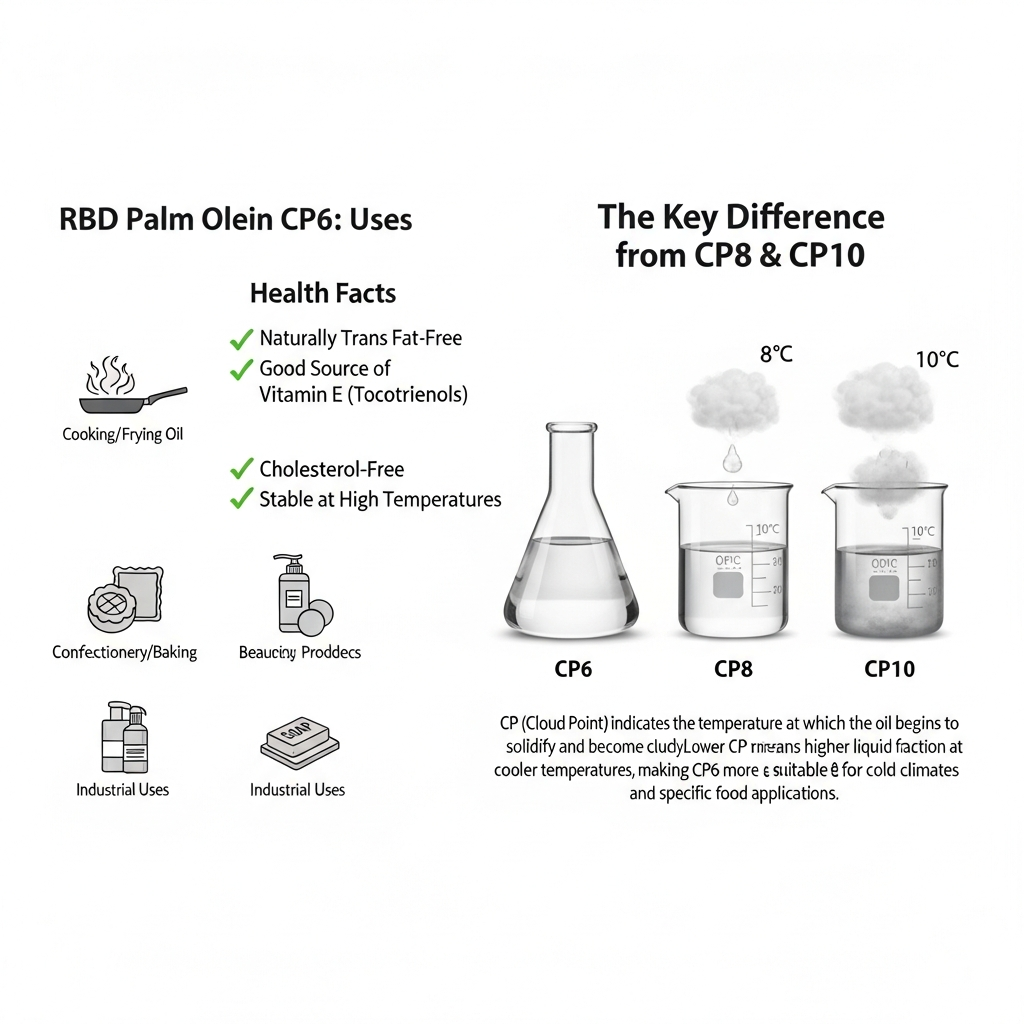
The “CP6” is perhaps the most important part. “CP” stands for Cloud Point, and the number indicates the temperature in Celsius at which the oil starts to become cloudy or solidify. Therefore, CP6 palm olein has a cloud point of 6°C, making it more resistant to clouding in cooler temperatures compared to other varieties.

Top Uses of CP6 Palm Olein in 2025
The unique properties of this cooking oil, especially its high smoke point and oxidative stability, make it a preferred choice across the global food industry. Here are some of its most common applications.
1. Industrial Deep Frying
From potato chips to instant noodles and fast-food french fries, this palm olein is the go-to oil for industrial frying. Its resistance to breaking down at high temperatures ensures a longer fry-life, providing consistent quality and taste while being cost-effective for manufacturers.
2. Everyday Cooking and Frying
At home, this oil is excellent for general cooking, sautéing, and deep frying. Its neutral flavor doesn’t interfere with the taste of the food, allowing the natural flavors of the ingredients to shine through. Its stability makes it a safer option for high-heat cooking.
3. Production of Margarine and Shortening
The semi-solid nature of palm oil fractions is ideal for creating spreads like margarine and shortenings used in baking. The oil provides the necessary texture and mouthfeel without the need for hydrogenation, which can create harmful trans fats.
The Surprising Health Facts of Palm Olein
Palm oil often faces public scrutiny, but a closer look at the science reveals a more balanced picture. Like any fat, moderation is key. This refined palm oil has a balanced fatty acid profile, containing both saturated and unsaturated fats.
One of its standout features is its high content of Vitamin E, specifically tocotrienols. These powerful antioxidants have been studied for their potential to support brain health and reduce oxidative stress. According to a study in the Journal of the American Heart Association, tocotrienols may help protect brain tissue.
Furthermore, because it is naturally semi-solid, it doesn’t require hydrogenation, meaning it is free of industrial trans fats. The World Health Organization (WHO) strongly advises against consuming industrial trans fats due to their link to heart disease.

CP6 vs. CP8 vs. CP10: Key Palm Olein Differences
The main differentiator between CP6, CP8, and CP10 is the Cloud Point. This single property influences their applications and suitability for different climates and products. A lower cloud point means the oil remains liquid at lower temperatures.
Here’s a simple breakdown of the key differences between these popular grades of RBD Palm Olein.
| Feature | RBD Palm Olein CP6 | RBD Palm Olein CP8 | RBD Palm Olein CP10 |
|---|---|---|---|
| Cloud Point | Max 6°C | Max 8°C | Max 10°C |
| Clarity | Remains clear in temperate climates | May become cloudy in cooler weather | Becomes cloudy easily in mild weather |
| Common Use | Premium cooking oil, salad dressings, ideal for colder regions | General-purpose frying, industrial use | Standard cooking oil, popular in tropical climates |
| Iodine Value (IV) | Higher (Typically ≥ 58) | Medium (Typically ≥ 57) | Lower (Typically ≥ 56) |
As the table shows, RBD Palm Olein CP6 is a higher-grade, more versatile product because its lower cloud point prevents it from solidifying in cooler storage conditions. This makes it a premium choice, especially for products that need to remain liquid, like salad oils. Industry insights from sources like Food Navigator often highlight the importance of these physical properties in food formulation.
Your Source for High-Quality Palm Products
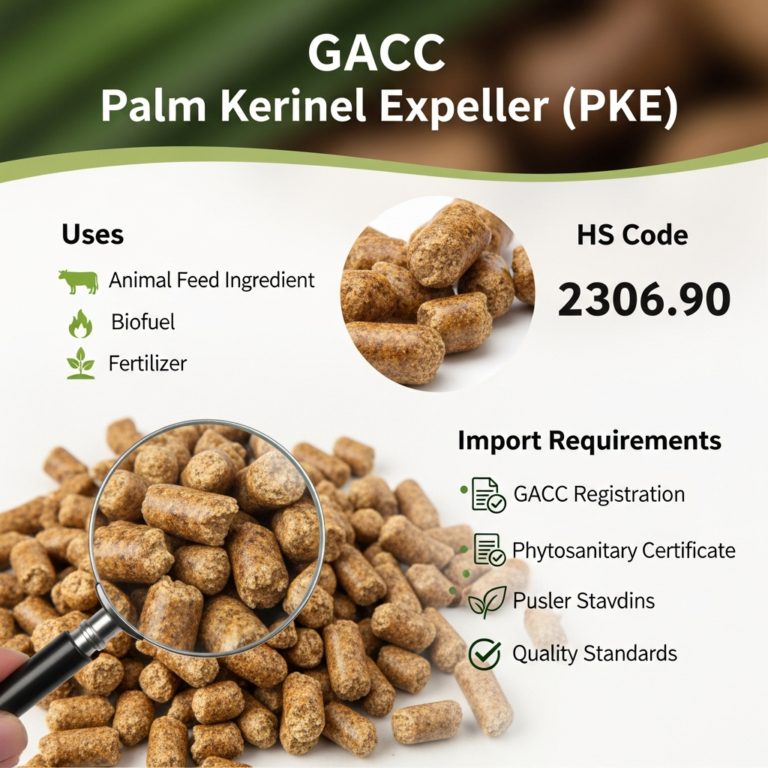
Understanding the qualities of different palm oils helps in making the best choice for your needs. The palm industry also yields other valuable resources used globally. These include nutrient-rich animal feed like Palm Kernel Expeller and eco-friendly biofuel such as Palm Kernel Shell.
Makmur Amanah Sejahtera provides high-quality palm products such as Palm Kernel Expeller, Palm Kernel Shell, Crude Palm Oil, Palm Kernel Oil, etc. Kindly contact us at WhatsApp +6282140002198 or email us at admin@makmuramanah.co.id. CP6 refers to the oil’s Cloud Point of 6° Celsius. This is the maximum temperature at which the oil will start to appear cloudy or semi-solid. A lower CP number is generally considered a higher quality for liquid oil applications. Absolutely. Its high smoke point (around 235°C or 455°F) and excellent oxidative stability make it one of the best and most cost-effective oils for deep frying, both commercially and at home. It should be stored in a cool, dark place away from direct sunlight to maintain its quality. Because of its low cloud point, it is less likely to solidify in your pantry compared to CP8 or CP10 varieties. This premium cooking oil stands out as a versatile, and highly stable choice for the food industry and a reliable option for home cooks. Its unique combination of a high smoke point, neutral taste, and low cloud point makes it an invaluable ingredient. While the debate around palm oil continues, understanding the specifics of different fractions like CP6 Palm Olein allows for a more informed choice. Its functional benefits are undeniable, securing its place in kitchens and factories worldwide. For more detailed information on palm oil, you can visit the Malaysian Palm Oil Council website.Looking for High-Quality Palm Products?
Frequently Asked Questions
What does CP6 mean in palm oil?
Is RBD Palm Olein CP6 good for deep frying?
How should I store this cooking oil?
The Final Word on RBD Palm Olein CP6

 English
  Indonesian
  Chinese
  Arabic